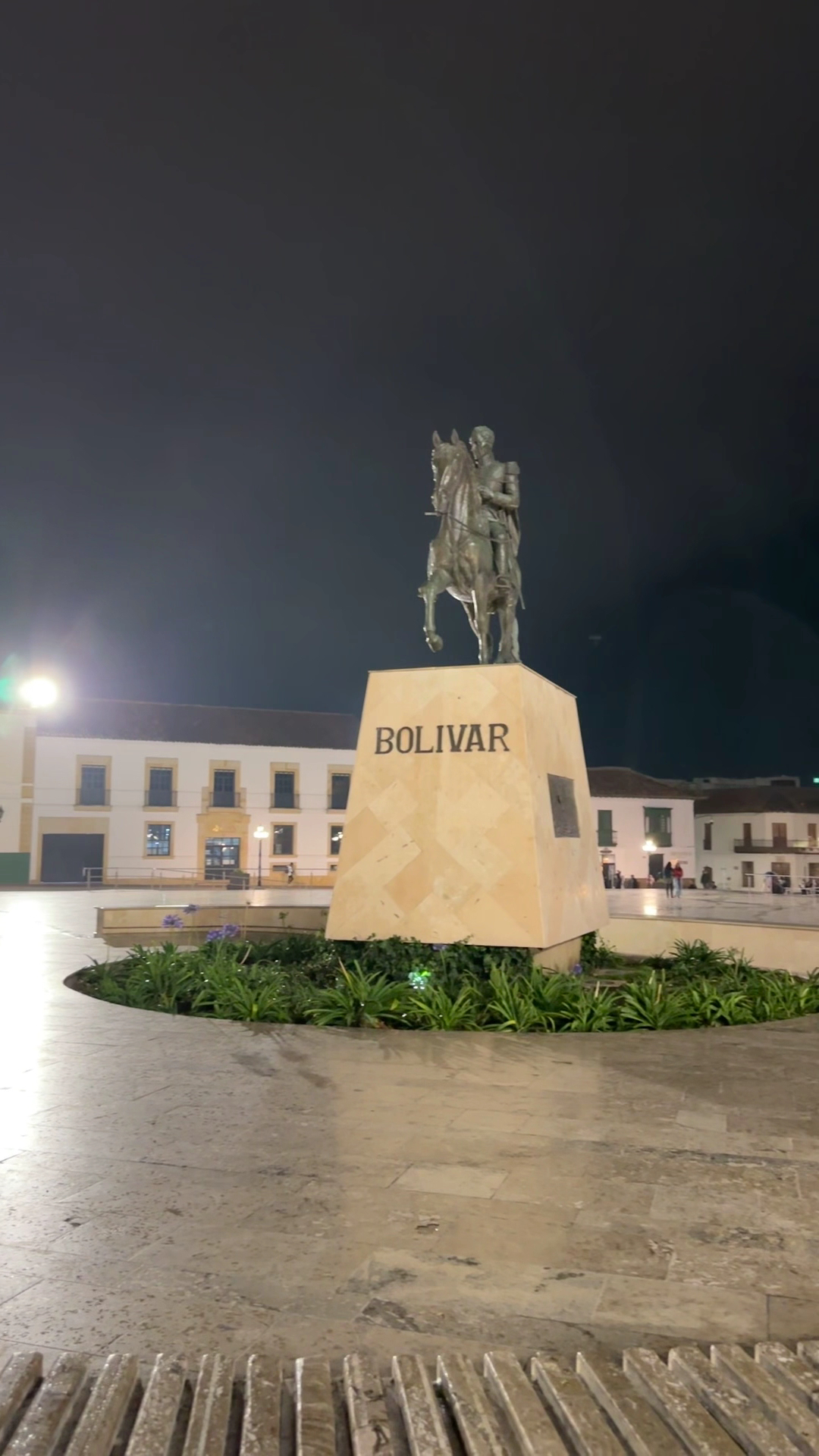
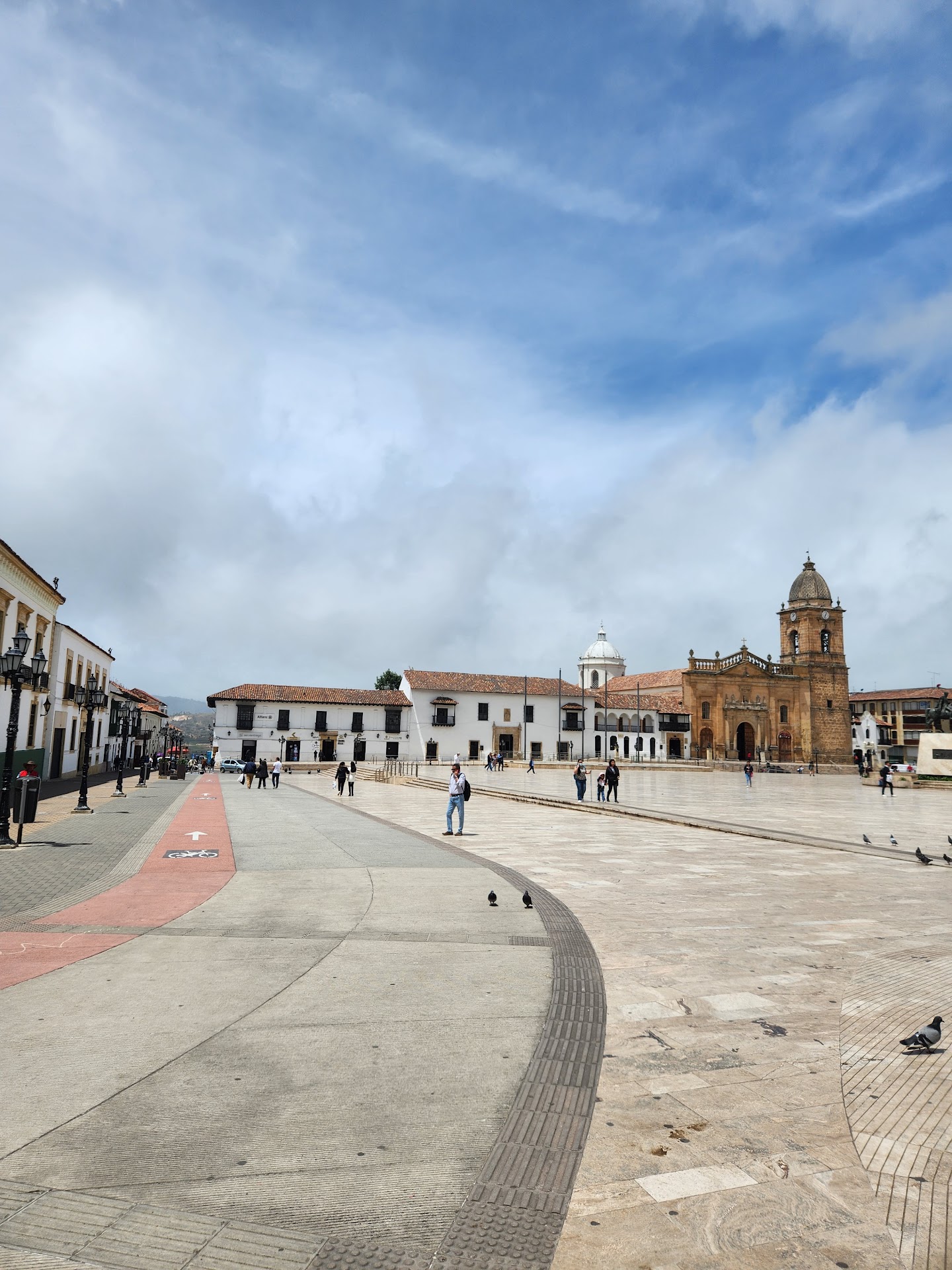
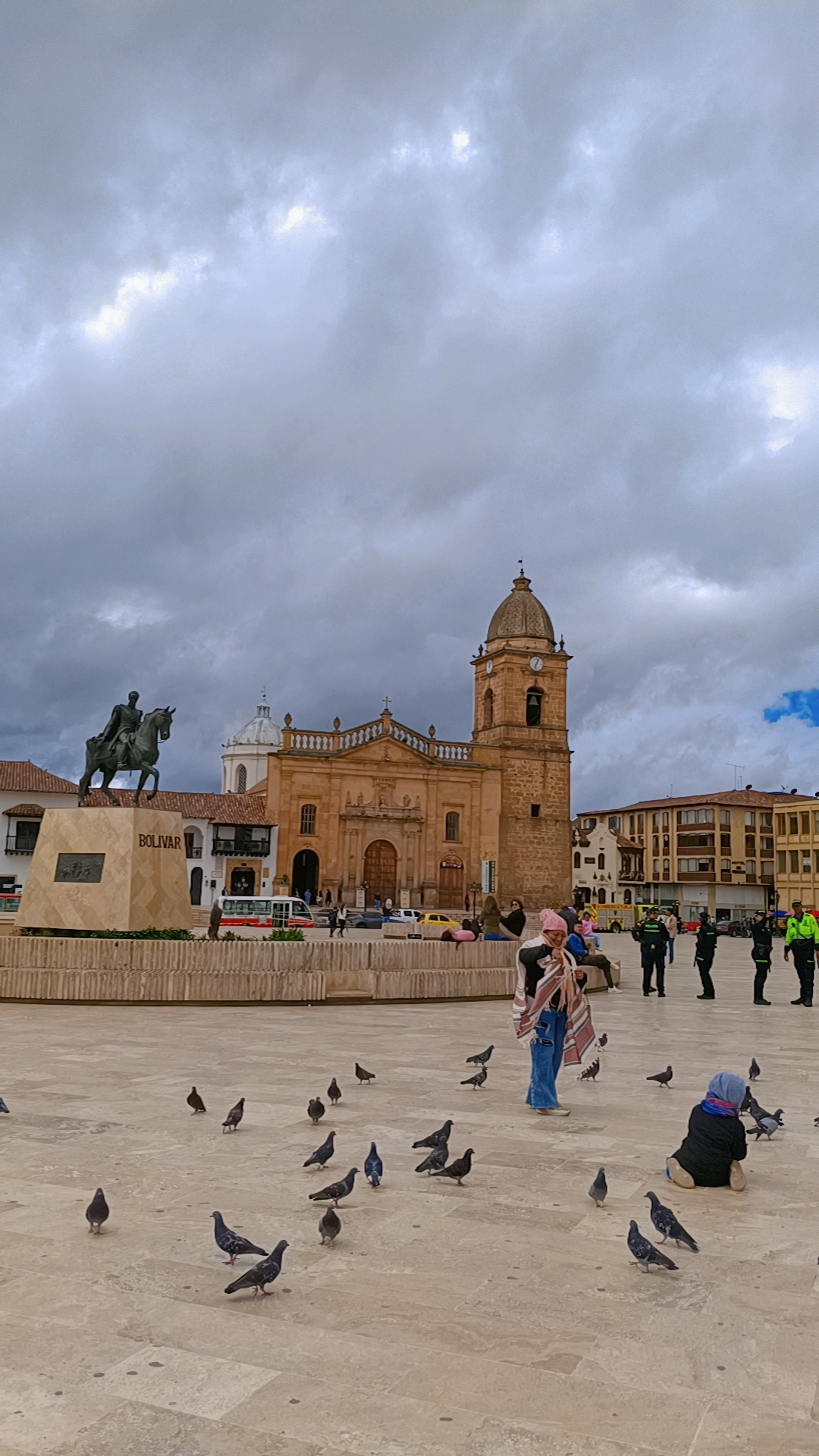
Plaza de Bolivar, Tunja things to do, attractions, restaurants, events info and trip planning
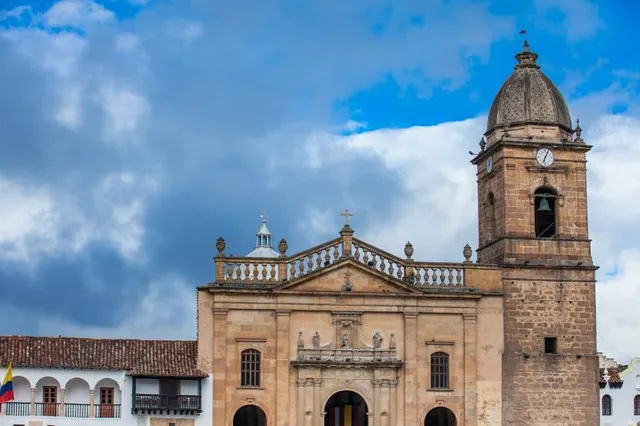
Basic Info
Plaza de Bolivar, Tunja
plaza de, Cra 8 #18-56, Tunja, Boyacá, Colombia
4.6(5.8K)
Open until 12:00 AM
Save
spot
spot
Ratings & Description
Info
Cultural
Outdoor
Accessibility
attractions: Cathedral Basilica of St. James the Apostle, Casa del Fundador Gonzalo Suárez Rendón, Parque Pinzon, Capilla Museo Santa Clara La Real, Bosque De La República, Paredón de los Mártires, restaurants: , local businesses: Casa del Escribano Don Juan de Vargas, Parroquia San Francisco, Iglesia de las Nieves, Torres Del Parque
 Learn more insights from Wanderboat AI.
Phone
+58 416-4517000
Website
boyaca.gov.co
Open hoursSee all hours
MonOpen 24 hoursOpen
Plan your stay

Pet-friendly Hotels in Boyacá
Find a cozy hotel nearby and make it a full experience.

Affordable Hotels in Boyacá
Find a cozy hotel nearby and make it a full experience.

The Coolest Hotels You Haven't Heard Of (Yet)
Find a cozy hotel nearby and make it a full experience.

Trending Stays Worth the Hype in Boyacá
Find a cozy hotel nearby and make it a full experience.
Reviews
Live events
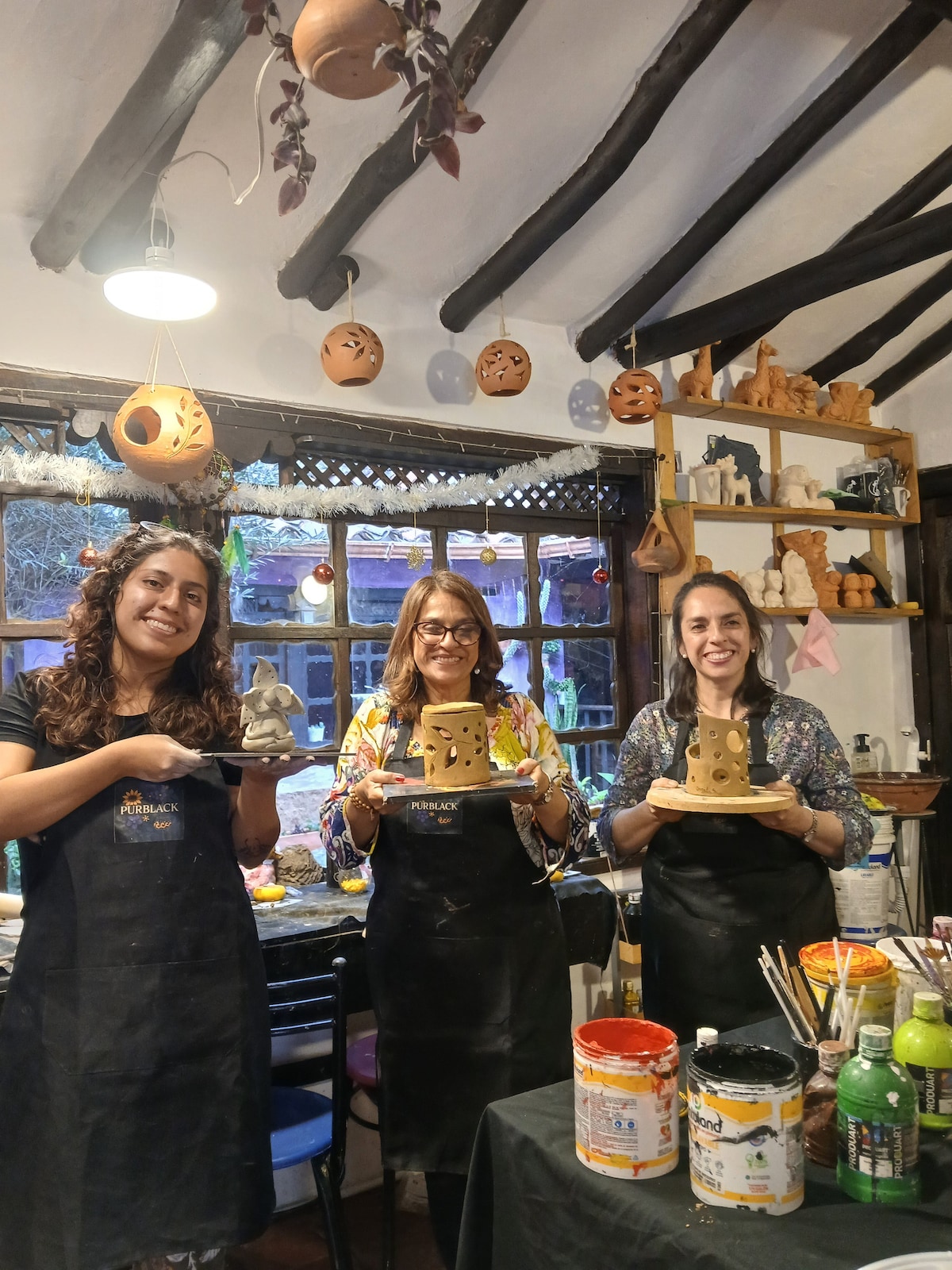
Hands that Shape History: Pottery Workshop
Mon, Feb 23 • 10:00 AM
Villa de Leyva, Boyaca, Colombia
View details
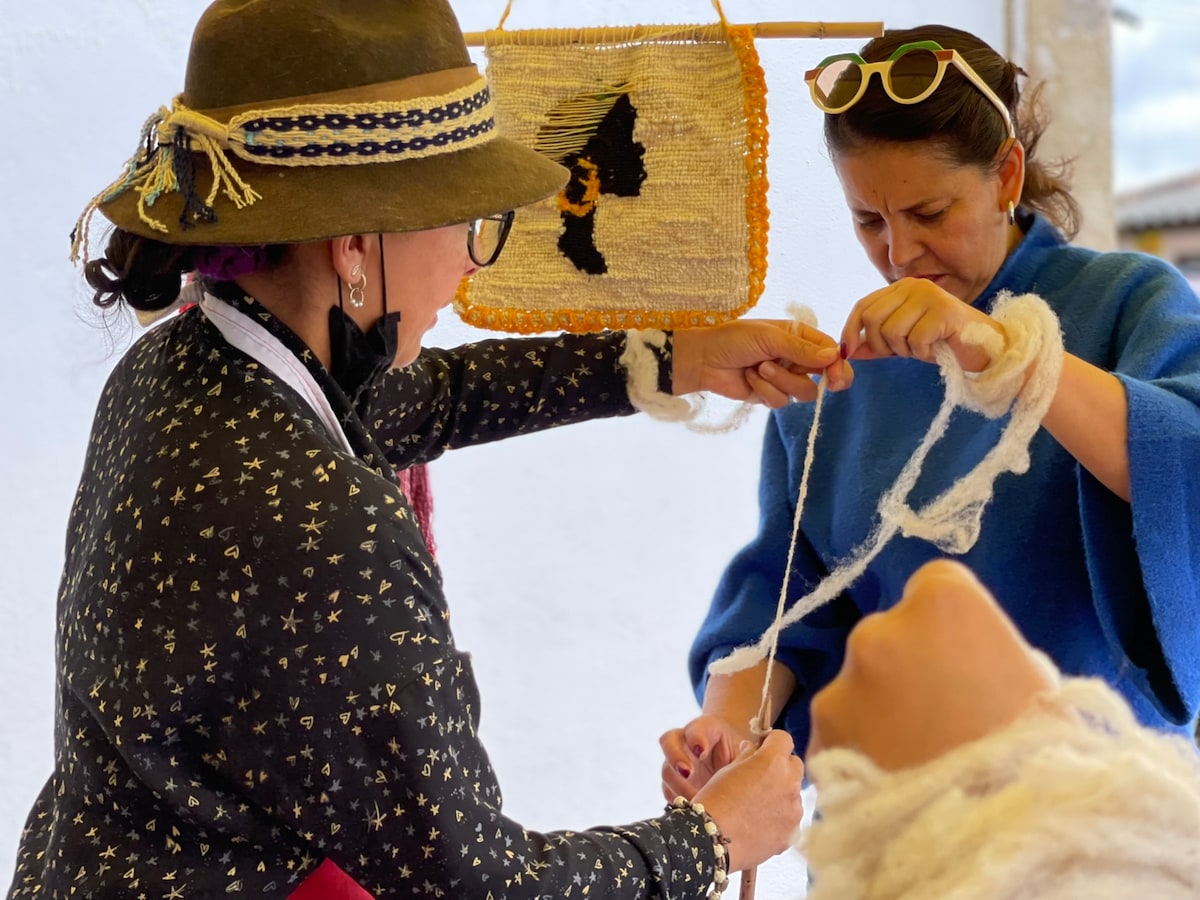
From the sheep to the skein
Wed, Feb 25 • 9:00 AM
Oicatá, Boyaca, Colombia
View details
Nearby attractions of Plaza de Bolivar, Tunja
Cathedral Basilica of St. James the Apostle
Casa del Fundador Gonzalo Suárez Rendón
Parque Pinzon
Capilla Museo Santa Clara La Real
Bosque De La República
Paredón de los Mártires
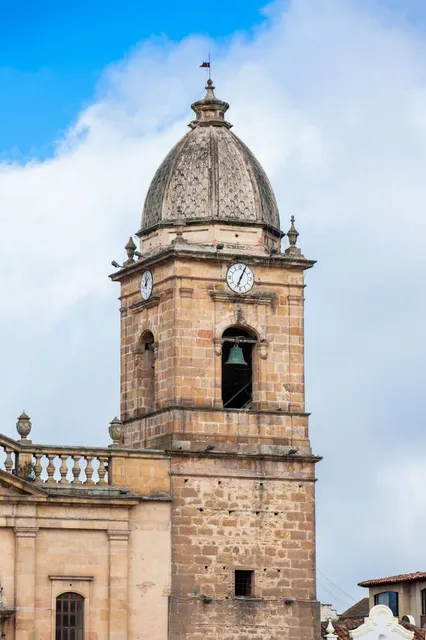
Cathedral Basilica of St. James the Apostle
4.7
(414)
Closed
Click for details
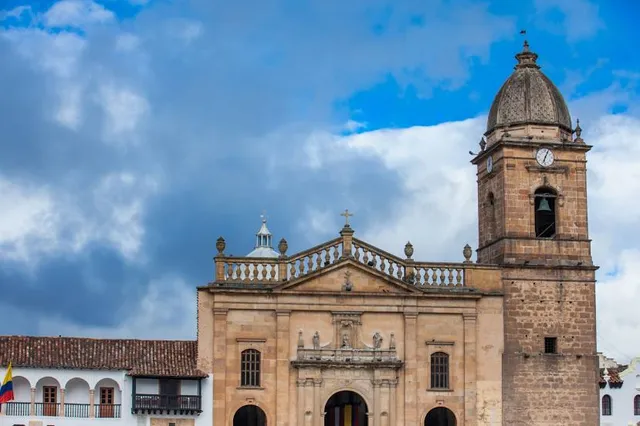
Casa del Fundador Gonzalo Suárez Rendón
4.6
(135)
Open until 12:00 AM
Click for details
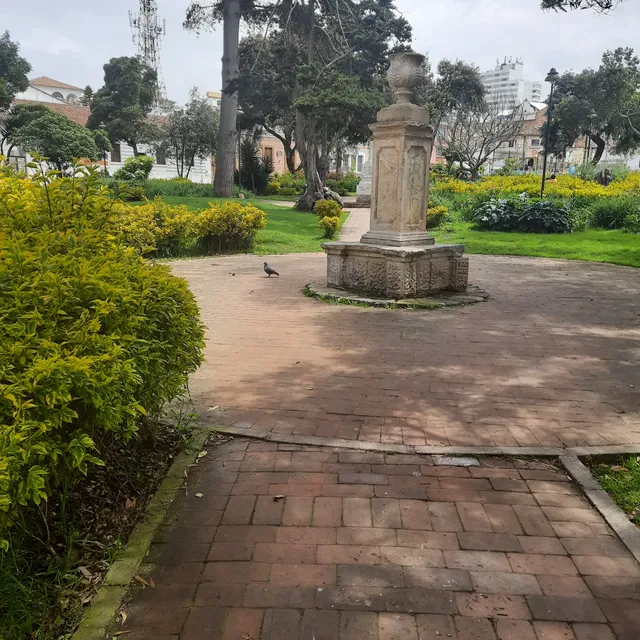
Parque Pinzon
4.3
(926)
Open until 12:00 AM
Click for details

Capilla Museo Santa Clara La Real
4.2
(22)
Open 24 hours
Click for details
Nearby local services of Plaza de Bolivar, Tunja
Casa del Escribano Don Juan de Vargas
Parroquia San Francisco
Iglesia de las Nieves
Torres Del Parque
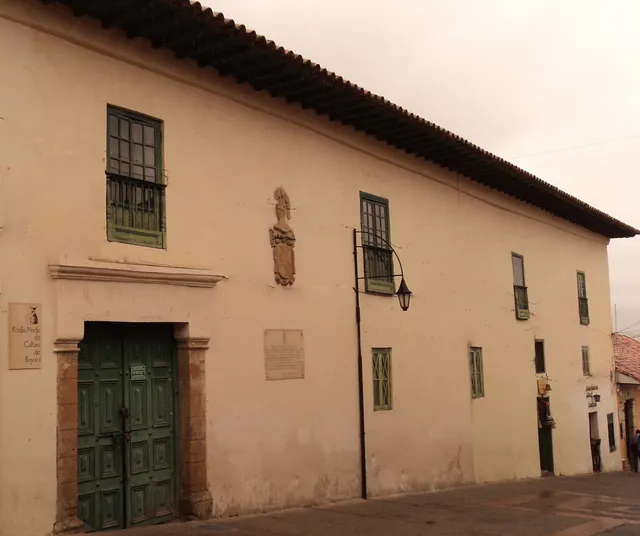
Casa del Escribano Don Juan de Vargas
4.5
(81)
Click for details
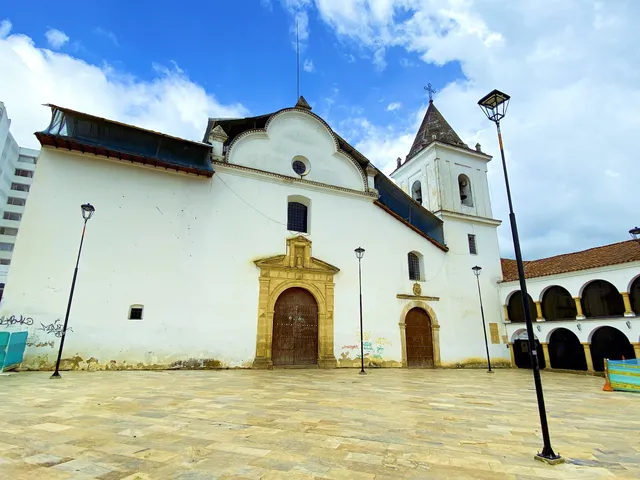
Parroquia San Francisco
4.8
(70)
Click for details
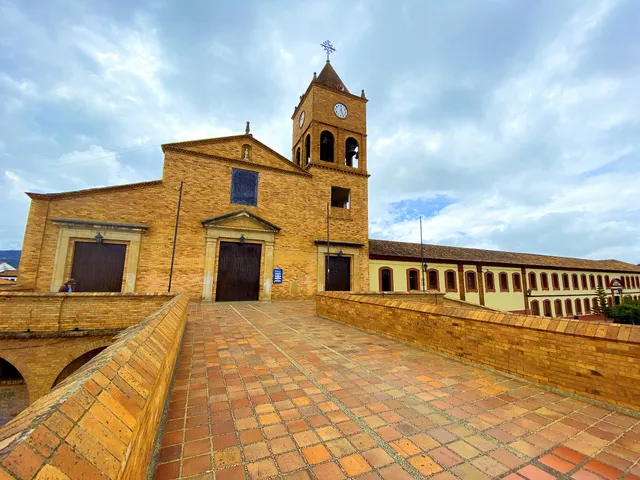
Iglesia de las Nieves
4.6
(408)
Click for details
Torres Del Parque
3.9
(101)
Click for details