Santuario de San Pedro Claver things to do, attractions, restaurants, events info and trip planning
Basic Info
Santuario de San Pedro Claver
Plaza de San Pedro Claver, Cra. 4 #30-01, Cartagena de Indias, Bolívar, Colombia
4.7(1.2K)
Closed

tickets
Save
spot
spot
Ratings & Description
Info
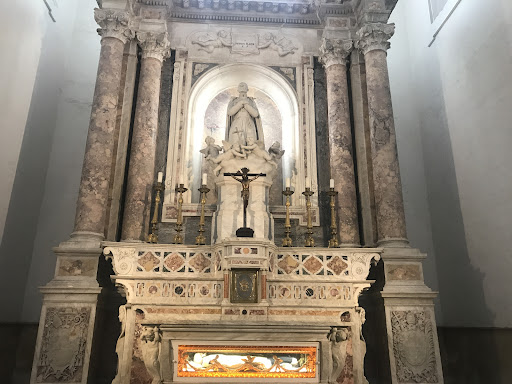
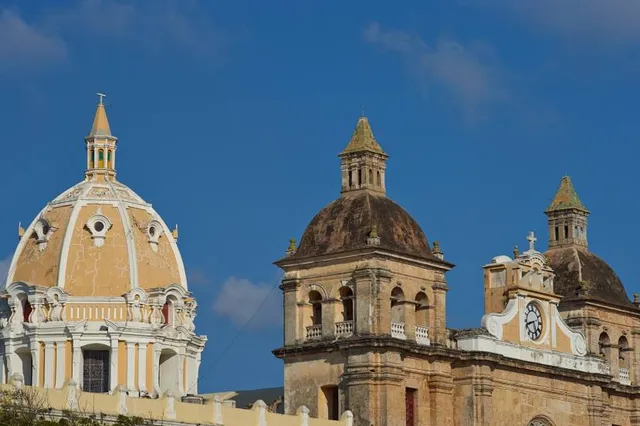
The Iglesia de San Pedro Claver is a church located in Cartagena de Indias, in Colombia. This church and its convent are located in the Plaza de San Pedro Claver. The church is part of a set of religious buildings that is complemented by the Cloister of San Pedro Claver and the archaeological museum.
Cultural
Accessibility
attractions: Plaza San Pedro Claver, Plaza de la Aduana, Monumento Torre del Reloj, Plaza de Santa Teresa, Museo Naval del Caribe, Museum of Cartagena de Indias, EL BALUARTE SAN FRANCISCO JAVIER, Museo de Arte Moderno Cartagena, Plaza de Bolívar, Centro de Convenciones Cartagena de Indias, restaurants: SAN PEDRO CAFE·MIRADOR RESTAURANTE, Crepes & Waffles, El Barón, Nia Bakery Coffee Shop & Cocktails, Se Volvió Prisprí Coffee Shop, Montesacro Resto Bar, La Movida Cartagena, Donde Fidel Salsa Bar, NIKU COCINA NIKKEI - Sushi Cartagena, Mirador Gastro Bar, local businesses: Muelle de la Bodeguita, Parque de la Marina, Ciudad Amurallada Cartagena, Baluarte de San Ignacio, Free Tour Cartagena, Free Walking Tour Cartagena, Mister Emerald, Dulces Típicos del Portal Nancy, Joyería Santo Domingo Emerald Store Cartagena, Ábaco Libros y Café
 Learn more insights from Wanderboat AI.
Phone
+57 302 2671257
Website
sanpedroclaver.co
Open hoursSee all hours
Sat10 AM - 4 PMClosed
Plan your stay

Pet-friendly Hotels in Cartagena
Find a cozy hotel nearby and make it a full experience.

Affordable Hotels in Cartagena
Find a cozy hotel nearby and make it a full experience.

The Coolest Hotels You Haven't Heard Of (Yet)
Find a cozy hotel nearby and make it a full experience.

Trending Stays Worth the Hype in Cartagena
Find a cozy hotel nearby and make it a full experience.
Reviews
Live events
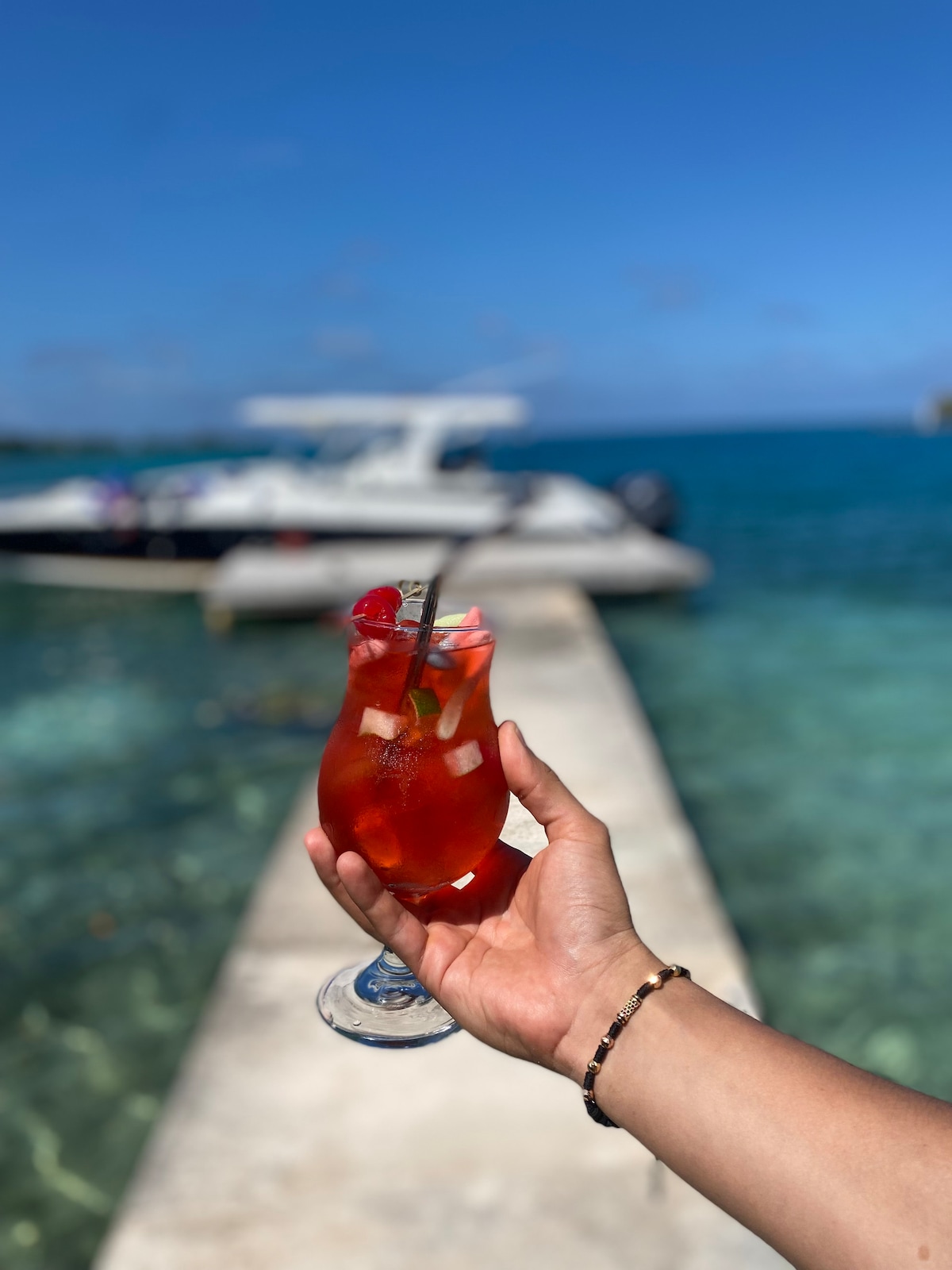
Hop through the Rosario Islands on a dreamy escape
Sun, Feb 8 • 8:30 AM
Cartagena, Bolivar, Colombia
View details
Nearby attractions of Santuario de San Pedro Claver
Plaza San Pedro Claver
Plaza de la Aduana
Monumento Torre del Reloj
Plaza de Santa Teresa
Museo Naval del Caribe
Museum of Cartagena de Indias
EL BALUARTE SAN FRANCISCO JAVIER
Museo de Arte Moderno Cartagena
Plaza de Bolívar
Centro de Convenciones Cartagena de Indias
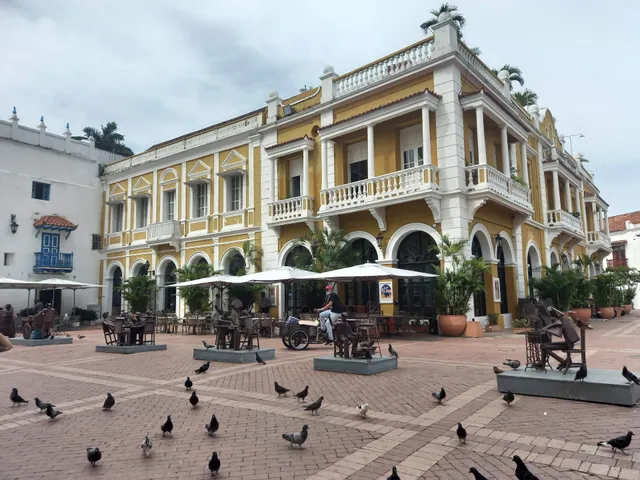
Plaza San Pedro Claver
4.7
(894)
Open 24 hours
Click for details
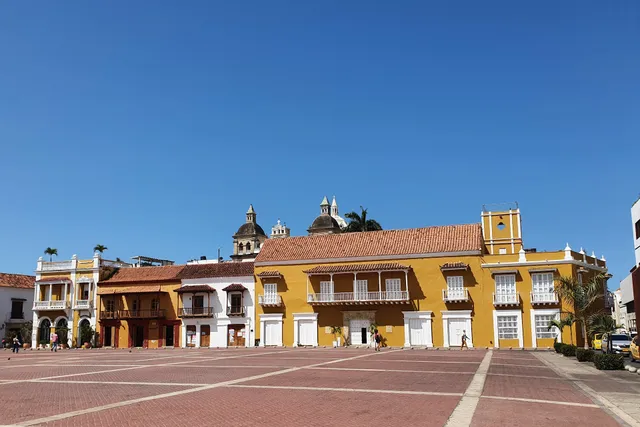
Plaza de la Aduana
4.6
(1.4K)
Open until 12:00 AM
Click for details
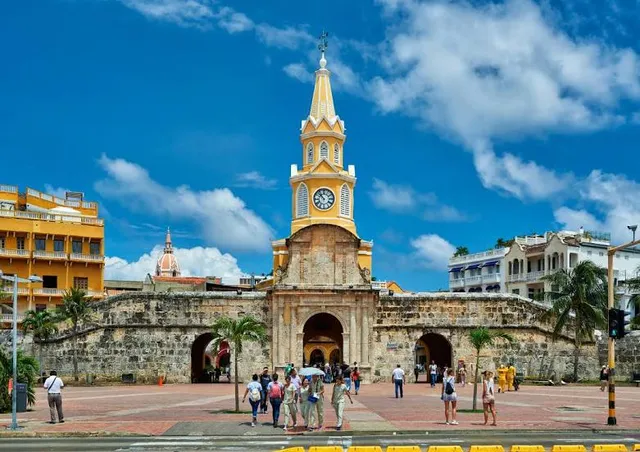
Monumento Torre del Reloj
4.7
(12.4K)
Open until 12:00 AM
Click for details
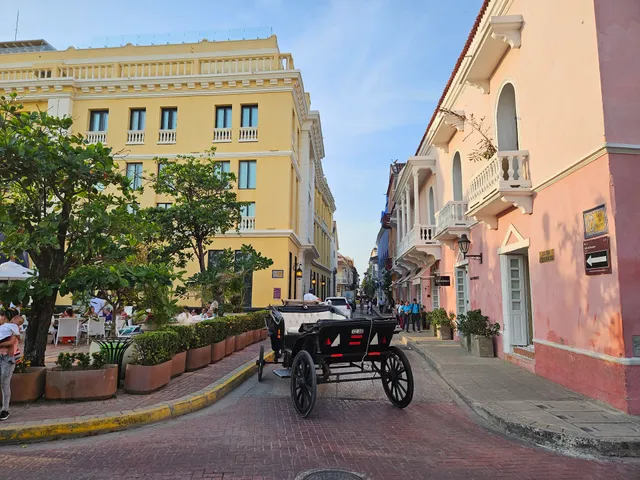
Plaza de Santa Teresa
4.7
(2.4K)
Open until 12:00 AM
Click for details
Nearby restaurants of Santuario de San Pedro Claver
SAN PEDRO CAFE·MIRADOR RESTAURANTE
Crepes & Waffles
El Barón
Nia Bakery Coffee Shop & Cocktails
Se Volvió Prisprí Coffee Shop
Montesacro Resto Bar
La Movida Cartagena
Donde Fidel Salsa Bar
NIKU COCINA NIKKEI - Sushi Cartagena
Mirador Gastro Bar
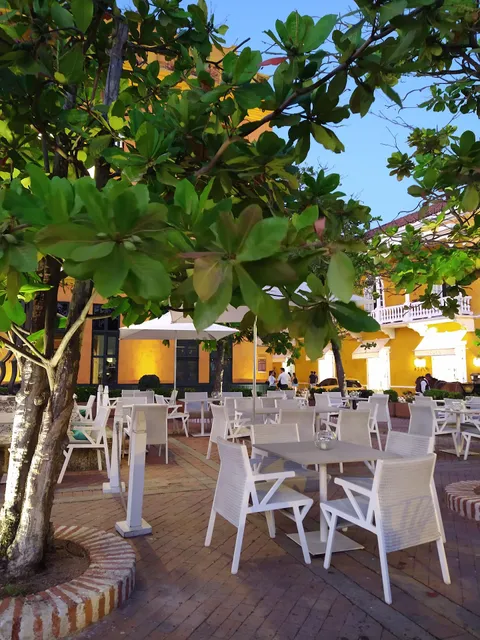
SAN PEDRO CAFE·MIRADOR RESTAURANTE
4.3
(865)
$$$
Closed
Click for details
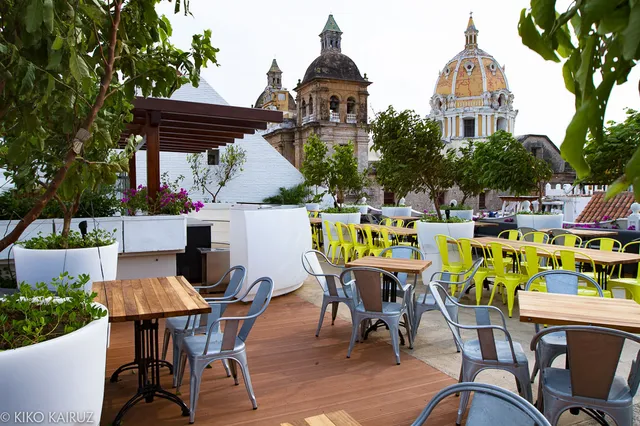
Crepes & Waffles
4.5
(3.9K)
Closed
Click for details
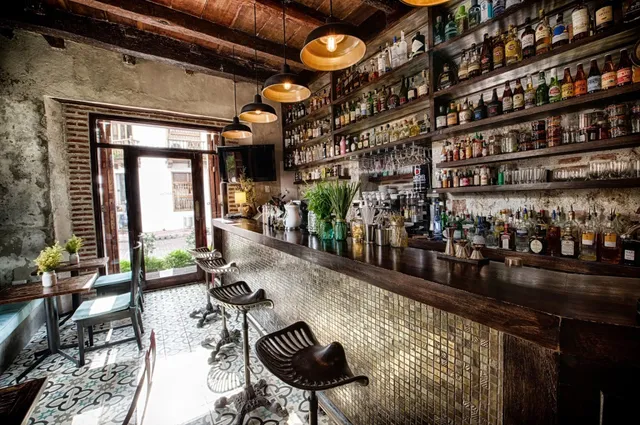
El Barón
4.6
(852)
$$
Closed
Click for details

Nia Bakery Coffee Shop & Cocktails
4.9
(821)
Open until 9:00 PM
Click for details
Nearby local services of Santuario de San Pedro Claver
Muelle de la Bodeguita
Parque de la Marina
Ciudad Amurallada Cartagena
Baluarte de San Ignacio
Free Tour Cartagena
Free Walking Tour Cartagena
Mister Emerald
Dulces Típicos del Portal Nancy
Joyería Santo Domingo Emerald Store Cartagena
Ábaco Libros y Café
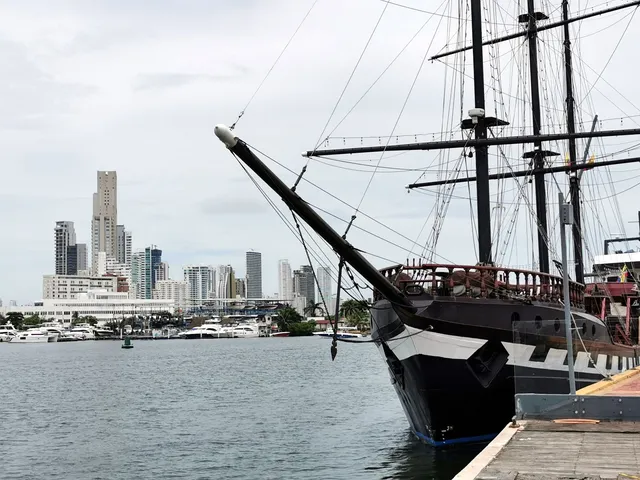
Muelle de la Bodeguita
4.5
(4.4K)
Click for details
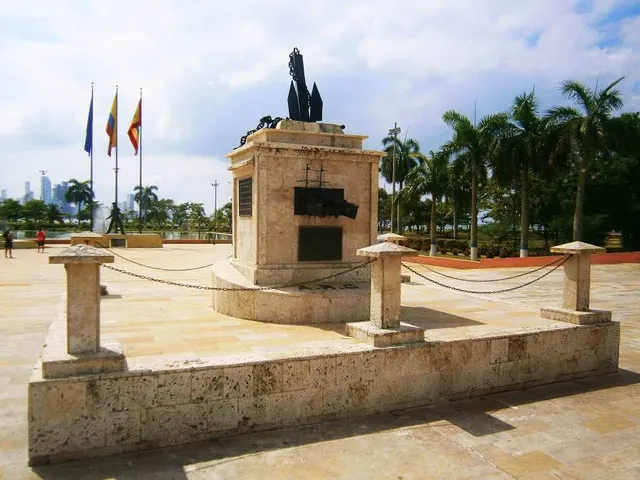
Parque de la Marina
4.4
(349)
Click for details
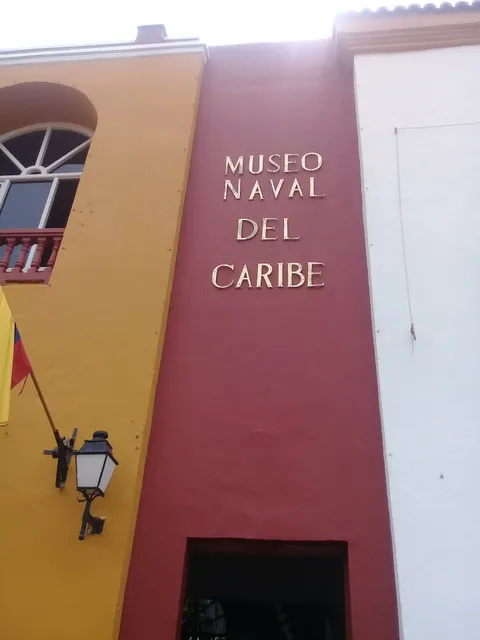
Ciudad Amurallada Cartagena
4.8
(1.0K)
Click for details
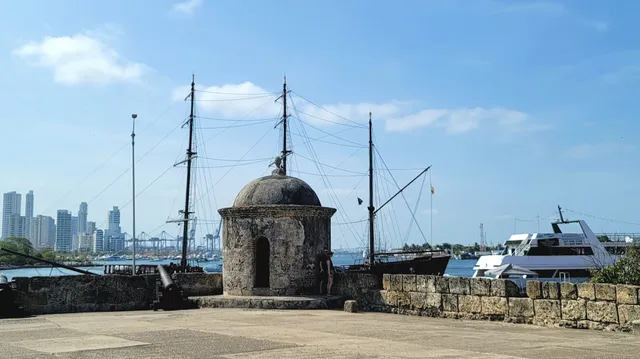
Baluarte de San Ignacio
4.8
(88)
Click for details