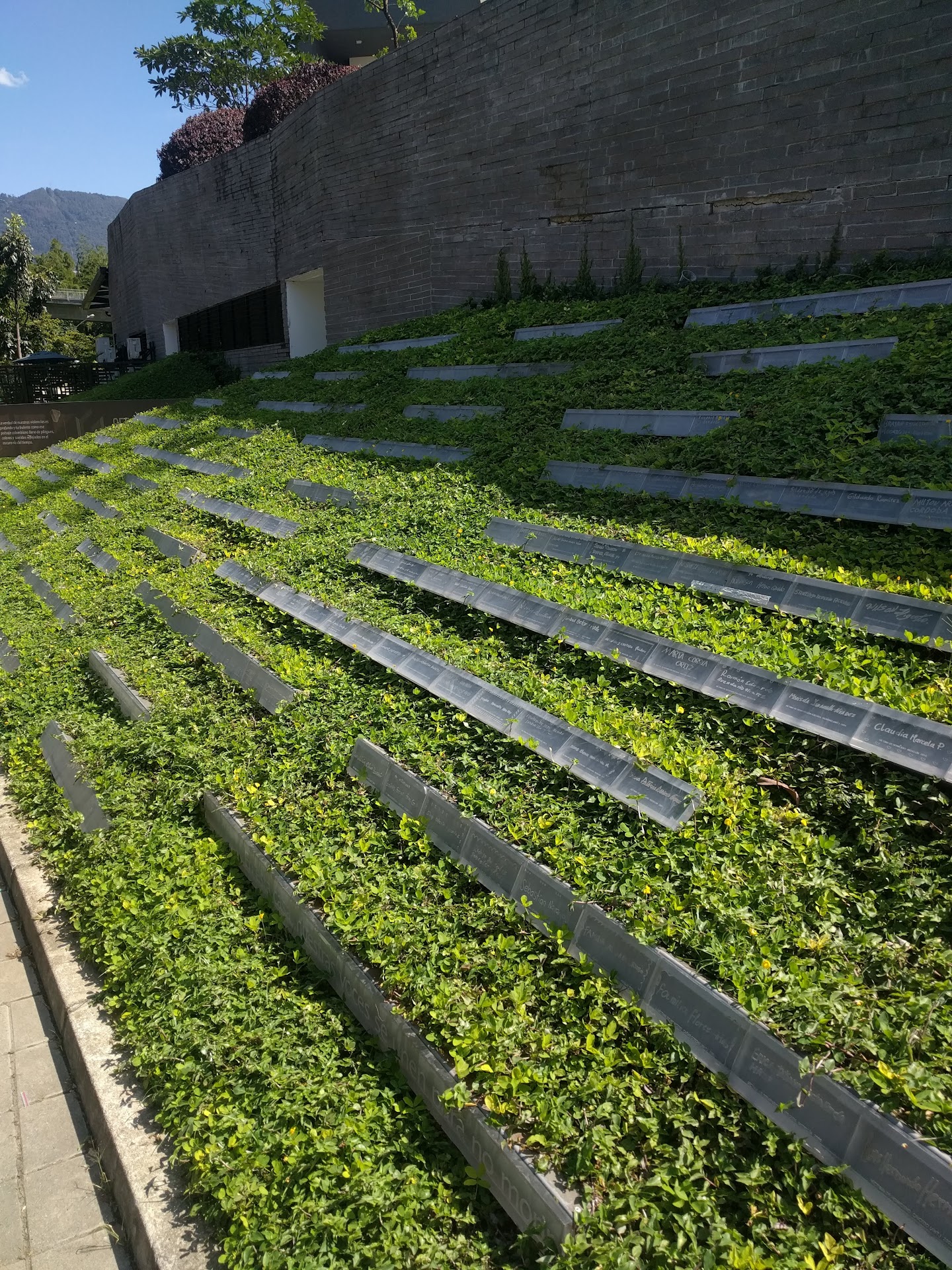
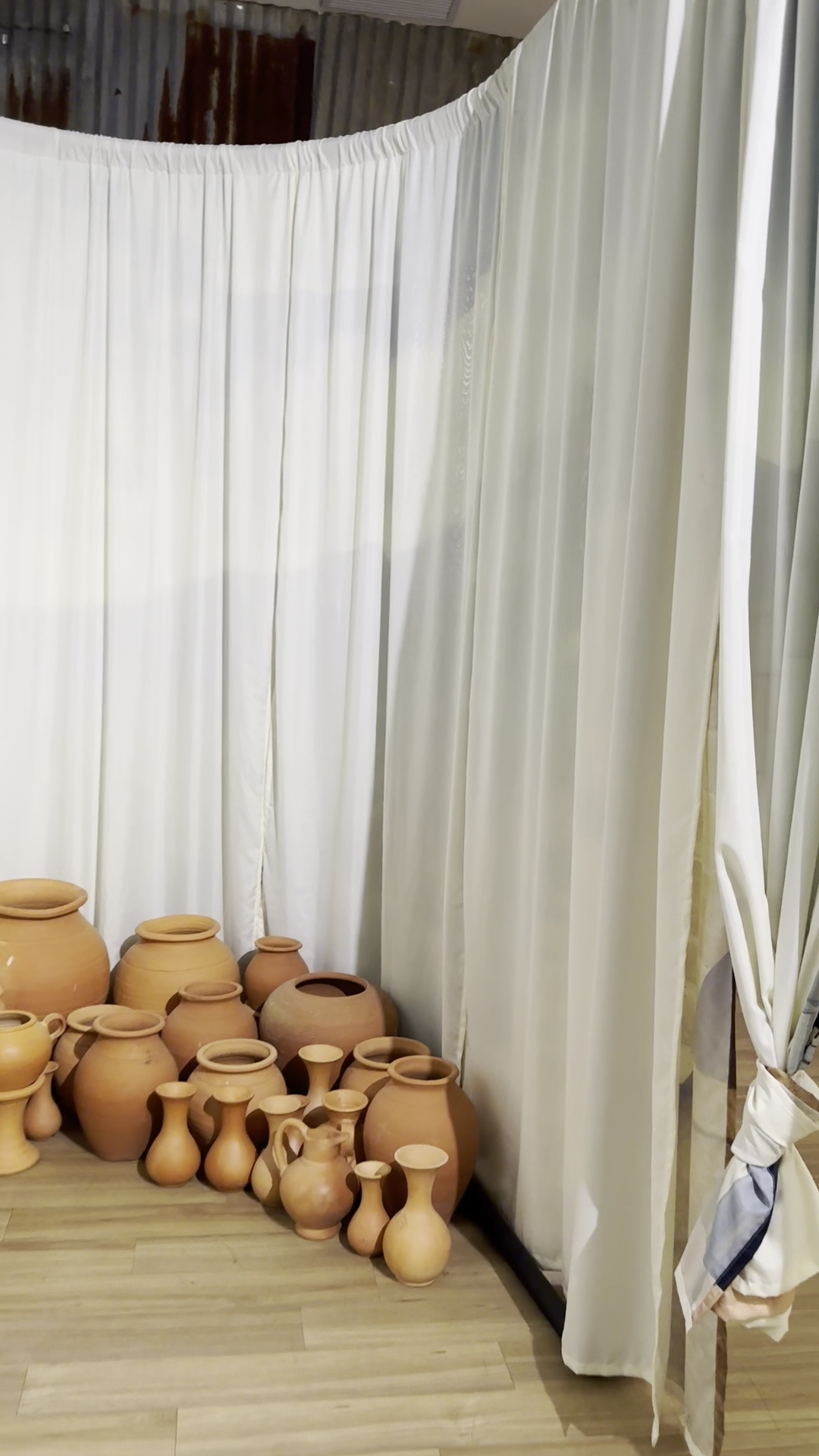
Memory House Museum things to do, attractions, restaurants, events info and trip planning

Basic Info
Memory House Museum
Parque Bicentenario, Cl. 51 #36-66, La Candelaria, Medellín, La Candelaria, Medellín, Antioquia, Colombia
4.6(3K)
Closed
Save
spot
spot
Ratings & Description
Info
Cultural
Accessibility
attractions: Bicentenario Park, Parque de Boston, Teatro Pablo Tobón Uribe, Obrero Park, Parque del Periodista, UVA de la Imaginación, Museo de Ciencias Naturales de La Salle, La Pascasia, Parroquia San José -Avenida Oriental-, Recreativo La Ladera Park, restaurants: Restaurante - En leña y al Carbón, Mercado de La Playa, La Ardilla Restaurante 24 Horas, La Estación restaurante y fonda by Rancho Rico, TERRA• arepas rellenas, Villamil Craft Beer, Bar Restaurante Antiguo Manhathan, CAFÉ FRUTAL, Pescadería, cevichería y restaurante La Isla, Arepamix, local businesses: Placita de Flórez, Centro Comercial Boulevard 49, Tranvía Plaza Centro Comercial, Obrero Park, MERKA FRUVER, Repostería Tentaciones, Supermercado santa elena, Tourism in Medellin, The Japanese Bakery, Centro comercial paseo de La Playa
 Learn more insights from Wanderboat AI.
Phone
+57 604 5202020
Website
museocasadelamemoria.gov.co
Open hoursSee all hours
Sat10 AM - 4 PMClosed
Plan your stay

Pet-friendly Hotels in Medellín
Find a cozy hotel nearby and make it a full experience.

Affordable Hotels in Medellín
Find a cozy hotel nearby and make it a full experience.

The Coolest Hotels You Haven't Heard Of (Yet)
Find a cozy hotel nearby and make it a full experience.

Trending Stays Worth the Hype in Medellín
Find a cozy hotel nearby and make it a full experience.
Reviews
Live events
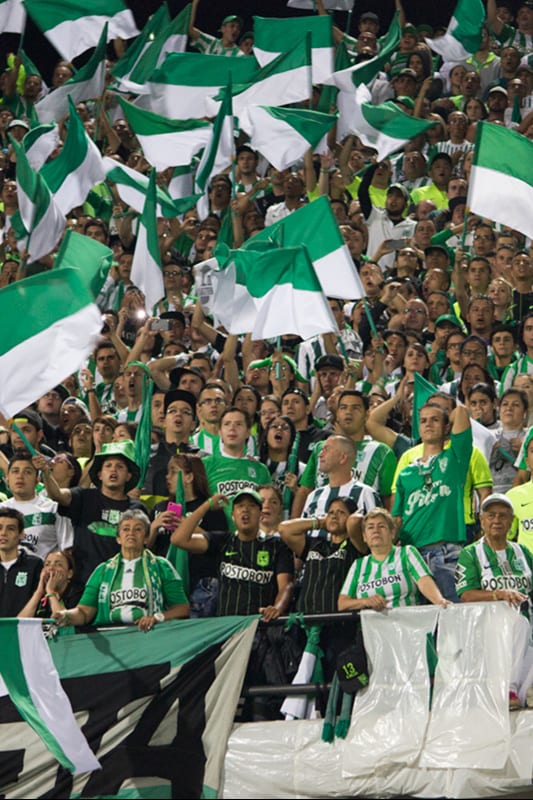
Soccer match tour, tickets and pre-game
Tue, Feb 24 • 5:15 PM
Medellín, Antioquia, Colombia
View details
Nearby attractions of Memory House Museum
Bicentenario Park
Parque de Boston
Teatro Pablo Tobón Uribe
Obrero Park
Parque del Periodista
UVA de la Imaginación
Museo de Ciencias Naturales de La Salle
La Pascasia
Parroquia San José -Avenida Oriental-
Recreativo La Ladera Park
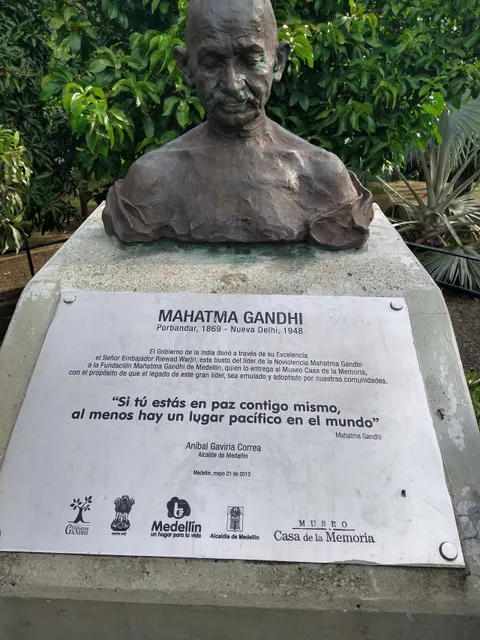
Bicentenario Park
4.3
(1.1K)
Open until 12:00 AM
Click for details
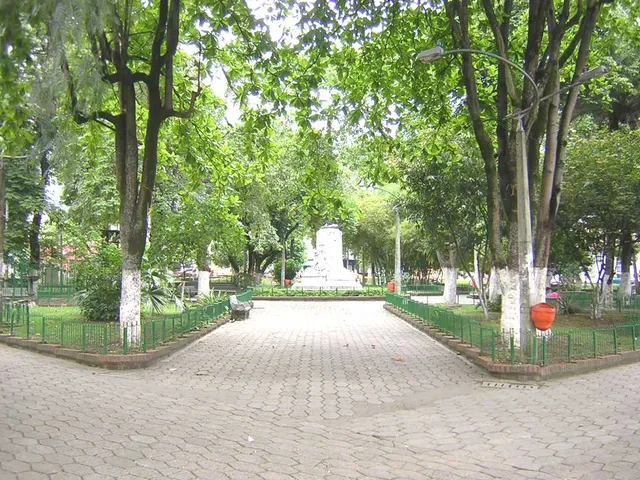
Parque de Boston
4.3
(5.7K)
Open until 12:00 AM
Click for details
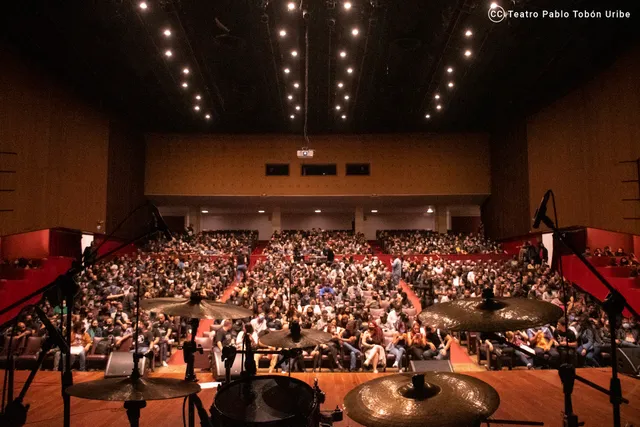
Teatro Pablo Tobón Uribe
4.7
(4.4K)
Open 24 hours
Click for details
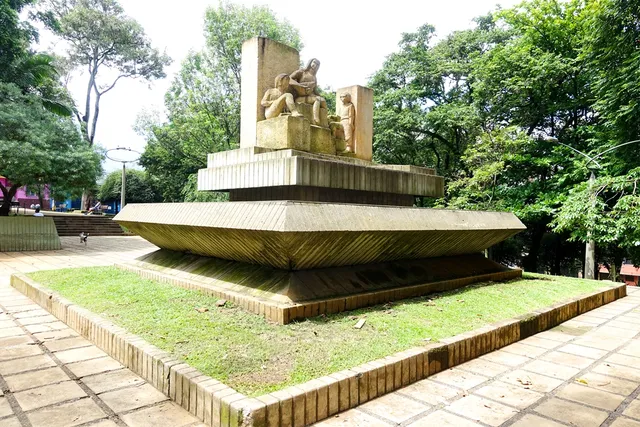
Obrero Park
4.3
(941)
Open until 12:00 AM
Click for details
Nearby restaurants of Memory House Museum
Restaurante - En leña y al Carbón
Mercado de La Playa
La Ardilla Restaurante 24 Horas
La Estación restaurante y fonda by Rancho Rico
TERRA• arepas rellenas
Villamil Craft Beer
Bar Restaurante Antiguo Manhathan
CAFÉ FRUTAL
Pescadería, cevichería y restaurante La Isla
Arepamix
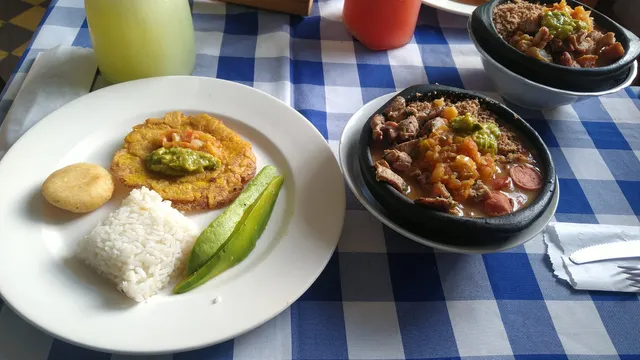
Restaurante - En leña y al Carbón
4.5
(160)
Open until 12:00 AM
Click for details
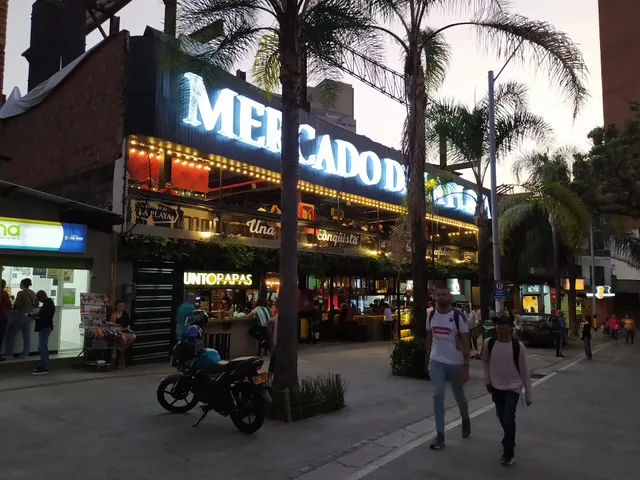
Mercado de La Playa
4.6
(1.7K)
Open until 12:00 AM
Click for details
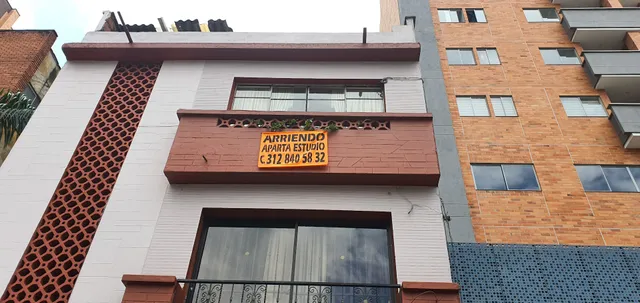
La Ardilla Restaurante 24 Horas
4.3
(352)
Open until 12:00 AM
Click for details
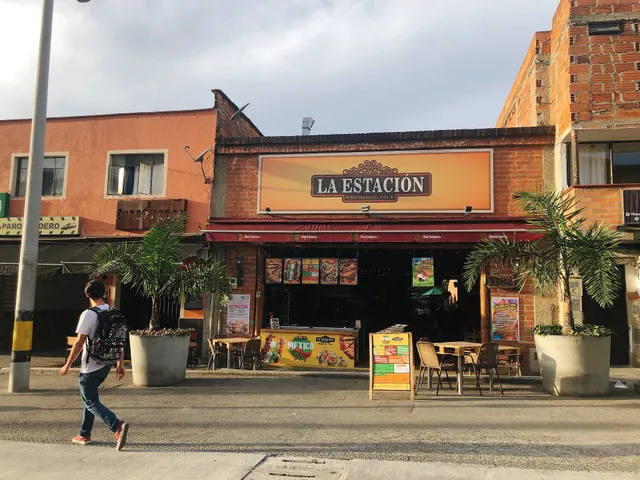
La Estación restaurante y fonda by Rancho Rico
4.5
(710)
Open until 12:00 AM
Click for details
Nearby local services of Memory House Museum
Placita de Flórez
Centro Comercial Boulevard 49
Tranvía Plaza Centro Comercial
Obrero Park
MERKA FRUVER
Repostería Tentaciones
Supermercado santa elena
Tourism in Medellin
The Japanese Bakery
Centro comercial paseo de La Playa
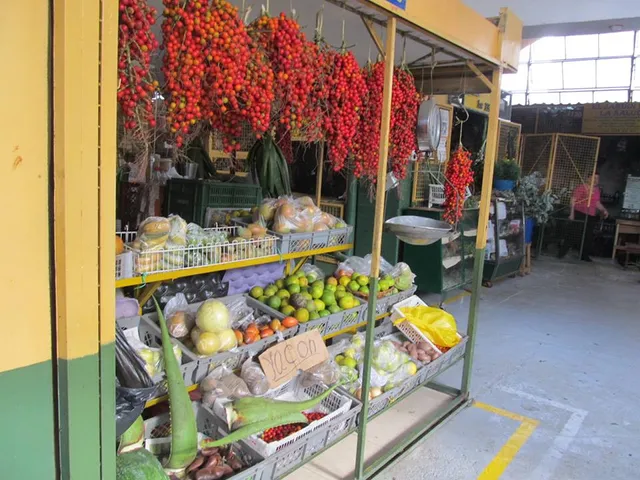
Placita de Flórez
4.5
(6.4K)
Click for details
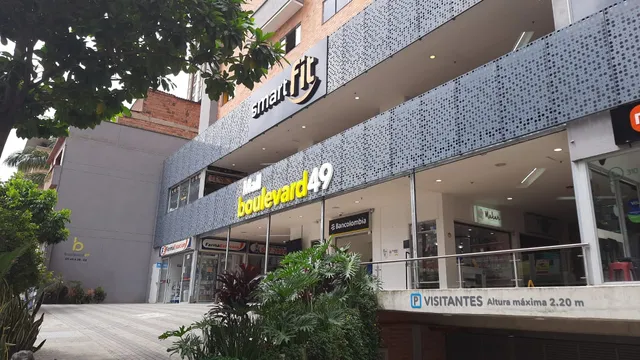
Centro Comercial Boulevard 49
4.5
(2.5K)
Click for details
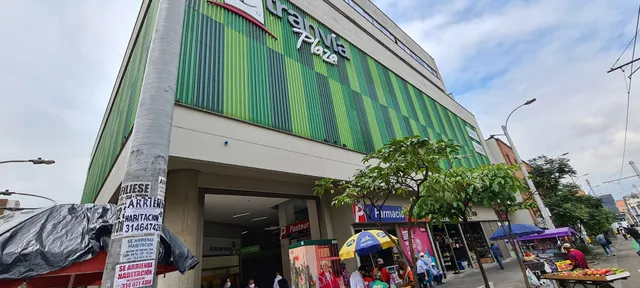
Tranvía Plaza Centro Comercial
4.4
(2.2K)
Click for details

Obrero Park
4.5
(2K)
Click for details