HTML SitemapExplore
logo
Find Things to DoFind The Best Restaurants

Castle Lednice — Attraction in okres Břeclav

Name
Castle Lednice
Description
Nearby attractions
Lednice Dávná
Zámecké nám. 68, 691 44 Lednice na Moravě, Czechia
Moorish waterworks
Park 433, 691 44 Lednice na Moravě, Czechia
Torture Museum
Cihlářská, 691 44 Lednice na Moravě, Czechia
Lednice–Valtice Cultural Landscape
691 44 Lednice na Moravě, Czechia
Nearby restaurants
Burgr's Club
21. dubna 694, 691 44 Lednice na Moravě, Czechia
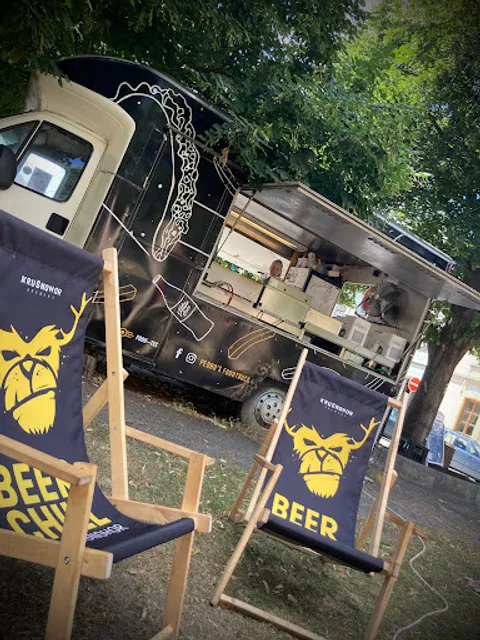
Pedro's Foodtruck
Zámecké nám., 691 44 Lednice na Moravě, Czechia
Restaurant U Tlustých
Pekařská 88, 691 44 Lednice na Moravě, Czechia
Stravovna
Zámecké nám. 70, 691 44 Lednice na Moravě, Czechia
Hospůdka U Korunky
Břeclavská 359, 691 44 Lednice na Moravě, Czechia
Nearby hotels
Chateau Hotel Lednice
Zámecké nám. 66, 691 44 Lednice na Moravě, Czechia
Hotel Mario
21. dubna 65, 691 44 Lednice na Moravě, Czechia
Princess Hotel
21. dubna 717, 691 44 Lednice na Moravě, Czechia
Penzion U Zámku
21. dubna 694, 691 44 Lednice na Moravě, Czechia
U Fábů
21. dubna 731, 691 44 Lednice na Moravě, Czechia
Resort Lednice - Eisgrub
Břeclavská 368, 691 44 Lednice na Moravě, Czechia
Pension Jordan
Malinovského 55, 691 44 Lednice na Moravě, Czechia
Ubytování u parku
21. dubna 519, 691 44 Lednice na Moravě, Czechia
Apartmán Lednice
21. dubna 733, 691 44 Lednice na Moravě, Czechia
HOTEL GALANT LEDNICE
21. dubna 657, 691 44 Lednice na Moravě, Czechia
Related posts
Keywords
Castle Lednice tourism.Castle Lednice hotels.Castle Lednice bed and breakfast. flights to Castle Lednice.Castle Lednice attractions.Castle Lednice restaurants.Castle Lednice travel.Castle Lednice travel guide.Castle Lednice travel blog.Castle Lednice pictures.Castle Lednice photos.Castle Lednice travel tips.Castle Lednice maps.Castle Lednice things to do.
Castle Lednice things to do, attractions, restaurants, events info and trip planning
Castle Lednice
CzechiaSoutheastokres BřeclavCastle Lednice

Basic Info

Castle Lednice

Zámek 1, 691 44 Lednice na Moravě, Czechia
4.8(9.4K)
Open 24 hours
Save
spot

Ratings & Description

Info

Cultural
Outdoor
Family friendly
attractions: Lednice Dávná, Moorish waterworks, Torture Museum, Lednice–Valtice Cultural Landscape, restaurants: Burgr's Club, Pedro's Foodtruck, Restaurant U Tlustých, Stravovna, Hospůdka U Korunky
logoLearn more insights from Wanderboat AI.
Phone
+420 519 340 128
Website
zamek-lednice.com

Plan your stay

hotel
Pet-friendly Hotels in okres Břeclav
Find a cozy hotel nearby and make it a full experience.
hotel
Affordable Hotels in okres Břeclav
Find a cozy hotel nearby and make it a full experience.
hotel
The Coolest Hotels You Haven't Heard Of (Yet)
Find a cozy hotel nearby and make it a full experience.
hotel
Trending Stays Worth the Hype in okres Břeclav
Find a cozy hotel nearby and make it a full experience.

Reviews

Nearby attractions of Castle Lednice

Lednice Dávná

Moorish waterworks

Torture Museum

Lednice–Valtice Cultural Landscape

Lednice Dávná

Lednice Dávná

4.7

(42)

Closed
Click for details
Moorish waterworks

Moorish waterworks

4.0

(74)

Open 24 hours
Click for details
Torture Museum

Torture Museum

4.7

(367)

Open 24 hours
Click for details
Lednice–Valtice Cultural Landscape

Lednice–Valtice Cultural Landscape

4.8

(10.2K)

Open 24 hours
Click for details

Nearby restaurants of Castle Lednice

Burgr's Club

Pedro's Foodtruck

Restaurant U Tlustých

Stravovna

Hospůdka U Korunky

Burgr's Club

Burgr's Club

4.7

(2.1K)

Click for details
Pedro's Foodtruck

Pedro's Foodtruck

4.8

(293)

Click for details
Restaurant U Tlustých

Restaurant U Tlustých

4.3

(2.6K)

$$$

Click for details
Stravovna

Stravovna

3.8

(272)

Click for details
Get the Appoverlay
Get the AppOne tap to find yournext favorite spots!
Wanderboat LogoWanderboat

Your everyday Al companion for getaway ideas

CompanyAbout Us
InformationAI Trip PlannerSitemap
SocialXInstagramTiktokLinkedin
LegalTerms of ServicePrivacy Policy

Get the app

© 2025 Wanderboat. All rights reserved.
logo

Reviews of Castle Lednice

4.8
(9,448)
avatar
5.0
1y

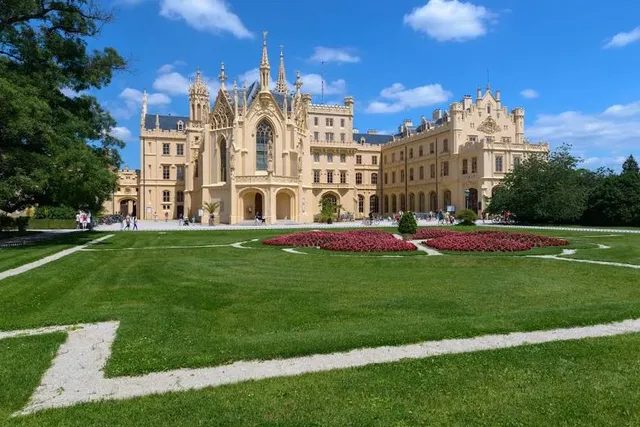
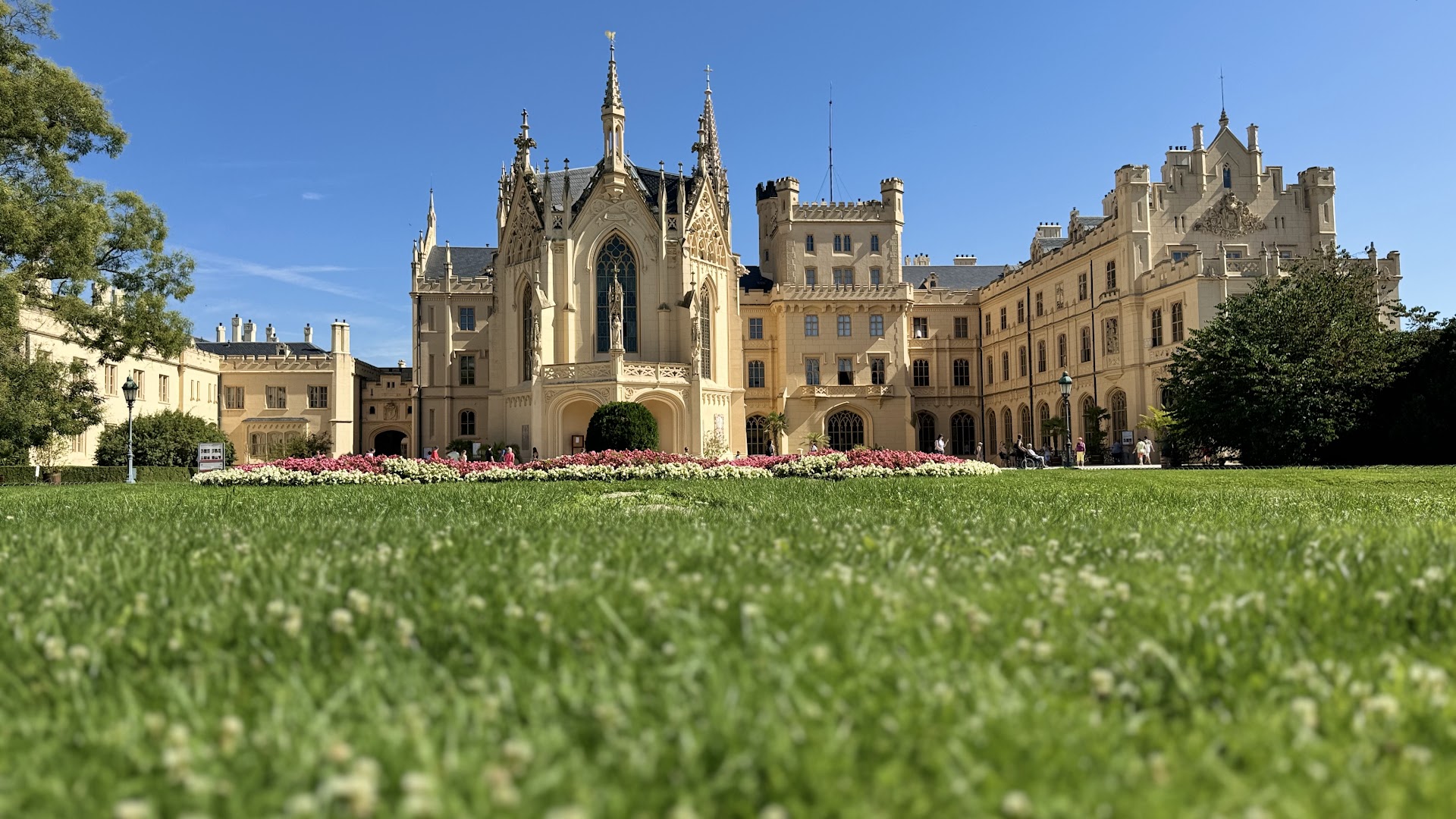
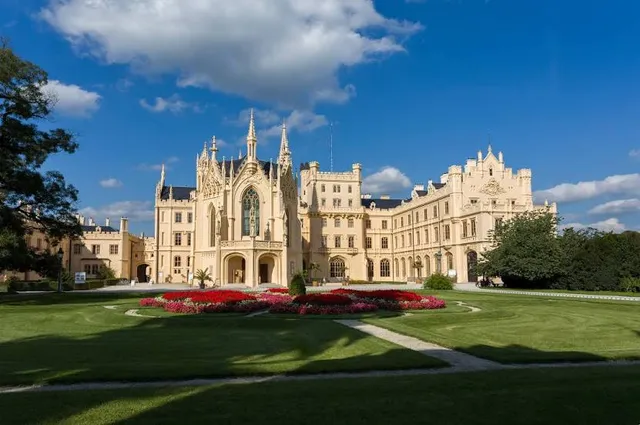
Visit the beauty of Lednice Castle, which is part of the Lednice-Valtice area. Prince Alois II of Lichteinstein had Lednice rebuilt into a representative summer residence in the spirit of English Gothic. Today the whole Lednice-Valtice area is part of UNESCO. For holding grand meetings of the European nobility, representative halls with carved ceilings, wooden wall panelling and exquisite furnishings were used, which are unparalleled in Europe. The first historical record of the site dates back to 1222. At that time there was most probably a Gothic fortress with a manor house. It was not until the 16th century that the medieval water fortress was demolished and replaced by a Renaissance castle built by Hartmann II of Liechtenstein. At the end of the 17th century, it was replaced by a Baroque mansion with a large, architecturally designed garden and a monumental riding hall designed by Jan Bernard Fischer of Erlach. Today's appearance dates back to the mid-19th century, when Prince Alois II of Liechtenstein had Lednice rebuilt as a representative summer residence in the spirit of English Gothic, so that he could host grand meetings of European nobility. For this purpose, the representative halls located on the ground floor of the castle were used. They were furnished with carved ceilings, wooden wall panelling and exquisite furnishings unparalleled in Europe.

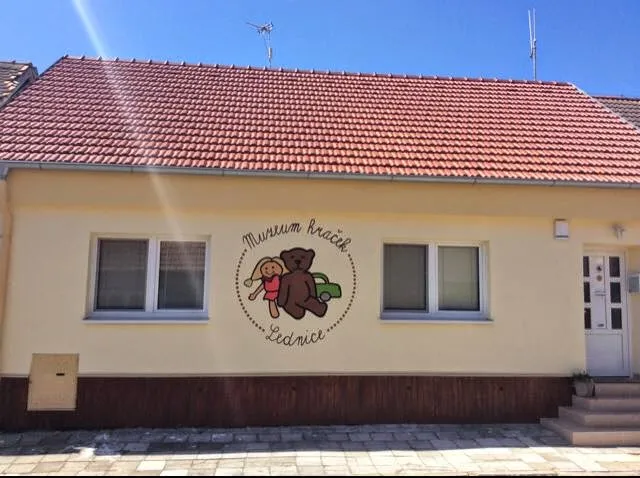
At the chateau, you can choose from four tour routes - the representative halls on the ground floor of the chateau, the princely apartments and the apartment of the princely tutors on the first floor of the chateau, the children's rooms of princes and princesses and the Milan Knížák Puppet Museum on the second floor of the chateau, and the artificial Baroque stalactite cave with an exhibition of ghosts. Technology lovers will be delighted by the tours of the technical facilities on Route IV.

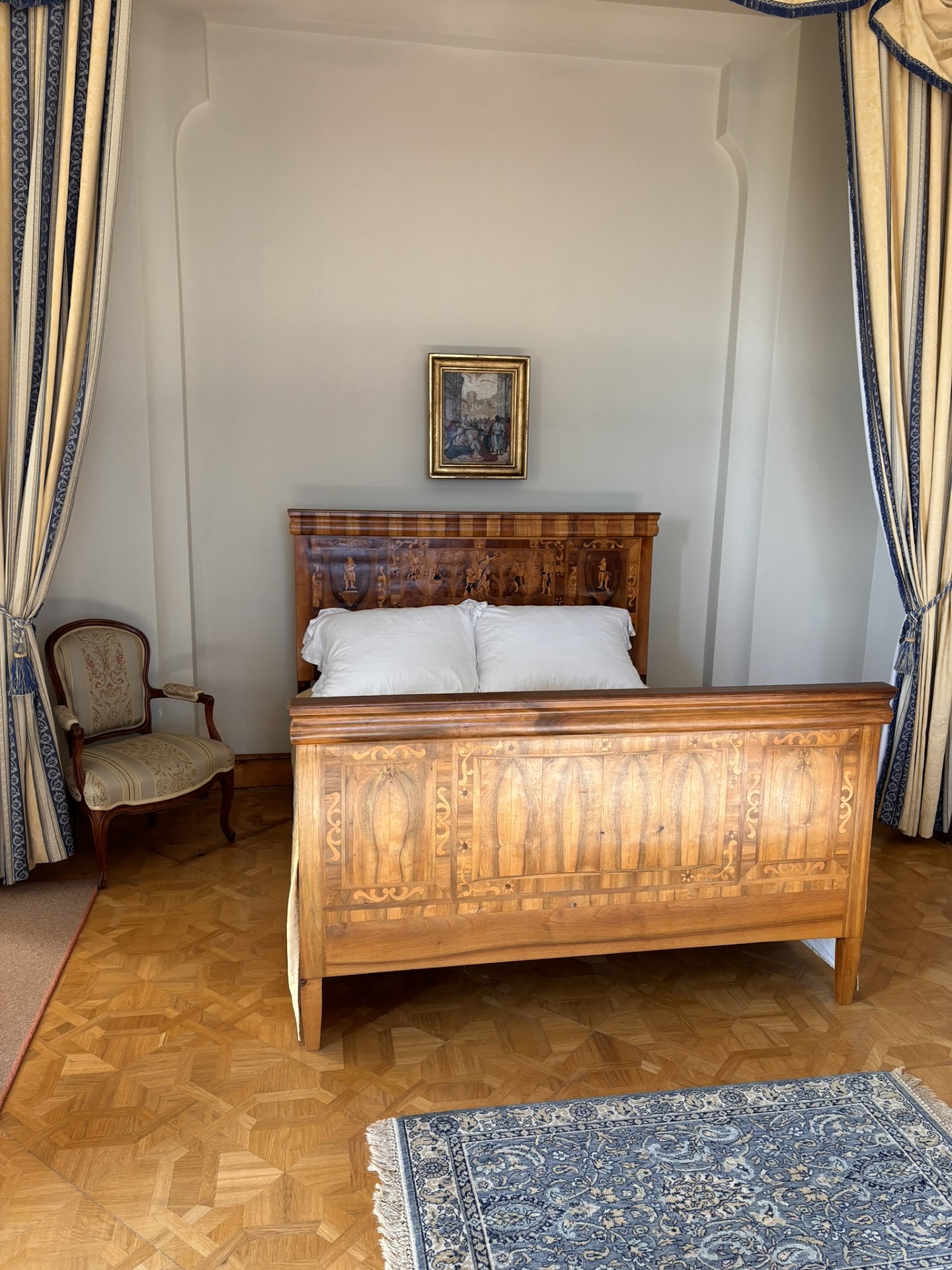
Tour route I - the representative halls on the ground floor of the chateau - used to host social events, balls and balls Tour route II - the princely apartments on the first floor of the chateau - they served as private rooms of the princely family until 1945 III. tour route - children's rooms of princes and princesses and the Milan Knížák Puppet Museum on the second floor of the castle IV. tour route - technical uniquenesses of the 19th and 20th centuries and the Grotto - an artificial Baroque stalactite cave with an exposition on wine

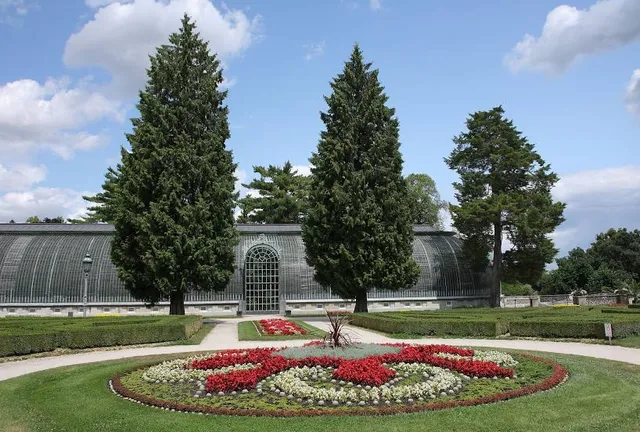
The perfect frame for the chateau is the French garden and the extensive landscape park, one of the largest in the Czech Republic. It contains remarkable decorative buildings such as the Temple of Apollo, completed in 1819, the Empire-style Temple of the Three Graces (1825), the artificial ruins of John's Castle and the Border Chateau (1827) on the former Moravian-Austrian border. In sight of the castle, a graceful minaret, a unique architectural monument built according to a design by Josef Hardmuth in 1797-1804, stands out from the rich greenery of the park.

The publicly accessible rooms on the ground floor of the chateau are particularly notable for their carved decoration, especially the library with its magnificent spindle staircase, the imposing entrance hall and the beautiful ceilings and lower wall panelling of the Turquoise, Red and Blue Rooms.

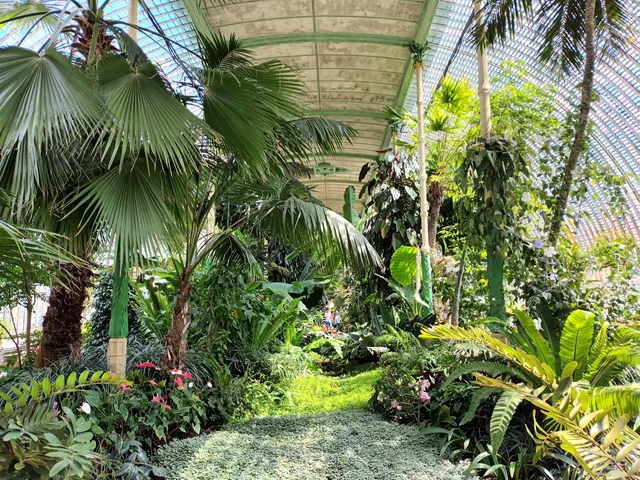
Thanks to the ever-increasing interest of the public in so-called park tourism, educators from the local Faculty of Horticulture at Mendel University guide those interested in nature through the park. There will be two walking tours to choose from. The guides will be happy to take you through the French Garden of the park and introduce you not only to the most interesting trees and plants of the park, but above all they will present the park as a living work of art. You can also visit the palm greenhouse or the Masonic Garden.

Travelling without barriers. Only the 1st tour circuit (3 low stairs to the ticket office - a ramp is available) and the greenhouse (allowing access through the side entrance) have barrier-free access at the castle. The extensive castle park is...

   Read more
avatar
3.0
2y

Overall the castle, the gardens and all the surrounding areas are beautiful, but it is insane how poor their English is. We found one cashier who at least speaks German. Otherwise zero foreign language knowledge. I think it is totally unfair that foreigners have to pay the same entrance fee as locals, yet there is no guided tour in other languages, but Czech. Whenever the tour guide shows something around (e.g., a photo) they do not even bother to try explain in English in 2-3 words what it is. The written material (we used the QR code version) does not 100% accurate, e.g., in the main tour there was a description about the goats, yet one of them was a unicorn. The guide was talking about that for 5 minutes and there was not a single word about it in the Hungarian description. Maybe the English version is more accurate, but I doubt. There is no free toilet in the entire area, and you can only pay in cash for that. Somewhat ridiculous as the entrance fees are quite expensive. And there is no discount if you want to visit everything. Also the cashier lady just left us there as she only spoke Czech and we did not understand what she was asking (she was over 60 or 65...). Finally a younger lady came who spoke some basic English, so we could...

   Read more
avatar
3.0
1y

Been there at the end of the season (October), was not too crowded and I was able to make some exceptional photos :) On the plus side: nice architecture, big and well maintained parks and gardens, lots to see even if not going inside the buildings to see the exhibitions. For sure helps if you are there on a nice sunny day... and make sure to reserve at least half a day for this (it took me five hours to cover everything I wanted to see).

Why three stars only? Well, could not get rid of the feeling they just want to take as many of your €€s (or Kronas) as possible... Parking, 300 (daily rate) or 40 (hourly rate). Four types of exhibitions, 300 each, pay extra for this, pay extra for that, pay extra even for the toilet... (make sure to have the local currency with you, if paying with euros you will get quite shitty exch. rate, e.g. 60 czk is 3€ according to them, not 2,4€).

I saw only one exhibition - not sure why, but whole day only CZ language tours were available. Alternative was an booklet in English, no audio book or similar... Imagine going around the exhibition and reading as mental. Fortunately guide took mercy on us non-CZ speaking (four participants) and besides CZ language (two participants) also did EN...

   Read more
Page 1 of 7
Previous
Next

Posts

Lukas CernyLukas Cerny
Visit the beauty of Lednice Castle, which is part of the Lednice-Valtice area. Prince Alois II of Lichteinstein had Lednice rebuilt into a representative summer residence in the spirit of English Gothic. Today the whole Lednice-Valtice area is part of UNESCO. For holding grand meetings of the European nobility, representative halls with carved ceilings, wooden wall panelling and exquisite furnishings were used, which are unparalleled in Europe. The first historical record of the site dates back to 1222. At that time there was most probably a Gothic fortress with a manor house. It was not until the 16th century that the medieval water fortress was demolished and replaced by a Renaissance castle built by Hartmann II of Liechtenstein. At the end of the 17th century, it was replaced by a Baroque mansion with a large, architecturally designed garden and a monumental riding hall designed by Jan Bernard Fischer of Erlach. Today's appearance dates back to the mid-19th century, when Prince Alois II of Liechtenstein had Lednice rebuilt as a representative summer residence in the spirit of English Gothic, so that he could host grand meetings of European nobility. For this purpose, the representative halls located on the ground floor of the castle were used. They were furnished with carved ceilings, wooden wall panelling and exquisite furnishings unparalleled in Europe. At the chateau, you can choose from four tour routes - the representative halls on the ground floor of the chateau, the princely apartments and the apartment of the princely tutors on the first floor of the chateau, the children's rooms of princes and princesses and the Milan Knížák Puppet Museum on the second floor of the chateau, and the artificial Baroque stalactite cave with an exhibition of ghosts. Technology lovers will be delighted by the tours of the technical facilities on Route IV. Tour route I - the representative halls on the ground floor of the chateau - used to host social events, balls and balls Tour route II - the princely apartments on the first floor of the chateau - they served as private rooms of the princely family until 1945 III. tour route - children's rooms of princes and princesses and the Milan Knížák Puppet Museum on the second floor of the castle IV. tour route - technical uniquenesses of the 19th and 20th centuries and the Grotto - an artificial Baroque stalactite cave with an exposition on wine The perfect frame for the chateau is the French garden and the extensive landscape park, one of the largest in the Czech Republic. It contains remarkable decorative buildings such as the Temple of Apollo, completed in 1819, the Empire-style Temple of the Three Graces (1825), the artificial ruins of John's Castle and the Border Chateau (1827) on the former Moravian-Austrian border. In sight of the castle, a graceful minaret, a unique architectural monument built according to a design by Josef Hardmuth in 1797-1804, stands out from the rich greenery of the park. The publicly accessible rooms on the ground floor of the chateau are particularly notable for their carved decoration, especially the library with its magnificent spindle staircase, the imposing entrance hall and the beautiful ceilings and lower wall panelling of the Turquoise, Red and Blue Rooms. Thanks to the ever-increasing interest of the public in so-called park tourism, educators from the local Faculty of Horticulture at Mendel University guide those interested in nature through the park. There will be two walking tours to choose from. The guides will be happy to take you through the French Garden of the park and introduce you not only to the most interesting trees and plants of the park, but above all they will present the park as a living work of art. You can also visit the palm greenhouse or the Masonic Garden. Travelling without barriers. Only the 1st tour circuit (3 low stairs to the ticket office - a ramp is available) and the greenhouse (allowing access through the side entrance) have barrier-free access at the castle. The extensive castle park is also accessible.
Ivan VidmarIvan Vidmar
Been there at the end of the season (October), was not too crowded and I was able to make some exceptional photos :) On the plus side: nice architecture, big and well maintained parks and gardens, lots to see even if not going inside the buildings to see the exhibitions. For sure helps if you are there on a nice sunny day... and make sure to reserve at least half a day for this (it took me five hours to cover everything I wanted to see). Why three stars only? Well, could not get rid of the feeling they just want to take as many of your €€s (or Kronas) as possible... Parking, 300 (daily rate) or 40 (hourly rate). Four types of exhibitions, 300 each, pay extra for this, pay extra for that, pay extra even for the toilet... (make sure to have the local currency with you, if paying with euros you will get quite shitty exch. rate, e.g. 60 czk is 3€ according to them, not 2,4€). I saw only one exhibition - not sure why, but whole day only CZ language tours were available. Alternative was an booklet in English, no audio book or similar... Imagine going around the exhibition and reading as mental. Fortunately guide took mercy on us non-CZ speaking (four participants) and besides CZ language (two participants) also did EN explanation...
ROM KROM K
Посёлок Леднице впервые упоминается в летописях за 1222 год. Местные вельможи Адамар и Липерт соорудили небольшую крепость, которая должна была охранять мост через реку Дие. В исторических документах, касающихся этого замка, с 1222 по 1414 год встречается немецкое название Eissgrube (Айсгруб), то есть «ледяная яма, ледник». С 1412 года замок стали называть Леднице, благодаря протекающей рядом реке Дие и её вечно холодным водам. В 1249 году король Чехии Вацлав I предоставил небольшую крепость в пользование австрийскому дворянину Зигфриду Сиротке. В 1332 г. поселение перешло представителям рода Лихтенштейнов, которым Леднице и принадлежало до конца Второй мировой войны. Уже в XVI веке (при Хартманне Лихтенштейне) средневековая крепость была снесена, и её заменил замок в стиле ренессанс. В это же время Ледницкий замок был объединен в один комплекс с находящимся по соседству Валтицким замком, который Лихтенштейны купили в 1395 г. В период Тридцатилетней войны (с 1618 по 1648 год) замок серьезно пострадал от нападений шведских войск. Все это заставило Лихтенштейнов после окончания войны провести масштабную реконструкцию всего комплекса — уничтоженные объекты были полностью отстроены и превращены в барочную резиденцию. Реконструкция продолжалась до 1730г., над проектом работали известный архитектор Йоганн Бернард Фишер из Эрлаха, а впоследствии – Доменико Мартинелли из Лукки – от этого проекта в нетронутом виде остались лишь крыло замка, в котором располагались конюшни и манеж. Тогда же в замковом комплексе между двумя резиденциями был основан огромный парк. Во второй половине XVIII века была проведена новая реконструкция замка, и в 1815 г. были устранены его боковые крылья. В 1837 году князь Алоиз II унаследовал замок Леднице. Князь провел много времени в Англии и видел, как дворянское общество может закрепить свои позиции в обществе, где правит буржуазия. В то время модным веянием в строительстве стала неоготика. В 1848 году князь Лихтенштейн решил перестроить свою усадьбу Леднице в неоготическом стиле. Свой современный облик замок получил после перестройки в неоготическом стиле тюдорского типа в 1846 – 1858 годы. Автором проекта тогда был венский архитектор Георг Вингельмюллер. Он оставил невредимыми барочные стены замков, однако заново отделал фасады, дополнив их различными элементами – балкончиками, арками, колоннами, башенками. Этот же стиль поддерживается и в интерьерах. Тогда князь Алоиз II Лихтенштейн решил, что Вена не подходит для проведения в ней летних торжеств, и приказал переделать Леднице в представительскую резиденцию. Вингельмюллер поэтому и посетил Англию, где познакомился с неоготическими замками и использовал их как образец своего проекта. Эта перестройка превратила замок Леднице, как часто говорят, в «романтическое чудо Чехии» или «неоготическую жемчужину Чехии». После Второй мировой войны Лихтенштейны были вынуждены из-за обвинений в связях с фашистами эмигрировать, вывезя при этом большинство ценных вещей из замка. Под управлением Лихтенштейнов замок оставался вплоть до национализации в 1945 году. С этого года замок является собственностью государства, и управляет им Министерство культуры Чешской Республики посредством Национального института памятников.
See more posts
See more posts
hotel
Find your stay

Pet-friendly Hotels in okres Břeclav

Find a cozy hotel nearby and make it a full experience.

Visit the beauty of Lednice Castle, which is part of the Lednice-Valtice area. Prince Alois II of Lichteinstein had Lednice rebuilt into a representative summer residence in the spirit of English Gothic. Today the whole Lednice-Valtice area is part of UNESCO. For holding grand meetings of the European nobility, representative halls with carved ceilings, wooden wall panelling and exquisite furnishings were used, which are unparalleled in Europe. The first historical record of the site dates back to 1222. At that time there was most probably a Gothic fortress with a manor house. It was not until the 16th century that the medieval water fortress was demolished and replaced by a Renaissance castle built by Hartmann II of Liechtenstein. At the end of the 17th century, it was replaced by a Baroque mansion with a large, architecturally designed garden and a monumental riding hall designed by Jan Bernard Fischer of Erlach. Today's appearance dates back to the mid-19th century, when Prince Alois II of Liechtenstein had Lednice rebuilt as a representative summer residence in the spirit of English Gothic, so that he could host grand meetings of European nobility. For this purpose, the representative halls located on the ground floor of the castle were used. They were furnished with carved ceilings, wooden wall panelling and exquisite furnishings unparalleled in Europe. At the chateau, you can choose from four tour routes - the representative halls on the ground floor of the chateau, the princely apartments and the apartment of the princely tutors on the first floor of the chateau, the children's rooms of princes and princesses and the Milan Knížák Puppet Museum on the second floor of the chateau, and the artificial Baroque stalactite cave with an exhibition of ghosts. Technology lovers will be delighted by the tours of the technical facilities on Route IV. Tour route I - the representative halls on the ground floor of the chateau - used to host social events, balls and balls Tour route II - the princely apartments on the first floor of the chateau - they served as private rooms of the princely family until 1945 III. tour route - children's rooms of princes and princesses and the Milan Knížák Puppet Museum on the second floor of the castle IV. tour route - technical uniquenesses of the 19th and 20th centuries and the Grotto - an artificial Baroque stalactite cave with an exposition on wine The perfect frame for the chateau is the French garden and the extensive landscape park, one of the largest in the Czech Republic. It contains remarkable decorative buildings such as the Temple of Apollo, completed in 1819, the Empire-style Temple of the Three Graces (1825), the artificial ruins of John's Castle and the Border Chateau (1827) on the former Moravian-Austrian border. In sight of the castle, a graceful minaret, a unique architectural monument built according to a design by Josef Hardmuth in 1797-1804, stands out from the rich greenery of the park. The publicly accessible rooms on the ground floor of the chateau are particularly notable for their carved decoration, especially the library with its magnificent spindle staircase, the imposing entrance hall and the beautiful ceilings and lower wall panelling of the Turquoise, Red and Blue Rooms. Thanks to the ever-increasing interest of the public in so-called park tourism, educators from the local Faculty of Horticulture at Mendel University guide those interested in nature through the park. There will be two walking tours to choose from. The guides will be happy to take you through the French Garden of the park and introduce you not only to the most interesting trees and plants of the park, but above all they will present the park as a living work of art. You can also visit the palm greenhouse or the Masonic Garden. Travelling without barriers. Only the 1st tour circuit (3 low stairs to the ticket office - a ramp is available) and the greenhouse (allowing access through the side entrance) have barrier-free access at the castle. The extensive castle park is also accessible.
Lukas Cerny

Lukas Cerny

hotel
Find your stay

Affordable Hotels in okres Břeclav

Find a cozy hotel nearby and make it a full experience.

Get the Appoverlay
Get the AppOne tap to find yournext favorite spots!
Been there at the end of the season (October), was not too crowded and I was able to make some exceptional photos :) On the plus side: nice architecture, big and well maintained parks and gardens, lots to see even if not going inside the buildings to see the exhibitions. For sure helps if you are there on a nice sunny day... and make sure to reserve at least half a day for this (it took me five hours to cover everything I wanted to see). Why three stars only? Well, could not get rid of the feeling they just want to take as many of your €€s (or Kronas) as possible... Parking, 300 (daily rate) or 40 (hourly rate). Four types of exhibitions, 300 each, pay extra for this, pay extra for that, pay extra even for the toilet... (make sure to have the local currency with you, if paying with euros you will get quite shitty exch. rate, e.g. 60 czk is 3€ according to them, not 2,4€). I saw only one exhibition - not sure why, but whole day only CZ language tours were available. Alternative was an booklet in English, no audio book or similar... Imagine going around the exhibition and reading as mental. Fortunately guide took mercy on us non-CZ speaking (four participants) and besides CZ language (two participants) also did EN explanation...
Ivan Vidmar

Ivan Vidmar

hotel
Find your stay

The Coolest Hotels You Haven't Heard Of (Yet)

Find a cozy hotel nearby and make it a full experience.

hotel
Find your stay

Trending Stays Worth the Hype in okres Břeclav

Find a cozy hotel nearby and make it a full experience.

Посёлок Леднице впервые упоминается в летописях за 1222 год. Местные вельможи Адамар и Липерт соорудили небольшую крепость, которая должна была охранять мост через реку Дие. В исторических документах, касающихся этого замка, с 1222 по 1414 год встречается немецкое название Eissgrube (Айсгруб), то есть «ледяная яма, ледник». С 1412 года замок стали называть Леднице, благодаря протекающей рядом реке Дие и её вечно холодным водам. В 1249 году король Чехии Вацлав I предоставил небольшую крепость в пользование австрийскому дворянину Зигфриду Сиротке. В 1332 г. поселение перешло представителям рода Лихтенштейнов, которым Леднице и принадлежало до конца Второй мировой войны. Уже в XVI веке (при Хартманне Лихтенштейне) средневековая крепость была снесена, и её заменил замок в стиле ренессанс. В это же время Ледницкий замок был объединен в один комплекс с находящимся по соседству Валтицким замком, который Лихтенштейны купили в 1395 г. В период Тридцатилетней войны (с 1618 по 1648 год) замок серьезно пострадал от нападений шведских войск. Все это заставило Лихтенштейнов после окончания войны провести масштабную реконструкцию всего комплекса — уничтоженные объекты были полностью отстроены и превращены в барочную резиденцию. Реконструкция продолжалась до 1730г., над проектом работали известный архитектор Йоганн Бернард Фишер из Эрлаха, а впоследствии – Доменико Мартинелли из Лукки – от этого проекта в нетронутом виде остались лишь крыло замка, в котором располагались конюшни и манеж. Тогда же в замковом комплексе между двумя резиденциями был основан огромный парк. Во второй половине XVIII века была проведена новая реконструкция замка, и в 1815 г. были устранены его боковые крылья. В 1837 году князь Алоиз II унаследовал замок Леднице. Князь провел много времени в Англии и видел, как дворянское общество может закрепить свои позиции в обществе, где правит буржуазия. В то время модным веянием в строительстве стала неоготика. В 1848 году князь Лихтенштейн решил перестроить свою усадьбу Леднице в неоготическом стиле. Свой современный облик замок получил после перестройки в неоготическом стиле тюдорского типа в 1846 – 1858 годы. Автором проекта тогда был венский архитектор Георг Вингельмюллер. Он оставил невредимыми барочные стены замков, однако заново отделал фасады, дополнив их различными элементами – балкончиками, арками, колоннами, башенками. Этот же стиль поддерживается и в интерьерах. Тогда князь Алоиз II Лихтенштейн решил, что Вена не подходит для проведения в ней летних торжеств, и приказал переделать Леднице в представительскую резиденцию. Вингельмюллер поэтому и посетил Англию, где познакомился с неоготическими замками и использовал их как образец своего проекта. Эта перестройка превратила замок Леднице, как часто говорят, в «романтическое чудо Чехии» или «неоготическую жемчужину Чехии». После Второй мировой войны Лихтенштейны были вынуждены из-за обвинений в связях с фашистами эмигрировать, вывезя при этом большинство ценных вещей из замка. Под управлением Лихтенштейнов замок оставался вплоть до национализации в 1945 году. С этого года замок является собственностью государства, и управляет им Министерство культуры Чешской Республики посредством Национального института памятников.
ROM K

ROM K

See more posts
See more posts