HTML SitemapExplore
logo
Find Things to DoFind The Best Restaurants

Qaitbay Citadel — Attraction in Alexandria

Name
Qaitbay Citadel
Description
Nearby attractions
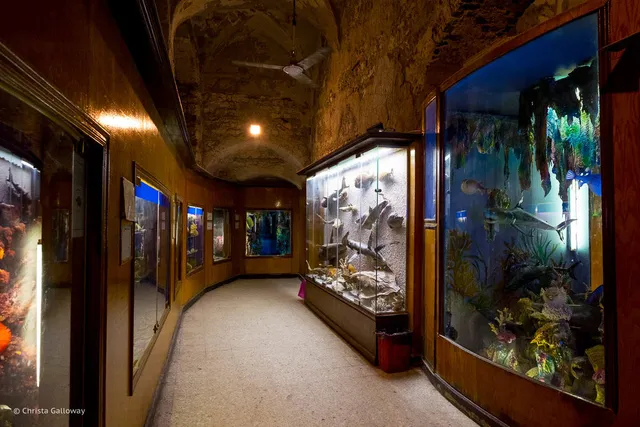
Water Biology Exhibition
6V7P+728, As Sayalah Sharq, Al Gomrok, Alexandria Governorate 5321431, Egypt
Far d'Alexandria
6V7P+H7Q, As Sayalah Sharq, Al Gomrok, Alexandria Governorate 5321431, Egypt
Qaitbay Square
6V6J+GXC, Kayetbai, Ras at Tin, Al Gomrok, Alexandria Governorate 5321421, Egypt
Shāţi' al Anfūshī
As Sayalah Sharq, Al Gomrok, Alexandria Governorate 5321381, Egypt
Lighthouse of Alexandria
6V7R+PG7, As Sayalah Sharq, Al Gomrok, Alexandria Governorate 5321431, Egypt
Sidi Morsi Abu al-Abbas Mosque
السيد محمد كريم ٩ مجموعه عمر بن الخطاب السوق التجاري ميدان المساجد.أبو العباس المرسي.بحري, Al Gomrok, Alexandria Governorate 21500, Egypt
Nearby restaurants
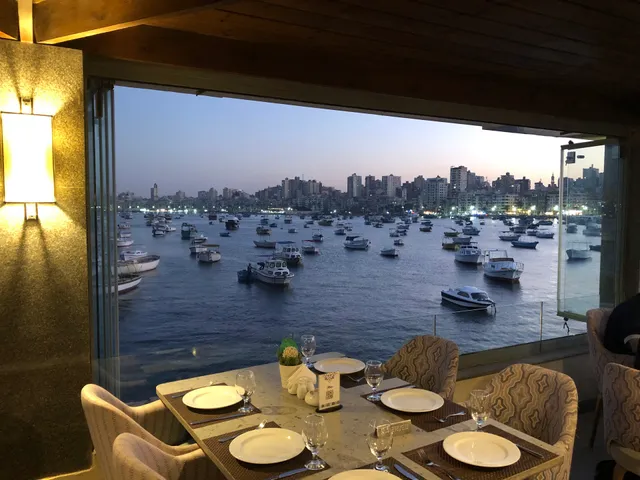
Sidra By The Citadel
6V6P+X7P, As Sayalah Sharq, Al Gomrok, Alexandria Governorate 5321430, Egypt
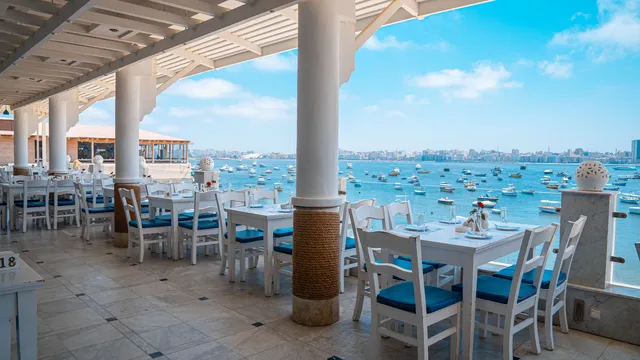
White & Blue - Greek Nautical Club
Kayetbai, As Sayalah Sharq, Al Gomrok, Alexandria Governorate 5321430, Egypt
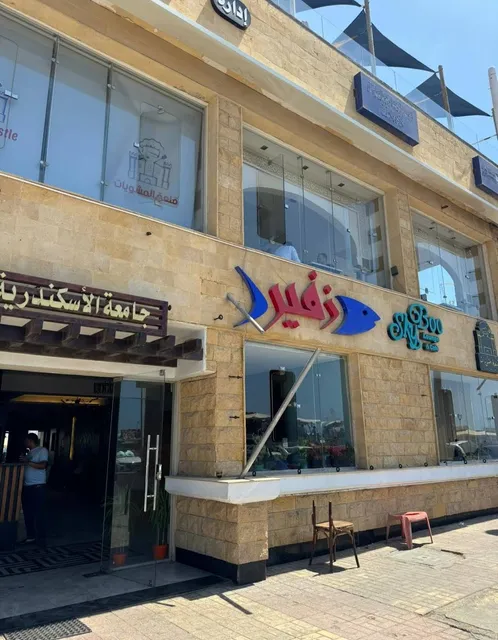
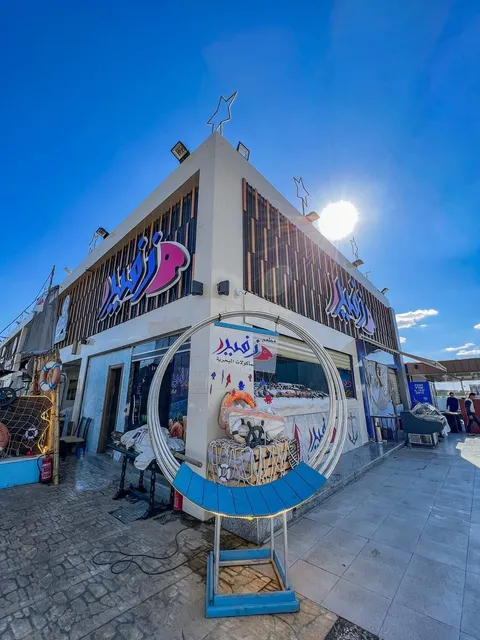
زفير للمأكولات البحرية
6V6M+VFJ, Kayetbai, As Sayalah Sharq, Al Gomrok, Alexandria Governorate 5321430, Egypt
SeaSide
L Bay , Fort Qaitbey area , Bahary Qayetbai st, Alexandria Governorate 21599, Egypt
Sidi Restaurant سيدى مأكولات بحرية
43 El-Sayed Mohammed Karim, As Sayalah Sharq, Al Gomrok, Alexandria Governorate 5321382, Egypt
Related posts
Keywords
Qaitbay Citadel tourism.Qaitbay Citadel hotels.Qaitbay Citadel bed and breakfast. flights to Qaitbay Citadel.Qaitbay Citadel attractions.Qaitbay Citadel restaurants.Qaitbay Citadel travel.Qaitbay Citadel travel guide.Qaitbay Citadel travel blog.Qaitbay Citadel pictures.Qaitbay Citadel photos.Qaitbay Citadel travel tips.Qaitbay Citadel maps.Qaitbay Citadel things to do.
Qaitbay Citadel things to do, attractions, restaurants, events info and trip planning
Qaitbay Citadel
EgyptAlexandriaQaitbay Citadel

Basic Info

Qaitbay Citadel

السيالة شرق، قسم الجمرك،, Egypt
4.5(2.1K)
Open 24 hours
Save
spot

Ratings & Description

Info

Cultural
Outdoor
Scenic
Family friendly
attractions: Water Biology Exhibition, Far d'Alexandria, Qaitbay Square, Shāţi' al Anfūshī, Lighthouse of Alexandria, Sidi Morsi Abu al-Abbas Mosque, restaurants: Sidra By The Citadel, White & Blue - Greek Nautical Club, زفير للمأكولات البحرية, SeaSide, Sidi Restaurant سيدى مأكولات بحرية
logoLearn more insights from Wanderboat AI.

Plan your stay

hotel
Pet-friendly Hotels in Alexandria
Find a cozy hotel nearby and make it a full experience.
hotel
Affordable Hotels in Alexandria
Find a cozy hotel nearby and make it a full experience.
hotel
The Coolest Hotels You Haven't Heard Of (Yet)
Find a cozy hotel nearby and make it a full experience.
hotel
Trending Stays Worth the Hype in Alexandria
Find a cozy hotel nearby and make it a full experience.

Reviews

Nearby attractions of Qaitbay Citadel

Water Biology Exhibition

Far d'Alexandria

Qaitbay Square

Shāţi' al Anfūshī

Lighthouse of Alexandria

Sidi Morsi Abu al-Abbas Mosque

Water Biology Exhibition

Water Biology Exhibition

4.2

(976)

Open until 7:00 PM
Click for details
Far d'Alexandria

Far d'Alexandria

4.8

(41)

Open 24 hours
Click for details
Qaitbay Square

Qaitbay Square

4.4

(76)

Open 24 hours
Click for details
Shāţi' al Anfūshī

Shāţi' al Anfūshī

4.4

(89)

Open 24 hours
Click for details

Things to do nearby

Walk Alexandria’s ancient streets with a historian
Thu, Dec 4 • 9:00 AM
Al Azaritah WA Ash Shatebi, Alexandria Governorate, 5424020, Egypt
View details
Uncover Alexandrias hidden gems
Fri, Dec 5 • 8:00 AM
Al Azaritah WA Ash Shatebi, Alexandria Governorate, 21526, Egypt
View details
Taste street food with a local expert
Thu, Dec 4 • 3:00 PM
Sidi Beshr Bahri, Alexandria Governorate, 5517186, Egypt
View details

Nearby restaurants of Qaitbay Citadel

Sidra By The Citadel

White & Blue - Greek Nautical Club

زفير للمأكولات البحرية

SeaSide

Sidi Restaurant سيدى مأكولات بحرية

Sidra By The Citadel

Sidra By The Citadel

4.3

(1.1K)

$$$

Click for details
White & Blue - Greek Nautical Club

White & Blue - Greek Nautical Club

4.2

(1.1K)

Click for details
زفير للمأكولات البحرية

زفير للمأكولات البحرية

3.8

(513)

Click for details
SeaSide

SeaSide

4.3

(463)

Click for details
Get the Appoverlay
Get the AppOne tap to find yournext favorite spots!
Wanderboat LogoWanderboat

Your everyday Al companion for getaway ideas

CompanyAbout Us
InformationAI Trip PlannerSitemap
SocialXInstagramTiktokLinkedin
LegalTerms of ServicePrivacy Policy

Get the app

© 2025 Wanderboat. All rights reserved.
logo

Reviews of Qaitbay Citadel

4.5
(2,128)
avatar
5.0
15w

One of those remarkable locations !

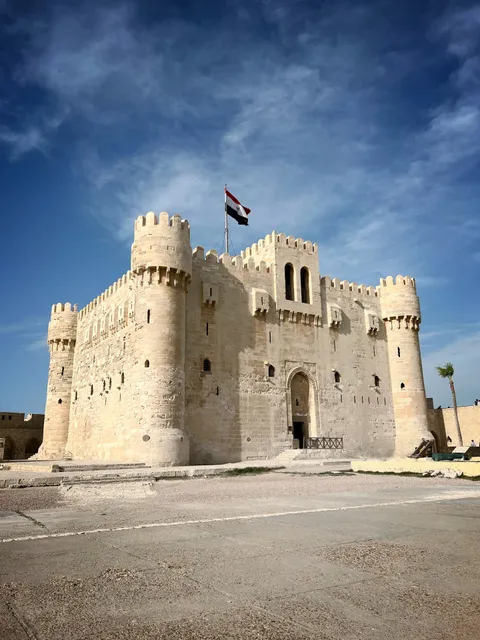
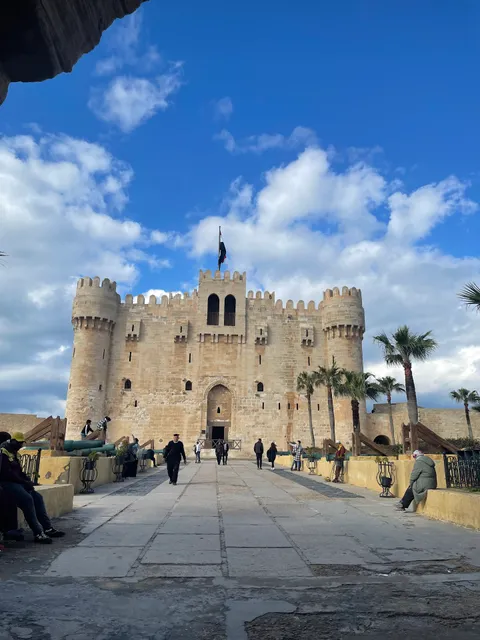
The Citadelle de Qaitbay in Alexandria, Egypt, is one of those remarkable locations where history, architecture, and the magic of light converge—making it a must-visit for any photographer seeking both cultural depth and visual drama. Built in the 15th century by Sultan Qaitbay to protect the coastline from invading forces, this massive stone fortress was strategically erected on the site of the legendary Lighthouse of Alexandria, one of the Seven Wonders of the Ancient World. That alone gives the citadel an extraordinary weight, as if the past still lingers within its thick walls.

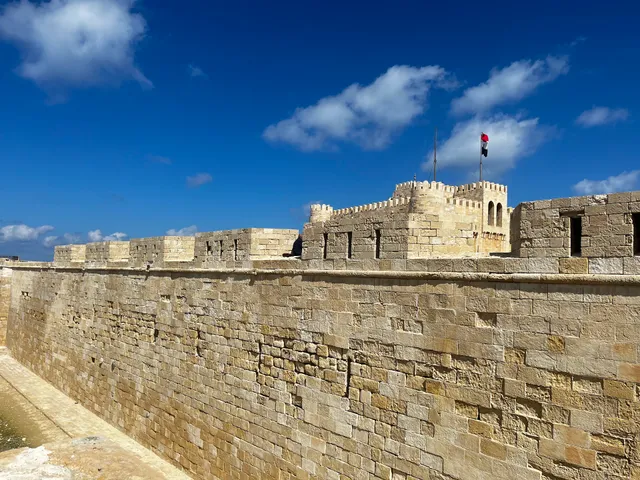
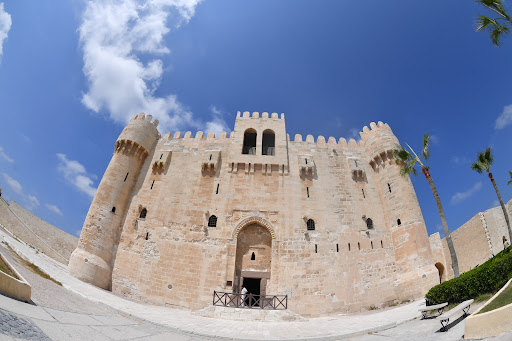
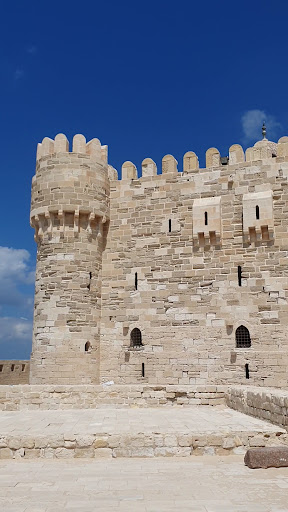
From a photographic standpoint, the citadel is a playground of textures and contrasts. Its limestone walls, weathered by centuries of sea winds and salt air, provide an ever-changing canvas of subtle hues that shift depending on the time of day. Early mornings bring soft, golden light that accentuates the details in the masonry, while late afternoons create long shadows and a warm glow that enhances the fortress’s imposing silhouette against the Mediterranean sky. For those drawn to symmetry, the imposing gates, arched passageways, and geometric patterns of windows offer endless compositional opportunities.

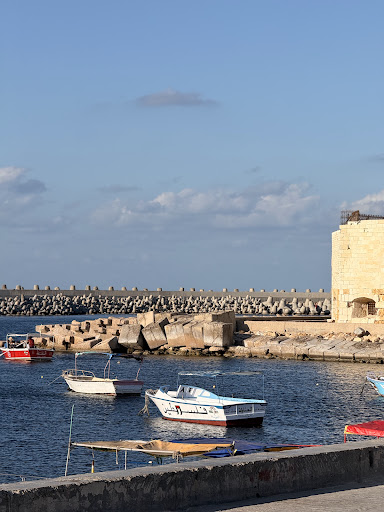
The exterior vantage points are particularly rewarding. Standing along the seafront, photographers can capture the citadel dramatically framed by crashing waves, the deep blues of the Mediterranean contrasting with the pale sandstone walls. Drone enthusiasts, where permitted, can truly appreciate the fortress’s strategic placement, its square towers standing defiantly at the edge of the sea. Sunset is perhaps the most spectacular moment, as the citadel transforms into a golden beacon, mirrored in the shifting colors of the water below.

Inside, the atmosphere shifts from monumental to intimate. Narrow staircases, vaulted ceilings, and stone corridors create opportunities for evocative low-light photography. The interplay between light streaming through narrow slits and the shadows inside produces a natural chiaroscuro effect that rewards careful exposure and creative framing. Photographers with an interest in architectural detail will find plenty to focus on, from weathered inscriptions to the interplay of archways and vaulted chambers.

For visiting photographers, a tripod is highly recommended for the dim interiors, as well as a polarizing filter to enhance the blues of the sea and sky outside. Wide-angle lenses will help capture the full scale of the fortress, while a zoom lens is useful for picking out architectural details or isolating patterns in stonework. The site can get crowded, so patience and timing are key if one wants to photograph the citadel without too many...

   Read more
avatar
5.0
51w

Qaitbay Citadel

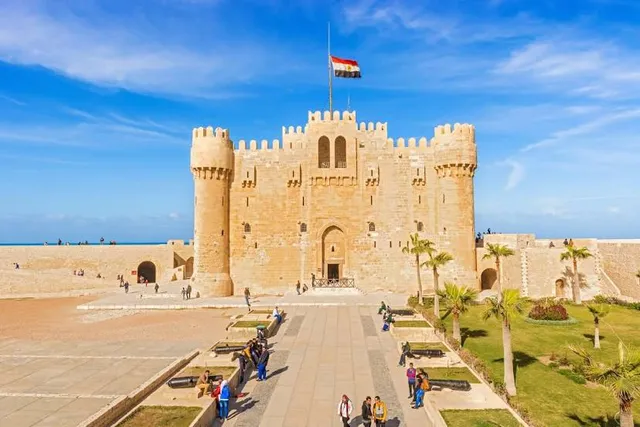
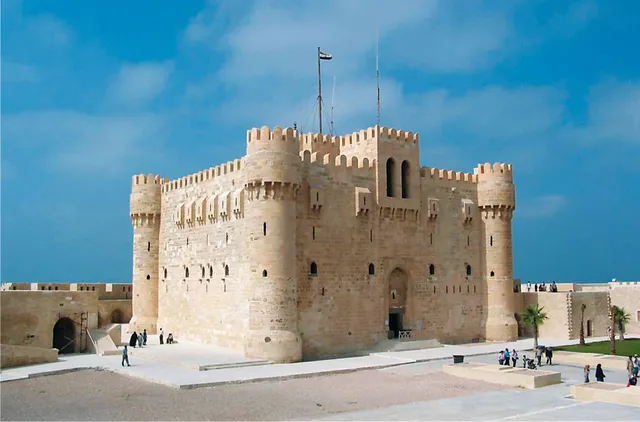
Qaitbay Citadel is one of the most iconic historical landmarks in Alexandria, Egypt. It is located on the northern tip of Pharos Island, the same site that once hosted the ancient Lighthouse of Alexandria, one of the Seven Wonders of the Ancient World. The citadel was built in the 15th century, specifically in 1477 AD, by Sultan Al-Ashraf Qaitbay, to protect the city from naval invasions.

Architectural Design of the Citadel

Qaitbay Citadel is renowned for its distinctive Mamluk architectural style.

Walls: The citadel is surrounded by two walls, an inner and an outer one, designed to fortify the structure and withstand attacks.

Towers: Defensive towers are positioned at the corners to provide full surveillance of the surroundings and repel enemies.

Main Gate: Equipped with a robust defensive system, including openings for pouring boiling water and firing projectiles.

Inner Courtyard: Contains soldiers’ barracks, weapon storage rooms, and a small mosque for prayers.

Historical Significance

The citadel played a crucial role in defending Alexandria against naval invasions, particularly from the north. It witnessed numerous military challenges, including attacks by Ottoman and French forces. During the French occupation of Egypt, the citadel was utilized as a strategic military base.

Qaitbay Citadel Today

Today, Qaitbay Citadel is a prominent tourist attraction in Alexandria. Its location offers breathtaking views of the Mediterranean Sea. The citadel attracts visitors from around the world who come to explore its history and admire its architectural beauty.

Activities to Do at the Citadel

Walk through the citadel to explore its ancient rooms and halls.

Enjoy panoramic views of the sea from the top of its towers.

Visit the nearby Aquarium Museum to learn about marine life.

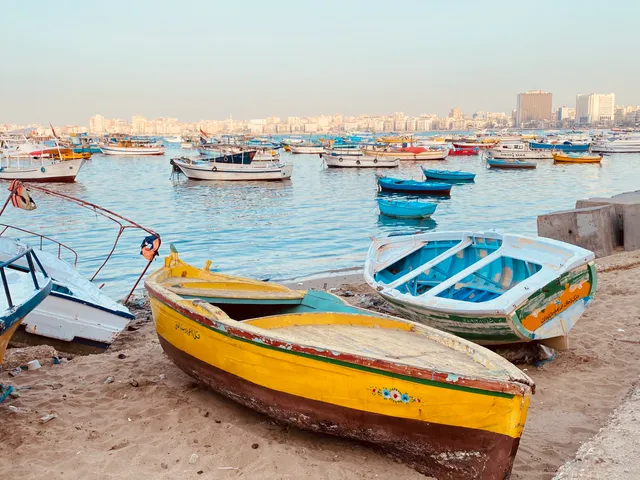
Participate in seaside activities like boat rides or photography near the citadel.

Encouraging Tourists to Visit Qaitbay Citadel

If you’re visiting Alexandria, don’t miss the chance to explore Qaitbay Citadel! It’s not just a historical site but a journey back in time to the Mamluk era. With its stunning panoramic views and strategic location by the sea, the citadel offers a perfect blend of natural beauty and historical exploration. We invite all history and culture enthusiasts to discover this...

   Read more
avatar
5.0
1y

Located on the Mediterranean coast of Alexandria, Egypt, the Qaitbay Citadel stands as a testament to the country's rich historical and architectural heritage. Built in the 15th century by Sultan Qaitbay, the citadel has served various purposes throughout its storied past, from a defensive fortress to a prominent maritime site.

Constructed using the remnants of the ancient Pharos Lighthouse, one of the Seven Wonders of the Ancient World, the Qaitbay Citadel showcases a blend of Mamluk, Ottoman, and European architectural influences. Its imposing walls, intricate stone carvings, and strategic positioning overlooking the sea make it a striking sight for visitors and historians alike.

Beyond its architectural significance, the citadel holds a deep historical resonance, bearing witness to centuries of conquests, trade, and cultural exchange in the region. It has survived numerous sieges and battles, each leaving its mark on the fortress's walls and corridors.

Today, the Qaitbay Citadel stands not only as a symbol of Egypt's past glory but also as a vibrant cultural hub, hosting exhibitions, events, and performances that celebrate the nation's heritage. Its panoramic views of the Mediterranean Sea and the city of Alexandria make it a popular destination for tourists seeking to immerse themselves in Egypt's rich tapestry of history and culture.

In conclusion, the Qaitbay Citadel is a must-visit destination for anyone interested in exploring Egypt's fascinating past and experiencing the enduring legacy of its civilization. With its architectural grandeur, historical significance, and...

   Read more
Page 1 of 7
Previous
Next

Posts

Paul ParentPaul Parent
One of those remarkable locations ! The Citadelle de Qaitbay in Alexandria, Egypt, is one of those remarkable locations where history, architecture, and the magic of light converge—making it a must-visit for any photographer seeking both cultural depth and visual drama. Built in the 15th century by Sultan Qaitbay to protect the coastline from invading forces, this massive stone fortress was strategically erected on the site of the legendary Lighthouse of Alexandria, one of the Seven Wonders of the Ancient World. That alone gives the citadel an extraordinary weight, as if the past still lingers within its thick walls. From a photographic standpoint, the citadel is a playground of textures and contrasts. Its limestone walls, weathered by centuries of sea winds and salt air, provide an ever-changing canvas of subtle hues that shift depending on the time of day. Early mornings bring soft, golden light that accentuates the details in the masonry, while late afternoons create long shadows and a warm glow that enhances the fortress’s imposing silhouette against the Mediterranean sky. For those drawn to symmetry, the imposing gates, arched passageways, and geometric patterns of windows offer endless compositional opportunities. The exterior vantage points are particularly rewarding. Standing along the seafront, photographers can capture the citadel dramatically framed by crashing waves, the deep blues of the Mediterranean contrasting with the pale sandstone walls. Drone enthusiasts, where permitted, can truly appreciate the fortress’s strategic placement, its square towers standing defiantly at the edge of the sea. Sunset is perhaps the most spectacular moment, as the citadel transforms into a golden beacon, mirrored in the shifting colors of the water below. Inside, the atmosphere shifts from monumental to intimate. Narrow staircases, vaulted ceilings, and stone corridors create opportunities for evocative low-light photography. The interplay between light streaming through narrow slits and the shadows inside produces a natural chiaroscuro effect that rewards careful exposure and creative framing. Photographers with an interest in architectural detail will find plenty to focus on, from weathered inscriptions to the interplay of archways and vaulted chambers. For visiting photographers, a tripod is highly recommended for the dim interiors, as well as a polarizing filter to enhance the blues of the sea and sky outside. Wide-angle lenses will help capture the full scale of the fortress, while a zoom lens is useful for picking out architectural details or isolating patterns in stonework. The site can get crowded, so patience and timing are key if one wants to photograph the citadel without too many distractions.
Dendy Satya WirawanDendy Satya Wirawan
Located on the Mediterranean coast of Alexandria, Egypt, the Qaitbay Citadel stands as a testament to the country's rich historical and architectural heritage. Built in the 15th century by Sultan Qaitbay, the citadel has served various purposes throughout its storied past, from a defensive fortress to a prominent maritime site. Constructed using the remnants of the ancient Pharos Lighthouse, one of the Seven Wonders of the Ancient World, the Qaitbay Citadel showcases a blend of Mamluk, Ottoman, and European architectural influences. Its imposing walls, intricate stone carvings, and strategic positioning overlooking the sea make it a striking sight for visitors and historians alike. Beyond its architectural significance, the citadel holds a deep historical resonance, bearing witness to centuries of conquests, trade, and cultural exchange in the region. It has survived numerous sieges and battles, each leaving its mark on the fortress's walls and corridors. Today, the Qaitbay Citadel stands not only as a symbol of Egypt's past glory but also as a vibrant cultural hub, hosting exhibitions, events, and performances that celebrate the nation's heritage. Its panoramic views of the Mediterranean Sea and the city of Alexandria make it a popular destination for tourists seeking to immerse themselves in Egypt's rich tapestry of history and culture. In conclusion, the Qaitbay Citadel is a must-visit destination for anyone interested in exploring Egypt's fascinating past and experiencing the enduring legacy of its civilization. With its architectural grandeur, historical significance, and cultural vibrancy
Abdalrahman FarajatAbdalrahman Farajat
Sultan Qaitbey built this picturesque fortress during the 14th century to defend Alexandria from the advances of the Ottoman Empire. His efforts were in vain since the Ottomans took control of Egypt in 1512, but the fortress has remained, strategically located on a thin arm of land that extends out into Alexandria’s harbor from the corniche. The fortress’ current form is not the original. It was heavily damaged during the British bombardment of Alexandria during a nationalist uprising against British hegemony in 1882 and rebuilt around the turn of the 20th century. As with most things in Alexandria, the building itself is not what is most significant about this location. Qaitbey built the fortress here to take advantage of an exist foundation on the site—that of the legendary Pharos Lighthouse, which by the 14th century had fallen into ruins due to repeated damage by earthquakes. The largest stones of the citadel, forming the lintel and doorway of its entrance, as well as the red granite columns in the mosque within the walls, are probably also salvaged from the huge tower that once stood here. The citadel has long since given up any military function. Today it houses a small naval museum, but it might be worth a visit to explore the inside of the fortress and imagine the huge structure that once stood on its foundation. The peninsula leading to the citadel is also a popular area with fishermen and families alike. It is usually crowded with a pleasant crowd enjoying the sea views, restaurants and ice cream shops that line the street up to the fortress.
See more posts
See more posts
hotel
Find your stay

Pet-friendly Hotels in Alexandria

Find a cozy hotel nearby and make it a full experience.

One of those remarkable locations ! The Citadelle de Qaitbay in Alexandria, Egypt, is one of those remarkable locations where history, architecture, and the magic of light converge—making it a must-visit for any photographer seeking both cultural depth and visual drama. Built in the 15th century by Sultan Qaitbay to protect the coastline from invading forces, this massive stone fortress was strategically erected on the site of the legendary Lighthouse of Alexandria, one of the Seven Wonders of the Ancient World. That alone gives the citadel an extraordinary weight, as if the past still lingers within its thick walls. From a photographic standpoint, the citadel is a playground of textures and contrasts. Its limestone walls, weathered by centuries of sea winds and salt air, provide an ever-changing canvas of subtle hues that shift depending on the time of day. Early mornings bring soft, golden light that accentuates the details in the masonry, while late afternoons create long shadows and a warm glow that enhances the fortress’s imposing silhouette against the Mediterranean sky. For those drawn to symmetry, the imposing gates, arched passageways, and geometric patterns of windows offer endless compositional opportunities. The exterior vantage points are particularly rewarding. Standing along the seafront, photographers can capture the citadel dramatically framed by crashing waves, the deep blues of the Mediterranean contrasting with the pale sandstone walls. Drone enthusiasts, where permitted, can truly appreciate the fortress’s strategic placement, its square towers standing defiantly at the edge of the sea. Sunset is perhaps the most spectacular moment, as the citadel transforms into a golden beacon, mirrored in the shifting colors of the water below. Inside, the atmosphere shifts from monumental to intimate. Narrow staircases, vaulted ceilings, and stone corridors create opportunities for evocative low-light photography. The interplay between light streaming through narrow slits and the shadows inside produces a natural chiaroscuro effect that rewards careful exposure and creative framing. Photographers with an interest in architectural detail will find plenty to focus on, from weathered inscriptions to the interplay of archways and vaulted chambers. For visiting photographers, a tripod is highly recommended for the dim interiors, as well as a polarizing filter to enhance the blues of the sea and sky outside. Wide-angle lenses will help capture the full scale of the fortress, while a zoom lens is useful for picking out architectural details or isolating patterns in stonework. The site can get crowded, so patience and timing are key if one wants to photograph the citadel without too many distractions.
Paul Parent

Paul Parent

hotel
Find your stay

Affordable Hotels in Alexandria

Find a cozy hotel nearby and make it a full experience.

Get the Appoverlay
Get the AppOne tap to find yournext favorite spots!
Located on the Mediterranean coast of Alexandria, Egypt, the Qaitbay Citadel stands as a testament to the country's rich historical and architectural heritage. Built in the 15th century by Sultan Qaitbay, the citadel has served various purposes throughout its storied past, from a defensive fortress to a prominent maritime site. Constructed using the remnants of the ancient Pharos Lighthouse, one of the Seven Wonders of the Ancient World, the Qaitbay Citadel showcases a blend of Mamluk, Ottoman, and European architectural influences. Its imposing walls, intricate stone carvings, and strategic positioning overlooking the sea make it a striking sight for visitors and historians alike. Beyond its architectural significance, the citadel holds a deep historical resonance, bearing witness to centuries of conquests, trade, and cultural exchange in the region. It has survived numerous sieges and battles, each leaving its mark on the fortress's walls and corridors. Today, the Qaitbay Citadel stands not only as a symbol of Egypt's past glory but also as a vibrant cultural hub, hosting exhibitions, events, and performances that celebrate the nation's heritage. Its panoramic views of the Mediterranean Sea and the city of Alexandria make it a popular destination for tourists seeking to immerse themselves in Egypt's rich tapestry of history and culture. In conclusion, the Qaitbay Citadel is a must-visit destination for anyone interested in exploring Egypt's fascinating past and experiencing the enduring legacy of its civilization. With its architectural grandeur, historical significance, and cultural vibrancy
Dendy Satya Wirawan

Dendy Satya Wirawan

hotel
Find your stay

The Coolest Hotels You Haven't Heard Of (Yet)

Find a cozy hotel nearby and make it a full experience.

hotel
Find your stay

Trending Stays Worth the Hype in Alexandria

Find a cozy hotel nearby and make it a full experience.

Sultan Qaitbey built this picturesque fortress during the 14th century to defend Alexandria from the advances of the Ottoman Empire. His efforts were in vain since the Ottomans took control of Egypt in 1512, but the fortress has remained, strategically located on a thin arm of land that extends out into Alexandria’s harbor from the corniche. The fortress’ current form is not the original. It was heavily damaged during the British bombardment of Alexandria during a nationalist uprising against British hegemony in 1882 and rebuilt around the turn of the 20th century. As with most things in Alexandria, the building itself is not what is most significant about this location. Qaitbey built the fortress here to take advantage of an exist foundation on the site—that of the legendary Pharos Lighthouse, which by the 14th century had fallen into ruins due to repeated damage by earthquakes. The largest stones of the citadel, forming the lintel and doorway of its entrance, as well as the red granite columns in the mosque within the walls, are probably also salvaged from the huge tower that once stood here. The citadel has long since given up any military function. Today it houses a small naval museum, but it might be worth a visit to explore the inside of the fortress and imagine the huge structure that once stood on its foundation. The peninsula leading to the citadel is also a popular area with fishermen and families alike. It is usually crowded with a pleasant crowd enjoying the sea views, restaurants and ice cream shops that line the street up to the fortress.
Abdalrahman Farajat

Abdalrahman Farajat

See more posts
See more posts