HTML SitemapExplore

Al-Rifa'i Mosque — Attraction in Cairo

Name
Al-Rifa'i Mosque
Description
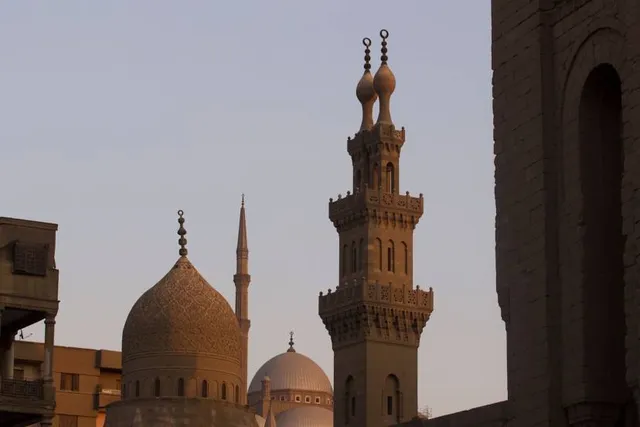
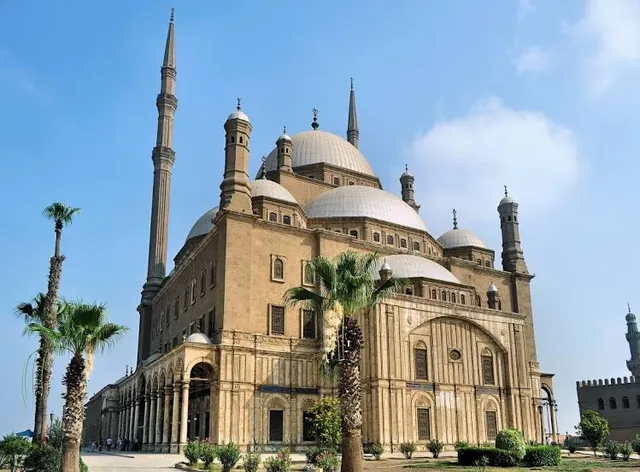
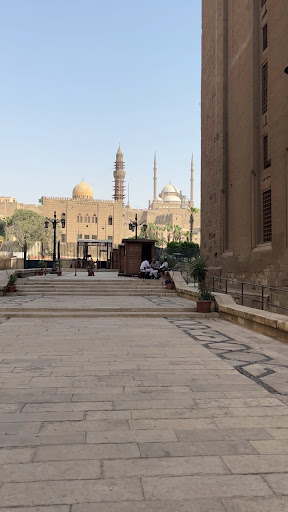
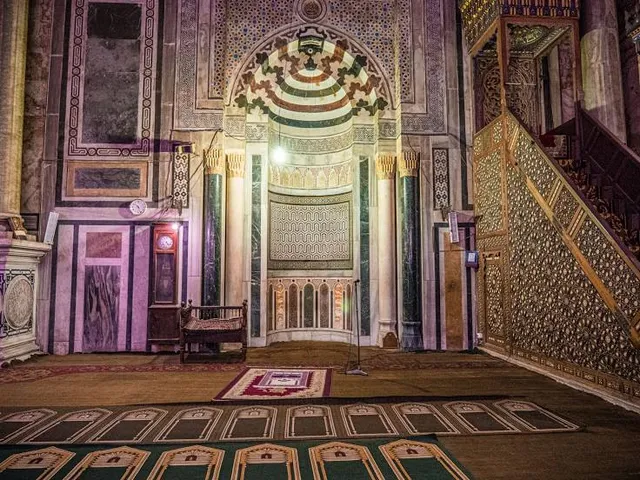
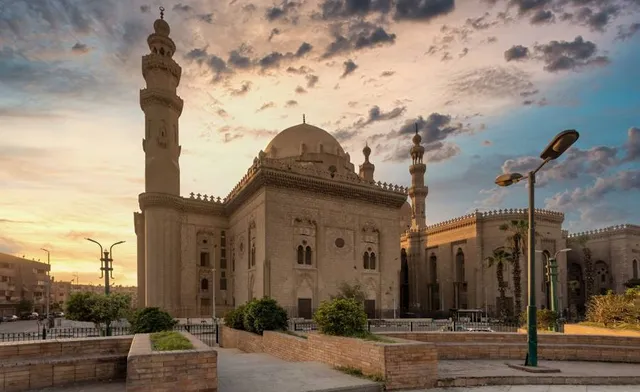
Al-Rifa'i Mosque is located in Citadel Square, adjacent to the Cairo Citadel. Now, it is also the royal mausoleum of Muhammad Ali's family. The building is located opposite the Mosque-Madrassa of Sultan Hassan, which dates from around 1361, and was architecturally conceived as a complement to the older structure.
Nearby attractions
Mosque-Madrasa of Sultan Hassan
27J4+VJH, El-Refaey, El-Darb El-Ahmar, El Khalifa, Cairo Governorate 4292008, Egypt
Mosque of Qanibay al-Rammah
27J5+W54, Abd Roba Lane, El-Darb El-Ahmar, El Sayeda Zeinab, Cairo Governorate 4292010, Egypt
Masjid Al-Mahmodyah
27J5+M4C, Salah El-Deen Square, El-Darb El-Ahmar, Al-Darb Al-Ahmar, Cairo Governorate 4292010, Egypt
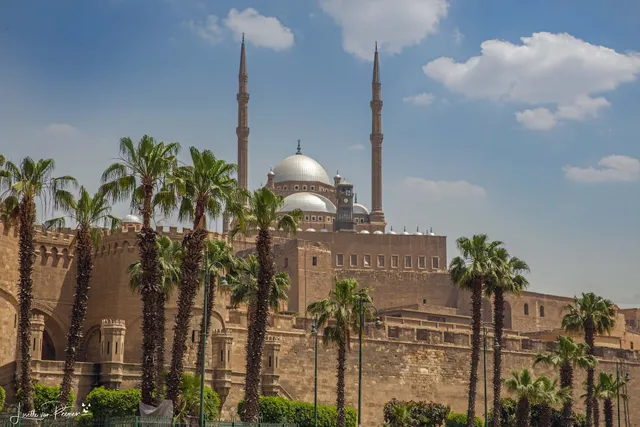
Saladin Citadel
Al Abageyah, El Khalifa, Cairo Governorate 4252360, Egypt
Egyptian Archives
3 الحطابه, Al Abageyah, El Khalifa, Cairo Governorate 4252360, Egypt
ميدان صلاح الدين
٤٠ شارع كليوباترا, El-Darb El-Ahmar, El Khalifa, Cairo Governorate 4292008, Egypt
Mosque of Muhammad Ali
Salah al-Din, al-Ayyubi, Saladin, Cairo Governorate 4252360, Egypt
Mostafa Kamel Museum
27H4+VW8, Al Abageyah, El Khalifa, Cairo Governorate 4252335, Egypt
National Military Museum Egypt
Salah Salem St, قلعة, El Khalifa, Cairo Governorate 4252360, Egypt
مسجد ألجاى اليوسفى
Souk Al Silah, El-Darb El-Ahmar, Al-Darb Al-Ahmar, Cairo Governorate 4292043, Egypt
Nearby restaurants
Belia fish
٧ شارع عبد المجيد اللبان، الخليفة،, Al Sayeda Aesha, Egypt
Nearby local services
Sayeda Aisha Market
65 الخلاء, Al Abageyah, El Khalifa, Cairo Governorate 4251224, Egypt
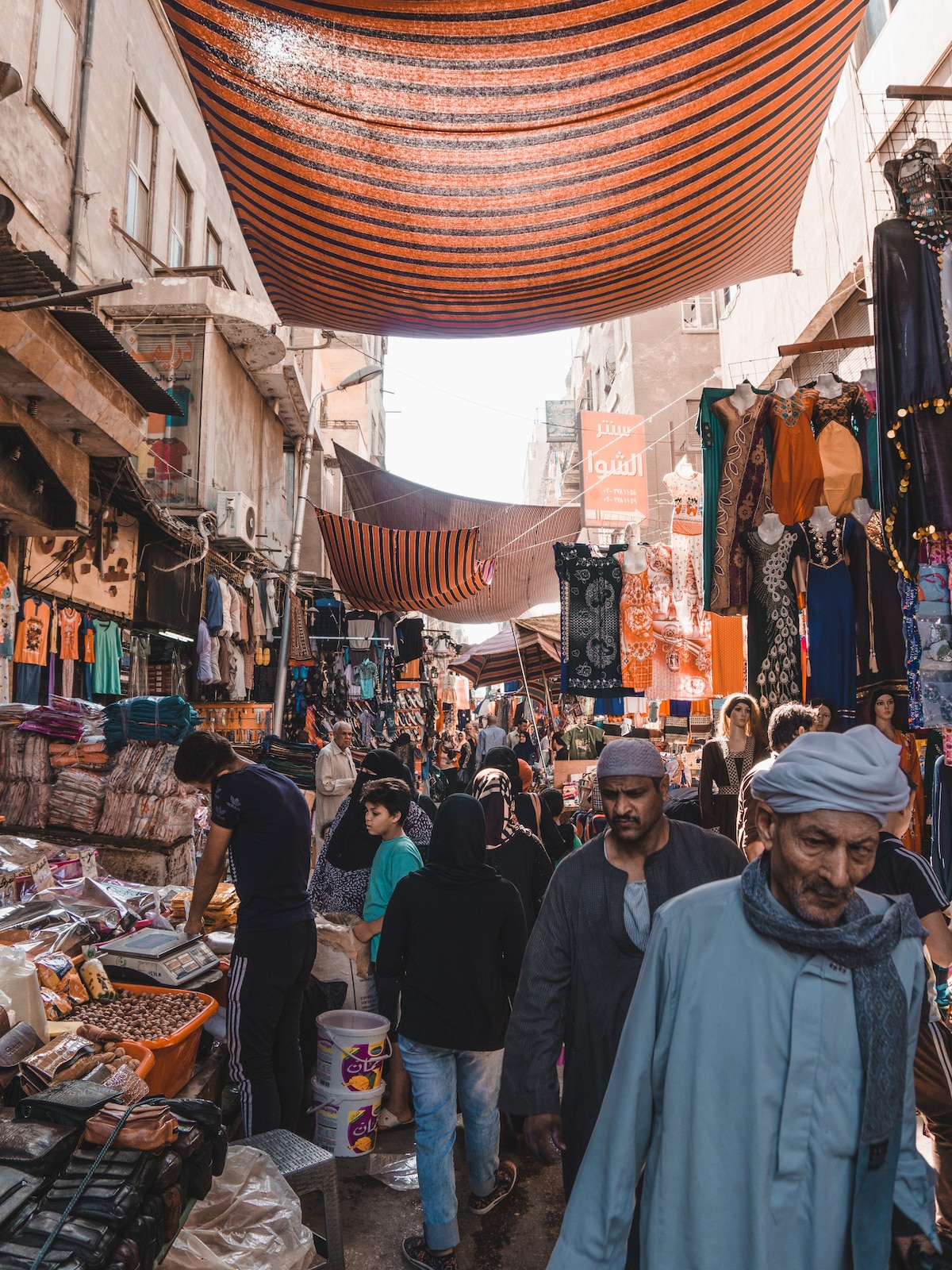
Al Khyiamia (Tent Makers Bazaar)
27R4+FXF, Al Khayama, El-Darb El-Ahmar, Al-Darb Al-Ahmar, Cairo Governorate 4292230, Egypt
Nearby hotels
Related posts
Keywords
Al-Rifa'i Mosque tourism.Al-Rifa'i Mosque hotels.Al-Rifa'i Mosque bed and breakfast. flights to Al-Rifa'i Mosque.Al-Rifa'i Mosque attractions.Al-Rifa'i Mosque restaurants.Al-Rifa'i Mosque local services.Al-Rifa'i Mosque travel.Al-Rifa'i Mosque travel guide.Al-Rifa'i Mosque travel blog.Al-Rifa'i Mosque pictures.Al-Rifa'i Mosque photos.Al-Rifa'i Mosque travel tips.Al-Rifa'i Mosque maps.Al-Rifa'i Mosque things to do.
Al-Rifa'i Mosque things to do, attractions, restaurants, events info and trip planning
Al-Rifa'i Mosque
EgyptCairoCairoAl-Rifa'i Mosque

Basic Info

Al-Rifa'i Mosque

27J5+Q85, Darb Al Labana, El-Darb El-Ahmar, El Khalifa, Cairo Governorate 4292008, Egypt
4.8(1.8K)
Open until 4:30 PM
ticket
Get
tickets
Save
spot

Ratings & Description

Info

Al-Rifa'i Mosque is located in Citadel Square, adjacent to the Cairo Citadel. Now, it is also the royal mausoleum of Muhammad Ali's family. The building is located opposite the Mosque-Madrassa of Sultan Hassan, which dates from around 1361, and was architecturally conceived as a complement to the older structure.

Cultural
Accessibility
attractions: Mosque-Madrasa of Sultan Hassan, Mosque of Qanibay al-Rammah, Masjid Al-Mahmodyah, Saladin Citadel, Egyptian Archives, ميدان صلاح الدين, Mosque of Muhammad Ali, Mostafa Kamel Museum, National Military Museum Egypt, مسجد ألجاى اليوسفى, restaurants: Belia fish, local businesses: Sayeda Aisha Market, Al Khyiamia (Tent Makers Bazaar)
logoLearn more insights from Wanderboat AI.
Open hoursSee all hours
Wed8 AM - 4:30 PMOpen

Plan your stay

hotel
Pet-friendly Hotels in Cairo
Find a cozy hotel nearby and make it a full experience.

hotel
Affordable Hotels in Cairo
Find a cozy hotel nearby and make it a full experience.

hotel
The Coolest Hotels You Haven't Heard Of (Yet)
Find a cozy hotel nearby and make it a full experience.

hotel
Trending Stays Worth the Hype in Cairo
Find a cozy hotel nearby and make it a full experience.

Reviews

Live events
Private tour to Giza Pyramids, Sphinx, ATVs& Lunch
Wed, Jan 21 • 8:00 AM
Qasr Ad Dobarah, Cairo Governorate, 11512, Egypt
View details

Photographic journey through the Pyramids
Wed, Jan 21 • 10:00 AM
Bab Al Louq, Cairo Governorate, 4272101, Egypt
View details
Cruise the Nile with a dinner show
Wed, Jan 21 • 4:00 PM
As Sarayat, Cairo Governorate, 11512, Egypt
View details

Nearby attractions of Al-Rifa'i Mosque

Mosque-Madrasa of Sultan Hassan

Mosque of Qanibay al-Rammah

Masjid Al-Mahmodyah

Saladin Citadel

Egyptian Archives

ميدان صلاح الدين

Mosque of Muhammad Ali

Mostafa Kamel Museum

National Military Museum Egypt

مسجد ألجاى اليوسفى
Mosque-Madrasa of Sultan Hassan

Mosque-Madrasa of Sultan Hassan

4.7

(4.2K)

Open until 5:00 PM
Click for details
Mosque of Qanibay al-Rammah

Mosque of Qanibay al-Rammah

4.6

(57)

Open until 12:00 AM
Click for details
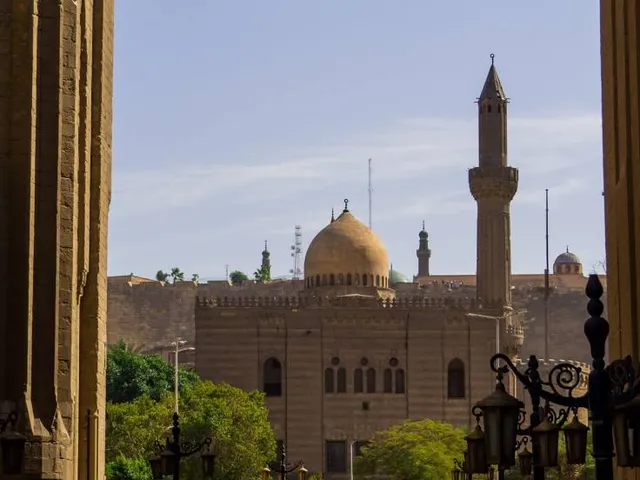
Masjid Al-Mahmodyah

Masjid Al-Mahmodyah

4.7

(56)

Open 24 hours
Click for details
Saladin Citadel

Saladin Citadel

4.6

(12.4K)

Open until 4:30 PM
Click for details

Nearby restaurants of Al-Rifa'i Mosque

Belia fish
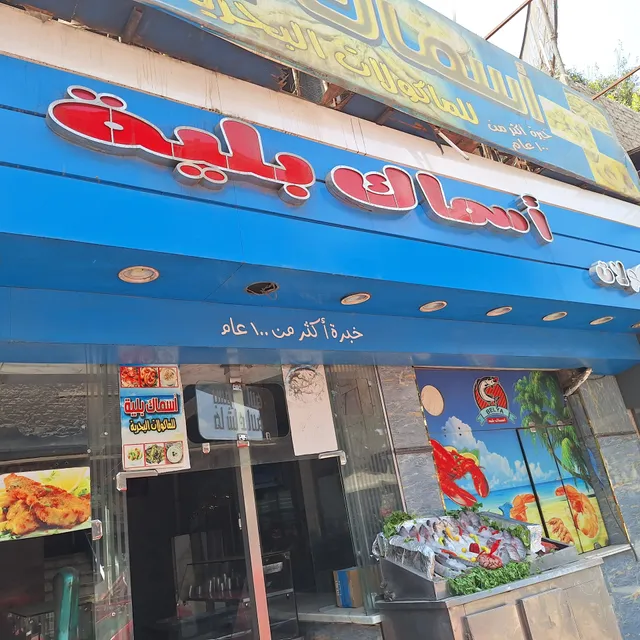
Belia fish

Belia fish

4.0

(292)

Click for details

Nearby local services of Al-Rifa'i Mosque

Sayeda Aisha Market

Al Khyiamia (Tent Makers Bazaar)

Sayeda Aisha Market

Sayeda Aisha Market

3.9

(1.8K)

Click for details
Al Khyiamia (Tent Makers Bazaar)

Al Khyiamia (Tent Makers Bazaar)

4.5

(201)

Click for details
Get the Appoverlay
Get the AppOne tap to find yournext favorite spots!
Wanderboat LogoWanderboat

Your everyday Al companion for getaway ideas

CompanyAbout Us
InformationAI Trip PlannerSitemap
SocialXInstagramTiktokLinkedin
LegalTerms of ServicePrivacy Policy

Get the app

© 2025 Wanderboat. All rights reserved.

Reviews of Al-Rifa'i Mosque

4.8
(1,755)
avatar
5.0
6y

The two Mosques stand out due to their immense scale, grand but not oppressive yet monumental..The Rifai Mosque is pseudo-Mamluk, built between 1869 and 1912 for Princess Khushyar, the mother of Khedive Ismail. With the royal entrance now closed, you enter on the side facing Sultan Hassan. Straight ahead in a sandalwood enclosure lies the tomb of Shiekh Ali al-Rifai, founder or the Rifai tariqa of dervishes, whose moulid occurs during Gumad el-Tani. Off to your lest are mashrabiya-screened tombs of King Fouad, his mother, the last Shah of Iran and King Farouk of Egypt. The monumental sanctuary ( on the left) is impressive, but after Ismail’s chief eunuch had overseen its 44 columns, 19 types of marble and 18 window grilles: what it lacks is the power of simplicity embodied by the mosques of Ibn Tulun and Sultan Hassan.

مسجد الرفاعي هو أحد المساجد الأثريّة الشهيرة بالقاهرة. أمرت ببنائه خوشيار هانم والدة الخديوي إسماعيل سنة 1286هـ/1869م، وعهدت إلى حسين باشا فهمي بتنفيذ المشروع. في سنة 1298هـ/1880م أُوقفت عمارة المسجد، ثم توفيت خوشيار هانم سنة 1303هـ/1885م، وظل مشروع البناء متوقفاً نحو 25 عاماً حتى عهد الخديوي عباس حلمي الثاني سنة 1905 إلى أحمد خيري باشا بإتمام المسجد فكلف المهندس هرتس باشا بإكمال البناء، فأتمه في سنة 1329هـ/1911م، وافتتح المسجد للصلاة في غرة شهر المحرم سنة 1330هـ/1912م. يوجد بالمسجد مقبرتي الشيخان علي أبي شباك ويحيى الأنصاري، وكذلك مقابر الأسرة الملكية التي يرقد بها الخديوي إسماعيل وأمه خوشيار هانم منشئة المسجد وزوجاته وأولاده، والسلطان حسين كامل وزوجته، والملك فؤاد الأول، والملك فاروق الأول.

كان موقع المسجد قديماً "زاوية الرفاعي" المدفون بها الشيخ علي أبي شباك الرفاعي والموجود قبره بالمسجد حتى الآن، ومنه اتخذ المسجد اسمه، إلا أنه بعد إنشاء المسجد نُسبة التسمية إلى الشيخ العارف بالله السيد أحمد الرفاعي المدفون بالعراق، وجد أحمد الصياد والد الشيخ علي أبي شباك. يقع المسجد حالياً بميدان صلاح الدين بحي الخليفة التابع للمنطقة الجنوبية بالقاهرة، وبجواره عدة مساجد أثرية تتمثل في مسجد السلطان حسن، مسجد المحمودية، مسجد قاني باي الرماح، مسجد جوهر اللالا، بالإضافة إلى مسجد محمد علي، ومسجد الناصر قلاوون بقلعة صلاح الدين،...

   Read more
avatar
5.0
2y

Beautiful mosque. Must visit. I absolutely enjoyed it.

History from the plaque in front if the mosque- Al-Rifai Mosque The mosque gets its name from imam Ahmad al Rifai who founded the Rifa'i tariga (Sufi path). The original structure was a Fatimid mosque, which is located next to Zawiyat contains a number of mausoleums, It is known as the Zawiyat al Rifai, Although he was not buried in Egypt, this name stuck to the Zawiyat first, and then to the mosque later. In 1286 AH/ 1869 Khushyar Hanem commissioned the current design of the mosque and put in charge of the construction the architect Hussein Pasha Fahmi that it serve as a burial for her and the royal family. The construction has stopped for years until it was completed in the region of Khedive Abbas Helmi I in 1330Ah\ 1912 AD. Al Rifa'i Mosque was built to emulate the mosque and madrasa of Sultan Hasan. The mosque's design is unique in many respects, its large entrances were surrounded by ornamented stone and marble columns as well as the ornate ceilings. A part of the mosque was dedicated for prayer in the eastern wall, which contains a mihrab covered with colored marble, and next to it a wooden pulpit inlaid with ivory and ebony. As for the other part of the mosque was used as a burial for the Muhammad Ali Dynasty. Khedive Ismail, four of his sons, and three of his wives were buried there, as was his mother Khushyar Hanem. Separate burials were reserved for Sultan Hussein Kamel son of Ismail, King Fouad I, and King Farouk I. Reza Pahlavi, former Shah of Iran, was buried there for a while before being moved to his country at the end of the Second World War. His son, Mohammad Reza Pahlavi, the last Shah of Iran remains buried in...

   Read more
avatar
5.0
6y

The Al-Rifa'i Mosque was constructed in two phases over the period between 1869 and 1912 when it was finally completed.It was originally commissioned by Hoshiyar Qadin, the mother of the 19th century Khedive Isma'il Pasha to expand and replace the preexisting zawiya (shrine) of the medieval Islamic saint Ahmed al-Rifa'i. The zawiya was a pilgrimage site for locals who believed that the tomb had mystical healing properties. Hoshiyar envisioned a dual purpose for the new structure as a house for Sufi relics and a mausoleum for the royal family of Egypt. Over the course of its construction the architect, design, and purpose were changed. The original architect was Hussein Fahri Pasha, a distant cousin in the dynasty founded by Muhammad Ali of Egypt in 1803. He died during the first phase of construction, and work was halted after Khedive Isma'il Pasha abdicated in 1880. Hoshiyar Qadin herself died in 1885, and work was not resumed until 1905 when the Khedive, Abbas II of Egypt, ordered its completion. Work was supervised by the Hungarian architect Max Herz, head of the Committee for the Conservation of Arab Monuments in Cairo.

The building itself is a melange of styles taken primarily from the Mamluk period of Egyptian history, including its dome and minaret. The building contains a large prayer hall as well as the shrines of al-Rifa'i and two other local saOints, Ali Abi-Shubbak and Yahya al-Ansari.

The building itself is a melange of styles taken primarily from the Mamluk period of Egyptian history, including its dome and minaret. The building contains a large prayer hall as well as the shrines of al-Rifa'i and two other local saints, Ali Abi-Shubbak and...

   Read more
Page 1 of 7
Previous
Next

Posts

Shabana BaigShabana Baig
Beautiful mosque. Must visit. I absolutely enjoyed it. History from the plaque in front if the mosque- Al-Rifai Mosque The mosque gets its name from imam Ahmad al Rifai who founded the Rifa'i tariga (Sufi path). The original structure was a Fatimid mosque, which is located next to Zawiyat contains a number of mausoleums, It is known as the Zawiyat al Rifai, Although he was not buried in Egypt, this name stuck to the Zawiyat first, and then to the mosque later. In 1286 AH/ 1869 Khushyar Hanem commissioned the current design of the mosque and put in charge of the construction the architect Hussein Pasha Fahmi that it serve as a burial for her and the royal family. The construction has stopped for years until it was completed in the region of Khedive Abbas Helmi I in 1330Ah\ 1912 AD. Al Rifa'i Mosque was built to emulate the mosque and madrasa of Sultan Hasan. The mosque's design is unique in many respects, its large entrances were surrounded by ornamented stone and marble columns as well as the ornate ceilings. A part of the mosque was dedicated for prayer in the eastern wall, which contains a mihrab covered with colored marble, and next to it a wooden pulpit inlaid with ivory and ebony. As for the other part of the mosque was used as a burial for the Muhammad Ali Dynasty. Khedive Ismail, four of his sons, and three of his wives were buried there, as was his mother Khushyar Hanem. Separate burials were reserved for Sultan Hussein Kamel son of Ismail, King Fouad I, and King Farouk I. Reza Pahlavi, former Shah of Iran, was buried there for a while before being moved to his country at the end of the Second World War. His son, Mohammad Reza Pahlavi, the last Shah of Iran remains buried in al-Rifa'i Mosque.
Your browser does not support the video tag.
ali Rehberali Rehber
Al Rifai Mosque is one of the largest and most beautiful mosques in Cairo. The tomb of the Shah of Iran is also located here, which makes it a special place for Iranians to visit. Hopefully one day all Iranians will be able to come here easily
ahmed attiaahmed attia
The Al-Rifa'i Mosque was constructed in two phases over the period between 1869 and 1912 when it was finally completed.It was originally commissioned by Hoshiyar Qadin, the mother of the 19th century Khedive Isma'il Pasha to expand and replace the preexisting zawiya (shrine) of the medieval Islamic saint Ahmed al-Rifa'i. The zawiya was a pilgrimage site for locals who believed that the tomb had mystical healing properties. Hoshiyar envisioned a dual purpose for the new structure as a house for Sufi relics and a mausoleum for the royal family of Egypt. Over the course of its construction the architect, design, and purpose were changed. The original architect was Hussein Fahri Pasha, a distant cousin in the dynasty founded by Muhammad Ali of Egypt in 1803. He died during the first phase of construction, and work was halted after Khedive Isma'il Pasha abdicated in 1880. Hoshiyar Qadin herself died in 1885, and work was not resumed until 1905 when the Khedive, Abbas II of Egypt, ordered its completion. Work was supervised by the Hungarian architect Max Herz, head of the Committee for the Conservation of Arab Monuments in Cairo. The building itself is a melange of styles taken primarily from the Mamluk period of Egyptian history, including its dome and minaret. The building contains a large prayer hall as well as the shrines of al-Rifa'i and two other local saOints, Ali Abi-Shubbak and Yahya al-Ansari. The building itself is a melange of styles taken primarily from the Mamluk period of Egyptian history, including its dome and minaret. The building contains a large prayer hall as well as the shrines of al-Rifa'i and two other local saints, Ali Abi-Shubbak and Yahya al-Ansari
See more posts
See more posts
hotel
Find your stay

Pet-friendly Hotels in Cairo

Find a cozy hotel nearby and make it a full experience.

Beautiful mosque. Must visit. I absolutely enjoyed it. History from the plaque in front if the mosque- Al-Rifai Mosque The mosque gets its name from imam Ahmad al Rifai who founded the Rifa'i tariga (Sufi path). The original structure was a Fatimid mosque, which is located next to Zawiyat contains a number of mausoleums, It is known as the Zawiyat al Rifai, Although he was not buried in Egypt, this name stuck to the Zawiyat first, and then to the mosque later. In 1286 AH/ 1869 Khushyar Hanem commissioned the current design of the mosque and put in charge of the construction the architect Hussein Pasha Fahmi that it serve as a burial for her and the royal family. The construction has stopped for years until it was completed in the region of Khedive Abbas Helmi I in 1330Ah\ 1912 AD. Al Rifa'i Mosque was built to emulate the mosque and madrasa of Sultan Hasan. The mosque's design is unique in many respects, its large entrances were surrounded by ornamented stone and marble columns as well as the ornate ceilings. A part of the mosque was dedicated for prayer in the eastern wall, which contains a mihrab covered with colored marble, and next to it a wooden pulpit inlaid with ivory and ebony. As for the other part of the mosque was used as a burial for the Muhammad Ali Dynasty. Khedive Ismail, four of his sons, and three of his wives were buried there, as was his mother Khushyar Hanem. Separate burials were reserved for Sultan Hussein Kamel son of Ismail, King Fouad I, and King Farouk I. Reza Pahlavi, former Shah of Iran, was buried there for a while before being moved to his country at the end of the Second World War. His son, Mohammad Reza Pahlavi, the last Shah of Iran remains buried in al-Rifa'i Mosque.
Shabana Baig

Shabana Baig

hotel
Find your stay

Affordable Hotels in Cairo

Find a cozy hotel nearby and make it a full experience.

Get the Appoverlay
Get the AppOne tap to find yournext favorite spots!
Al Rifai Mosque is one of the largest and most beautiful mosques in Cairo. The tomb of the Shah of Iran is also located here, which makes it a special place for Iranians to visit. Hopefully one day all Iranians will be able to come here easily
ali Rehber

ali Rehber

hotel
Find your stay

The Coolest Hotels You Haven't Heard Of (Yet)

Find a cozy hotel nearby and make it a full experience.

hotel
Find your stay

Trending Stays Worth the Hype in Cairo

Find a cozy hotel nearby and make it a full experience.

The Al-Rifa'i Mosque was constructed in two phases over the period between 1869 and 1912 when it was finally completed.It was originally commissioned by Hoshiyar Qadin, the mother of the 19th century Khedive Isma'il Pasha to expand and replace the preexisting zawiya (shrine) of the medieval Islamic saint Ahmed al-Rifa'i. The zawiya was a pilgrimage site for locals who believed that the tomb had mystical healing properties. Hoshiyar envisioned a dual purpose for the new structure as a house for Sufi relics and a mausoleum for the royal family of Egypt. Over the course of its construction the architect, design, and purpose were changed. The original architect was Hussein Fahri Pasha, a distant cousin in the dynasty founded by Muhammad Ali of Egypt in 1803. He died during the first phase of construction, and work was halted after Khedive Isma'il Pasha abdicated in 1880. Hoshiyar Qadin herself died in 1885, and work was not resumed until 1905 when the Khedive, Abbas II of Egypt, ordered its completion. Work was supervised by the Hungarian architect Max Herz, head of the Committee for the Conservation of Arab Monuments in Cairo. The building itself is a melange of styles taken primarily from the Mamluk period of Egyptian history, including its dome and minaret. The building contains a large prayer hall as well as the shrines of al-Rifa'i and two other local saOints, Ali Abi-Shubbak and Yahya al-Ansari. The building itself is a melange of styles taken primarily from the Mamluk period of Egyptian history, including its dome and minaret. The building contains a large prayer hall as well as the shrines of al-Rifa'i and two other local saints, Ali Abi-Shubbak and Yahya al-Ansari
ahmed attia

ahmed attia

See more posts
See more posts