TT1 - Tomb of Sennedjem things to do, attractions, restaurants, events info and trip planning
Basic Info
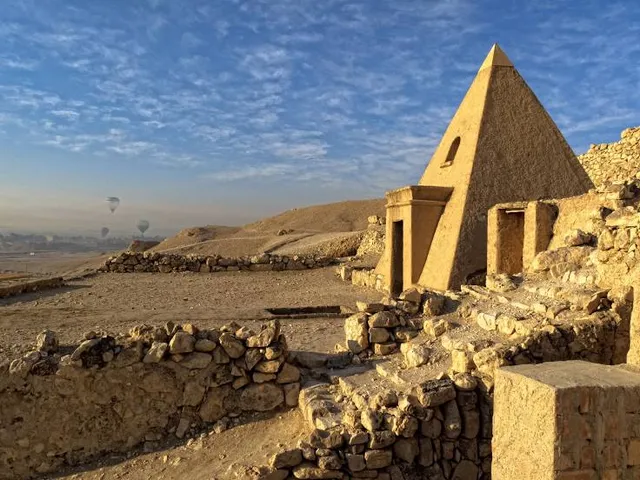
TT1 - Tomb of Sennedjem
PJH2+366, Al Qarnah, Al Qarna, Luxor Governorate 1340412, Egypt
5.0(16)
Open 24 hours
Save
spot
spot
Ratings & Description
Info
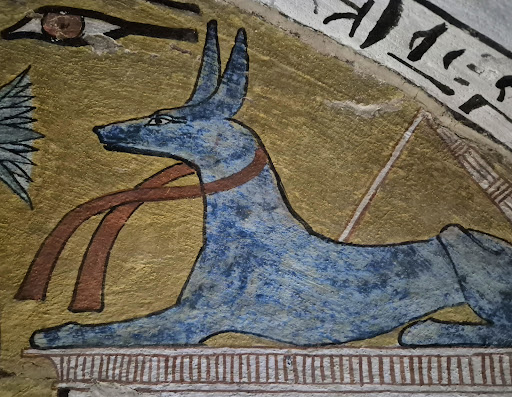
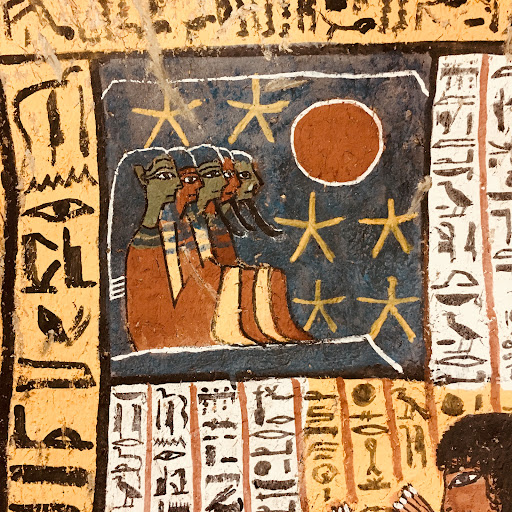
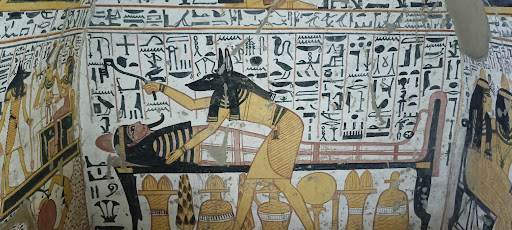
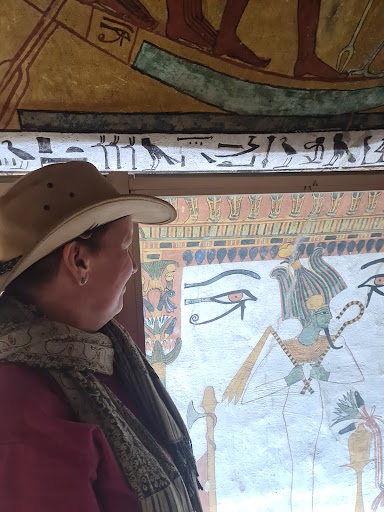
TT1 is the burial place of the ancient Egyptian official Sennedjem and members of his family. It is located in the workmen's village of Deir el-Medina, on the west bank of the Nile opposite Luxor.
Cultural
Scenic
Family friendly
attractions: Deir el-Medina, Tomb Of Inherkha, Temple of Deir el-Medina, TT3 - Tomb of Pashedu, Valley of the Queens, Qurnet Murai Necropolis, QV66 Tomb of Nefertari, 메디넷 하부, Tombs of the Nobles, Ramesseum, restaurants: Restaurant Mohamed, local businesses:
 Learn more insights from Wanderboat AI.
Website
madainproject.com
Plan your stay

Pet-friendly Hotels in New Al Qarnh City
Find a cozy hotel nearby and make it a full experience.

Affordable Hotels in New Al Qarnh City
Find a cozy hotel nearby and make it a full experience.

The Coolest Hotels You Haven't Heard Of (Yet)
Find a cozy hotel nearby and make it a full experience.

Trending Stays Worth the Hype in New Al Qarnh City
Find a cozy hotel nearby and make it a full experience.
Reviews
Live events
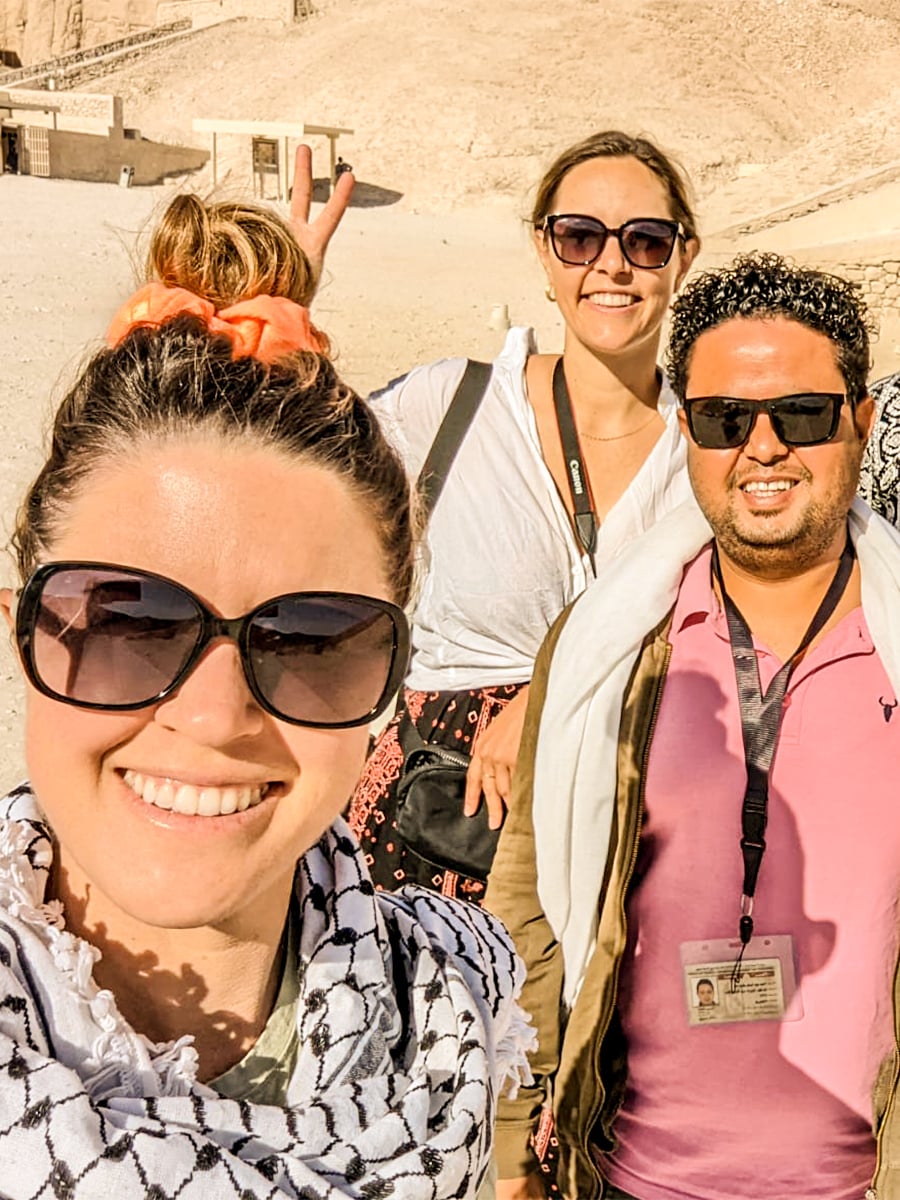
Private customized day trip in Luxor with Lunch
Tue, Feb 24 • 6:00 AM
Al Qarna, Luxor Governorate, 1340413, Egypt
View details
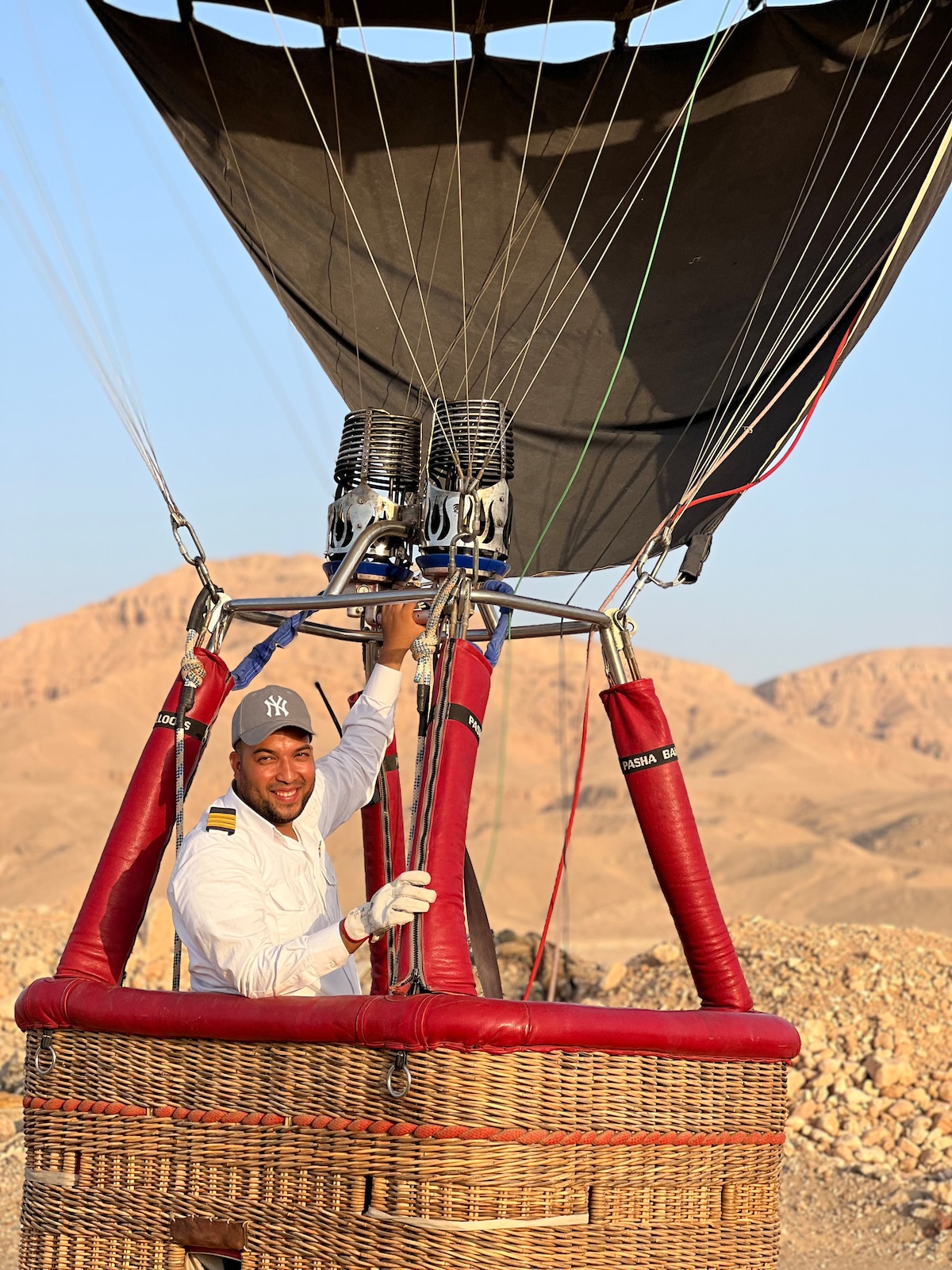
Balloons ride over luxor, Fly with Captain Moo
Tue, Feb 24 • 4:00 AM
Luxor City, Luxor Governorate, 00000, Egypt
View details
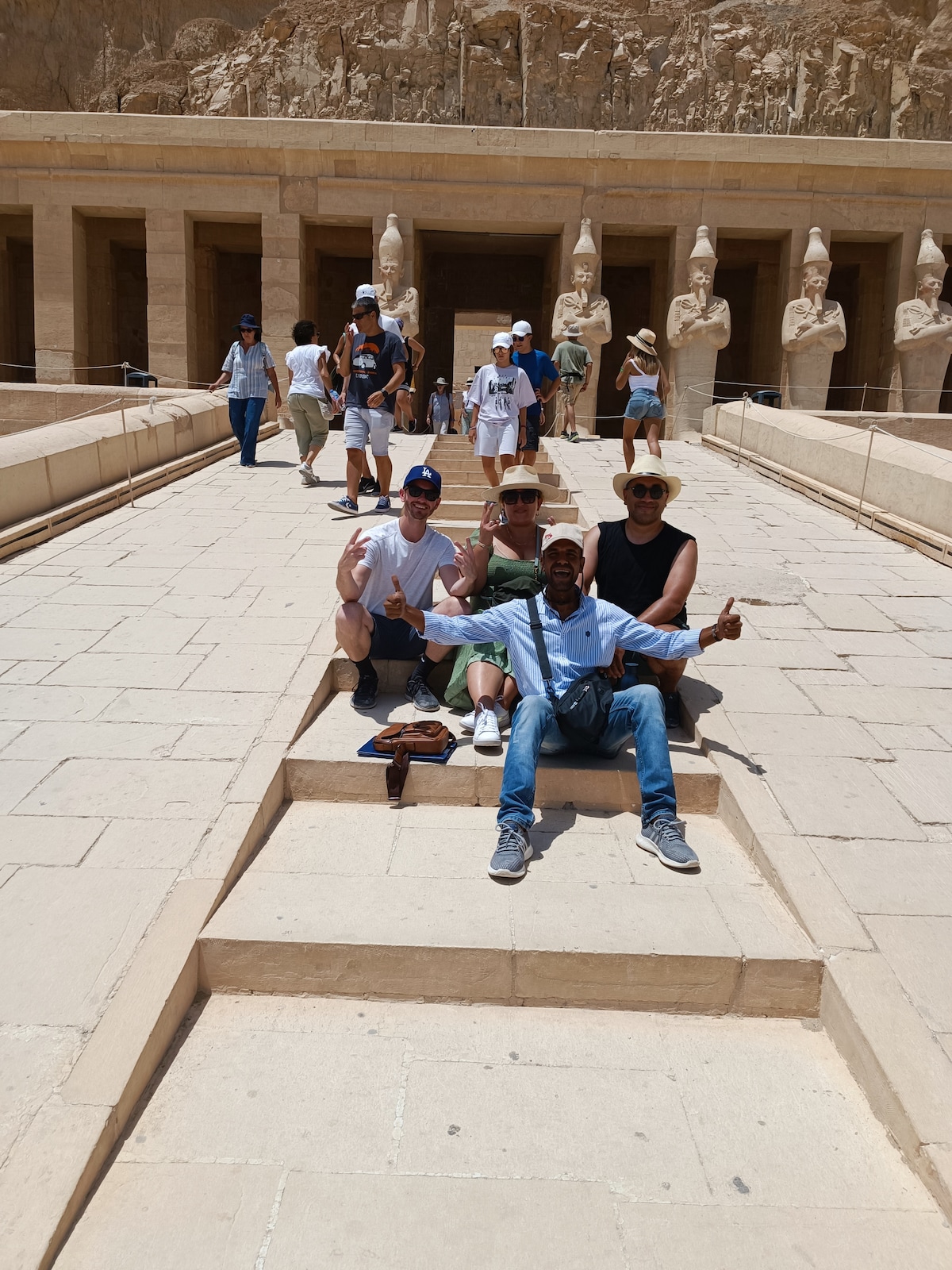
Luxor full-day sightseeing tour
Wed, Feb 25 • 7:00 AM
Luxor City, Luxor Governorate, 1362514, Egypt
View details
Nearby attractions of TT1 - Tomb of Sennedjem
Deir el-Medina
Tomb Of Inherkha
Temple of Deir el-Medina
TT3 - Tomb of Pashedu
Valley of the Queens
Qurnet Murai Necropolis
QV66 Tomb of Nefertari
메디넷 하부
Tombs of the Nobles
Ramesseum
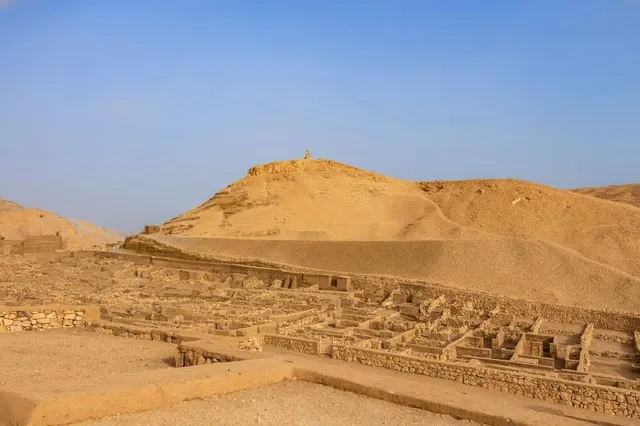
Deir el-Medina
4.6
(485)
Closed
Click for details
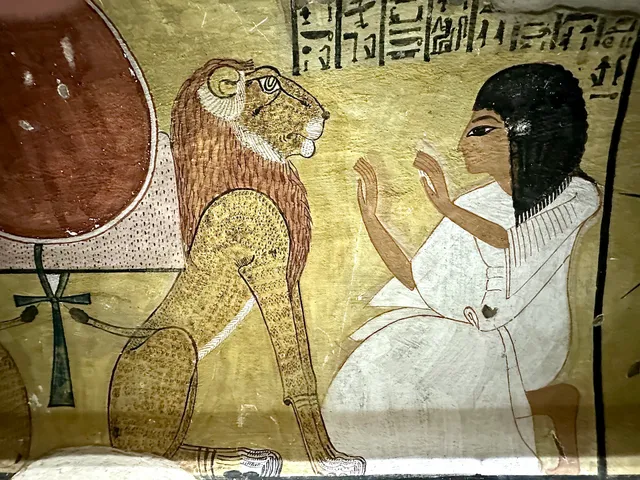
Tomb Of Inherkha
4.7
(17)
Closed
Click for details
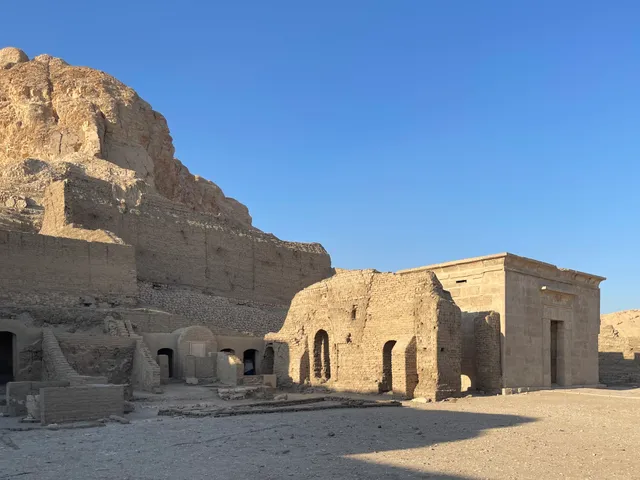
Temple of Deir el-Medina
4.7
(92)
Open 24 hours
Click for details
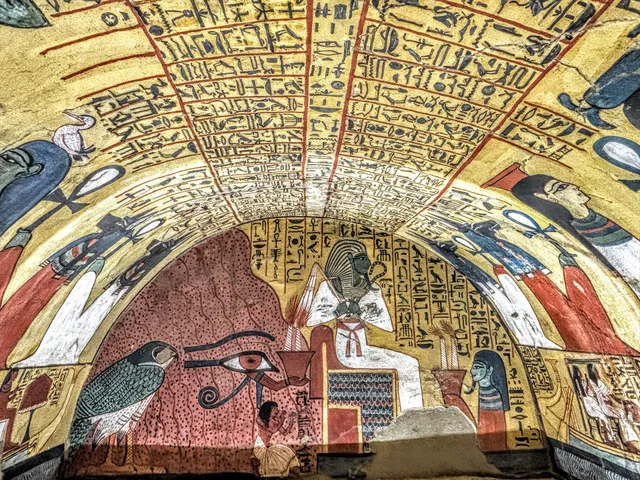
TT3 - Tomb of Pashedu
4.7
(10)
Open 24 hours
Click for details
Nearby restaurants of TT1 - Tomb of Sennedjem
Restaurant Mohamed
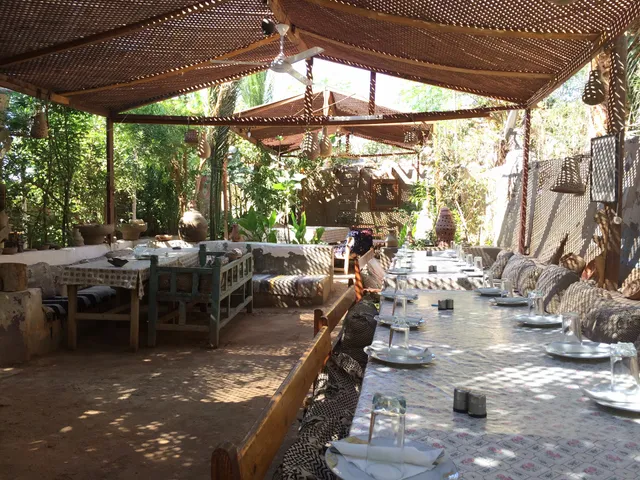
Restaurant Mohamed
4.7
(75)
Closed
Click for details