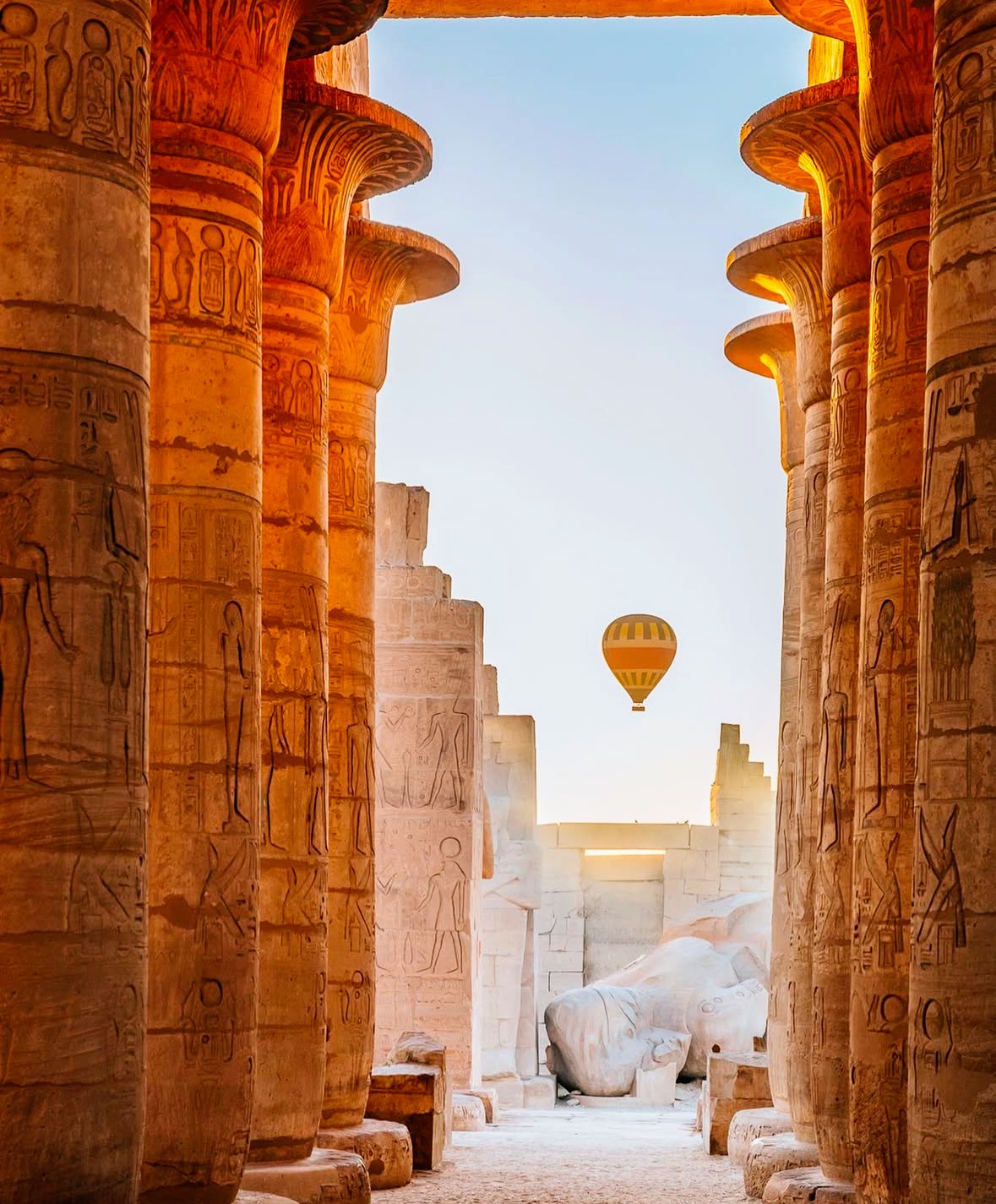
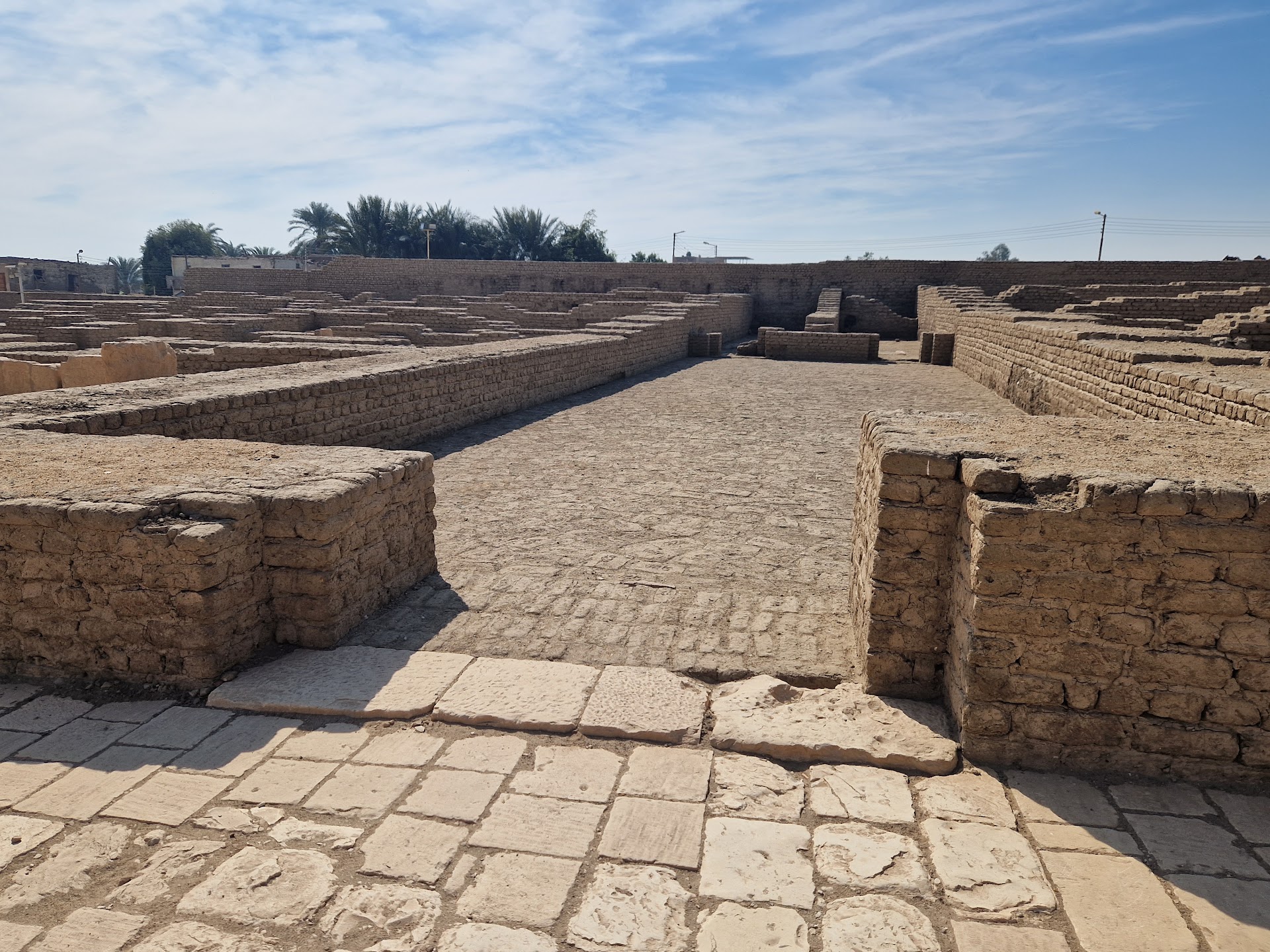
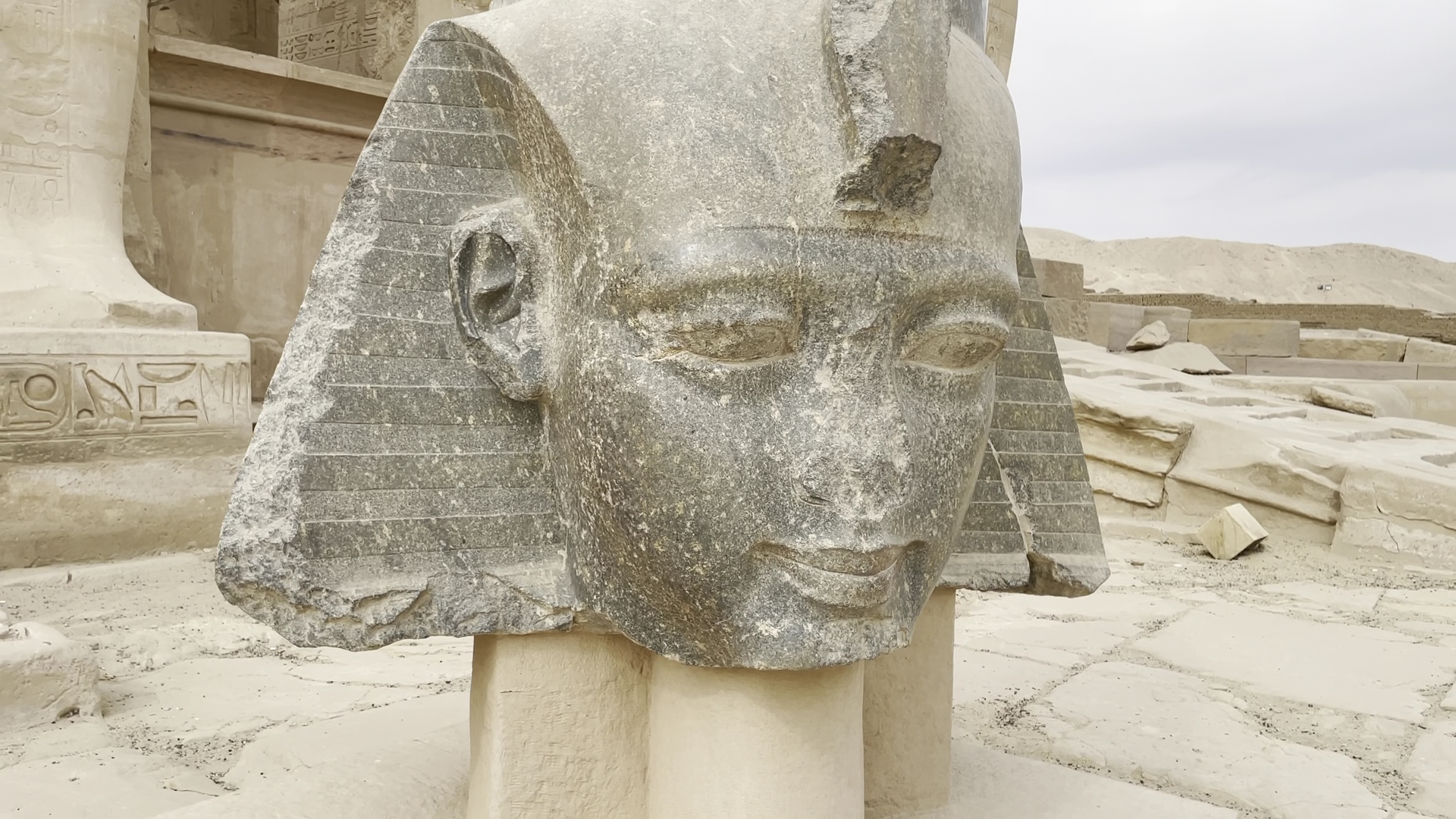
Ramesseum things to do, attractions, restaurants, events info and trip planning
Basic Info
Ramesseum
Edfo, Luxor Governorate 1341711, Egypt
4.7(466)
Open until 12:00 AM
Save
spot
spot
Ratings & Description
Info
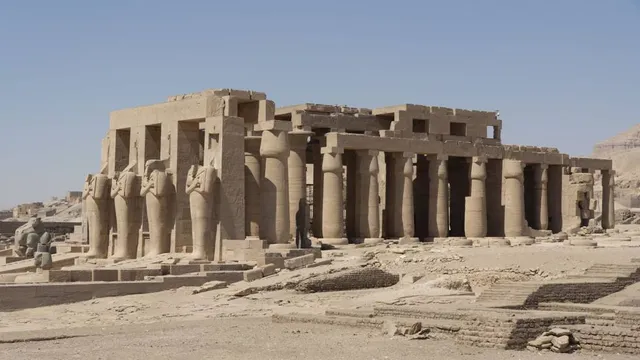
The Ramesseum is the memorial temple of Pharaoh Ramesses II. It is located in the Theban Necropolis in Upper Egypt, on the west of the River Nile, across from the modern city of Luxor.
Cultural
Scenic
Family friendly
attractions: Tombs of the Nobles, Mortuary Temple of Amenhotep III, Colossi of Memnon, Luxor hot air balloon, Deir el-Medina, Temple of Deir el-Medina, Hot Air Balloon Location, Qurnet Murai Necropolis, TT1 - Tomb of Sennedjem, Tomb Of Inherkha, restaurants: Ramesseum Rest House, Saray El Nile Restaurant مطعم سرايا النيل, Restaurant Mohamed, Memnon Guesthouse, Restaurant & Cafe, Bedouin island restaurant, Ali Baba Restaurant, Cleopatra fresh juice cafe, local businesses: Colossi of Memnon, Take-Off Hot Air Balloons, Salem Balloons Luxor, Luxor Hod Hod Soliman Balloning meeting point, Hot air balloon Luxor Take Off Site, Captain Moo balloon over luxor
 Learn more insights from Wanderboat AI.
Open hoursSee all hours
FriOpen 24 hoursOpen
Plan your stay

Pet-friendly Hotels in New Al Qarnh City
Find a cozy hotel nearby and make it a full experience.

Affordable Hotels in New Al Qarnh City
Find a cozy hotel nearby and make it a full experience.

The Coolest Hotels You Haven't Heard Of (Yet)
Find a cozy hotel nearby and make it a full experience.

Trending Stays Worth the Hype in New Al Qarnh City
Find a cozy hotel nearby and make it a full experience.
Reviews
Live events
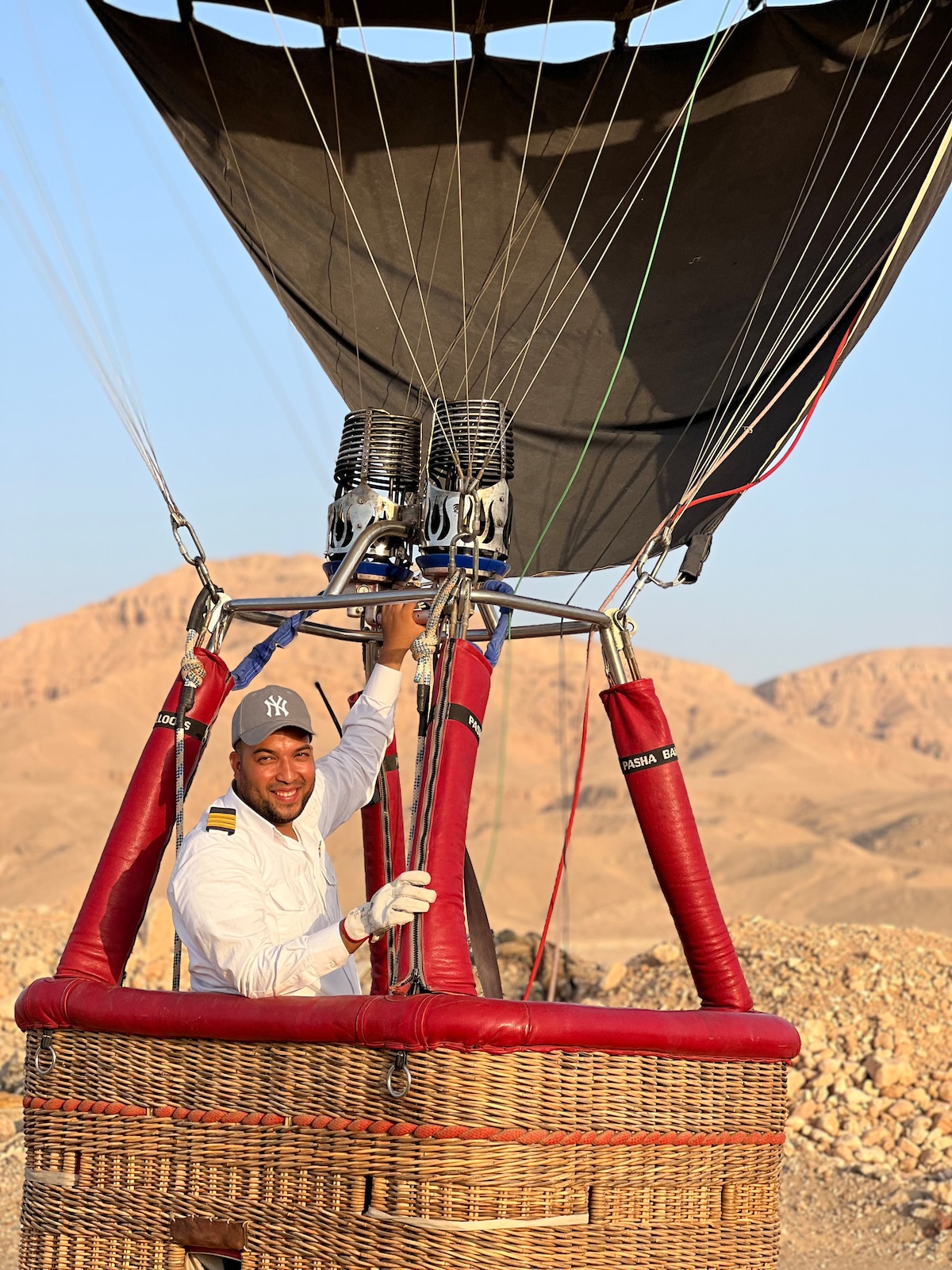
Balloons ride over luxor, Fly with Captain Moo
Mon, Feb 16 • 6:15 AM
Luxor City, Luxor Governorate, 00000, Egypt
View details
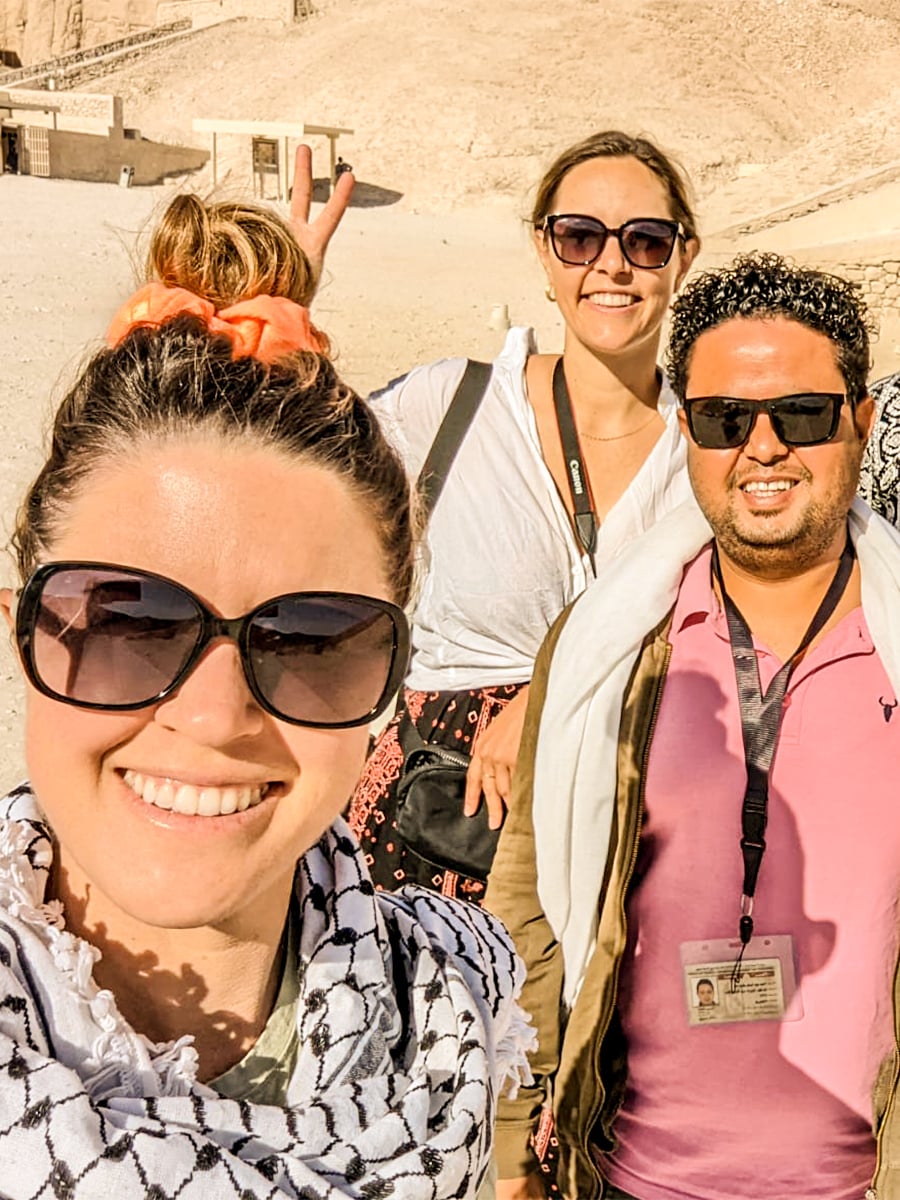
Private customized day trip in Luxor with Lunch
Fri, Feb 13 • 6:00 AM
Al Qarna, Luxor Governorate, 1340413, Egypt
View details
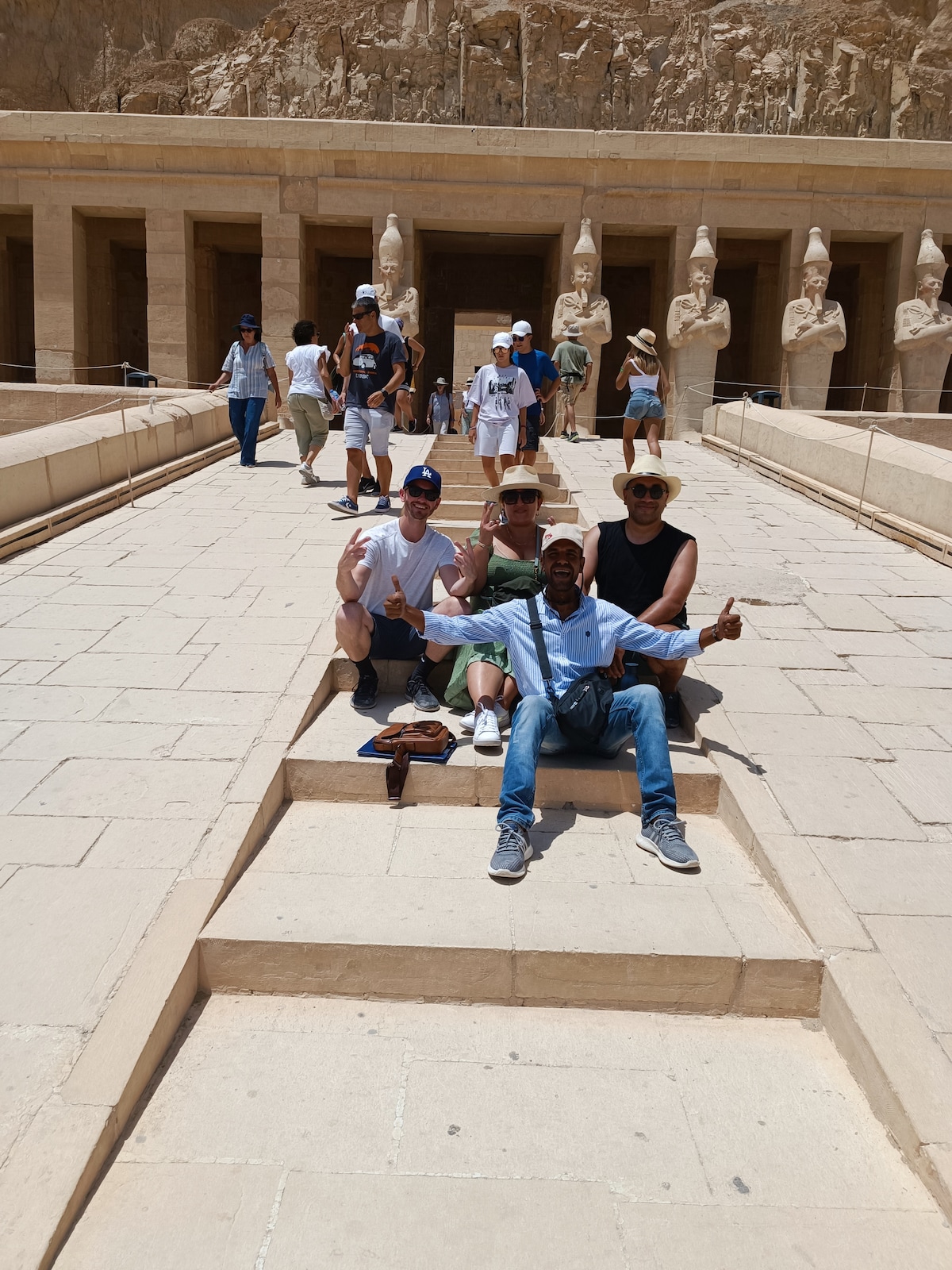
Luxor full-day sightseeing tour
Fri, Feb 13 • 7:00 AM
Luxor City, Luxor Governorate, 1362514, Egypt
View details
Nearby attractions of Ramesseum
Tombs of the Nobles
Mortuary Temple of Amenhotep III
Colossi of Memnon
Luxor hot air balloon
Deir el-Medina
Temple of Deir el-Medina
Hot Air Balloon Location
Qurnet Murai Necropolis
TT1 - Tomb of Sennedjem
Tomb Of Inherkha
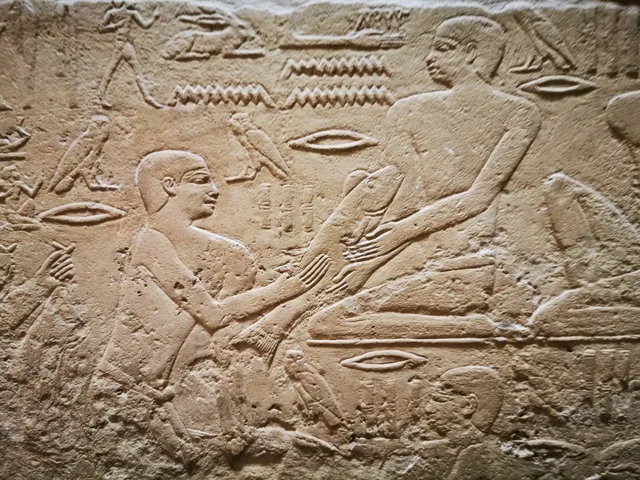
Tombs of the Nobles
4.5
(252)
Open until 6:00 PM
Click for details
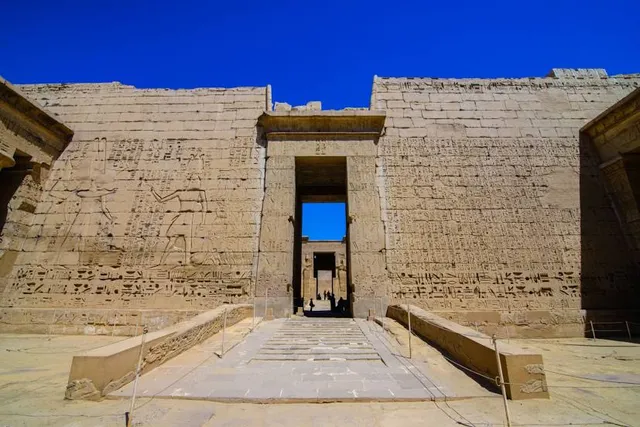
Mortuary Temple of Amenhotep III
4.6
(3.4K)
Open until 5:00 PM
Click for details
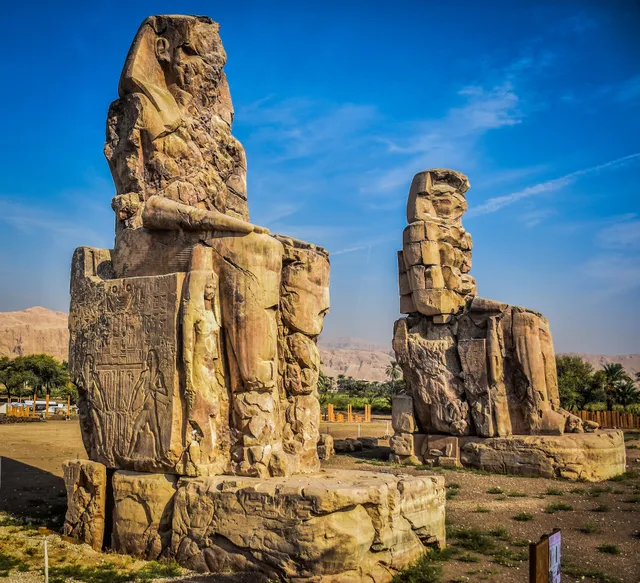
Colossi of Memnon
4.6
(4.4K)
Open 24 hours
Click for details
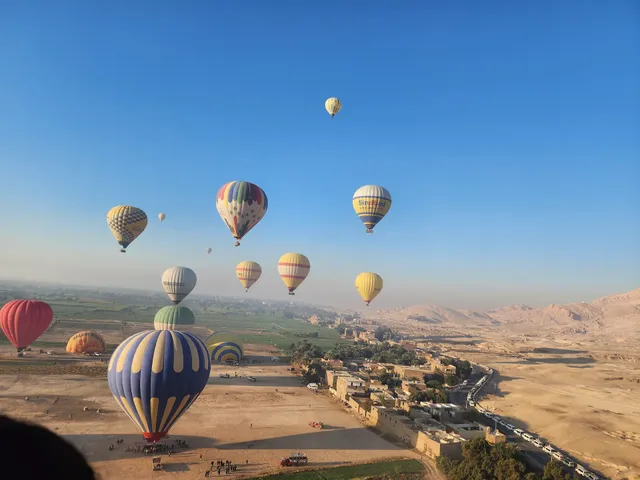
Luxor hot air balloon
4.7
(72)
Open until 6:00 PM
Click for details
Nearby restaurants of Ramesseum
Ramesseum Rest House
Saray El Nile Restaurant مطعم سرايا النيل
Restaurant Mohamed
Memnon Guesthouse, Restaurant & Cafe
Bedouin island restaurant
Ali Baba Restaurant
Cleopatra fresh juice cafe
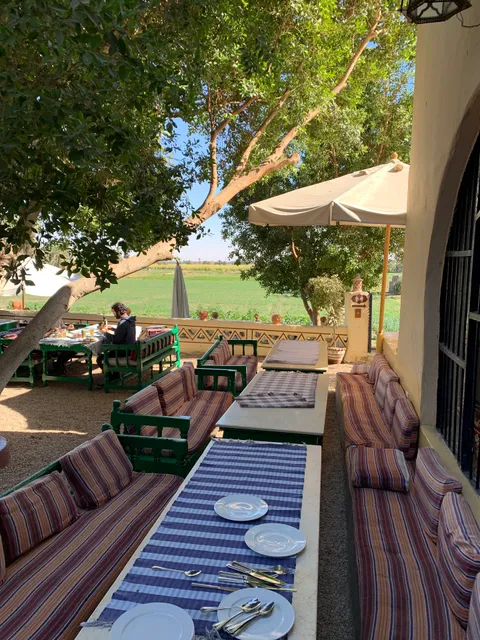
Ramesseum Rest House
4.2
(55)
$
Open until 12:00 AM
Click for details
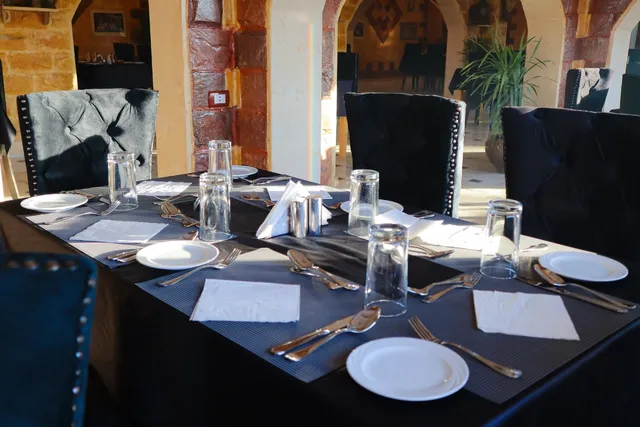
Saray El Nile Restaurant مطعم سرايا النيل
4.6
(82)
Open until 12:00 AM
Click for details
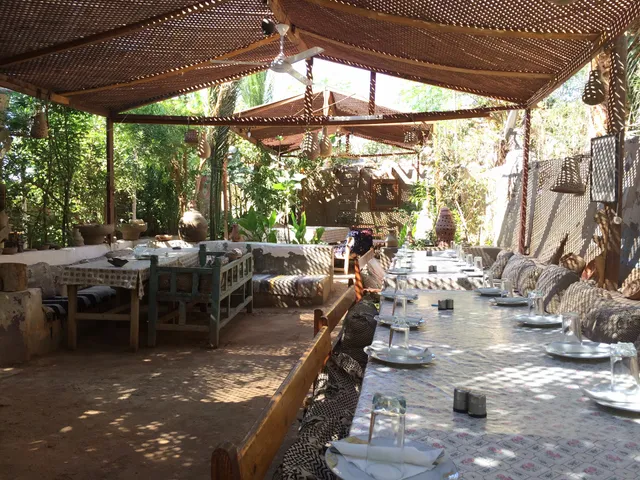
Restaurant Mohamed
4.7
(75)
Open until 11:00 PM
Click for details
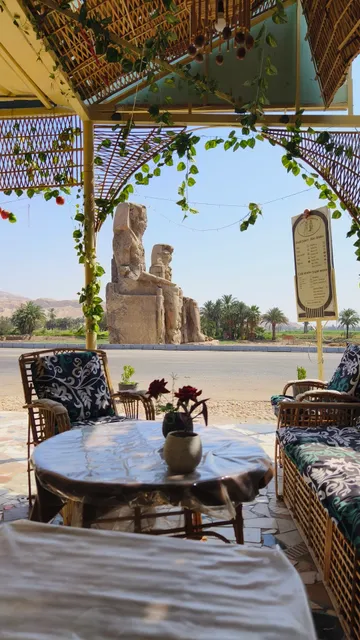
Memnon Guesthouse, Restaurant & Cafe
4.5
(51)
Click for details
Nearby local services of Ramesseum
Colossi of Memnon
Take-Off Hot Air Balloons
Salem Balloons Luxor
Luxor Hod Hod Soliman Balloning meeting point
Hot air balloon Luxor Take Off Site
Captain Moo balloon over luxor
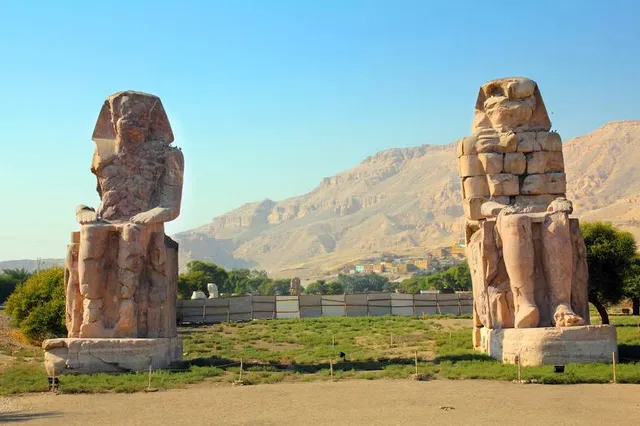
Colossi of Memnon
4.6
(3.1K)
Click for details
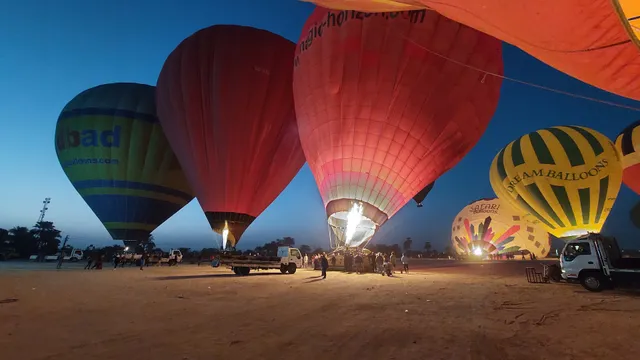
Take-Off Hot Air Balloons
4.8
(175)
Click for details
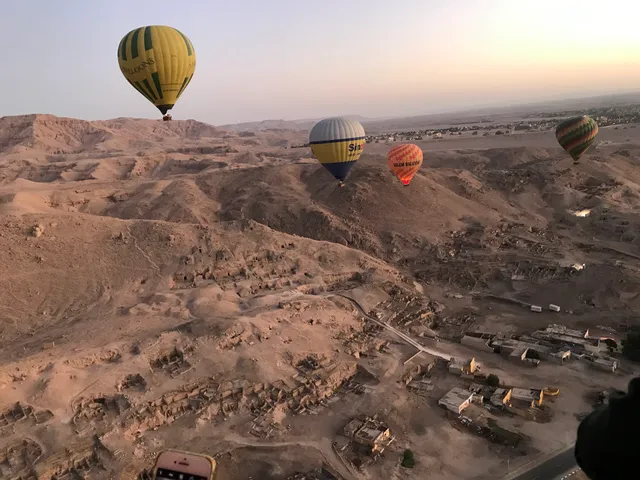
Salem Balloons Luxor
4.7
(230)
Click for details
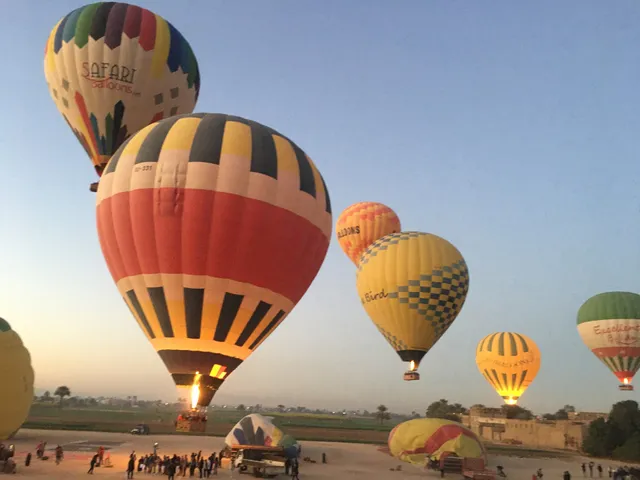
Luxor Hod Hod Soliman Balloning meeting point
4.6
(26)
Click for details