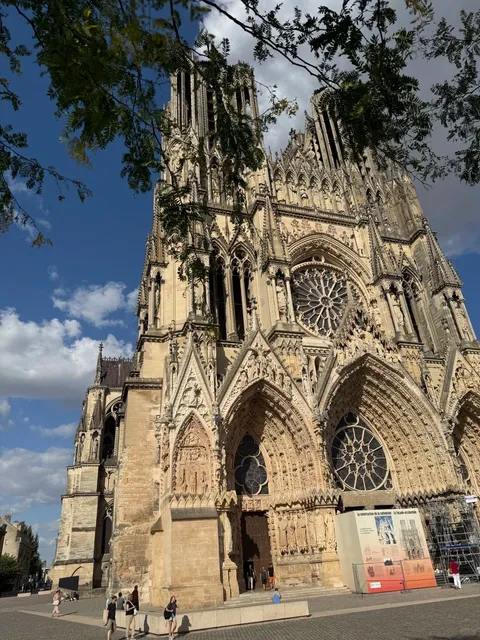
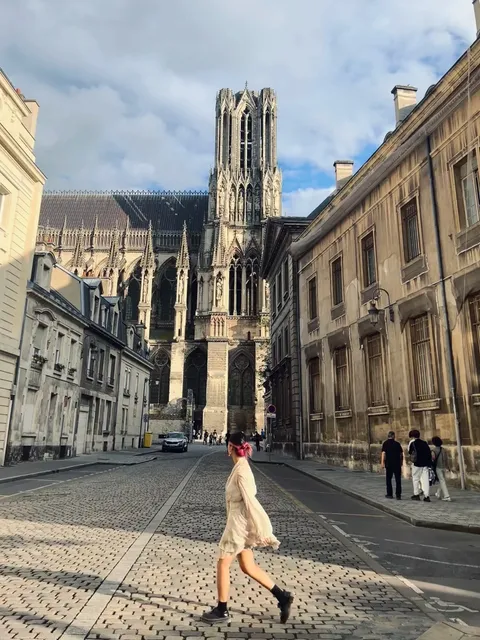
Cathedral of Notre-Dame of Reims things to do, attractions, restaurants, events info and trip planning
Basic Info
Cathedral of Notre-Dame of Reims
Pl. du Cardinal Luçon, 51100 Reims, France
4.7(10.8K)
Closed
Save
spot
spot
Ratings & Description
Info
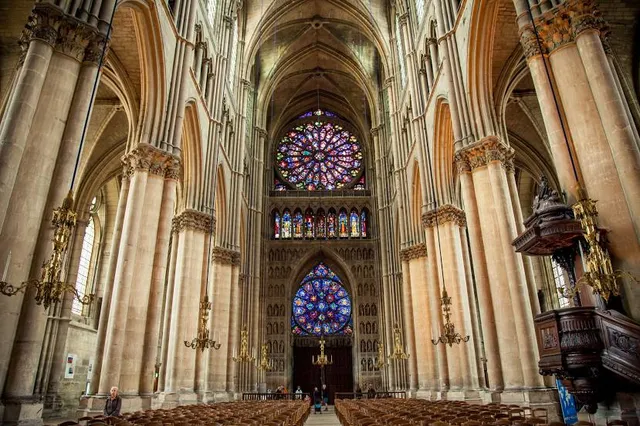
Notre-Dame de Reims, known in English as Reims Cathedral, is a Roman Catholic cathedral in the French city of the same name, the archiepiscopal see of the Archdiocese of Reims. The cathedral was dedicated to the Virgin Mary and was the traditional location for the coronation of the kings of France.
Cultural
Accessibility
attractions: Palais du Tau, Opéra de Reims, Carnegie Library of Reims, Cryptoportique, Statue de Jeanne d'Arc, Le Trésor, Museum of Fine Arts, Ruines du Couvent des Cordeliers, Musée-Hôtel Le Vergeur, Place Drouet d'Erlon, restaurants: DS Café Reims, Gueuleton Reims, Restaurant Gabrielle Toit Terrasse, NONNA Restaurant Italien Reims, Au Bureau - Pub et Brasserie, En Aparthé Reims, La grande georgette, Zhangliang malatang, Café Feuillette, Le Parvis, bar à Champagnes, bar à manger, caviste et épicerie fine, local businesses: Søstrene Grene, Le Chocolat Alain Ducasse, Le Comptoir Reims, Rose Glamour, Alimentation Générale Séran Épicerie, Distillerie de Reims, Place Royale, La Procure Largeron, Champagne Souvenirs, BHV Reims, Sacré Monsieur
 Learn more insights from Wanderboat AI.
Phone
+33 3 26 47 55 34
Website
cathedrale-reims.com
Open hoursSee all hours
Tue7:30 AM - 7:15 PMClosed
Plan your stay

Pet-friendly Hotels in Reims
Find a cozy hotel nearby and make it a full experience.

Affordable Hotels in Reims
Find a cozy hotel nearby and make it a full experience.

The Coolest Hotels You Haven't Heard Of (Yet)
Find a cozy hotel nearby and make it a full experience.

Trending Stays Worth the Hype in Reims
Find a cozy hotel nearby and make it a full experience.
Reviews
Live events

Candlelight: Hommage à Charles Aznavour
Fri, Jan 30 • 9:00 PM
6 Rue Lieutenant Herduin, Reims, 51100
View details

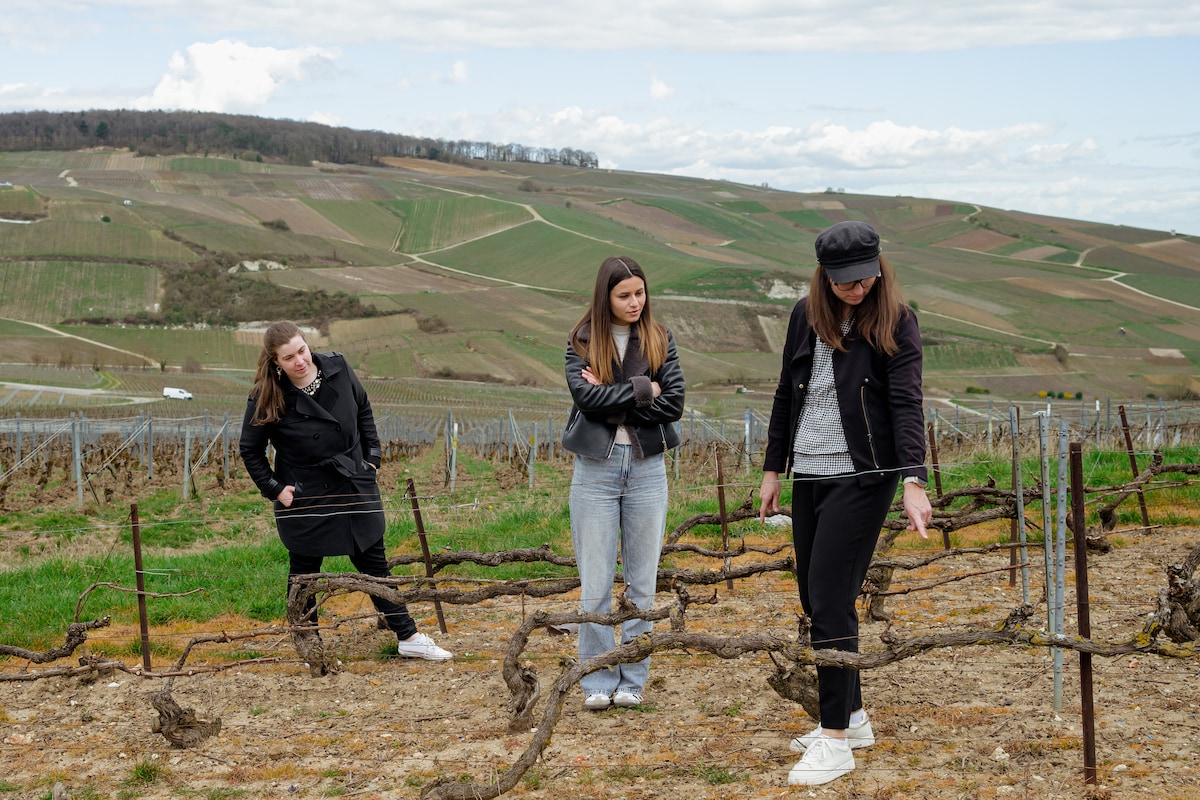
The secrets of champagne with a winemaker
Wed, Jan 28 • 9:30 AM
51100, Reims, France
View details
Champagne in a vintage vehicle
Wed, Jan 28 • 9:30 AM
51200, Épernay, France
View details
Nearby attractions of Cathedral of Notre-Dame of Reims
Palais du Tau
Opéra de Reims
Carnegie Library of Reims
Cryptoportique
Statue de Jeanne d'Arc
Le Trésor
Museum of Fine Arts
Ruines du Couvent des Cordeliers
Musée-Hôtel Le Vergeur
Place Drouet d'Erlon
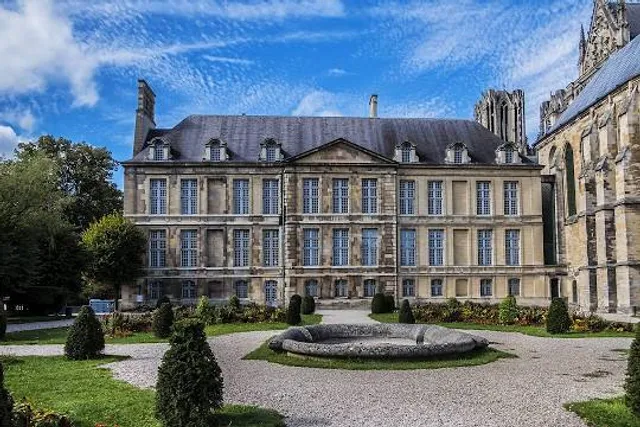
Palais du Tau
4.3
(631)
Open 24 hours
Click for details
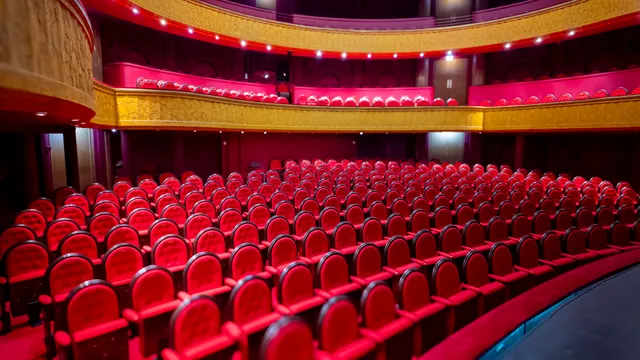
Opéra de Reims
4.6
(376)
Open 24 hours
Click for details
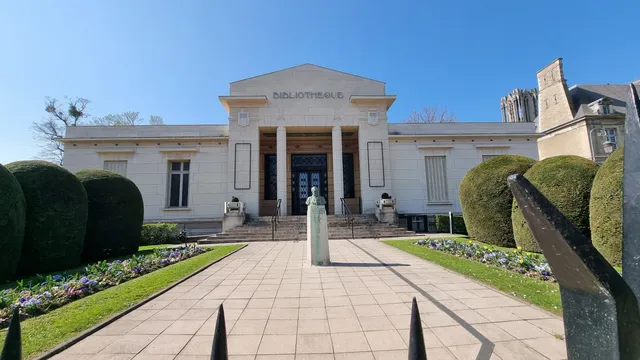
Carnegie Library of Reims
4.8
(91)
Open until 12:00 AM
Click for details
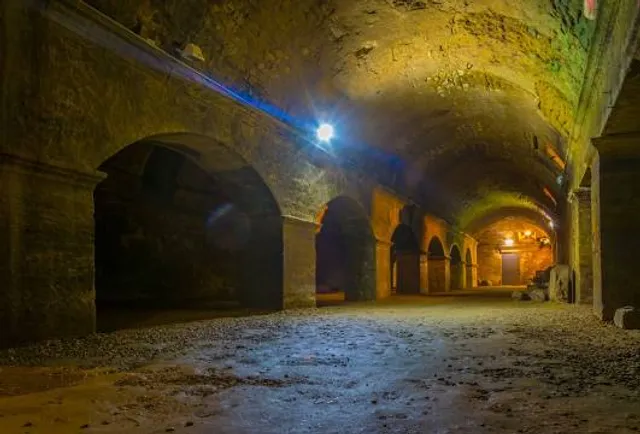
Cryptoportique
4.3
(514)
Open 24 hours
Click for details
Nearby restaurants of Cathedral of Notre-Dame of Reims
DS Café Reims
Gueuleton Reims
Restaurant Gabrielle Toit Terrasse
NONNA Restaurant Italien Reims
Au Bureau - Pub et Brasserie
En Aparthé Reims
La grande georgette
Zhangliang malatang
Café Feuillette
Le Parvis, bar à Champagnes, bar à manger, caviste et épicerie fine

DS Café Reims
5.0
(57)
Closed
Click for details
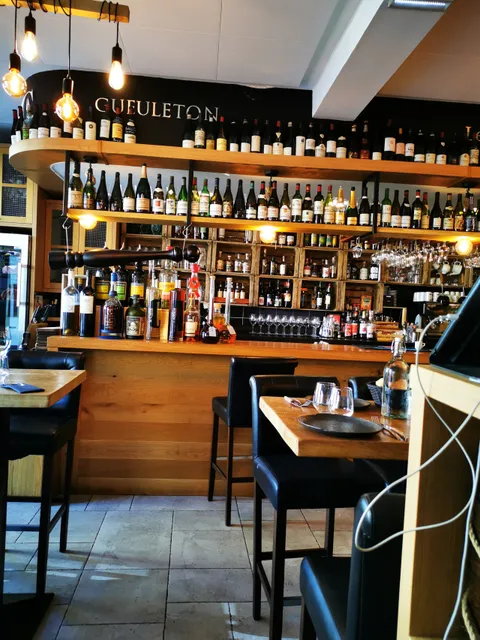
Gueuleton Reims
4.2
(1.1K)
$$
Open until 12:00 AM
Click for details
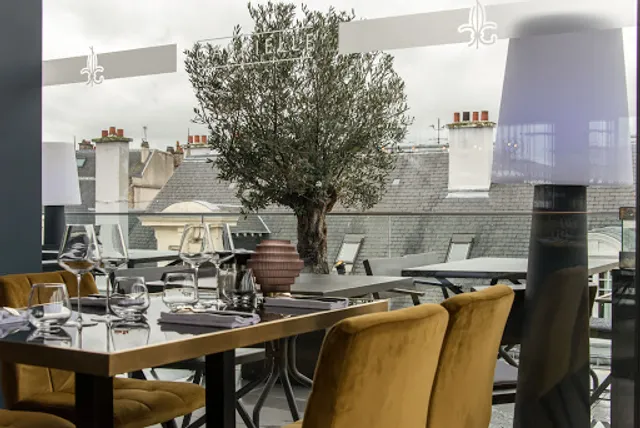
Restaurant Gabrielle Toit Terrasse
4.5
(979)
Open until 12:00 AM
Click for details
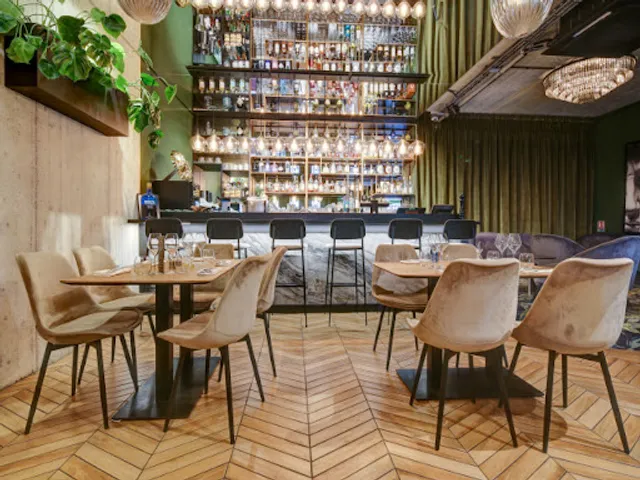
NONNA Restaurant Italien Reims
4.5
(611)
$$
Open until 12:00 AM
Click for details
Nearby local services of Cathedral of Notre-Dame of Reims
Søstrene Grene
Le Chocolat Alain Ducasse, Le Comptoir Reims
Rose Glamour
Alimentation Générale Séran Épicerie
Distillerie de Reims
Place Royale
La Procure Largeron
Champagne Souvenirs
BHV Reims
Sacré Monsieur

Søstrene Grene
4.2
(10)
Click for details

Le Chocolat Alain Ducasse, Le Comptoir Reims
4.7
(29)
Click for details
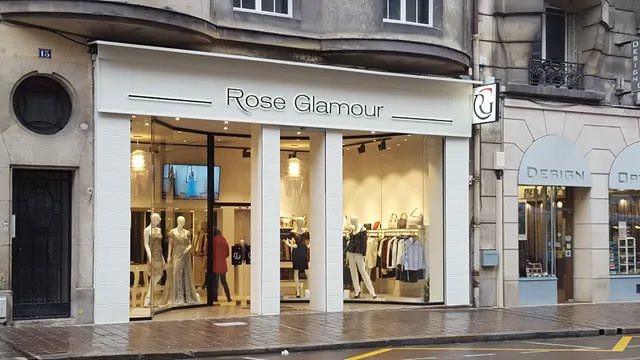
Rose Glamour
4.7
(210)
Click for details

Alimentation Générale Séran Épicerie
4.9
(614)
Click for details