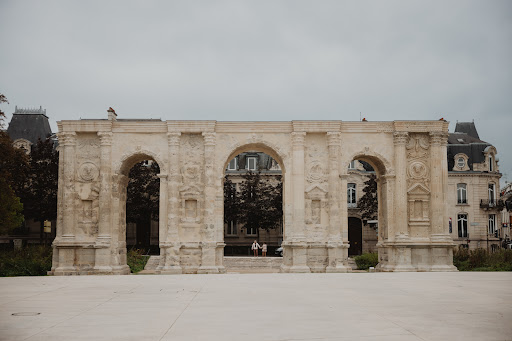
La Porte de Mars things to do, attractions, restaurants, events info and trip planning
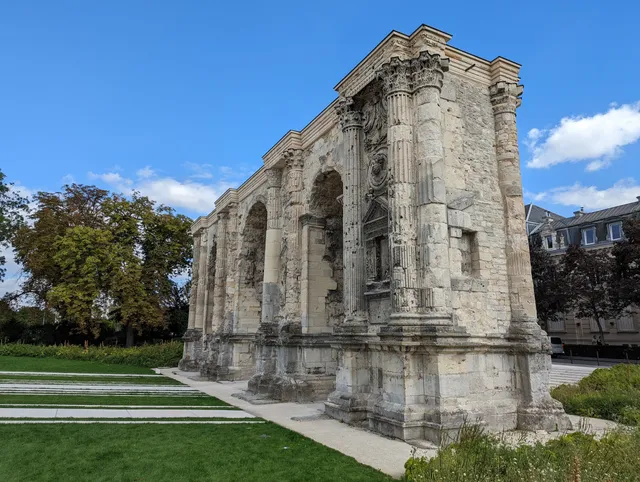
Basic Info
La Porte de Mars
Pl. de la République, 51100 Reims, France
4.5(1.1K)
Open until 12:00 AM
Save
spot
spot
Ratings & Description
Info
Cultural
Accessibility
attractions: Champagne Charles de Cazanove, Memorial, Musée de la Reddition, 3W Gallery, Reims Arena, Square Colbert, Place Drouet d'Erlon, Cryptoportique, Champagne Taittinger | Demeure des Comtes de Champagne, Musée-Hôtel Le Vergeur, restaurants: The Market Brew House, Au Petit Comptoir, Le Bistrot du Pressoir, BASTA ! RISTORANTE E BAR, Le Clos, Le Bocal de la poissonnerie des halles, La Table des Halles, Version Originale, Le Marché, O SUSHI, local businesses: Time Adventure - Escape Game Reims, Le Chocolat Alain Ducasse, Le Comptoir Reims, Marché de Noël de Reims, House Caffet Reims Chocolatier Patisserie, Marché du Boulingrin, Cycles de Reims (Altermove) - Magasin Vélos & Réparation - Point Grand Reims Mobilités, 51 TELECOM, Cimetière du Nord à Reims, Le Cellier, Monsieur Coiffeur & Barbier
 Learn more insights from Wanderboat AI.
Phone
+33 3 26 77 78 79
Website
reims-tourisme.com
Open hoursSee all hours
SunOpen 24 hoursOpen
Plan your stay

Pet-friendly Hotels in Reims
Find a cozy hotel nearby and make it a full experience.

Affordable Hotels in Reims
Find a cozy hotel nearby and make it a full experience.

The Coolest Hotels You Haven't Heard Of (Yet)
Find a cozy hotel nearby and make it a full experience.

Trending Stays Worth the Hype in Reims
Find a cozy hotel nearby and make it a full experience.
Reviews
Live events
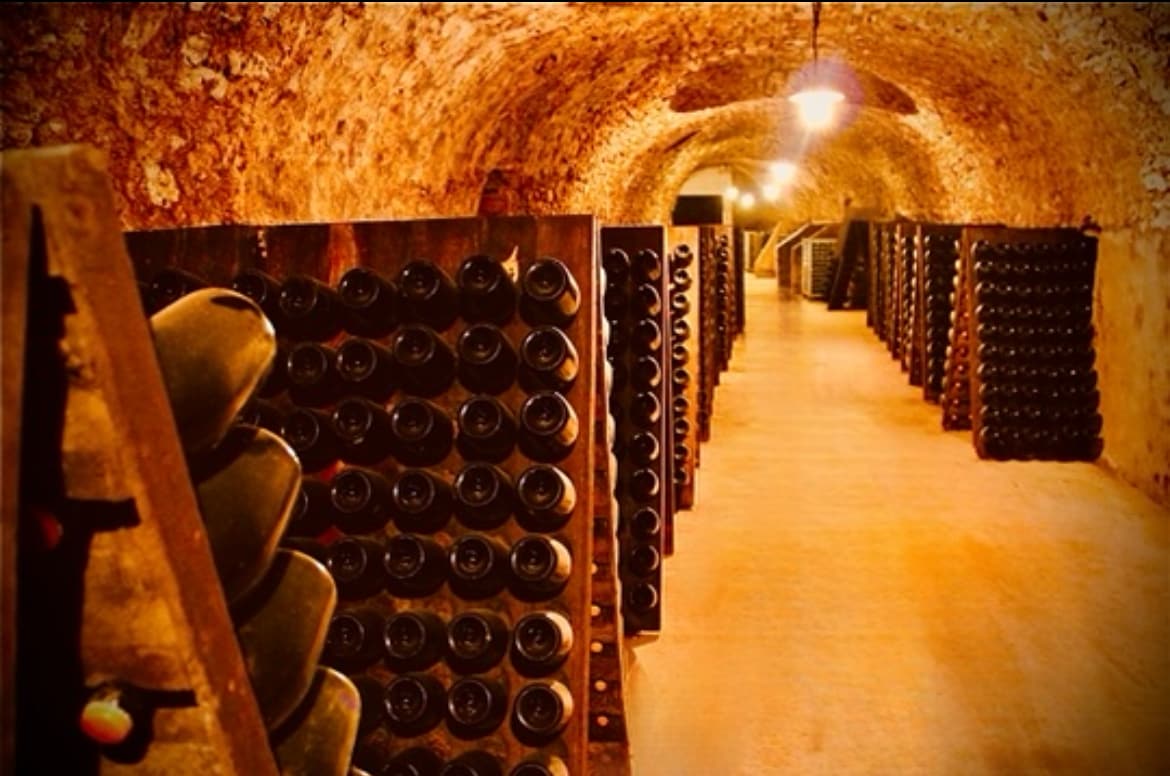
Immersive Cellar Tour
Sun, Feb 22 • 10:30 AM
51530, Dizy, France
View details
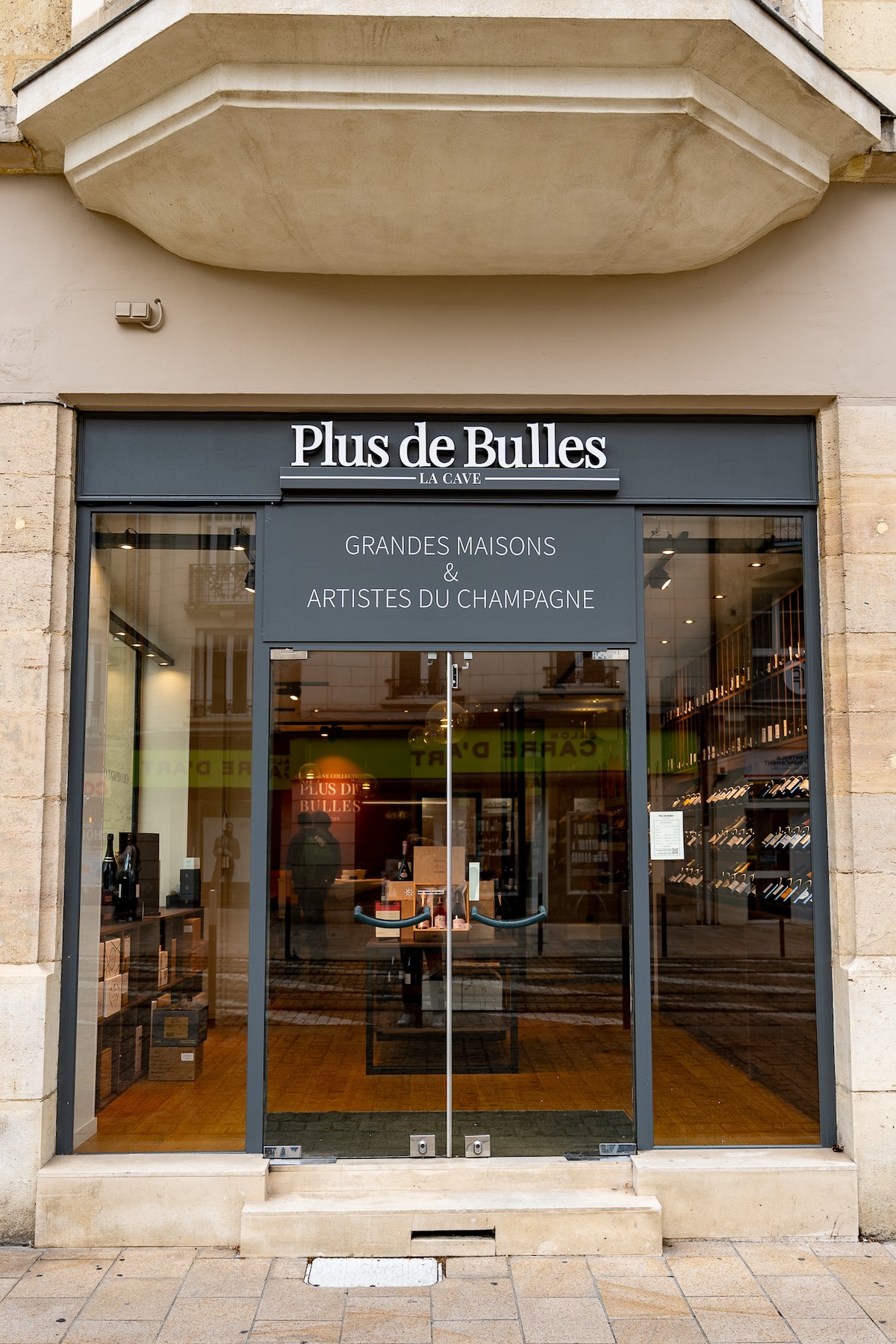
Winegrowers champagnes: taste, learn
Thu, Feb 26 • 2:00 PM
51100, Reims, France
View details

Investigate Champagne vineyard traditions
Mon, Feb 23 • 10:00 AM
51480, Cormoyeux, France
View details
Nearby attractions of La Porte de Mars
Champagne Charles de Cazanove
Memorial
Musée de la Reddition
3W Gallery
Reims Arena
Square Colbert
Place Drouet d'Erlon
Cryptoportique
Champagne Taittinger | Demeure des Comtes de Champagne
Musée-Hôtel Le Vergeur
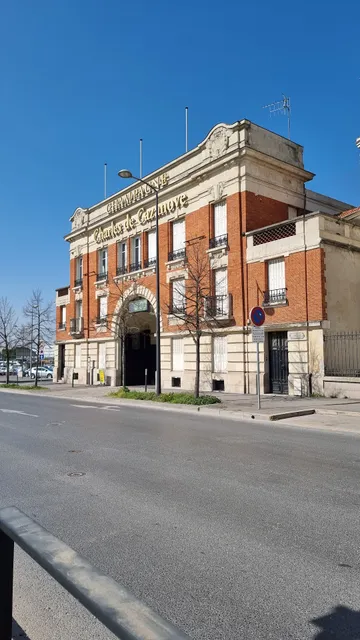
Champagne Charles de Cazanove
4.1
(127)
Closed
Click for details

Memorial
4.5
(41)
Open until 12:00 AM
Click for details
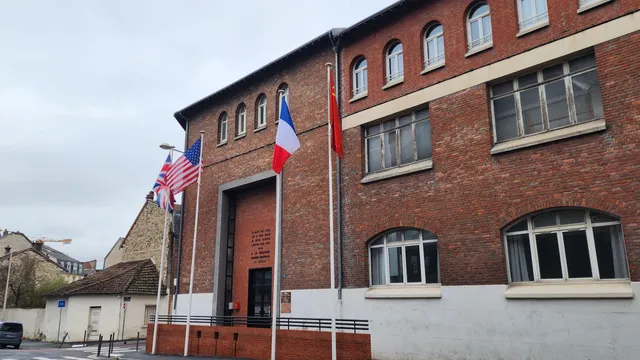
Musée de la Reddition
4.5
(541)
Open 24 hours
Click for details
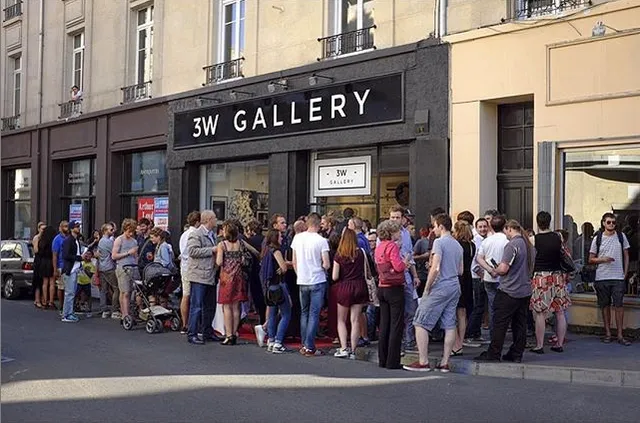
3W Gallery
4.9
(11)
Open until 12:00 AM
Click for details
Nearby restaurants of La Porte de Mars
The Market Brew House
Au Petit Comptoir
Le Bistrot du Pressoir
BASTA ! RISTORANTE E BAR
Le Clos
Le Bocal de la poissonnerie des halles
La Table des Halles
Version Originale
Le Marché
O SUSHI
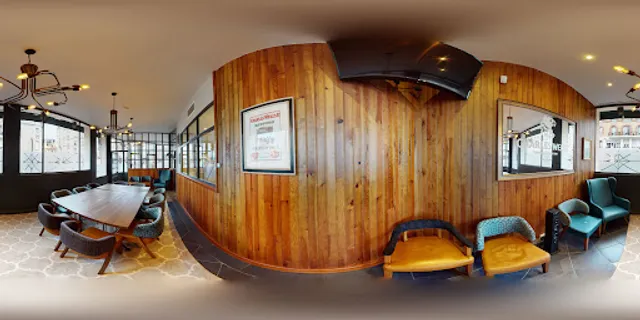
The Market Brew House
4.6
(573)
$
Closed
Click for details
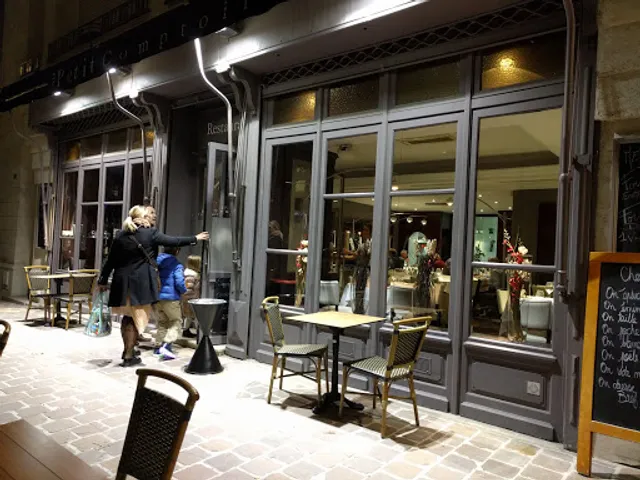
Au Petit Comptoir
4.5
(455)
$$
Open until 12:00 AM
Click for details
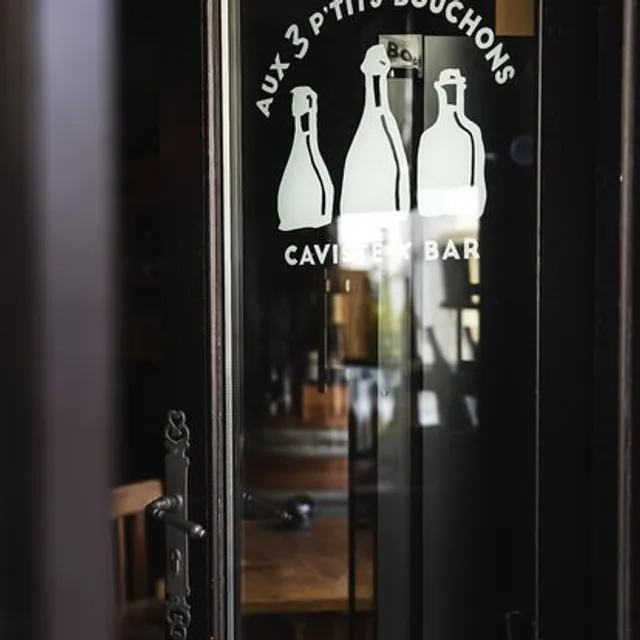
Le Bistrot du Pressoir
4.6
(195)
$$
Open until 12:00 AM
Click for details
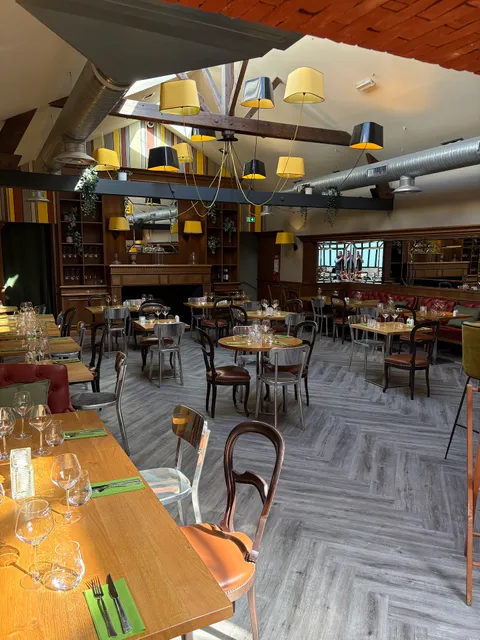
BASTA ! RISTORANTE E BAR
4.8
(616)
$$
Closed
Click for details
Nearby local services of La Porte de Mars
Time Adventure - Escape Game Reims
Le Chocolat Alain Ducasse, Le Comptoir Reims
Marché de Noël de Reims
House Caffet Reims Chocolatier Patisserie
Marché du Boulingrin
Cycles de Reims (Altermove) - Magasin Vélos & Réparation - Point Grand Reims Mobilités
51 TELECOM
Cimetière du Nord à Reims
Le Cellier
Monsieur Coiffeur & Barbier
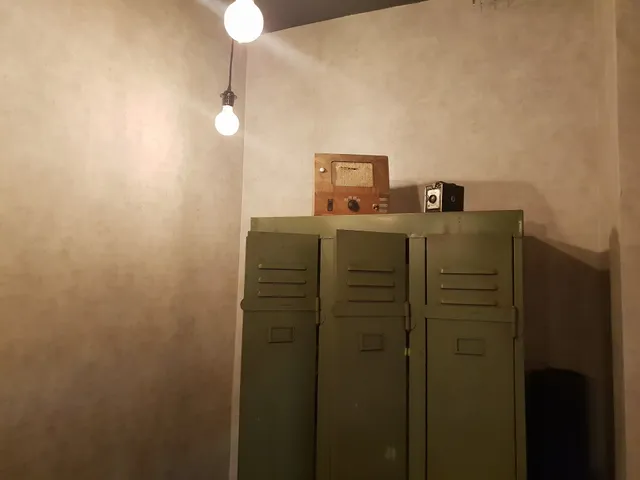
Time Adventure - Escape Game Reims
4.8
(270)
Click for details

Le Chocolat Alain Ducasse, Le Comptoir Reims
4.7
(32)
Click for details
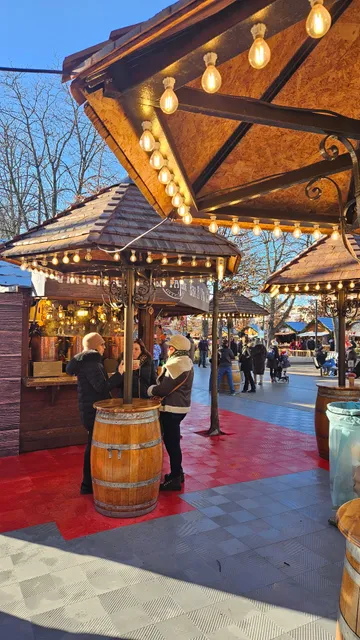
Marché de Noël de Reims
4.0
(250)
Click for details
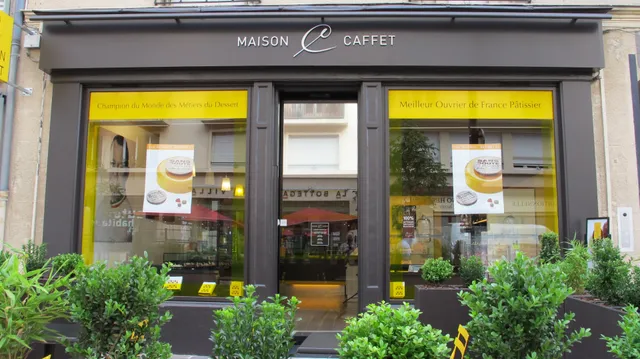
House Caffet Reims Chocolatier Patisserie
4.7
(120)
Click for details