Wenzelburg things to do, attractions, restaurants, events info and trip planning
Basic Info
Wenzelburg
Schloßinsel 1, 91207 Lauf an der Pegnitz, Germany
4.6(491)
Open 24 hours
Save
spot
spot
Ratings & Description
Info
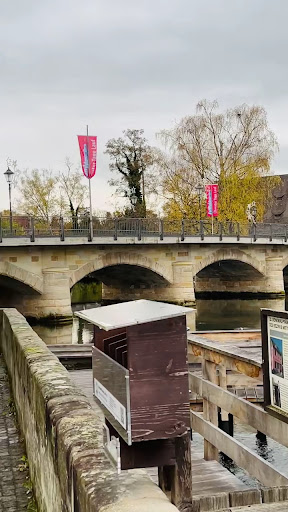
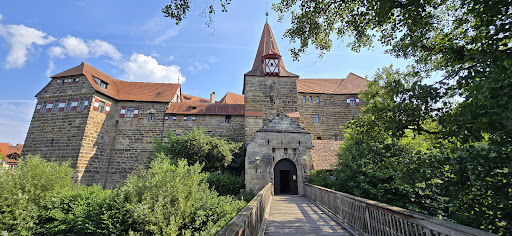
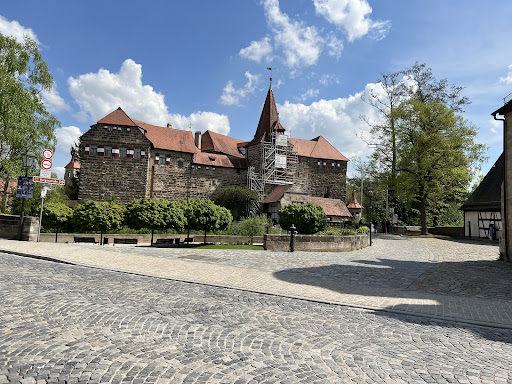
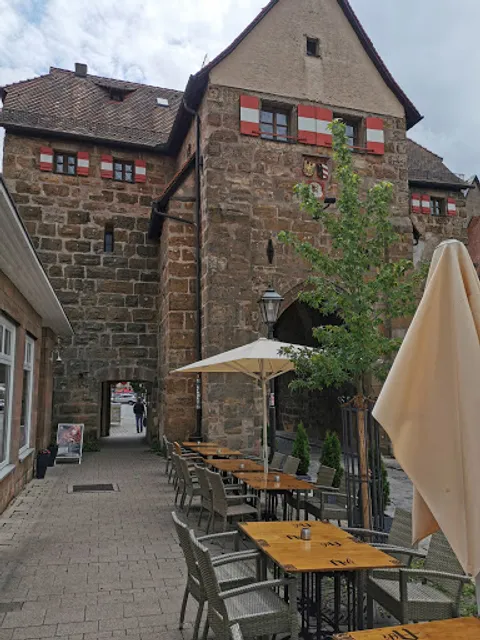
Lauf Castle was originally a medieval fortress in the town of Lauf an der Pegnitz near Nuremberg, Germany. The German name Wenzelschloss is derived from to the present day surviving statue of Saint Wenceslas, patron saint of Czechs, on the facade of the entrance gate.
Cultural
Scenic
Family friendly
Accessibility
attractions: Stadtarchiv - Lauf an der Pegnitz, Industriemuseum Lauf, Hersbrucker Tor, restaurants: Südlich Cafe Restauration Pizzeria, BIRKEL’S MANUFAKTUR, Altes Rathaus, Atli Restaurant, Padelle d'Italia Lauf, Restaurant Trattoria da Carmelo, Trattoria Pizzeria Pino, Estiatorio Symposion, EAT HAPPY
 Learn more insights from Wanderboat AI.
Phone
+49 9123 1844000
Website
lauf.de
Plan your stay

Pet-friendly Hotels in Lauf an der Pegnitz
Find a cozy hotel nearby and make it a full experience.

Affordable Hotels in Lauf an der Pegnitz
Find a cozy hotel nearby and make it a full experience.

The Coolest Hotels You Haven't Heard Of (Yet)
Find a cozy hotel nearby and make it a full experience.

Trending Stays Worth the Hype in Lauf an der Pegnitz
Find a cozy hotel nearby and make it a full experience.
Reviews
Nearby attractions of Wenzelburg
Stadtarchiv - Lauf an der Pegnitz
Industriemuseum Lauf
Hersbrucker Tor
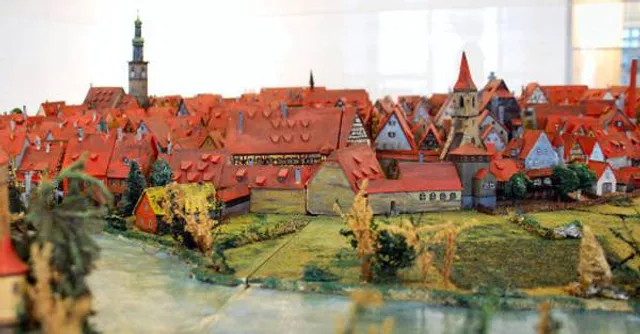
Stadtarchiv - Lauf an der Pegnitz
5.0
(8)
Open 24 hours
Click for details
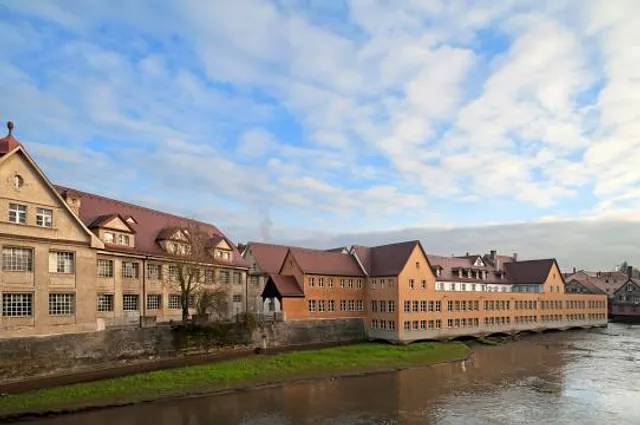
Industriemuseum Lauf
4.7
(350)
Open 24 hours
Click for details
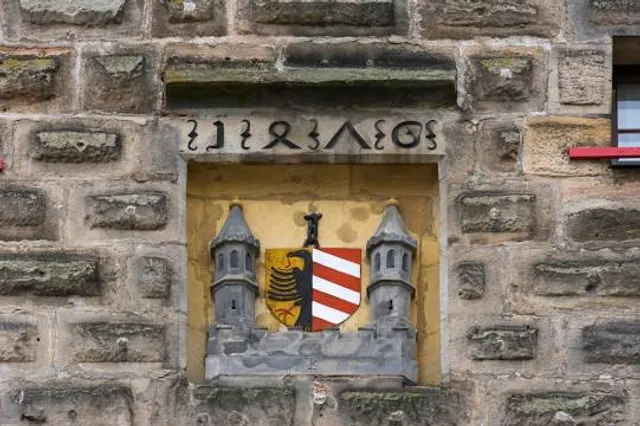
Hersbrucker Tor
4.5
(15)
Open 24 hours
Click for details
Things to do nearby

View From Above Nürnberg
Sat, Jan 3 • 10:00 AM
Breite G. 91, 90402
View details
Candlelight: Ed Sheeran meets Coldplay
Fri, Jan 9 • 8:00 PM
Bahnhofstraße 1-3, Nürnberg, 90402
View details
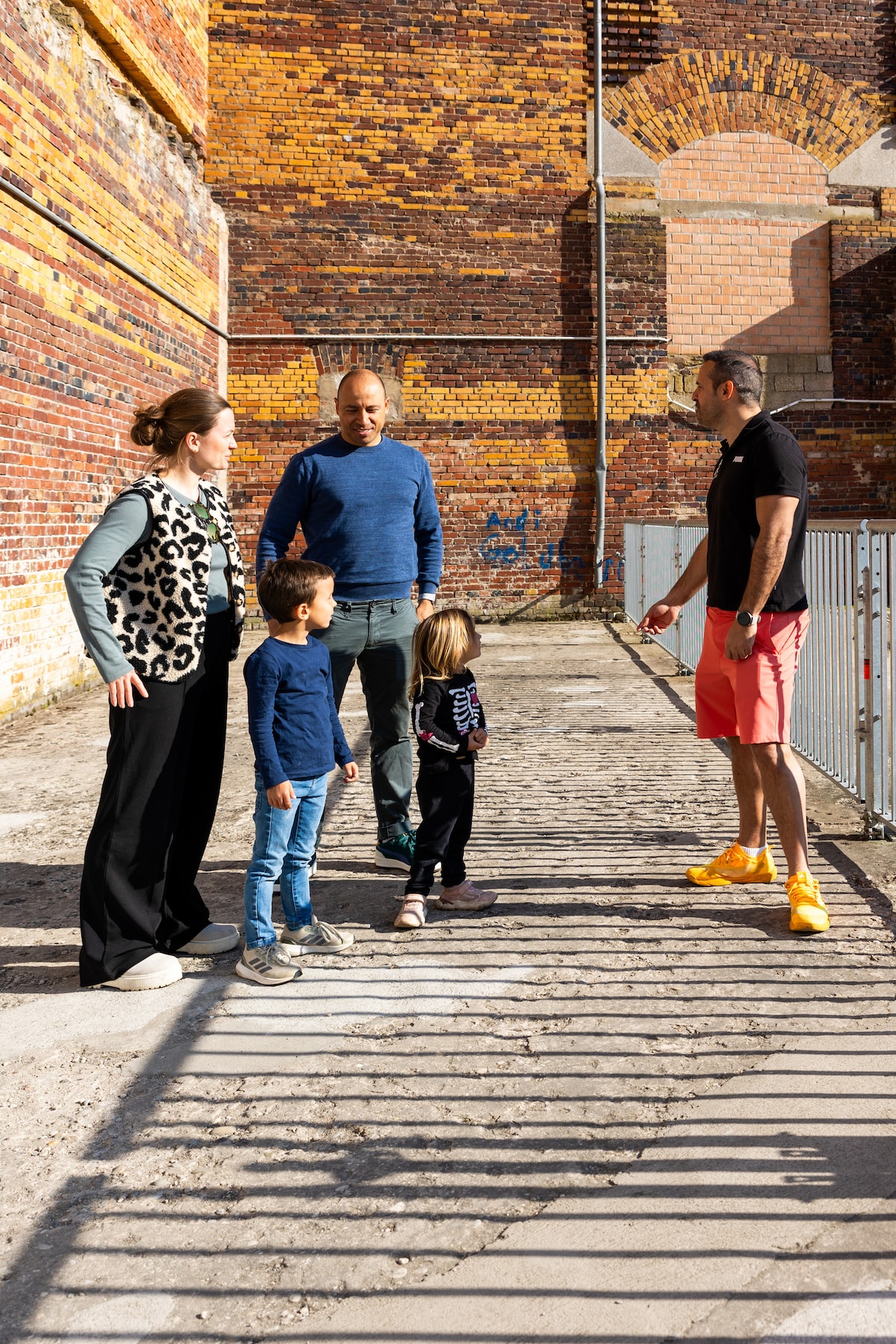
Uncover Nurembergs WWII story with a local guide
Thu, Jan 8 • 9:00 AM
90402, Nuremberg, Germany
View details
Nearby restaurants of Wenzelburg
Südlich Cafe Restauration Pizzeria
BIRKEL’S MANUFAKTUR
Altes Rathaus
Atli Restaurant
Padelle d'Italia Lauf
Restaurant Trattoria da Carmelo
Trattoria Pizzeria Pino
Estiatorio Symposion
EAT HAPPY
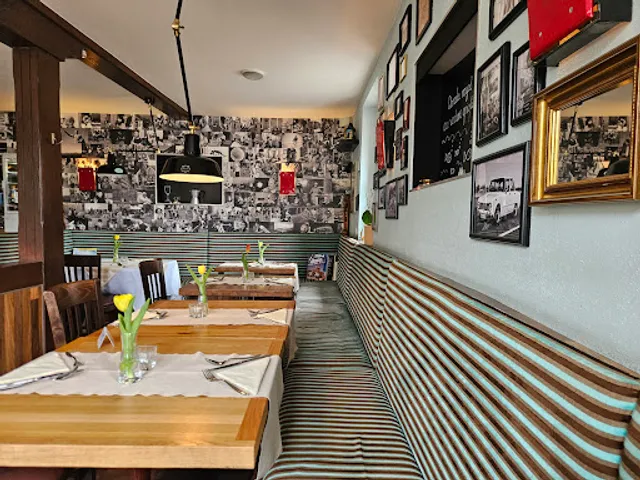
Südlich Cafe Restauration Pizzeria
4.4
(365)
Click for details
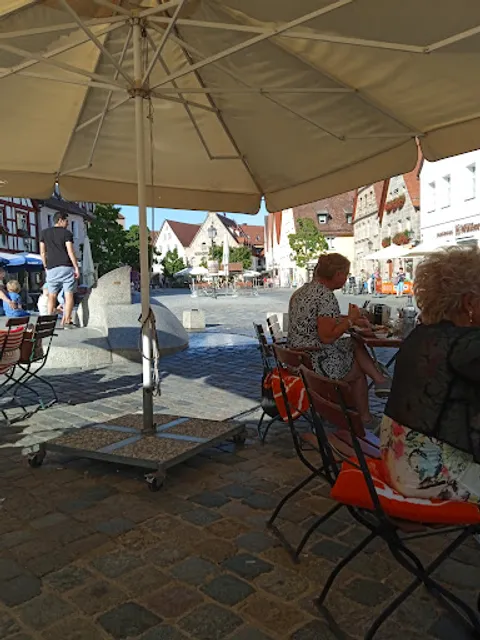
BIRKEL’S MANUFAKTUR
4.4
(486)
Click for details
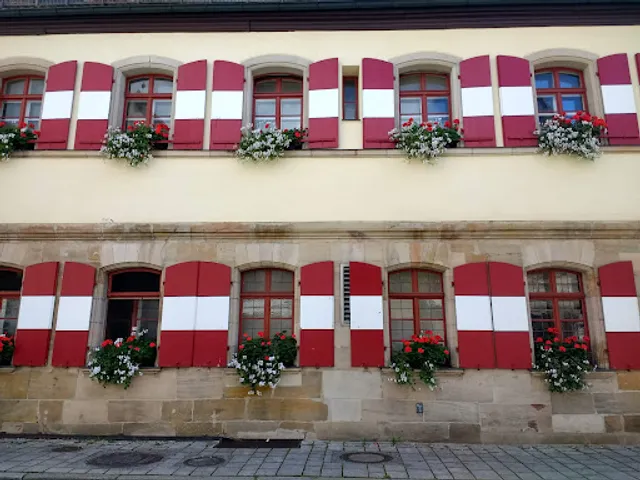
Altes Rathaus
4.5
(355)
Click for details
Atli Restaurant
4.5
(470)
Click for details