Monument to the Battle of the Nations things to do, attractions, restaurants, events info and trip planning
Basic Info
Monument to the Battle of the Nations
Str. des 18. Oktober 100, 04299 Leipzig, Germany
4.7(10.6K)
Closed

tickets
Save
spot
spot
Ratings & Description
Info
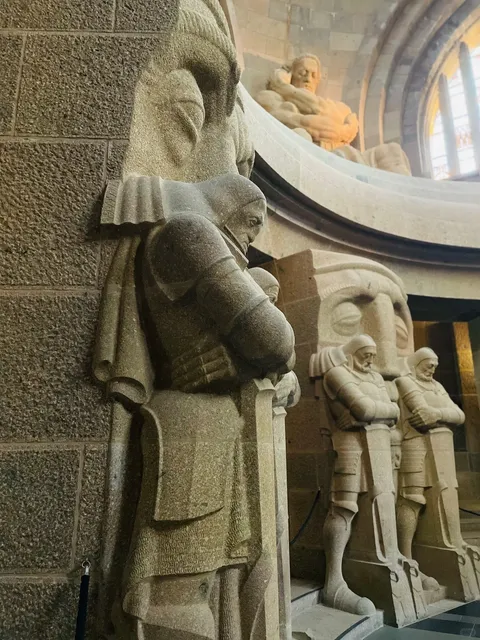
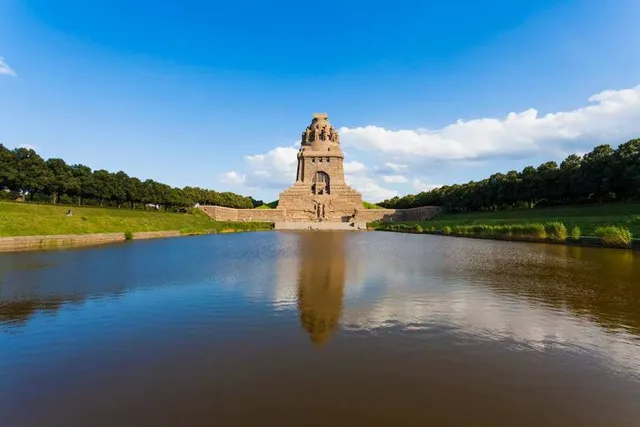
The Monument to the Battle of the Nations is a monument in Leipzig, Germany, to the 1813 Battle of Leipzig, also known as the Battle of the Nations. Paid for mostly by donations and the city of Leipzig, it was completed in 1913 for the 100th anniversary of the battle at a cost of six million goldmarks.
Cultural
Outdoor
Accessibility
attractions: Forum 1813 - Museum zur Völkerschlacht bei Leipzig, Südfriedhof, Napoleonstein, restaurants: Restaurant Pellorus, Schnittstelle1845, Brauhaus Napoleon, Ambrosia, Stötteritzer Margerite, Asia Pfanne, Gaststätte SüdOst, Markthalle at Lichtenbergweg 5D, local businesses: See der Tränen
 Learn more insights from Wanderboat AI.
Phone
+49 341 2416870
Website
stiftung-voelkerschlachtdenkmal-leipzig.de
Open hoursSee all hours
Sun10 a.m. - 4 p.m.Closed
Plan your stay

Pet-friendly Hotels in Leipzig
Find a cozy hotel nearby and make it a full experience.

Affordable Hotels in Leipzig
Find a cozy hotel nearby and make it a full experience.

The Coolest Hotels You Haven't Heard Of (Yet)
Find a cozy hotel nearby and make it a full experience.

Trending Stays Worth the Hype in Leipzig
Find a cozy hotel nearby and make it a full experience.
Reviews
Live events
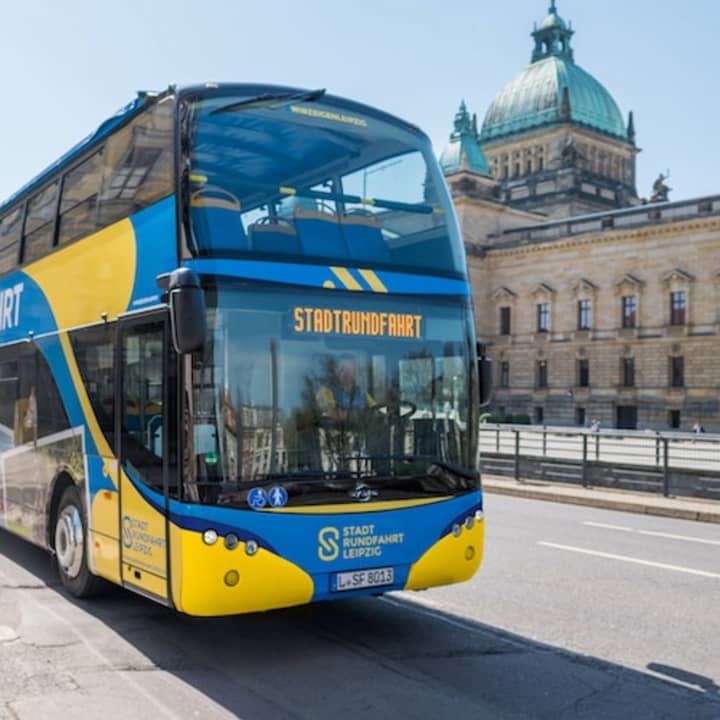
Hop-on Hop-off-Bus Leipzig
Sun, Feb 22 • 12:00 AM
Stadthafen, Leipzig, 04109
View details

JGA Schatzsuche: Euer Junggesellinnen Abenteuer in Leipzig
Mon, Feb 23 • 10:00 AM
Kurt-Masur-Platz 1, 04109 Leipzig, 04109
View details

Paarzeit Schatzsuche: Mission Leipzig
Mon, Feb 23 • 10:00 AM
Kurt-Masur-Platz 1, Leipzig, 04109
View details
Nearby attractions of Monument to the Battle of the Nations
Forum 1813 - Museum zur Völkerschlacht bei Leipzig
Südfriedhof
Napoleonstein
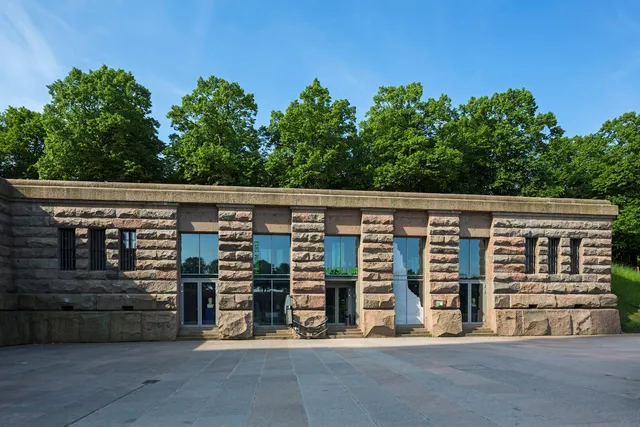
Forum 1813 - Museum zur Völkerschlacht bei Leipzig
4.1
(47)
Closed
Click for details
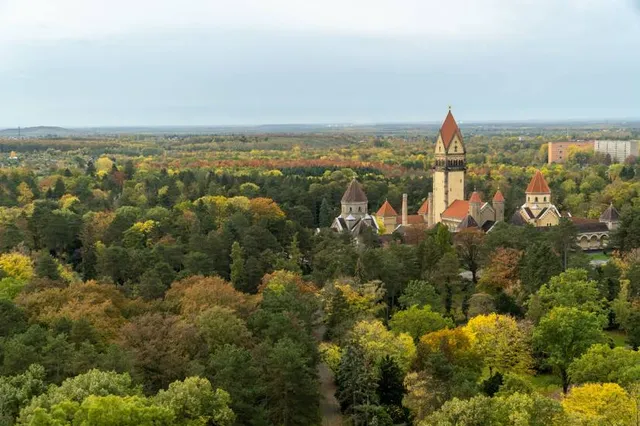
Südfriedhof
4.8
(87)
Closed
Click for details
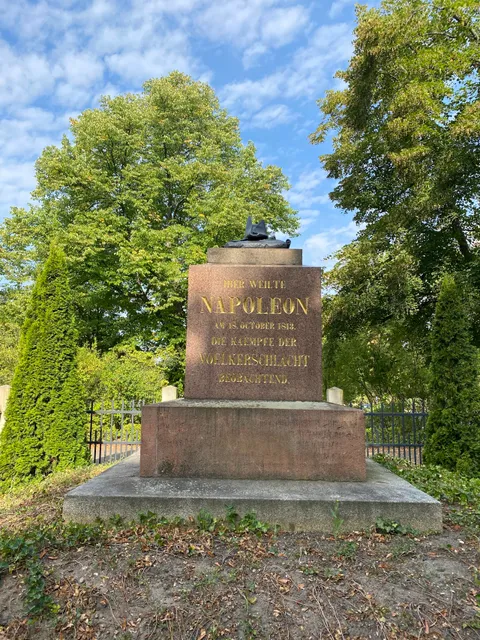
Napoleonstein
4.5
(83)
Open until 12:00 AM
Click for details
Nearby restaurants of Monument to the Battle of the Nations
Restaurant Pellorus
Schnittstelle1845
Brauhaus Napoleon
Ambrosia
Stötteritzer Margerite
Asia Pfanne
Gaststätte SüdOst
Markthalle at Lichtenbergweg 5D

Restaurant Pellorus
4.3
(1.1K)
Closed
Click for details
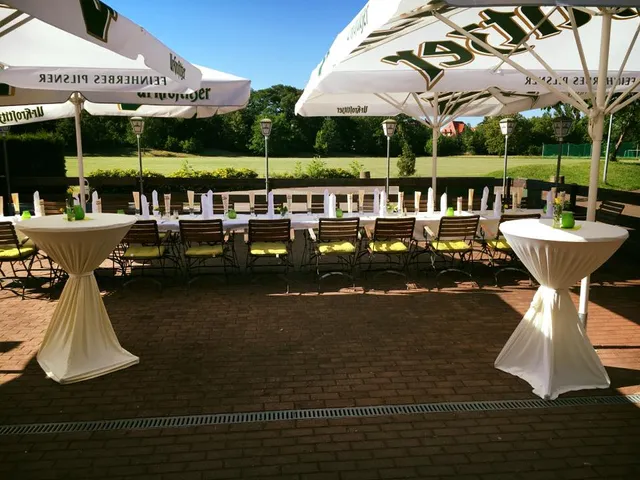
Schnittstelle1845
4.6
(469)
Closed
Click for details
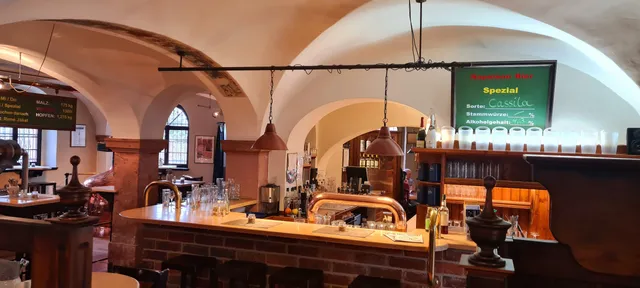
Brauhaus Napoleon
4.3
(1.5K)
$$
Closed
Click for details
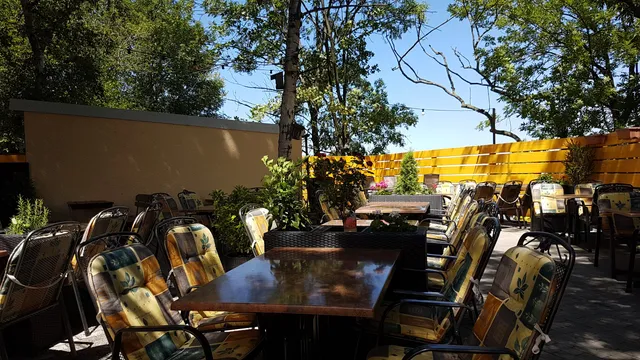
Ambrosia
4.6
(763)
Closed
Click for details
Nearby local services of Monument to the Battle of the Nations
See der Tränen
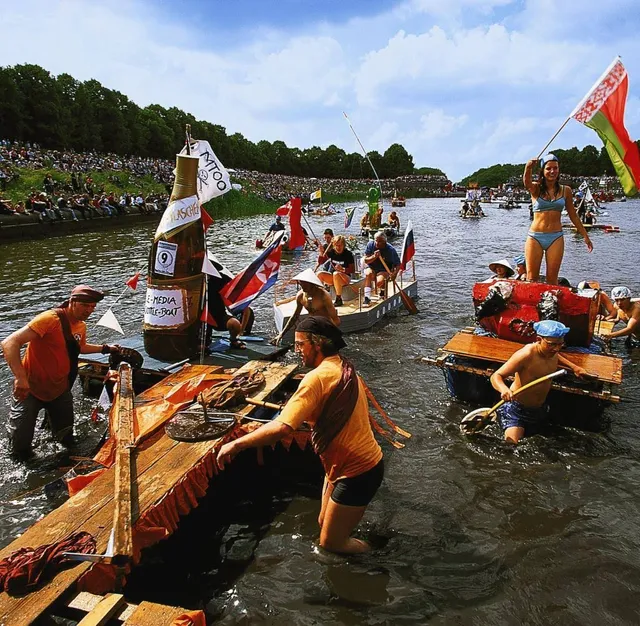
See der Tränen
4.6
(16)
Click for details