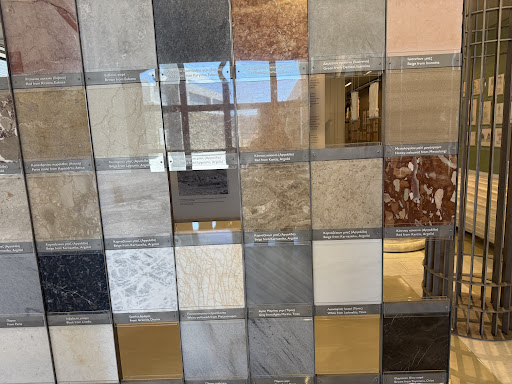
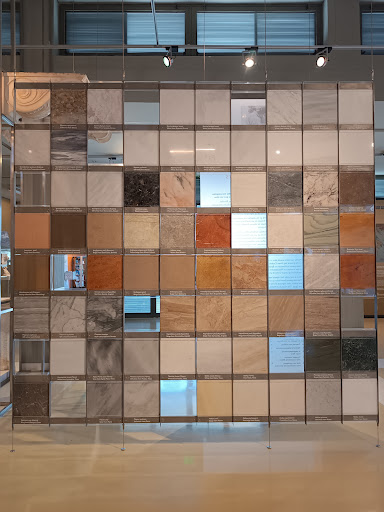
Μουσείο Μαρμαροτεχνίας things to do, attractions, restaurants, events info and trip planning
Basic Info
Μουσείο Μαρμαροτεχνίας
Pyrgos 842 01, Greece
4.8(650)
Closed

tickets
Save
spot
spot
Ratings & Description
Info
Cultural
Family friendly
Accessibility
attractions: Giannoulis Halepas Museum, Museum of Tinian Artists, restaurants: Athmar, Dough and Shaker, Ο Μεγάλος Καφενές, Το Kentrikon, Platanos, To Yiasemi, Diporto Cafe Bar Pyrgos Tinos, Boheme, local businesses:
 Learn more insights from Wanderboat AI.
Phone
+30 2283 031290
Website
piop.gr
Open hoursSee all hours
Sun10 AM - 5 PMClosed
Plan your stay

Pet-friendly Hotels in Municipality of Tinos
Find a cozy hotel nearby and make it a full experience.

Affordable Hotels in Municipality of Tinos
Find a cozy hotel nearby and make it a full experience.

The Coolest Hotels You Haven't Heard Of (Yet)
Find a cozy hotel nearby and make it a full experience.

Trending Stays Worth the Hype in Municipality of Tinos
Find a cozy hotel nearby and make it a full experience.
Reviews
Live events
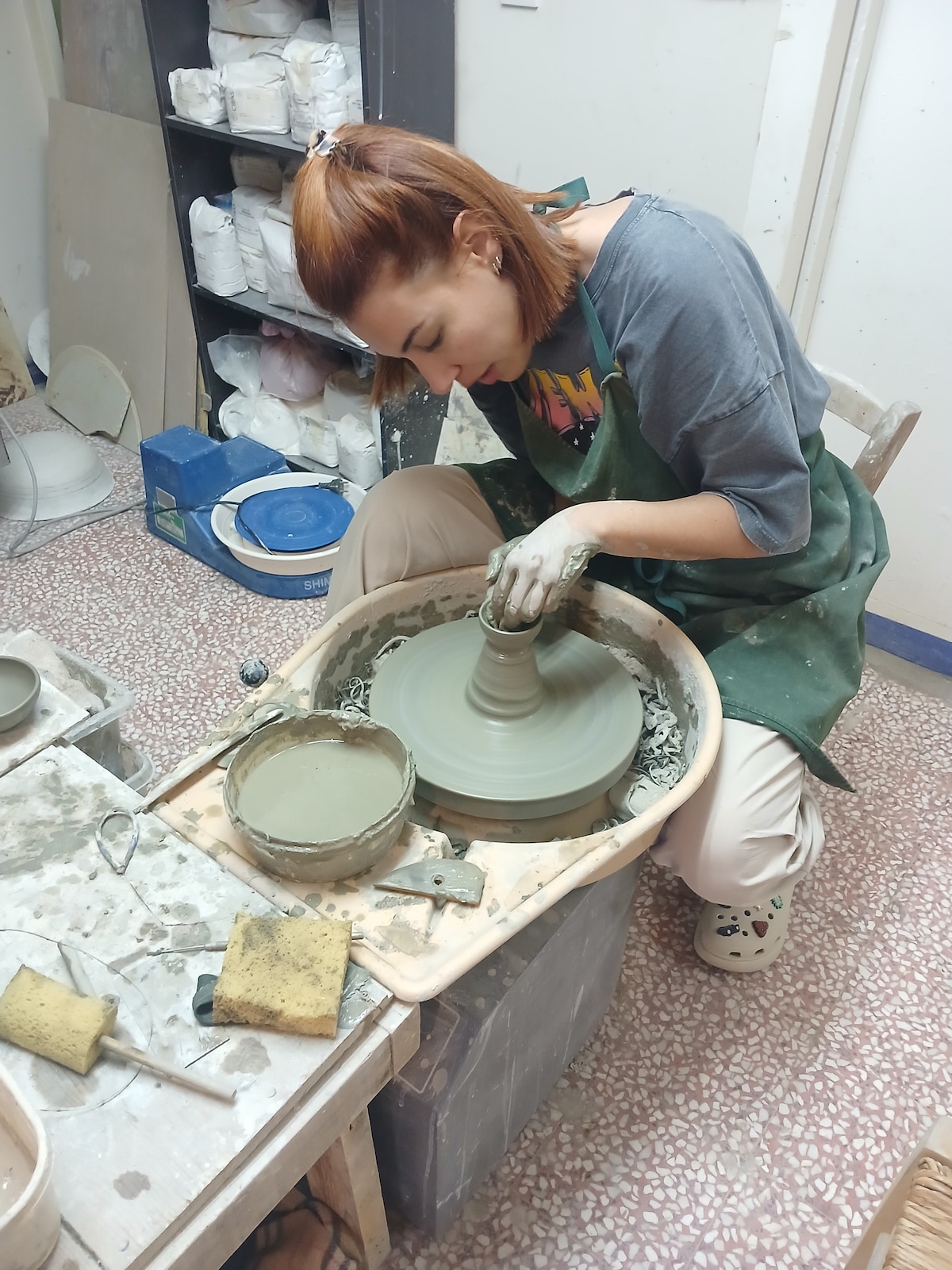
Pottery workshop
Mon, Feb 23 • 5:30 AM
845 02, Ormos Korthiou, Greece
View details
Nearby attractions of Μουσείο Μαρμαροτεχνίας
Giannoulis Halepas Museum
Museum of Tinian Artists
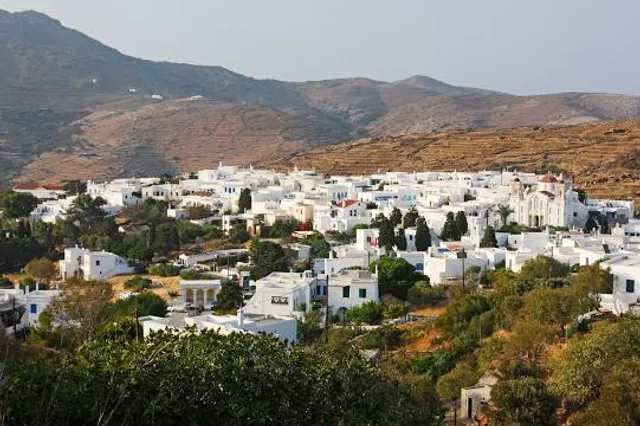
Giannoulis Halepas Museum
4.7
(485)
Open 24 hours
Click for details
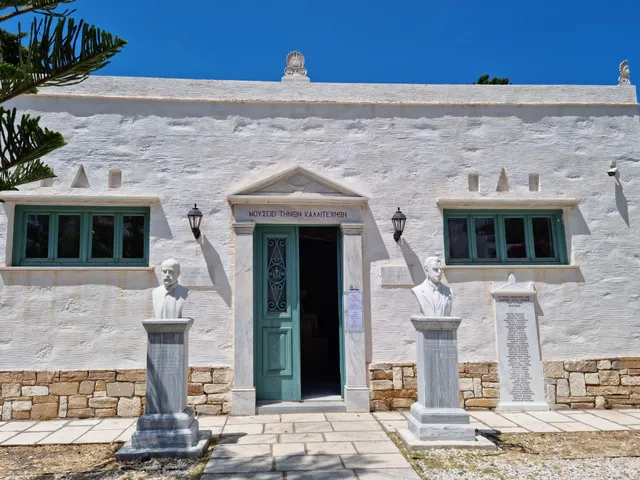
Museum of Tinian Artists
4.5
(52)
Open until 8:00 PM
Click for details
Nearby restaurants of Μουσείο Μαρμαροτεχνίας
Athmar
Dough and Shaker
Ο Μεγάλος Καφενές
Το Kentrikon
Platanos
To Yiasemi
Diporto Cafe Bar Pyrgos Tinos
Boheme
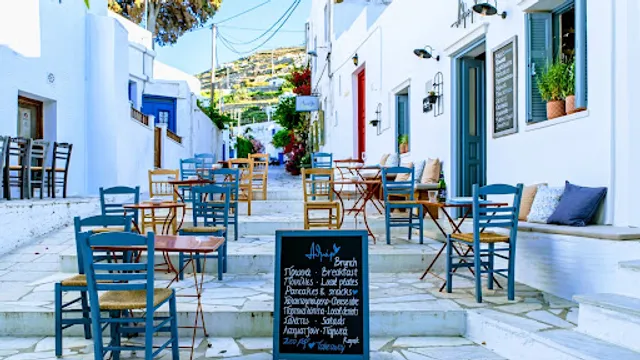
Athmar
4.8
(758)
$$
Click for details
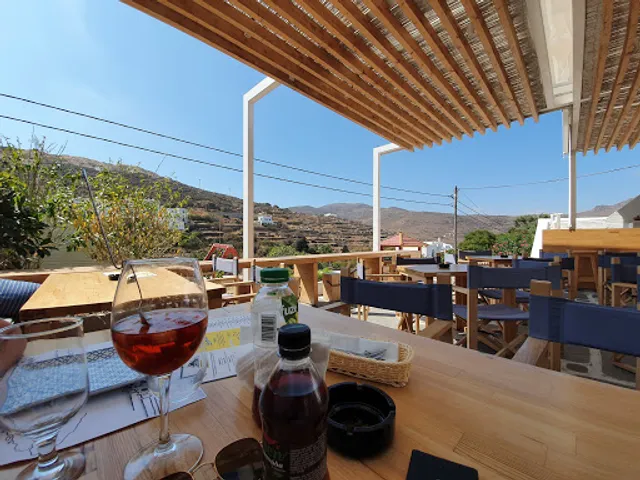
Dough and Shaker
4.8
(765)
Click for details
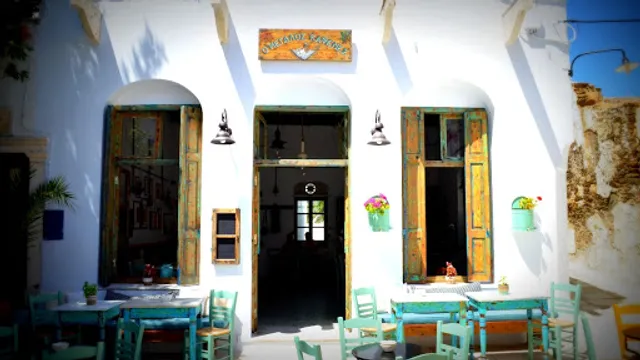
Ο Μεγάλος Καφενές
4.6
(250)
Open until 2:00 AM
Click for details
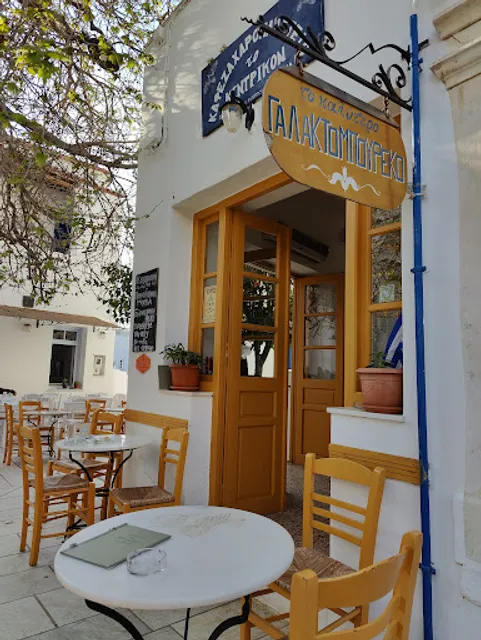
Το Kentrikon
4.3
(262)
Open until 10:30 PM
Click for details