HTML SitemapExplore

Assumption Cathedral, Vác — Attraction in Váci járás

Name
Assumption Cathedral, Vác
Description
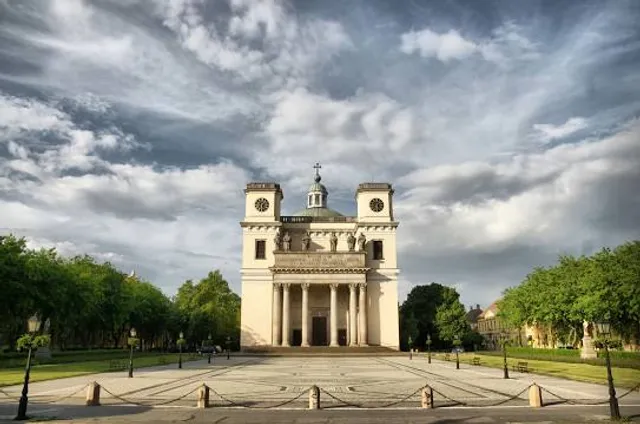
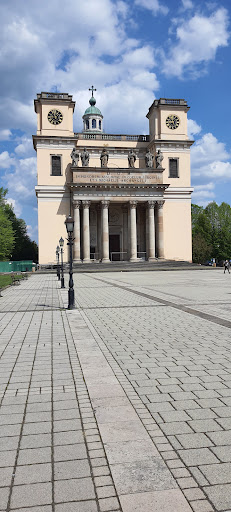
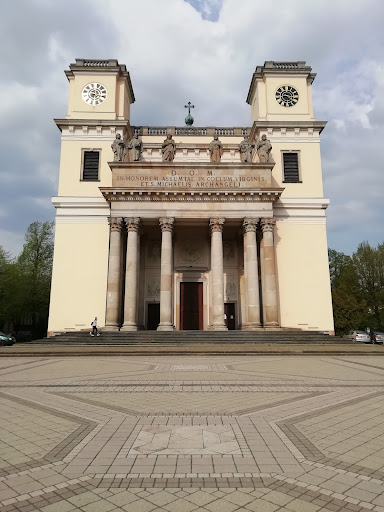
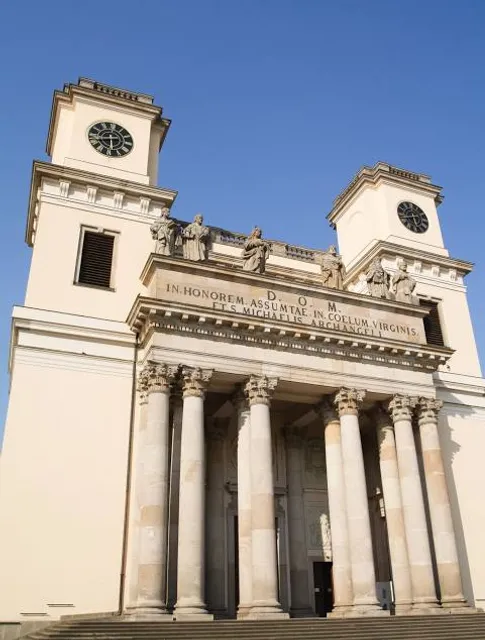
The Cathedral of the Assumption of the Blessed Virgin and St Michael the Archangel, commonly known as Vác Cathedral, is a religious building in the Catholic Church that serves as the cathedral of the Diocese of Vác, is located in the city of Vác in Hungary. The diocese was founded in 1004 under Stephen I.
Nearby attractions
Tragor Ignác Múzeum Memento Mori/Ars Memorandi Kiállítóhely
Vác, Március 15. tér 19, 2600 Hungary
Vác Város Levéltára
Vác, Múzeum u. 4, 2600 Hungary
Sajdik Ferenc gyűjtemény
Vác, Köztársaság út 19, 2600 Hungary
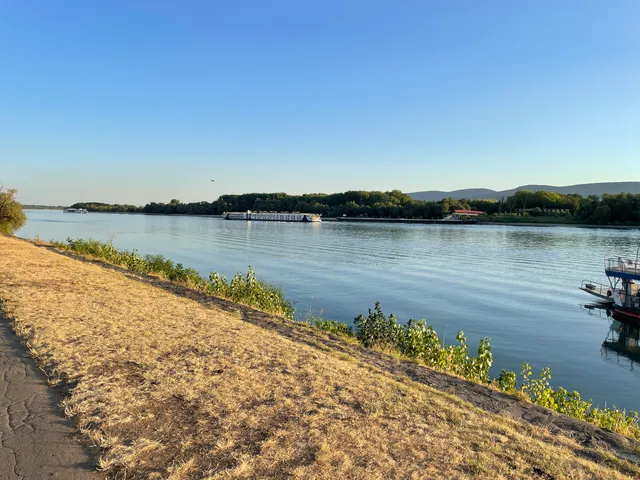
Dunapart
Vác, József Attila stny. 7, 2600 Hungary
Váci Egyházművészeti Gyűjtemény
Vác, Március 15. tér 4, 2600 Hungary
Nearby restaurants
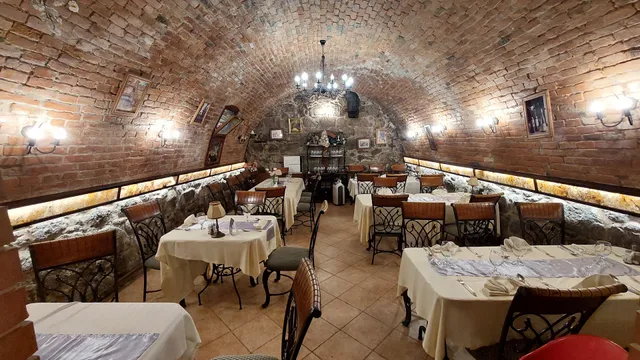
Remete Pince Étterem
Vác, Fürdő u. 3, 2600 Hungary
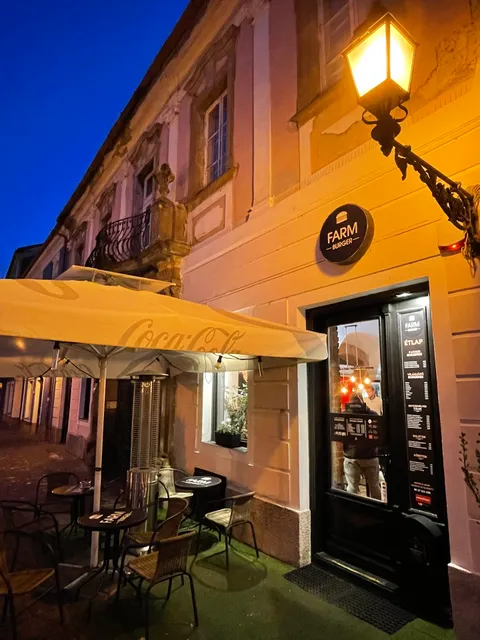
Farm Burger Vác
Vác, Március 15. tér 21, 2600 Hungary
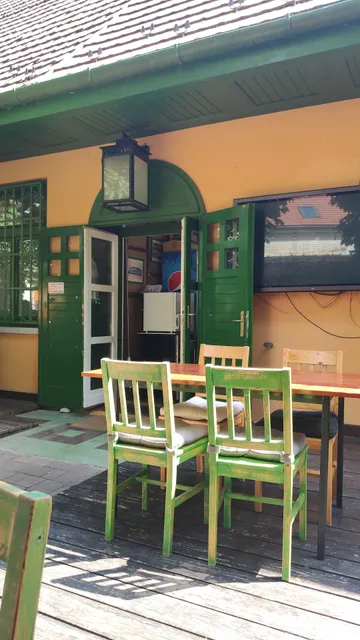
Lámpás söröző és grillterasz
Vác, Fürdő u. 3, 2600 Hungary
Pizzéria Giuseppe
Vác, Hattyú u. 4, 2600 Hungary
Pampalini Pizzéria és Étterem
Vác, Széchenyi István u. 2, 2600 Hungary
Sashimi Étterem
Vác, Március 15. tér 22, 2600 Hungary
Ittali Pizza Vác
Vác, Széchenyi István u. 18, 2600 Hungary
Révkapu Kisvendéglő
Vác, Eszterházy Károly u. 10, 2600 Hungary
Csocsaj Grill
Vác, Zrínyi Miklós u. 1, 2600 Hungary
Vác Pizzabáló
Vác, Széchenyi István u. 39, 2600 Hungary
Nearby hotels
Tulip Home
Vác, Attila u. 3/C, 2600 Hungary
VATUS Apartmanház Vác
Vác, Kossuth Lajos u. 4, 2600 Hungary
Lujza & Koriander | bed • brunch • coffee
Vác, Ady Endre stny. 5, 2600 Hungary
Migazzi Lelkigyakorlatos Ház
Vác, Galamb köz 5, 2600 Hungary
Fónagy és Walter Vendég- és Borház
Vác, Budapesti főút 36, 2600 Hungary
Rubra Panzió
Vác, Dr. Csányi László krt. 52, 2600 Hungary
MonAmi Art Apartman
Vác, Eszterházy Károly u. 3, 2600 Hungary
Eszterházy
Vác, Eszterházy Károly u. 3, 2600 Hungary
Vácz Hotel
Vác, Honvéd u. 14, 2600 Hungary
Staféta Apartmanház
Vác, Dr. Csányi László krt. 34, 2600 Hungary
Related posts
Keywords
Assumption Cathedral, Vác tourism.Assumption Cathedral, Vác hotels.Assumption Cathedral, Vác bed and breakfast. flights to Assumption Cathedral, Vác.Assumption Cathedral, Vác attractions.Assumption Cathedral, Vác restaurants.Assumption Cathedral, Vác travel.Assumption Cathedral, Vác travel guide.Assumption Cathedral, Vác travel blog.Assumption Cathedral, Vác pictures.Assumption Cathedral, Vác photos.Assumption Cathedral, Vác travel tips.Assumption Cathedral, Vác maps.Assumption Cathedral, Vác things to do.
Assumption Cathedral, Vác things to do, attractions, restaurants, events info and trip planning
Assumption Cathedral, Vác
HungaryCentral HungaryVáci járásAssumption Cathedral, Vác

Basic Info

Assumption Cathedral, Vác

Vác, Schuszter Konstantin tér 11, 2600 Hungary
4.7(648)
Open 24 hours
Save
spot

Ratings & Description

Info

The Cathedral of the Assumption of the Blessed Virgin and St Michael the Archangel, commonly known as Vác Cathedral, is a religious building in the Catholic Church that serves as the cathedral of the Diocese of Vác, is located in the city of Vác in Hungary. The diocese was founded in 1004 under Stephen I.

Cultural
Scenic
Family friendly
Accessibility
attractions: Tragor Ignác Múzeum Memento Mori/Ars Memorandi Kiállítóhely, Vác Város Levéltára, Sajdik Ferenc gyűjtemény, Dunapart, Váci Egyházművészeti Gyűjtemény, restaurants: Remete Pince Étterem, Farm Burger Vác, Lámpás söröző és grillterasz, Pizzéria Giuseppe, Pampalini Pizzéria és Étterem, Sashimi Étterem, Ittali Pizza Vác, Révkapu Kisvendéglő, Csocsaj Grill, Vác Pizzabáló
logoLearn more insights from Wanderboat AI.
Phone
+36 27 814 184
Website
vaciegyhazmegye.hu

Plan your stay

hotel
Pet-friendly Hotels in Váci járás
Find a cozy hotel nearby and make it a full experience.
hotel
Affordable Hotels in Váci járás
Find a cozy hotel nearby and make it a full experience.
hotel
The Coolest Hotels You Haven't Heard Of (Yet)
Find a cozy hotel nearby and make it a full experience.
hotel
Trending Stays Worth the Hype in Váci járás
Find a cozy hotel nearby and make it a full experience.

Reviews

Nearby attractions of Assumption Cathedral, Vác

Tragor Ignác Múzeum Memento Mori/Ars Memorandi Kiállítóhely

Vác Város Levéltára

Sajdik Ferenc gyűjtemény

Dunapart

Váci Egyházművészeti Gyűjtemény

Tragor Ignác Múzeum Memento Mori/Ars Memorandi Kiállítóhely

Tragor Ignác Múzeum Memento Mori/Ars Memorandi Kiállítóhely

4.7

(288)

Open 24 hours
Click for details
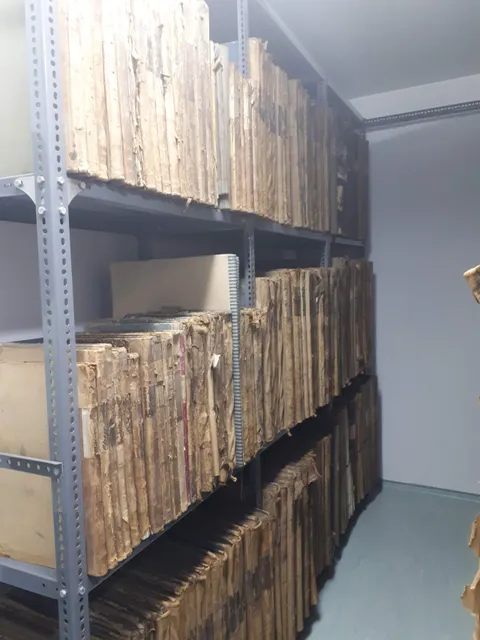
Vác Város Levéltára

Vác Város Levéltára

4.8

(9)

Open 24 hours
Click for details
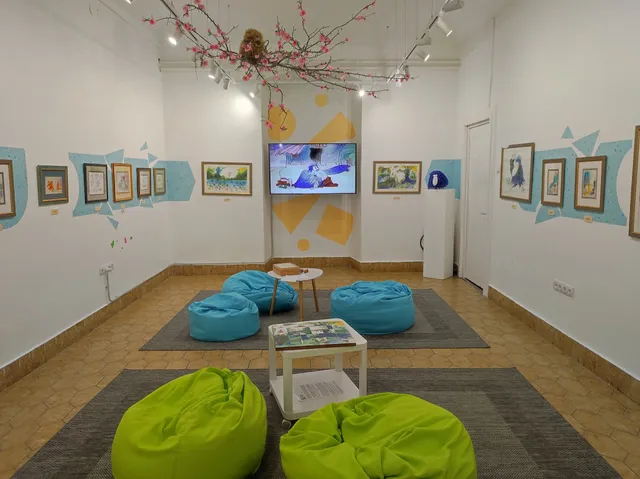
Sajdik Ferenc gyűjtemény

Sajdik Ferenc gyűjtemény

4.8

(57)

Open 24 hours
Click for details
Dunapart

Dunapart

4.8

(73)

Open 24 hours
Click for details

Things to do nearby

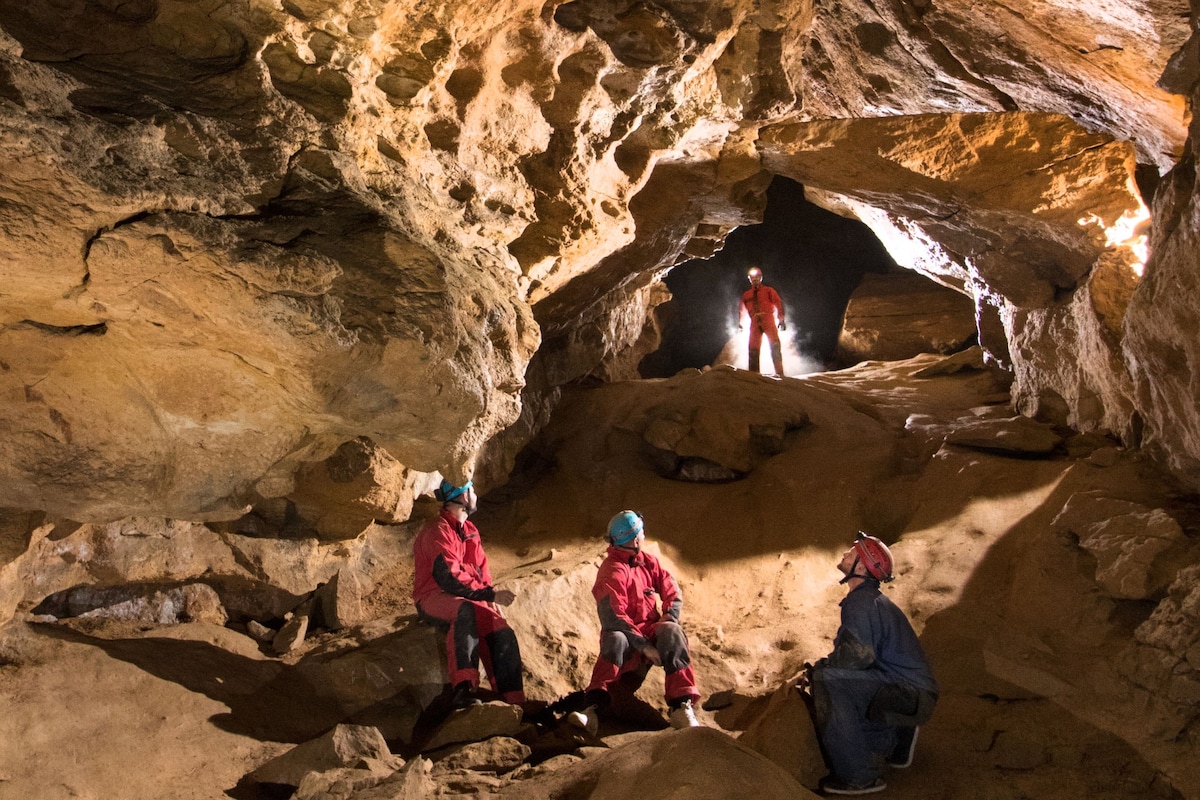
Tours in the longest cave of Budapest
Fri, Jan 2 • 10:00 AM
Budapest, 1025, Hungary
View details
Secrets of the center: avenue, castle, and thermal paradise
Thu, Jan 1 • 9:00 AM
Budapest, 1062, Hungary
View details
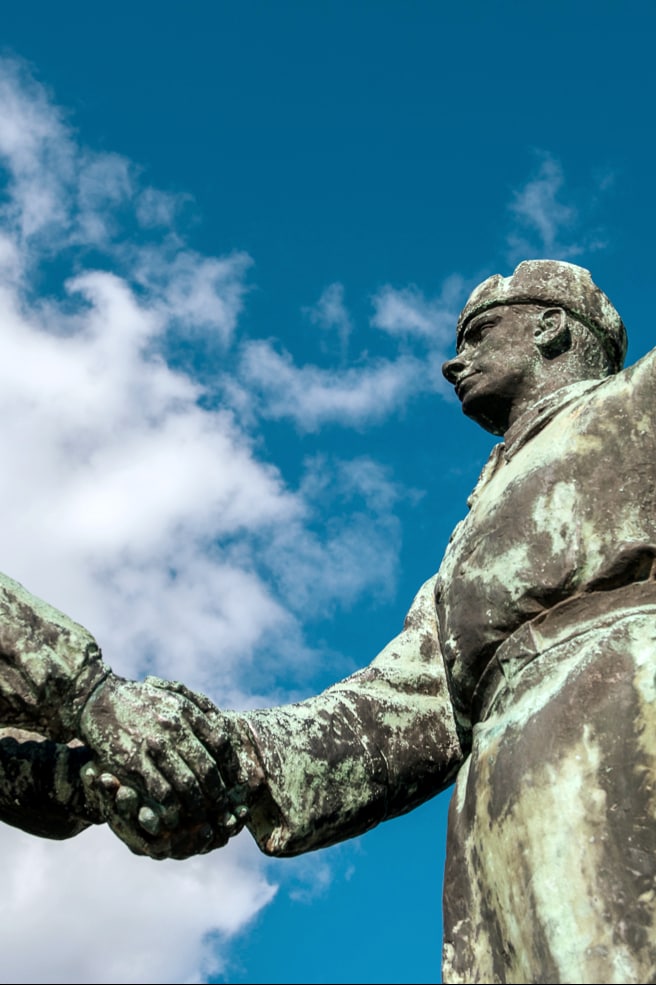
Step into Communist Budapest with a historian
Thu, Jan 1 • 12:00 AM
Budapest, 1027, Hungary
View details

Nearby restaurants of Assumption Cathedral, Vác

Remete Pince Étterem

Farm Burger Vác

Lámpás söröző és grillterasz

Pizzéria Giuseppe

Pampalini Pizzéria és Étterem

Sashimi Étterem

Ittali Pizza Vác

Révkapu Kisvendéglő

Csocsaj Grill

Vác Pizzabáló

Remete Pince Étterem

Remete Pince Étterem

4.4

(854)

$$

Open until 10:00 PM
Click for details
Farm Burger Vác

Farm Burger Vác

4.8

(889)

Click for details
Lámpás söröző és grillterasz

Lámpás söröző és grillterasz

4.4

(211)

Click for details
Pizzéria Giuseppe

Pizzéria Giuseppe

4.1

(450)

Click for details
Get the Appoverlay
Get the AppOne tap to find yournext favorite spots!
Wanderboat LogoWanderboat

Your everyday Al companion for getaway ideas

CompanyAbout Us
InformationAI Trip PlannerSitemap
SocialXInstagramTiktokLinkedin
LegalTerms of ServicePrivacy Policy

Get the app

© 2025 Wanderboat. All rights reserved.

Reviews of Assumption Cathedral, Vác

4.7
(648)
avatar
5.0
2y

The first cathedral of the city was built in the 11th century by King Géza I who was later buried there. This church stood on the area of the present day Géza király Square but it was burned down during the Mongolian invasion. Later a Renaissance basilica was built here which was later destroyed by the Ottoman armies.

After the expulsion of the Ottomans, the Saint Michael Church was used temporarily as a cathedral. Finally Bishop Károly Esterházy decided that instead of using the church that was in gradually worsening condition, a new cathedral should be constructed. He commissioned the Austrian architect Franz Anton Pilgram to design a new building. Pilgram planned a richly decorated church that would have been a smaller version of the St. Peter's Basilica in Rome. The church would have been connected to the Bishop's Palace with a colonnade. However Bishop Esterházy was relocated to the Archdiocese in Eger and Prince Archbishop Christoph Anton Migazzi was made an administrator of the Bishopric of Vác. The new bishop found the plans too expensive so he asked another architect, the French Isidor Canavele, who was living in Vienna at the time, to design a new cathedral which became the present day late Baroque building.

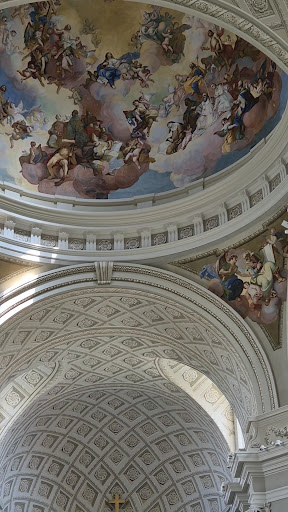
The construction began in 1761 and the dedication took place in 1772 though the interior was only finished in 1777. The cathedral is monumental in its dimensions: its exterior length is 72 meters, interior length is 60 meters and height is 55 meters. It is the third largest cathedral in Hungary open to the public after the Esztergom and the Eger Cathedrals. The cathedral has been dedicated to the Assumption of the Blessed Virgin and St. Michael the Archangel. Between the two towers of the facade, there is a portico with Corinthian columns. Above the entablature, there are statues carved by a local sculptor, József Bechert: Peter, Paul, Virgin Mary, Joseph, John and Jacob. On the walls of the hall, there are stucco reliefs depicting biblical scenes and the coat of arms of Migazzi. The interior of the single nave church is in late Baroque style. The frescoes of the main altar and the dome were painted by one of the most significant Austrian painters of the 18th century, Franz Anton Maulbertsch. The main altarpiece depicts the visit of Virgin Mary at Saint Elisabeth, and the fresco of the dome depicts the residents of heaven, among them Hungarian saints. Two years after it has been finished, Migazzi ordered the panel of the main altar to be covered with a canvas painting depicting the crucifixion by Johann Martin Schmidt. The fresco was only freed and restored 170 years later in 1944. The main altar is separated from the nave by a Renaissance which remained from the earlier basilica. The pillars holding the dome are carved with portraits of bishops Pál Forgách, Károly Althan, Frigyes Althan and Christoph Anton Migazzi. The altarpieces in the transept are copies of painting in Italian churches, the altarpieces of the two side altars were painted by Johann Martin Schmidt.

Up until the 1940's, besides the two Maulbertsch frescoes, there were no other paintings on the walls of the church. However, in this decade the frescoes of István Takács were painted on the four gigantic walls of the transept and the semi dome was decorated with a wall painting of Béla Kontuly. There are regular services held in the Cathedral and it is a popular site for weddings and baptisms. During celebrations, it is the home of concerts which make good use of its...

   Read more
avatar
5.0
3y

A váci Nagyboldogasszony - székesegyház (gyakran váci dóm) a Váci egyházmegye széktemploma, a Vác - Alsóvárosi egyházközség plébániatemploma, Magyarország egyik legnagyobb katedrálisa Vác város főterén. 1761 és 1777 között épült klasszicista és késő barokk stílusban. Tervezője az osztrák Isidore Canevale. A székesegyház tervezéséről Eszterházy Károly püspök döntött. Vác ekkor kétpólusú város volt, egymástól palánkkal elválasztott területen magyarok és németek laktak. Eszterházy a két városrész határán álló palánkot elbontatta, és itt alakította ki a Konstantin teret, a dóm későbbi helyét, mely ez időben jóval beépítetlenebb volt, mint manapság. Az osztrák Franz Anton Pilgramnak adott megbízást a tervezésre, mely tervben díszes, késő barokk, kéttornyú templom állt, ami a római Szent Péter-bazilikához hasonlóan oszlopos kőkolonnáddal csatlakozott volna a téren álló egyházi intézményekhez, a papneveldéhez és a püspöki palotához, amelyek szintén ebben az időben épültek. Később Eszterházyt Egerbe hívták püspöknek, az új váci püspök pedig Migazzi Kristóf lett, akinek kevésbé tetszettek Pilgram tervei. Az építkezés azonban már megkezdődött az alapok lerakásával, ezért a püspök az olasz–francia–osztrák építészt, Isidore Canevalét kérte fel, hogy az 1761-ben lerakott alapokra tervezzen egy, az eredetinél jóval kevesebb költséget kívánó székesegyházat. Canevale a korabeli francia „forradalmi építészetnek” megfelelően képzelte el az épületet. A művezető Oswald Gáspár piarista szerzetes volt, aki egyébként a kecskeméti nagytemplom tervezője is egyben. Az építkezés a jó anyagi háttér miatt gond nélkül és gyorsan folyt, így 1772-ben sor kerülhetett a felszentelésre. A belső berendezések 1777-ben...

   Read more
avatar
5.0
6y

Amazing cathedral in baroque style. Building started in 1699, but finished about 50 years later. Frescos inside by a renown Austrian painter of the time. The large square in front and the South-Western aspect allows for nice pictures to be taken. Vac in general is well worth a daytrip for the baroque old town and the Danube walk. Many nice cafes, bars and restaurants are available. Parking by car is for a small charge...

   Read more
Page 1 of 7
Previous
Next

Posts

Roja SaketiyanRoja Saketiyan
The first cathedral of the city was built in the 11th century by King Géza I who was later buried there. This church stood on the area of the present day Géza király Square but it was burned down during the Mongolian invasion. Later a Renaissance basilica was built here which was later destroyed by the Ottoman armies. After the expulsion of the Ottomans, the Saint Michael Church was used temporarily as a cathedral. Finally Bishop Károly Esterházy decided that instead of using the church that was in gradually worsening condition, a new cathedral should be constructed. He commissioned the Austrian architect Franz Anton Pilgram to design a new building. Pilgram planned a richly decorated church that would have been a smaller version of the St. Peter's Basilica in Rome. The church would have been connected to the Bishop's Palace with a colonnade. However Bishop Esterházy was relocated to the Archdiocese in Eger and Prince Archbishop Christoph Anton Migazzi was made an administrator of the Bishopric of Vác. The new bishop found the plans too expensive so he asked another architect, the French Isidor Canavele, who was living in Vienna at the time, to design a new cathedral which became the present day late Baroque building. The construction began in 1761 and the dedication took place in 1772 though the interior was only finished in 1777. The cathedral is monumental in its dimensions: its exterior length is 72 meters, interior length is 60 meters and height is 55 meters. It is the third largest cathedral in Hungary open to the public after the Esztergom and the Eger Cathedrals. The cathedral has been dedicated to the Assumption of the Blessed Virgin and St. Michael the Archangel. Between the two towers of the facade, there is a portico with Corinthian columns. Above the entablature, there are statues carved by a local sculptor, József Bechert: Peter, Paul, Virgin Mary, Joseph, John and Jacob. On the walls of the hall, there are stucco reliefs depicting biblical scenes and the coat of arms of Migazzi. The interior of the single nave church is in late Baroque style. The frescoes of the main altar and the dome were painted by one of the most significant Austrian painters of the 18th century, Franz Anton Maulbertsch. The main altarpiece depicts the visit of Virgin Mary at Saint Elisabeth, and the fresco of the dome depicts the residents of heaven, among them Hungarian saints. Two years after it has been finished, Migazzi ordered the panel of the main altar to be covered with a canvas painting depicting the crucifixion by Johann Martin Schmidt. The fresco was only freed and restored 170 years later in 1944. The main altar is separated from the nave by a Renaissance which remained from the earlier basilica. The pillars holding the dome are carved with portraits of bishops Pál Forgách, Károly Althan, Frigyes Althan and Christoph Anton Migazzi. The altarpieces in the transept are copies of painting in Italian churches, the altarpieces of the two side altars were painted by Johann Martin Schmidt. Up until the 1940's, besides the two Maulbertsch frescoes, there were no other paintings on the walls of the church. However, in this decade the frescoes of István Takács were painted on the four gigantic walls of the transept and the semi dome was decorated with a wall painting of Béla Kontuly. There are regular services held in the Cathedral and it is a popular site for weddings and baptisms. During celebrations, it is the home of concerts which make good use of its fine acoustics.
Bence HajduBence Hajdu
Amazing cathedral in baroque style. Building started in 1699, but finished about 50 years later. Frescos inside by a renown Austrian painter of the time. The large square in front and the South-Western aspect allows for nice pictures to be taken. Vac in general is well worth a daytrip for the baroque old town and the Danube walk. Many nice cafes, bars and restaurants are available. Parking by car is for a small charge in the centre.
Zoltán SóskutiZoltán Sóskuti
A Váci Nagyboldogasszony-székesegyház, más néven váci dóm, egy impozáns késő barokk stílusú templom, amely Vác városának egyik legfontosabb vallási és történelmi épülete. A székesegyház építését 1761-ben kezdték el Migazzi Kristóf püspök megbízásából, aki a bécsi építészt, Isidore Canevale-t kérte fel a tervezésre. Az épület 1777-re készült el, és a korabeli barokk mellett klasszicista elemeket is tartalmaz, ami különleges eleganciát ad neki. A székesegyház monumentális homlokzatát két torony keretezi, és a főbejárat felett található timpanon domborművei Mária mennybevételét ábrázolják. A belső tér díszítése, különösen a freskók és az oltárképek, kimagasló művészi értéket képviselnek. A templom hossza és magas boltozatai lenyűgöző térérzetet nyújtanak, míg szobrászati és festészeti részletei révén a látogatók betekintést nyerhetnek a 18. századi egyházi művészetbe. A székesegyház nemcsak a váci egyházmegye központja, hanem fontos turisztikai látványosság is, amely évente számos látogatót vonz.
See more posts
See more posts
hotel
Find your stay

Pet-friendly Hotels in Váci járás

Find a cozy hotel nearby and make it a full experience.

The first cathedral of the city was built in the 11th century by King Géza I who was later buried there. This church stood on the area of the present day Géza király Square but it was burned down during the Mongolian invasion. Later a Renaissance basilica was built here which was later destroyed by the Ottoman armies. After the expulsion of the Ottomans, the Saint Michael Church was used temporarily as a cathedral. Finally Bishop Károly Esterházy decided that instead of using the church that was in gradually worsening condition, a new cathedral should be constructed. He commissioned the Austrian architect Franz Anton Pilgram to design a new building. Pilgram planned a richly decorated church that would have been a smaller version of the St. Peter's Basilica in Rome. The church would have been connected to the Bishop's Palace with a colonnade. However Bishop Esterházy was relocated to the Archdiocese in Eger and Prince Archbishop Christoph Anton Migazzi was made an administrator of the Bishopric of Vác. The new bishop found the plans too expensive so he asked another architect, the French Isidor Canavele, who was living in Vienna at the time, to design a new cathedral which became the present day late Baroque building. The construction began in 1761 and the dedication took place in 1772 though the interior was only finished in 1777. The cathedral is monumental in its dimensions: its exterior length is 72 meters, interior length is 60 meters and height is 55 meters. It is the third largest cathedral in Hungary open to the public after the Esztergom and the Eger Cathedrals. The cathedral has been dedicated to the Assumption of the Blessed Virgin and St. Michael the Archangel. Between the two towers of the facade, there is a portico with Corinthian columns. Above the entablature, there are statues carved by a local sculptor, József Bechert: Peter, Paul, Virgin Mary, Joseph, John and Jacob. On the walls of the hall, there are stucco reliefs depicting biblical scenes and the coat of arms of Migazzi. The interior of the single nave church is in late Baroque style. The frescoes of the main altar and the dome were painted by one of the most significant Austrian painters of the 18th century, Franz Anton Maulbertsch. The main altarpiece depicts the visit of Virgin Mary at Saint Elisabeth, and the fresco of the dome depicts the residents of heaven, among them Hungarian saints. Two years after it has been finished, Migazzi ordered the panel of the main altar to be covered with a canvas painting depicting the crucifixion by Johann Martin Schmidt. The fresco was only freed and restored 170 years later in 1944. The main altar is separated from the nave by a Renaissance which remained from the earlier basilica. The pillars holding the dome are carved with portraits of bishops Pál Forgách, Károly Althan, Frigyes Althan and Christoph Anton Migazzi. The altarpieces in the transept are copies of painting in Italian churches, the altarpieces of the two side altars were painted by Johann Martin Schmidt. Up until the 1940's, besides the two Maulbertsch frescoes, there were no other paintings on the walls of the church. However, in this decade the frescoes of István Takács were painted on the four gigantic walls of the transept and the semi dome was decorated with a wall painting of Béla Kontuly. There are regular services held in the Cathedral and it is a popular site for weddings and baptisms. During celebrations, it is the home of concerts which make good use of its fine acoustics.
Roja Saketiyan

Roja Saketiyan

hotel
Find your stay

Affordable Hotels in Váci járás

Find a cozy hotel nearby and make it a full experience.

Get the Appoverlay
Get the AppOne tap to find yournext favorite spots!
Amazing cathedral in baroque style. Building started in 1699, but finished about 50 years later. Frescos inside by a renown Austrian painter of the time. The large square in front and the South-Western aspect allows for nice pictures to be taken. Vac in general is well worth a daytrip for the baroque old town and the Danube walk. Many nice cafes, bars and restaurants are available. Parking by car is for a small charge in the centre.
Bence Hajdu

Bence Hajdu

hotel
Find your stay

The Coolest Hotels You Haven't Heard Of (Yet)

Find a cozy hotel nearby and make it a full experience.

hotel
Find your stay

Trending Stays Worth the Hype in Váci járás

Find a cozy hotel nearby and make it a full experience.

A Váci Nagyboldogasszony-székesegyház, más néven váci dóm, egy impozáns késő barokk stílusú templom, amely Vác városának egyik legfontosabb vallási és történelmi épülete. A székesegyház építését 1761-ben kezdték el Migazzi Kristóf püspök megbízásából, aki a bécsi építészt, Isidore Canevale-t kérte fel a tervezésre. Az épület 1777-re készült el, és a korabeli barokk mellett klasszicista elemeket is tartalmaz, ami különleges eleganciát ad neki. A székesegyház monumentális homlokzatát két torony keretezi, és a főbejárat felett található timpanon domborművei Mária mennybevételét ábrázolják. A belső tér díszítése, különösen a freskók és az oltárképek, kimagasló művészi értéket képviselnek. A templom hossza és magas boltozatai lenyűgöző térérzetet nyújtanak, míg szobrászati és festészeti részletei révén a látogatók betekintést nyerhetnek a 18. századi egyházi művészetbe. A székesegyház nemcsak a váci egyházmegye központja, hanem fontos turisztikai látványosság is, amely évente számos látogatót vonz.
Zoltán Sóskuti

Zoltán Sóskuti

See more posts
See more posts