HTML SitemapExplore
logo
Find Things to DoFind The Best Restaurants

Tomb of Akbar — Attraction in Agra

Name
Tomb of Akbar
Description
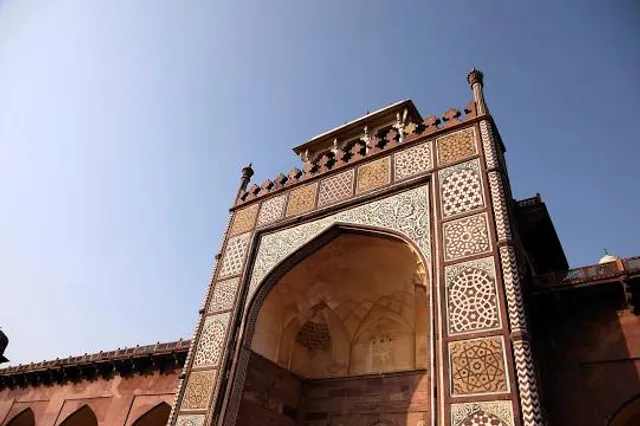
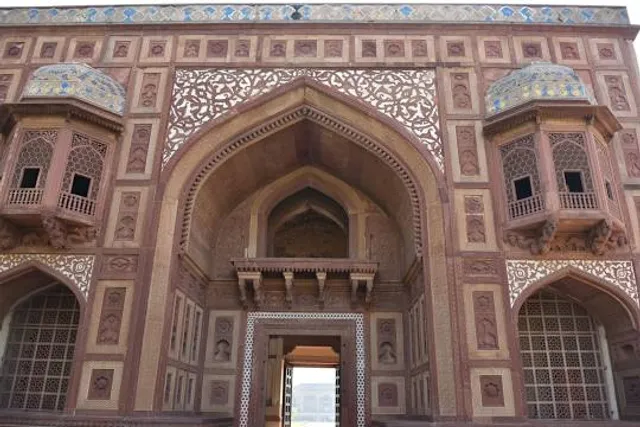
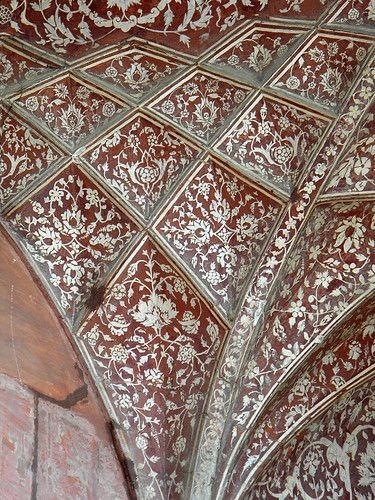
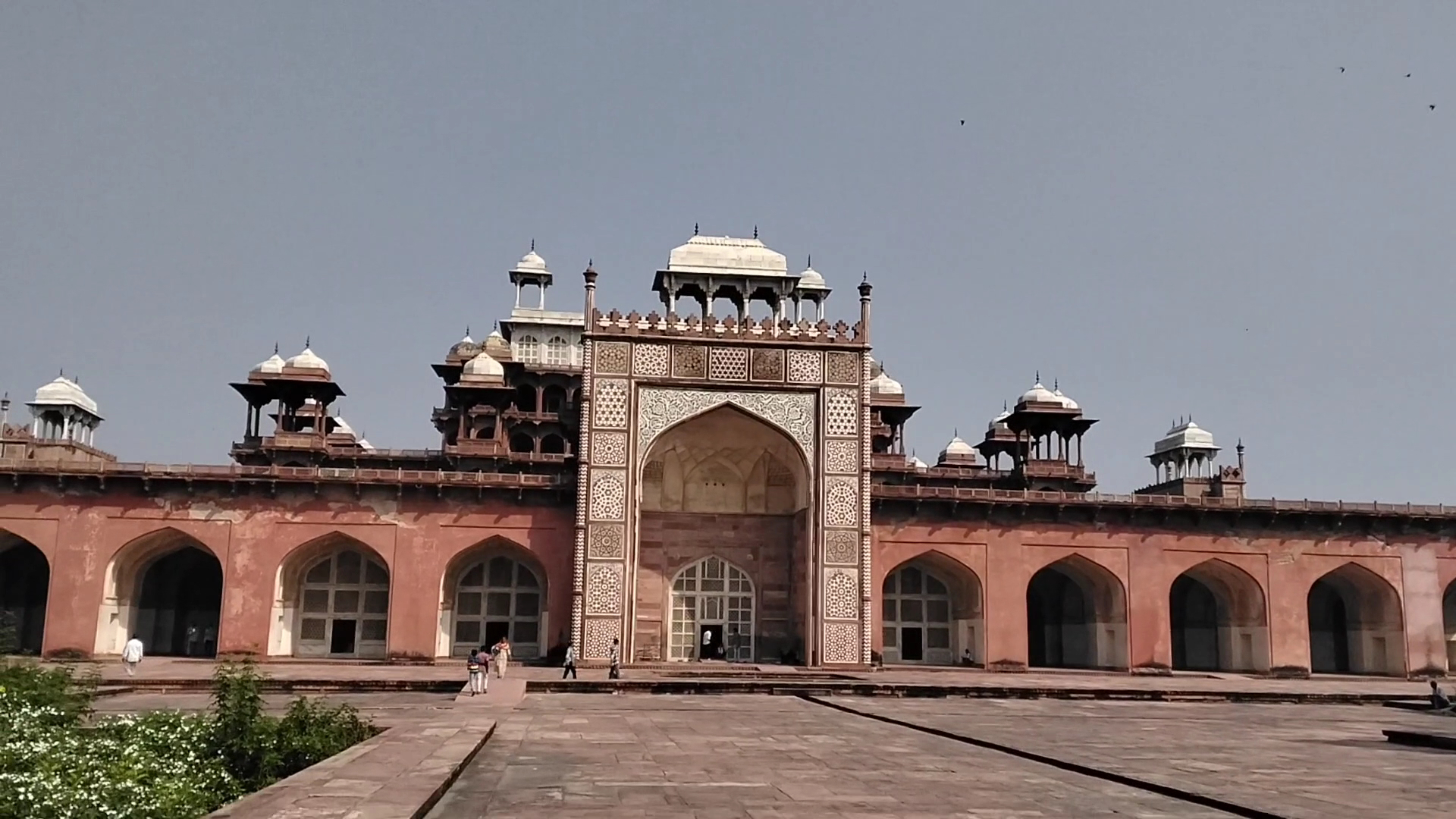
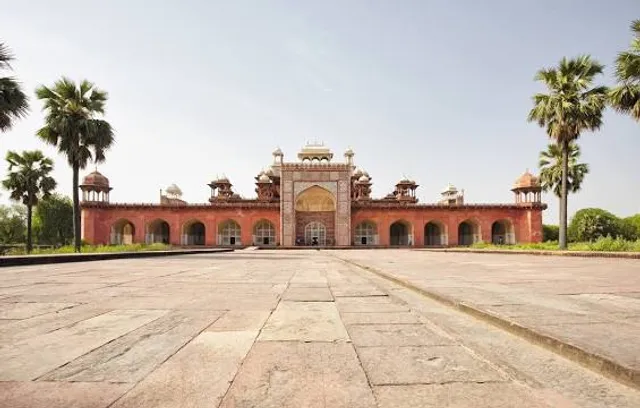
Akbar's tomb is the tomb of the Mughal emperor Akbar. It was built in 1605–1613 by his son, Jahangir and is situated on 119 acres of grounds in Sikandra, a suburb of Agra, Uttar Pradesh, India.
Nearby attractions
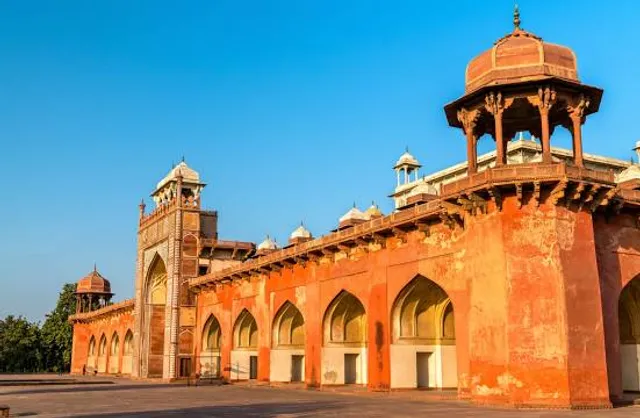
Sikandra Fort
6XC2+C53, Tomb of Akbar The Great Area, Sikandra, Agra, Uttar Pradesh 282007, India
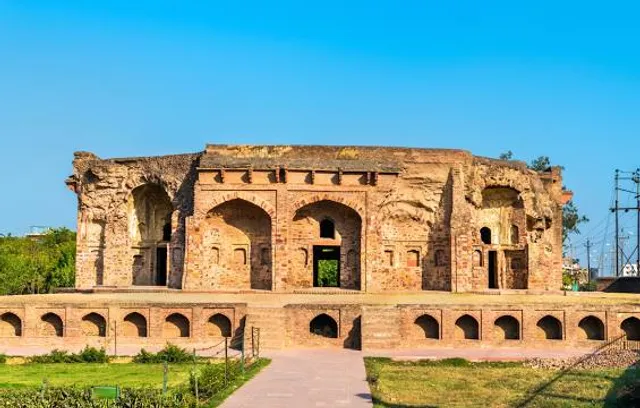
The Lodhi Tomb
Tomb of Akbar The Great Area, Sikandra, Agra, Uttar Pradesh 282007, India
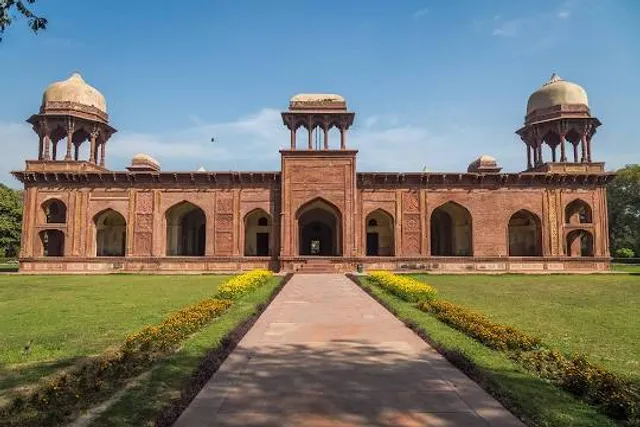
Tomb of Mariam-UZ-Zamani
6W8V+43Q, Mathura Rd, near Pathwari Mandir, Kailash Mode, Sikandra, Agra, Bainpur Mustkil, Uttar Pradesh 282007, India
Nearby restaurants
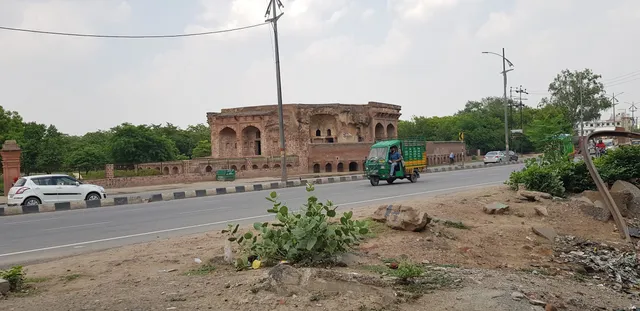
Shiv Family Rastaurant ( Pure Vegetarian )
6X82+2J5, Bajrang Nagar, Agra, Uttar Pradesh 282007, India
Deshi Handi Restaurant
Sikandra Crossing, Radha Nagar, Sikandra, Agra, Uttar Pradesh 282007, India
Shri Gowardhan Restaurant
6X84+FJW Amar Lata Kunj, Babarpur Rd, Bain Bazar, Sikandra, Agra, Uttar Pradesh 282007, India
K. K. Bar And Restaurant
6X74+P8X, K. K. Nagar, Bain Bazar, Sikandra, Agra, Uttar Pradesh 282007, India
panchi petha store
1 nh2 highway var vhadhu mandap, Sikandra, Agra, Uttar Pradesh 282007, India
Related posts
Keywords
Tomb of Akbar tourism.Tomb of Akbar hotels.Tomb of Akbar bed and breakfast. flights to Tomb of Akbar.Tomb of Akbar attractions.Tomb of Akbar restaurants.Tomb of Akbar travel.Tomb of Akbar travel guide.Tomb of Akbar travel blog.Tomb of Akbar pictures.Tomb of Akbar photos.Tomb of Akbar travel tips.Tomb of Akbar maps.Tomb of Akbar things to do.
Tomb of Akbar things to do, attractions, restaurants, events info and trip planning
Tomb of Akbar
IndiaUttar PradeshAgraTomb of Akbar

Basic Info

Tomb of Akbar

Tomb of Akbar The Great Area, Sikandra, Agra, Uttar Pradesh 282007, India
4.4(2.7K)
Open 24 hours
Save
spot

Ratings & Description

Info

Akbar's tomb is the tomb of the Mughal emperor Akbar. It was built in 1605–1613 by his son, Jahangir and is situated on 119 acres of grounds in Sikandra, a suburb of Agra, Uttar Pradesh, India.

Cultural
Family friendly
attractions: Sikandra Fort, The Lodhi Tomb, Tomb of Mariam-UZ-Zamani, restaurants: Shiv Family Rastaurant ( Pure Vegetarian ), Deshi Handi Restaurant, Shri Gowardhan Restaurant, K. K. Bar And Restaurant, panchi petha store
logoLearn more insights from Wanderboat AI.
Phone
+91 1800 200 8335

Plan your stay

hotel
Pet-friendly Hotels in Agra
Find a cozy hotel nearby and make it a full experience.

hotel
Affordable Hotels in Agra
Find a cozy hotel nearby and make it a full experience.

hotel
The Coolest Hotels You Haven't Heard Of (Yet)
Find a cozy hotel nearby and make it a full experience.

hotel
Trending Stays Worth the Hype in Agra
Find a cozy hotel nearby and make it a full experience.

Reviews

Nearby attractions of Tomb of Akbar

Sikandra Fort

The Lodhi Tomb

Tomb of Mariam-UZ-Zamani

Sikandra Fort

Sikandra Fort

4.4

(1.1K)

Open until 7:00 PM
Click for details
The Lodhi Tomb

The Lodhi Tomb

4.1

(26)

Open 24 hours
Click for details
Tomb of Mariam-UZ-Zamani

Tomb of Mariam-UZ-Zamani

4.0

(465)

Open until 6:00 PM
Click for details

Things to do nearby

Taj Mahal Sunrise tour with Photography &Agra Fort
Fri, Dec 5 • 5:00 AM
Agra, Uttar Pradesh, 282004, India
View details
Private guided sunrise visit to Taj Mahal
Sat, Dec 6 • 5:30 AM
Agra, Uttar Pradesh, 282001, India
View details
Fully Customizable tour of Taj Mahal and Agra Fort
Sat, Dec 6 • 9:00 AM
Dhandhupura, Uttar Pradesh, 282001, India
View details
Nearby restaurants of Tomb of Akbar

Shiv Family Rastaurant ( Pure Vegetarian )

Deshi Handi Restaurant

Shri Gowardhan Restaurant

K. K. Bar And Restaurant

panchi petha store
Shiv Family Rastaurant ( Pure Vegetarian )

Shiv Family Rastaurant ( Pure Vegetarian )

3.8

(45)

Click for details
Deshi Handi Restaurant

Deshi Handi Restaurant

4.0

(3)

Click for details
Shri Gowardhan Restaurant

Shri Gowardhan Restaurant

3.8

(15)

Click for details
K. K. Bar And Restaurant

K. K. Bar And Restaurant

3.9

(42)

Click for details
Get the Appoverlay
Get the AppOne tap to find yournext favorite spots!
Wanderboat LogoWanderboat

Your everyday Al companion for getaway ideas

CompanyAbout Us
InformationAI Trip PlannerSitemap
SocialXInstagramTiktokLinkedin
LegalTerms of ServicePrivacy Policy

Get the app

© 2025 Wanderboat. All rights reserved.
logo

Reviews of Tomb of Akbar

4.4
(2,656)
avatar
5.0
4y

Akbar's magnificent mausoleum in Sikandra, which is the finest edifice of Mughal architecture of its time, really it's amazing. From any point of view this magnificent building does not seem to be a mausoleum but appears to be a grand palace which is very beautiful.

Being a descendant of Genghis and Temur, Jalal Uddin Muhammad Akbar who was adept at fighting skills, brave and great horse rider. His understanding of ethics was amazing. Nine gems in his court were a great asset for him. If I say that this building is a mirror in which the entire image of Akbar can be seen, then perhaps it would not be wrong. He was a emperor who built his empire from Kabul to Bengal Assam and Kashmir to Gujarat. He encouraged secularism by organizing small states through Mansabdari. Through culture and traditions, political relations have been strengthened. If he is called the Chakravarti Samrat, it will not be unfair.

Main Tomb is having marvelous composition, built on a square plan and having five receding storeys. All the four sides, arcaded Verandahs, they are the burial chambers as Akbar's daughters graves are there. All the four faces Iwans are there just in the center and topped with Palanquin style rectangular umbrella built by white marble supported by white marble pillars. Stone hanging are supported by brackets. Hipped roof is crowned by two elongated finials are in the center of lotus petals. Rest three stores are built up by red stone in receding manner. Top storey is built by white marble. It has numerous Umbrellas and other architectural elements. South Iwan is the entrance to the main tomb chamber through the hall which is richly decorated by paintings, calligraphic work and Pietra Dura inlay work. Muqarnas which display the honeycomb sections are magnificent. As the original work was done by Gold and Gems which were looted by a rebellion Jat Rajaram when Mughals were losing their control. He burnt this Hall to collect the Gold, still marks are visible. To access the original grave a narrow corridor and again a slope is there in the form of a ramp where heads leaned forward. It's not having any dome and plain ceiling is having the height of Iwans. Four sides ventilators are there allowing fresh air and light rays just on the grave.

Very exciting feature is there, when we stand towards the head side of the grave and then we look front it's amazing, through narrow corridor, Southern Iwan means entrance to the tomb, center of the main entrance and the Red Stone door where the first step is kept by the visitors is clearly visible and perfectly aligned. Hope this feature will be the exciting experience. Complimentary hymns to praise the Akbar's philosophical views in the form of couplets, in the form of ornamented inscription on the walls among the Quranic verses is remarkable and spectacular. This complete work was done by the Abdul Haq Shirazi and according to an inspiration it was completed in 1612 AD.

Having Char Bagh pattern and boundary walls are having the Gates in all the three directions out of which one is partially damaged. Garden depicts the Heavenly Abode and it's a deer Park too. In the South East side visitors may see the ruins of the Hunting Villa which was built by Curzon.

This entire complex is an elegant and superb monument. From here the empress Nur Jahan was inspired to introduce the inlay work in the Tomb of her Parents and emperor Shah Jahan was inspired by the Minarets. It's a classical heritage and everyone must visit once, those who can...

   Read more
avatar
5.0
2y

Akbar's tomb, also known as Akbar's Mausoleum or Akbar's Tomb Complex, is a historical site located in Sikandra, a suburb of Agra, India. It is the final resting place of Emperor Akbar, one of the greatest Mughal emperors who ruled India from 1556 to 1605.

The tomb complex was commissioned by Akbar himself during his lifetime, and its construction began in 1605 after his death. It was completed in 1613 under the reign of his son, Emperor Jahangir. The tomb complex combines elements of Islamic, Hindu, and Persian architectural styles, reflecting Akbar's inclusive approach to religion and culture.

The tomb itself is built of red sandstone and stands in the center of a large, walled garden. The mausoleum has four main entrances, each adorned with impressive gateways. The structure is four-tiered, with a white marble cenotaph of Akbar placed on the ground floor, in the basement chamber. The cenotaph is intricately carved and surrounded by screens, giving it an elegant and decorative appearance.

The tomb complex also includes several other structures, such as the tomb of Akbar's daughter, Mariam-uz-Zamani, and the tomb of Akbar's grandson, Jahangir. These structures are built in a similar architectural style and contribute to the overall grandeur of the complex.

Visiting Akbar's tomb allows visitors to appreciate the architectural and cultural significance of the Mughal era. The intricate craftsmanship, combined with the serene surroundings, makes it a popular tourist attraction in Agra. It is also a designated UNESCO World Heritage Site, recognized for its historical importance and architectural brilliance.

Please note that my knowledge cutoff is in September 2021, so there might have been some recent developments or changes regarding Akbar's tomb that I'm not aware of. It's always a good idea to double-check with current sources for the most up-to-date information before...

   Read more
avatar
5.0
3y

During visit of Agra, must visit this place. Though it's a tomb of Mughal family. Mainly emperor Akbar built this area as Royal grave yard but only few of the familys' member are been buried here. The mausoleum of Mughal emperor Akbar, Sikandra is a red sandstone and marble tomb built by the emperor himself, and finished by his son, Jehangir. It is a symbol of the Mughal ruler’s philosophy and secular worldview, bringing together the finest in Hindu and Islamic architectures. It is also one of the most well-preserved monuments in the region, retaining most of its original glory. The tomb lies within a charbagh, which is a beautiful addition to the complex. During reign of Aurangzeb, the Jats under the leadership of Raja Ram Jat, ransacked the intricate tomb, plundered and looted all the beautiful gold, jewels, silver and carpets, whilst destroying other things. He even, in order to avenge his father Gokula's death, plundered Akbar's tomb, looted it and dragged Akbar's bones and burned them in retaliation.

The interior of the tomb bears calligraphy reflective of the tenets of Din-e-Ilahi, a religious movement founded by Akbar that brought together Islam, Hinduism and several other faiths. The true tomb, as in other mausoleums, called last Sanori as it was decorated with gold. It is in the basement. There are few gold flowers still carved at the top of the tomb most of them were looted during the sudden attack. The buildings are constructed mainly from a deep red sandstone, enriched with features in white marble. Decorated inlaid panels of these materials and a black slate adorn the tomb and the main gatehouse. Panel designs are geometric, floral and calligraphic, and prefigure the more complex and subtle designs later incorporated in Itmad-ud-Daulah's Tomb.

Ticket 20 INR per person. Extra 10 INR need to pay as...

   Read more
Page 1 of 7
Previous
Next

Posts

Your browser does not support the video tag.
tripscouttripscout
@zubair._.zuby showcasing of a marvelous architectural beauty! 😍 Share this post and let your friend pack the bags to discover this amazing tomb! 🤩 🎥 @zubair._.zuby 📍 Akbar’s tomb, Agra
Mahuya AcharyaMahuya Acharya
During visit of Agra, must visit this place. Though it's a tomb of Mughal family. Mainly emperor Akbar built this area as Royal grave yard but only few of the familys' member are been buried here. The mausoleum of Mughal emperor Akbar, Sikandra is a red sandstone and marble tomb built by the emperor himself, and finished by his son, Jehangir. It is a symbol of the Mughal ruler’s philosophy and secular worldview, bringing together the finest in Hindu and Islamic architectures. It is also one of the most well-preserved monuments in the region, retaining most of its original glory. The tomb lies within a charbagh, which is a beautiful addition to the complex. During reign of Aurangzeb, the Jats under the leadership of Raja Ram Jat, ransacked the intricate tomb, plundered and looted all the beautiful gold, jewels, silver and carpets, whilst destroying other things. He even, in order to avenge his father Gokula's death, plundered Akbar's tomb, looted it and dragged Akbar's bones and burned them in retaliation. The interior of the tomb bears calligraphy reflective of the tenets of Din-e-Ilahi, a religious movement founded by Akbar that brought together Islam, Hinduism and several other faiths. The true tomb, as in other mausoleums, called last Sanori as it was decorated with gold. It is in the basement. There are few gold flowers still carved at the top of the tomb most of them were looted during the sudden attack. The buildings are constructed mainly from a deep red sandstone, enriched with features in white marble. Decorated inlaid panels of these materials and a black slate adorn the tomb and the main gatehouse. Panel designs are geometric, floral and calligraphic, and prefigure the more complex and subtle designs later incorporated in Itmad-ud-Daulah's Tomb. Ticket 20 INR per person. Extra 10 INR need to pay as UP cleaning.
Bhawana SharmaBhawana Sharma
The tomb of Akbar is done in typical style and symmetry of various monuments during the Mughal era. This monument is the perfect symbol of Mughal architecture. However, there are also features of Rajputana and Gothic style of architecture. It has four minarets similar to the Taj Mahal’s minarets, at the largest gate. The southern gate is the largest of the four gates of this tomb and is the general gate for entry. There are total of four storeys and it is enclosed within a large wall around the tomb.The marble pavilion hosts the fake tomb and the real tomb is situated inside the basement of the monument. It is surrounded by walkways on all sides but there is no walkway on the center of southern gate main entrance. There are arcades and arches along side the walkways that make them into bays. The following three storeys are square in shape with kiosks on their side. The second storey has marble roof and gets into the shape of a pyramid. The final top part are Chhatri – shaped crown cupolas. The main construction material used for the building structure is deep red sandstone mixed with marble. The inlay panels are done with black slate at the main gatehouse and across the monument. There are designs, calligraphy, floral patterns, and geometrical designs found on the panel inlays. The top most floor is a pavilion made completely from white marble stone and is like a square court. The central courtyard is covered by lovely arches. The central courtyard is a square platform in marble where the false tomb with floral designs carvings. It has the Charbagh system of garden with water canal dividing it by four sections. The tomb of Akbar monument also has the remains of his daughters laid here.
See more posts
See more posts
hotel
Find your stay

Pet-friendly Hotels in Agra

Find a cozy hotel nearby and make it a full experience.

@zubair._.zuby showcasing of a marvelous architectural beauty! 😍 Share this post and let your friend pack the bags to discover this amazing tomb! 🤩 🎥 @zubair._.zuby 📍 Akbar’s tomb, Agra
tripscout

tripscout

hotel
Find your stay

Affordable Hotels in Agra

Find a cozy hotel nearby and make it a full experience.

Get the Appoverlay
Get the AppOne tap to find yournext favorite spots!
During visit of Agra, must visit this place. Though it's a tomb of Mughal family. Mainly emperor Akbar built this area as Royal grave yard but only few of the familys' member are been buried here. The mausoleum of Mughal emperor Akbar, Sikandra is a red sandstone and marble tomb built by the emperor himself, and finished by his son, Jehangir. It is a symbol of the Mughal ruler’s philosophy and secular worldview, bringing together the finest in Hindu and Islamic architectures. It is also one of the most well-preserved monuments in the region, retaining most of its original glory. The tomb lies within a charbagh, which is a beautiful addition to the complex. During reign of Aurangzeb, the Jats under the leadership of Raja Ram Jat, ransacked the intricate tomb, plundered and looted all the beautiful gold, jewels, silver and carpets, whilst destroying other things. He even, in order to avenge his father Gokula's death, plundered Akbar's tomb, looted it and dragged Akbar's bones and burned them in retaliation. The interior of the tomb bears calligraphy reflective of the tenets of Din-e-Ilahi, a religious movement founded by Akbar that brought together Islam, Hinduism and several other faiths. The true tomb, as in other mausoleums, called last Sanori as it was decorated with gold. It is in the basement. There are few gold flowers still carved at the top of the tomb most of them were looted during the sudden attack. The buildings are constructed mainly from a deep red sandstone, enriched with features in white marble. Decorated inlaid panels of these materials and a black slate adorn the tomb and the main gatehouse. Panel designs are geometric, floral and calligraphic, and prefigure the more complex and subtle designs later incorporated in Itmad-ud-Daulah's Tomb. Ticket 20 INR per person. Extra 10 INR need to pay as UP cleaning.
Mahuya Acharya

Mahuya Acharya

hotel
Find your stay

The Coolest Hotels You Haven't Heard Of (Yet)

Find a cozy hotel nearby and make it a full experience.

hotel
Find your stay

Trending Stays Worth the Hype in Agra

Find a cozy hotel nearby and make it a full experience.

The tomb of Akbar is done in typical style and symmetry of various monuments during the Mughal era. This monument is the perfect symbol of Mughal architecture. However, there are also features of Rajputana and Gothic style of architecture. It has four minarets similar to the Taj Mahal’s minarets, at the largest gate. The southern gate is the largest of the four gates of this tomb and is the general gate for entry. There are total of four storeys and it is enclosed within a large wall around the tomb.The marble pavilion hosts the fake tomb and the real tomb is situated inside the basement of the monument. It is surrounded by walkways on all sides but there is no walkway on the center of southern gate main entrance. There are arcades and arches along side the walkways that make them into bays. The following three storeys are square in shape with kiosks on their side. The second storey has marble roof and gets into the shape of a pyramid. The final top part are Chhatri – shaped crown cupolas. The main construction material used for the building structure is deep red sandstone mixed with marble. The inlay panels are done with black slate at the main gatehouse and across the monument. There are designs, calligraphy, floral patterns, and geometrical designs found on the panel inlays. The top most floor is a pavilion made completely from white marble stone and is like a square court. The central courtyard is covered by lovely arches. The central courtyard is a square platform in marble where the false tomb with floral designs carvings. It has the Charbagh system of garden with water canal dividing it by four sections. The tomb of Akbar monument also has the remains of his daughters laid here.
Bhawana Sharma

Bhawana Sharma

See more posts
See more posts