Mazra’a Chisht o Bukhara o Iraq o Ajmer Kaun Si Kasht Pey Barsaa Nahi Jhala Teyra? * The lands of Chisht, Bukhara, Iraq and Ajmer Upon which lands did your blessings not fall? Imam Ala Hazrat Ahmad Raza Khan Alayhi Rahma BRIEF BIOGRAPHY:
Birth Name: Moinuddin Chishti
Born in: the year 536AH in Sijistan, Iran In depth:
Khwaja Moinudeen Chishti Alayhi Rahma was born in the year 536AH in Sijistan, Iran as the son of Khwaja Ghyasuddin Chishti who was a very pious and influential man. He was a direct descendant through both his parents, of Hazrat Ali (RA). His birth was a time of chaos and great upheavals in both India and the Muslim Empire as a whole, and so he was orphaned at the tender age of fourteen. Thus raised in the same condition as Rasulallah , peace and blessings of Allah be upon him.
But soon there reached a point where social evils, moral degradations and personal tragedy stirred something deep within his young mind, and he began to turn towards the spiritual life. Once when watering his father’s garden, he came across a dervish, Hazrat Ibrahim Qanduzi (RA). He was deeply affected by the saint’s holy manner, and Hazrat Ibrahim Qanduzi (RA)’s presence transformed Khwaja Moinudeen Chishti (RA)’s inner being. His eyes were opened to the ultimate realities of the spiritual world and so he began his spiritual journey by renouncing all material things. He sold his father’s garden, all his possessions and distributed the money amongst the poor.
Still at a young age, he arrived at the great centres of learning in Samarkand and Bukhara, Uzbekistan, where he swiftly became a Hhafiz and distinguished Alim. But still unsatisfied with this, he began a strict regime of prayers, meditations, fasting and self-renunciation which continued for years and grew more intense and vigorous until Allah granted him the exalted rank of sainthood. He used to fast for seven days and nights, breaking fast on the eighth with a small crust of bread soaked in water. At this point, he felt the need for a Sheikh, or spiritual guide, feeling the truth of the Qur’anic injunction, “O ye who believe! Be mindful of your duty towards Allah, and seek a means of approach unto Him, and strive in his way in order that ye may succeed.” (5:35) . He himself used to state, “Success is not possible without a guide.” He travelled extensively throughout the near East, and finally found a spiritual guide in Hazrat Khwaja Uthman Haruni (RA).
In the twenty years he spent under his Murshid (spiritual leader)’s guidance, he attained perfection in tasawwuf and was awarded the Khilafat-e-Azam by Khwaja Uthman (RA). He offered many pilgrimages both with his Murshid and alone. It was during one of these, while in Madinah Sharif, that he was directed spiritually by Rasulallah, peace and blessings of Allah be upon him, to go to India and spread Islam there.
Once, in Madinah Sharif, Hazrat Khwaja Moinudeen Chisti (RA) was paying his respects at the Darbar of Sayyiduna Rasulallah , peace and blessings of Allah be upon him. While he was doing so, a voice was heard saying, “Wa Alaikumus Salam Ya Qutbul Masha’ikh-e-bahro barr (Peace be upon you also, O the Head of the Pious of the Earth and the Sea).” On hearing this, his Murshid said to him, “Now indeed you have reached perfection.” After a full 20 years of hard training in Islamic mysticism under his great Murshid, Hazrat Khwaja Moinuddin (RA) was bestowed with Khilafat in the Chistiya Silsila. His Murshid, after advising him, handed over his Asa Mubarak (Sacred Staff), wooden sandals and Musallah (prayer mat) to Hazrat Khwaja Moinuddin (RA), saying that those Tabarukaat (relics) had come down from Sayyiduna Rasulullah, peace and blessings of Allah be upon him,...
Read moreKhwaja Gareeb Nawaz is truly a hidden gem among pilgrim spots, offering a serene sanctuary for spiritual seekers. Nestled in a picturesque landscape, this enchanting garden emanates an aura of tranquility and deep devotion.
As I stepped through the entrance, I was immediately captivated by the garden’s lush greenery and meticulously manicured flower beds. The fragrant aroma of blossoms filled the air, creating a calming atmosphere that instantly put me at ease. It was evident that the caretakers took great pride in maintaining the garden’s natural beauty.
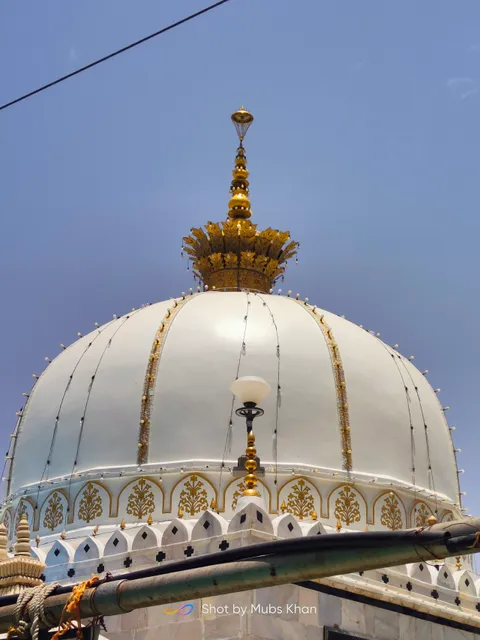
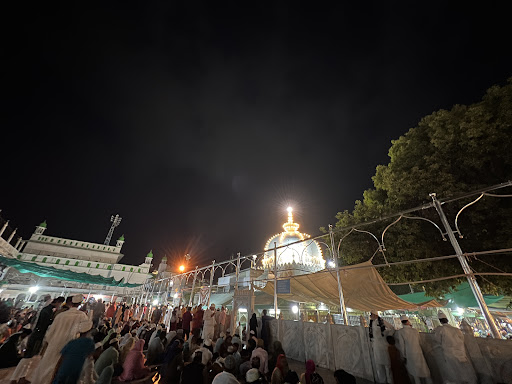
The centerpiece of Khwaja Gareeb Nawaz is the majestic shrine dedicated to the revered Sufi saint, Khwaja Moinuddin Chishti. The shrine exudes a sense of reverence and draws pilgrims from all walks of life. Its architectural brilliance and intricate detailing are awe-inspiring, reflecting the rich cultural heritage of the region.
During my visit, I had the privilege of witnessing a Sufi Qawwali performance. The soul-stirring melodies and hypnotic rhythm transported me into a state of transcendence, as the musicians and singers poured their hearts into the performance. It was a profoundly moving experience, leaving me with a profound sense of peace and spiritual connection.
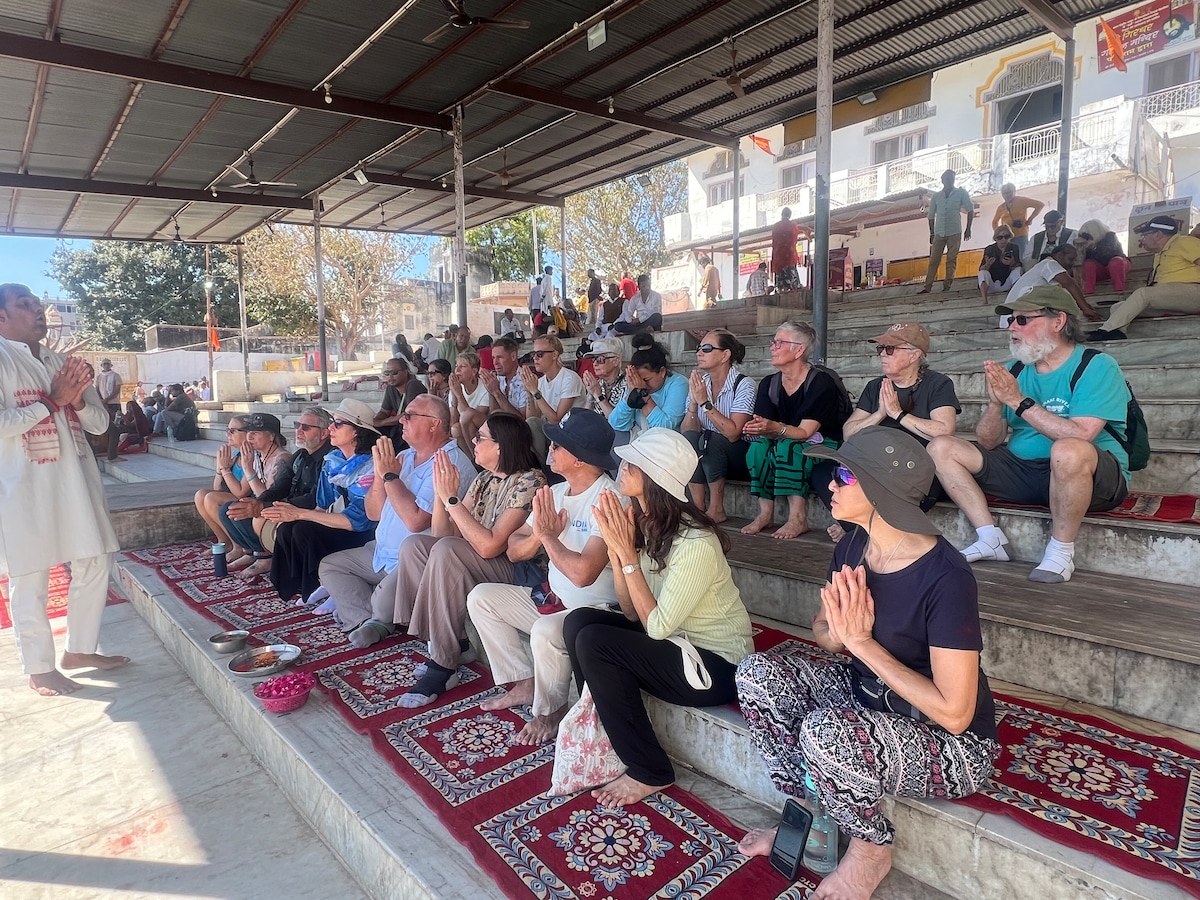
One of the highlights of Khwaja Gareeb Nawaz is its vibrant community atmosphere. Pilgrims from different faiths and cultures come together in this sacred space, fostering a spirit of unity and tolerance. It was heartening to witness individuals of diverse backgrounds sharing their devotion and respect for Khwaja Moinuddin Chishti.
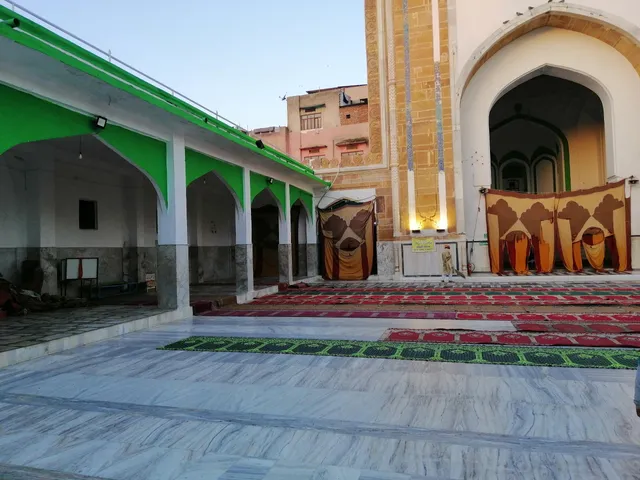
Additionally, the pilgrim spot offers ample seating areas and shaded spots, inviting visitors to pause, reflect, and soak in the serene surroundings. Whether you’re seeking solitude for personal introspection or wish to engage in meaningful conversations with fellow pilgrims, Khwaja Gareeb Nawaz provides the perfect ambiance for both.
The facilities and amenities provided by the management were commendable. Clean restrooms, drinking water stations, and well-maintained pathways ensured a comfortable visit for all. The staff members were friendly, knowledgeable, and always ready to assist, enhancing the overall experience.
In conclusion, Khwaja Gareeb Nawaz is a remarkable pilgrim spot that encapsulates the essence of spirituality and inclusivity. Its natural beauty, awe-inspiring shrine, and soul-stirring music combine to create an experience that touches the depths of one’s soul. Whether you’re a devout pilgrim or someone seeking solace in a peaceful environment, this garden is an absolute must-visit. Prepare to be enchanted, uplifted, and rejuvenated as you embark on a spiritual journey within its...
Read moreVisiting Khwaja Gharib Nawaz Dargah Sharif (Ajmer Sharif) is a deeply spiritual experience that fills the heart with peace and remembrance of Allah. I visit every year, and each time I feel renewed with sukoon and inner calm. It’s a place where people from all walks of life gather to remember Allah and seek His mercy through the barakah and prayers of Khwaja Moinuddin Chishti (R.A.), one of Allah’s most beloved saints.
The barkat we receive here are from Allah alone, who accepts the duas and sincerity of His servants. The Dargah reminds us of humility, service, and love for humanity — the beautiful teachings that Khwaja Gharib Nawaz (R.A.) lived by. His life was a message of compassion, unity, and peace, and even today, you can feel that spiritual light in the air.
The Dargah is well maintained despite the large crowds. The arrangements for devotees are improving every year, and the environment is filled with the fragrance of attar, the sound of soulful qawwalis, and the pure devotion of people making dua to Allah.
Whenever I visit, I leave with a peaceful heart, gratitude to Allah, and inspiration to live with kindness and simplicity. Truly, this place is a symbol of love, faith, and divine mercy.
May Allah bless all who visit this sacred Dargah and accept their prayers.
Highly recommended for anyone seeking peace, reflection, and closeness to Allah through the remembrance of His righteous servant, Khwaja Gharib...
Read more