Whenever someone visits me in Bhopal, this is the first place I take them. The Tribal Museum is more than just a collection of galleries. It’s a living, breathing celebration of culture, imagination, and the enduring connection between people and the earth. To step inside is to step into a story still being written, and it is one I never tire of revisiting.
The Tribal Museum in Bhopal stands as a marvel, unlike any museum I have visited before. As someone with a passion for exploring such spaces, I can confidently say it ranks among the finest in the world. It does not merely exhibit tribal art but immerses you in a space where every corner whispers stories of its makers.
What sets the museum apart is its architecture, an integral storyteller in itself. Conceived by famous Indian architect, Late Revathi Kamath and later enriched under Harchandan Singh Bhatti’s guidance, the structure and its curation mirrors the spirit through the hands of the communities it celebrates.
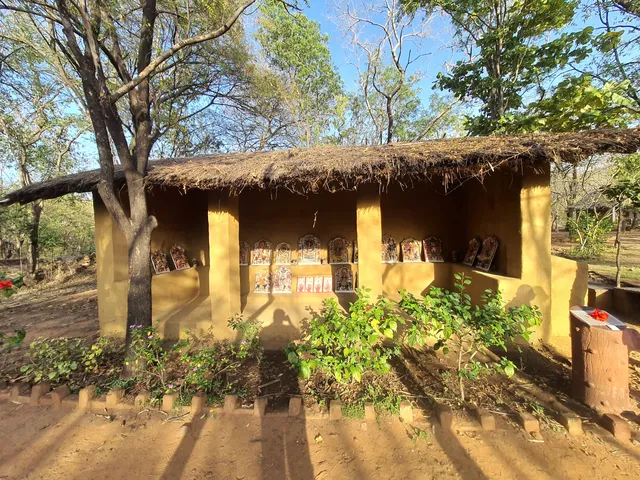
The design is not just a backdrop for exhibits; it is an active participant so much in a way that sometimes it’s difficult to distinguish between the ‘structure’ of the building and the artworks of ingenious tribal communities. Built into the rocky terrain of Shyamla Hills in Bhopal, the Museum uses its seven acres to combine enclosed, semi-open, and open spaces, in a way, creating a dialogue between built form and the environment.
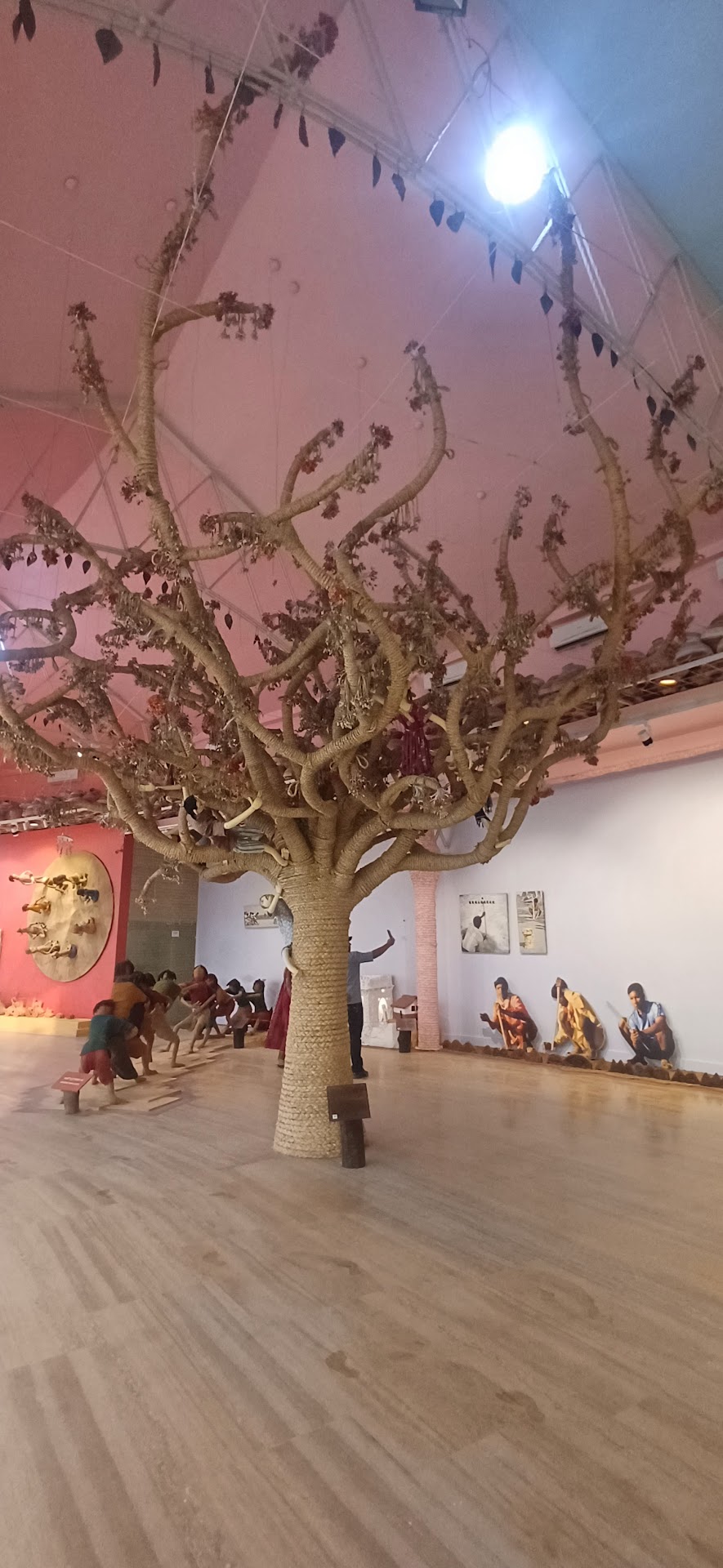
The very act of entering the Museum feels different. The two-vehicle parking is not a straight pavement, but an organic stone clad space. The curved driveway, shaded by bamboo leads to a reception area. One can see how Gond art, on the entrance wall, transforms from two to three dimensions. The reception space welcomes visitors with intricate woven tree made of Jute. It opens into verandahs, where sunlight is filtered through operable panels again made of woven jute and bamboo matt. This interplay of light, shadow, and breeze creates a sensory experience that feels both grounding and otherworldly.
Within these walls, the Museum unfolds its stories across six galleries, each a world unto itself.
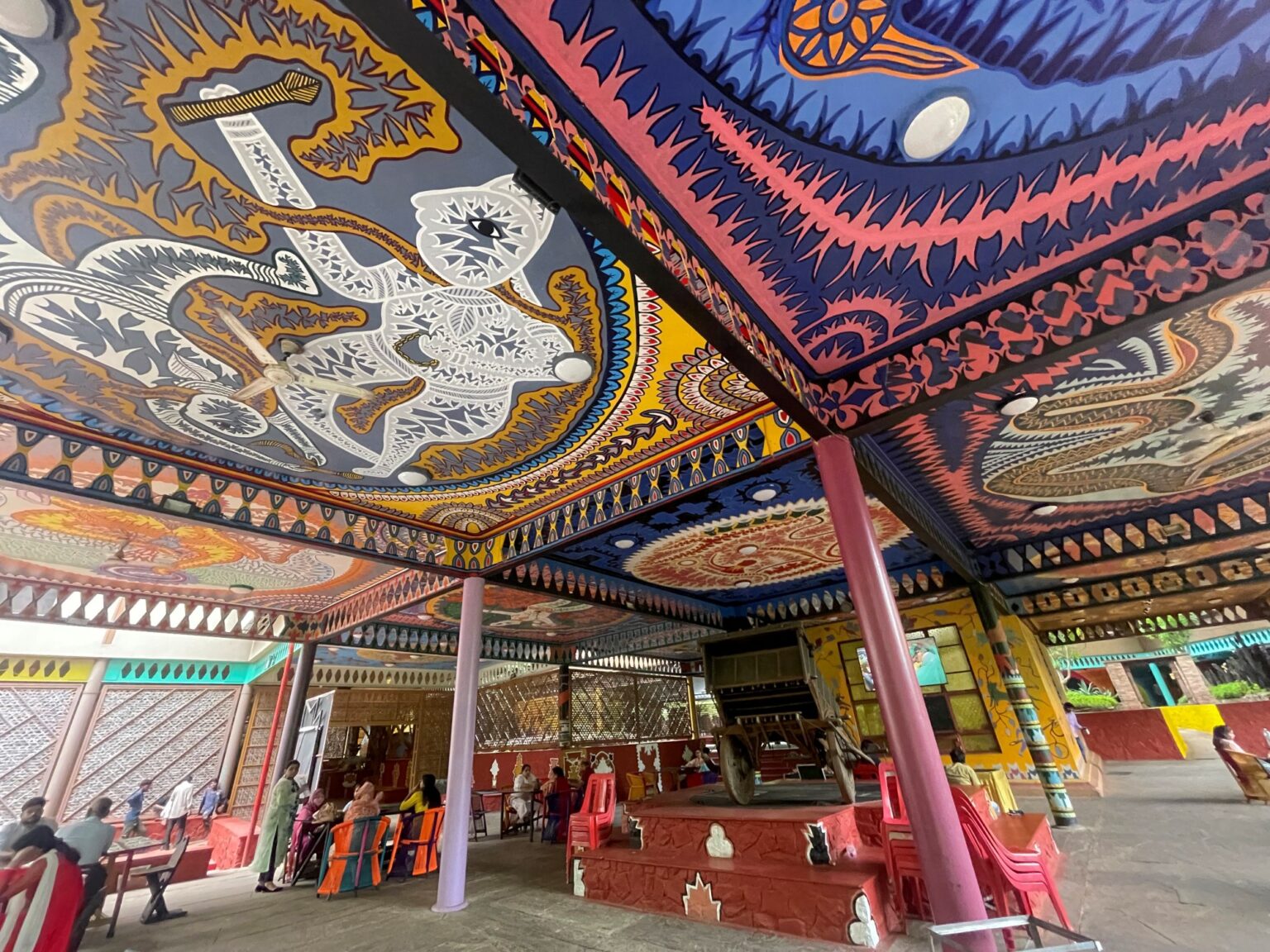
The space is alive, constantly revealing its secrets. It took me months to notice the ceiling above the canteen, painted with the Navgraha (nine planets). This attention to detail is what makes the Museum both overwhelming and enchanting—every visit feels like discovering a new layer of its soul.
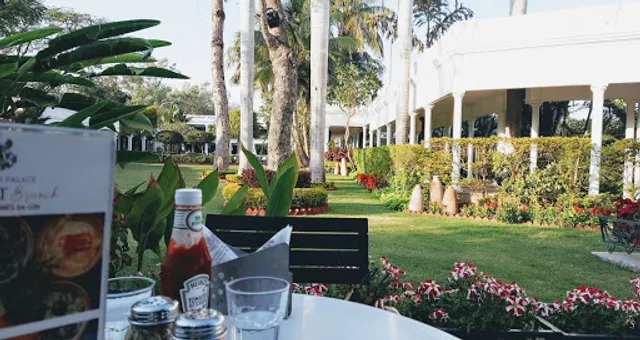
The Museum connects tribal life to our everyday life. The canteen, for instance, serves tribal food (now only on the weekends), offering experiences of contemporary dishes with a twist, like my favourite , tasting the mahua jalebi—a famous Indian sweet but with a twist where it’s made from the flowers of the mahua tree mixed with jalebi dough. Much like the Museum itself, the dish embodies the profound relationship between people, culture, past and present.
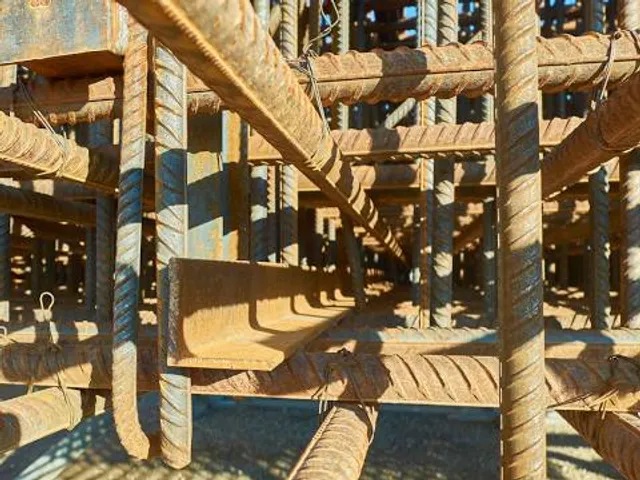
What makes the Tribal Museum truly extraordinary is the way it was brought to life. Tribal artisans, given the freedom to dream, have left their imprints on every corner. For example, the woven ‘tree like’ form at columns, crafted using the charpai weaving technique, transforms a utilitarian craft into a sculptural marvel. Similarly, Gond myths brighten the canteen walls and traditional Godna tattoo art embellishes office windows.
The museum is a product of collaboration—of visionaries like the Jan Jati Evam Boli Vikas Academy and the artists and communities who contributed their hearts and hands. It stands as a response to the pressures of modernisation, a celebration of traditions at risk of being forgotten.
This from an article I wrote on the museum here:...
Read moreA very good place to visit, anyone who comes to visit bhopal one or two days must visit this museum.... Nice views and installation Wonderful arts Very well presentation It will take at least 2:30 hrs if visit paitently Art lovers must visit places and can purchase original arts also.👍 MP Tribal Museum is a must-visit for anyone interested in tribal heritage, art, and traditions. The museum beautifully recreates tribal houses, daily life, and rituals, offering an immersive experience of Madhya Pradesh’s rich indigenous cultures.
The life-sized installations, intricate sculptures, and vibrant storytelling make it one of the most artistic museums in India. Each section is thoughtfully designed, showcasing the deep connection between tribal communities and nature.
Scope for Improvement:
Better directional signage to guide visitors step by step through the exhibits.
Improved lighting and description placements, as some artifacts’ information is difficult to read in low light.
Guided tours or audio guides would enhance the experience by providing deeper insights into the displays.
Despite these minor issues, the museum is a masterpiece of culture and creativity—a must-visit in Bhopal!🙌 Arresting art outside and in the foyer will immediately take your breath away, drawing you within to experience the wonders of this unique place.
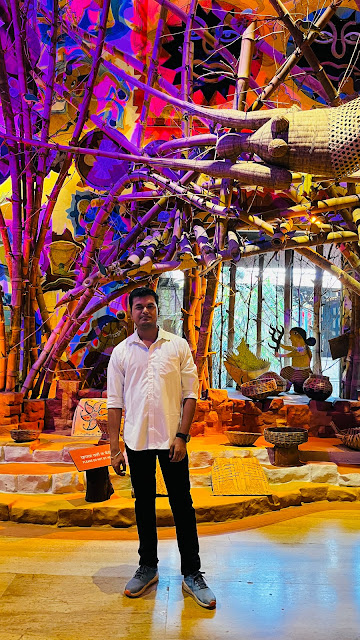
Installations made on a massive scale depict all aspects of tribal life - ceremonies, beliefs governing worship and death, their houses - lots to learn. The info boards are made of metal and bounce off the light, so a little tricky to read.
Footprints guide visitors along a storytelling route. In places, stop and absorb the intricate sculptures and display, climb up and down wooden stairs to get a better view.
The souvenir shop is a little uninspired, but the works of resident painter Payal Meda are well worth looking at. We bought a few reasonably priced original artworks.💯 I had an incredible experience while visiting the Tribal museum. I got to experience different tribal cultures. I love the Pithora paintings and other tribal arts. I'll recommend that people who are interested in historical cultures should visit this place.😀 The Madhya Pradesh Tribal Museum in Bhopal is a cultural gem that beautifully showcases the rich heritage and traditions of the tribal communities of the state. The exhibits are creatively designed, featuring life-size models, intricate art, and vibrant displays that bring tribal culture to life. Each gallery tells a unique story through stunning craftsmanship and thoughtful presentation. The museum is well-maintained, and the lighting and layout enhance the experience. It’s an ideal destination for history enthusiasts, art lovers, and anyone curious about tribal lifestyles. A visit here is both educational and visually captivating—highly...
Read moreThe Madhya Pradesh Tribal Museum, located in Bhopal, offers a vibrant and immersive experience into the rich tribal cultures of the state. Each section of the museum is carefully curated to highlight the art, lifestyle, beliefs, and traditions of the seven major tribes of Madhya Pradesh, including the Gond, Bhil, Baiga, Korku, Sahariya, Kol, and Bhariya.
There one will get to see:
Architectural Beauty: The museum itself is a work of art, with its architecture reflecting indigenous aesthetics. The open spaces, interactive installations, and natural surroundings create a serene and culturally rich environment.
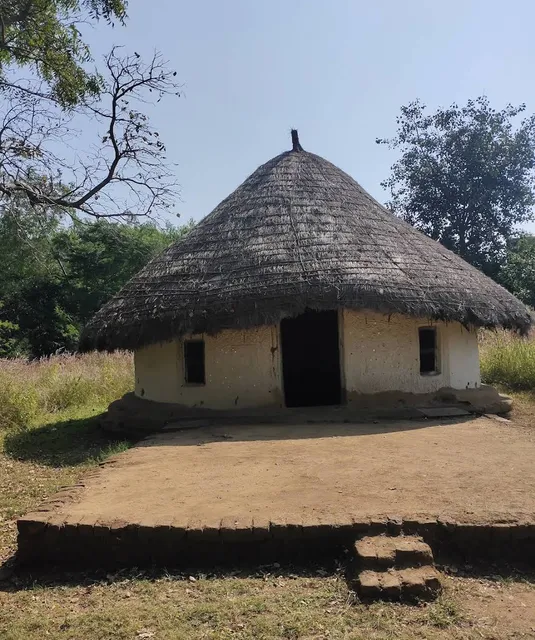
Exhibits and Displays: The exhibits are designed to be experiential rather than conventional. For example, you’ll see life-size models of tribal homes, tools, and art forms like wall paintings, sculptures, and crafts that offer an authentic feel of the tribes' day-to-day life.
Art and Craft: One of the highlights is the museum's focus on indigenous arts, including intricate handicrafts, pottery, and textiles. Traditional art forms, like the Gond paintings, are particularly eye-catching with their intricate details and vivid colors.
Theatrical Installations: The galleries are designed as thematic installations, blending multimedia, sculptures, and real-life objects. Some galleries even depict tribal myths, festivals, and folklore through elaborate visual storytelling.
Tribal Performances and Festivals: The museum often hosts cultural events, such as tribal music and dance performances, which are a beautiful way to experience the living traditions of these communities.
Interactive Learning: Various educational programs and workshops are conducted, allowing visitors to learn more about the tribal lifestyle, such as their traditional agricultural practices, ecological wisdom, and belief systems.
Spiritual and Mythological Significance: Many exhibits also delve into the tribal communities' spiritual connection with nature and the cosmos, their festivals, rituals, and the way these influence their worldview.
Visiting the Madhya Pradesh Tribal Museum is not just about observing exhibits but about engaging with the ethos of tribal communities, understanding their symbiotic relationship with nature, and celebrating the diversity of their artistic expressions. It’s a must-visit for anyone interested in anthropology,...
Read more