HTML SitemapExplore
logo
Find Things to DoFind The Best Restaurants

Gaya Museum — Attraction in Bihar

Name
Gaya Museum
Description
Nearby attractions
ISKCON GAYA
Gandhi Maidan, West Church Road, Opp. Red Cross, Gaya, Bihar 823001, India
Nearby restaurants
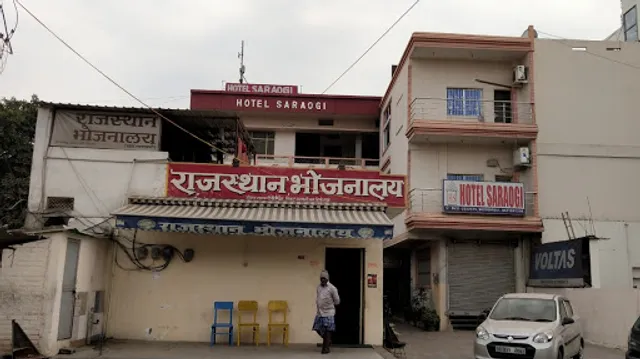
Rajasthan Bhojnalaya
Hotel Saraogi Campus, South Church Road, near Government Bus Stand, opposite Gandhi Maidan, Gaya, Bihar 823001, India
Pramod Laddu Bhandar
North Church Road, near Gandhi Maidan, Nagmatia Colony, Gaya, Bihar 823001, India
Hungrella Restaurant
White House Compound, Judges Colony, Gaya, Bihar 823001, India
Paprica Fine Dine Resturent
QXRW+HQF, Nagmatia Colony, Gaya, Bihar 823001, India
Prabhuji Pure Food - Gaya
Rai Kashinath More, Swarajpuri, Main Road, Gaya, Bihar 823001, India
FRESHOP Cafe & Restro
opposite Sudha Dairy, beside SBI ATM, Bisar Talab, Jaiprakash Nagar, Gaya, Bihar 823001, India
Coffee Roaster's
2nd & 3rd Floor, H.I.G-58, Chanakyapuri Colony, Judges Colony, Gaya, Bihar 823001, India
Moti Mahal Delux Restaurant Gaya
1st floor, Kashinath more, Swarajpuri Rd, above blackberry showroom, beside Zudio, Nagmatia Colony, Gaya, Bihar 823001, India
Chick 'n' Serve
Katari Hill Rd, near Sudha Dairy, Shanti Bagh, Kareem Ganj, Gaya, Bihar 823001, India
Huddle Zone
Uttara Rd, Jaiprakash Nagar, Gaya, Bihar 823001, India
Nearby hotels
Hotel Aryavarta Gaya
South of Gandhi Maidan, opposite Kirk View School, Gaya, Bihar 823001, India
Hotel Saraogi होटल सरावगी
Hotel Saraogi, South, Church Rd, next to Government Bus Depot, opposite Gandhi Maidan, Jaiprakash Nagar, Gayajee, Gaya, Bihar 823001, India
Hotel Gharana
South, Church Rd, Near Gandhi Maidan, Jaiprakash Nagar, Gaya, Bihar 823001, India
Hotel Diamond Palace
opposite S.P. Kothi, Gewalbigha, Gaya, Bihar 823001, India
Hotel Sunaina international
Shankar Rd, behind Kochar Petrol Pump, Chand Chaura, Gaya, Bihar 823001, India
Hotel Garv Residencia
South, Road, in front of Power House, Bisar Talab, Gaya, Bihar 823001, India
Garv hotel and resort
Q2Q2+CP5, Rameshwar Sinha Path, near Chopra Agencies, Bisar Talab, Jaiprakash Nagar, Gaya, Bihar 823001, India
Hotel new mi plaza
Mirza ghalib road, opposite gaya club, White House Compound, Kareem Ganj, Gaya, Bihar 823001, India
Hotel City Surya-Best Hotel in Gaya
victor x-ray lane, Civil Lines, Gaya, Bihar 823001, India
Hotel Vishnu Vihar Gaya
QXRM+GVG, behind Circuit House, Chanakyapuri Colony, Housing Board Colony, Gaya, Bihar 823001, India
Related posts
Keywords
Gaya Museum tourism.Gaya Museum hotels.Gaya Museum bed and breakfast. flights to Gaya Museum.Gaya Museum attractions.Gaya Museum restaurants.Gaya Museum travel.Gaya Museum travel guide.Gaya Museum travel blog.Gaya Museum pictures.Gaya Museum photos.Gaya Museum travel tips.Gaya Museum maps.Gaya Museum things to do.
Gaya Museum things to do, attractions, restaurants, events info and trip planning
Gaya Museum
IndiaBiharGaya Museum

Basic Info

Gaya Museum

QXPW+P6G, Jail Rd, Jaiprakash Nagar, Gaya, Bihar 823001, India
3.8(356)
Closed
Save
spot

Ratings & Description

Info

Cultural
Family friendly
Accessibility
attractions: ISKCON GAYA, restaurants: Rajasthan Bhojnalaya, Pramod Laddu Bhandar, Hungrella Restaurant, Paprica Fine Dine Resturent, Prabhuji Pure Food - Gaya, FRESHOP Cafe & Restro, Coffee Roaster's, Moti Mahal Delux Restaurant Gaya, Chick 'n' Serve, Huddle Zone
logoLearn more insights from Wanderboat AI.
Open hoursSee all hours
MonClosedClosed

Plan your stay

hotel
Pet-friendly Hotels in Bihar
Find a cozy hotel nearby and make it a full experience.

hotel
Affordable Hotels in Bihar
Find a cozy hotel nearby and make it a full experience.

hotel
The Coolest Hotels You Haven't Heard Of (Yet)
Find a cozy hotel nearby and make it a full experience.

hotel
Trending Stays Worth the Hype in Bihar
Find a cozy hotel nearby and make it a full experience.

Reviews

Nearby attractions of Gaya Museum

ISKCON GAYA
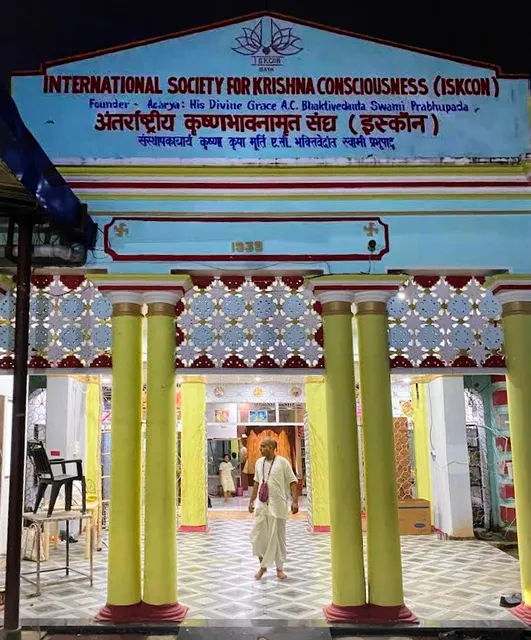
ISKCON GAYA

ISKCON GAYA

4.6

(257)

Open 24 hours
Click for details

Nearby restaurants of Gaya Museum

Rajasthan Bhojnalaya

Pramod Laddu Bhandar

Hungrella Restaurant

Paprica Fine Dine Resturent

Prabhuji Pure Food - Gaya

FRESHOP Cafe & Restro

Coffee Roaster's

Moti Mahal Delux Restaurant Gaya

Chick 'n' Serve

Huddle Zone

Rajasthan Bhojnalaya

Rajasthan Bhojnalaya

3.7

(404)

Click for details
Pramod Laddu Bhandar

Pramod Laddu Bhandar

4.2

(2.1K)

$$

Click for details
Hungrella Restaurant

Hungrella Restaurant

3.7

(302)

Click for details
Paprica Fine Dine Resturent

Paprica Fine Dine Resturent

4.3

(93)

Closed
Click for details
Get the Appoverlay
Get the AppOne tap to find yournext favorite spots!
Wanderboat LogoWanderboat

Your everyday Al companion for getaway ideas

CompanyAbout Us
InformationAI Trip PlannerSitemap
SocialXInstagramTiktokLinkedin
LegalTerms of ServicePrivacy Policy

Get the app

© 2025 Wanderboat. All rights reserved.
logo

Reviews of Gaya Museum

3.8
(356)
avatar
5.0
17w

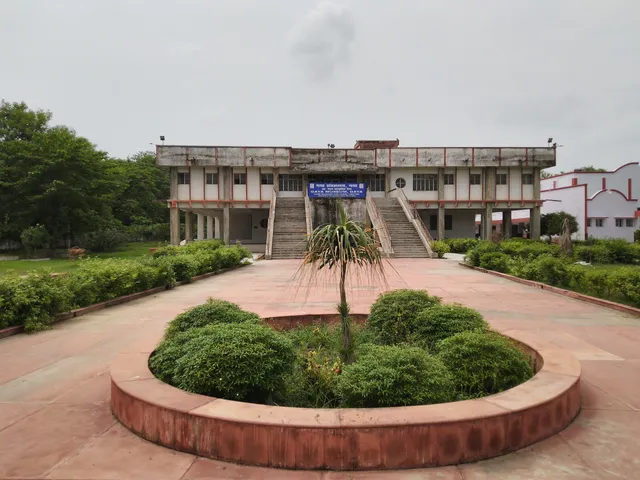
Gaya Museum is a small regional museum in Gaya showcasing sculptures and artefacts from the Maurya, Gupta, and Pala periods, along with a numismatic (coin) collection that reflects the area’s historical and religious heritage. It’s located near Chand Chaura on Jail Road in Jaiprakash Nagar, a short ride from Bodh Gaya, making it easy to include in a Gaya–Bodh Gaya itinerary.

Key details

Address: K.P. Road, Chand Chaura, Gaya, Bihar; near Jail Road, Jaiprakash Nagar.

Hours: 10 AM–5 PM; closed on Mondays.

Tickets: ₹10 (Indian nationals), ₹50 (foreign nationals) as reported by recent guides—confirm on-site as local fees can change.

Getting there: 2 km from Gaya Junction (10–15 min by auto), 8–9 km from Gaya Airport (about 20 min).

Nearby: Bodh Gaya (Mahabodhi Temple complex) is about a 20-minute drive; broader Gaya is highlighted by state tourism as a major spiritual hub.

What to see

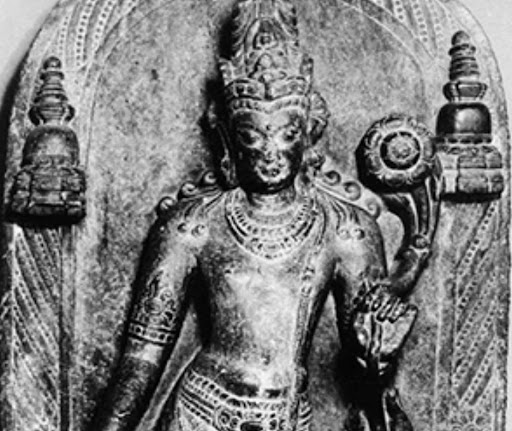
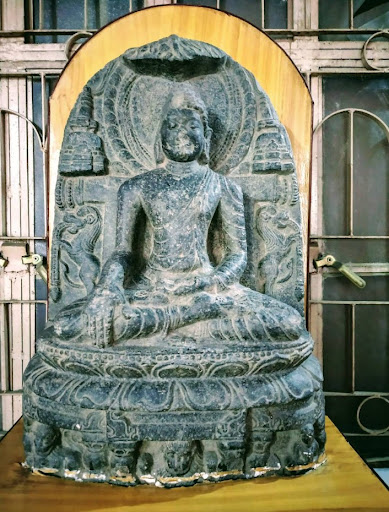
Sculpture galleries: Stone and metal images across Maurya–Gupta–Pala eras depicting Buddhist and Brahmanical themes, offering a compact survey of Magadh’s art history.

Buddhist section: Objects tied to Bodh Gaya’s significance, with Buddha and Bodhisattva images and references to Ashoka’s Buddhist patronage.

Coins and antiquities: Multi‑period numismatic displays that hint at trade, polity, and economy over centuries.

Visitor experience

Scale and curation: Expect a modest, no‑frills facility with a few rooms; it’s valuable for focused history/art interest rather than a large, modern museum experience.

Time needed: 60–90 minutes for a general visit; 2 hours if you read labels and study coins/sculptures in detail.

Best season: October–March is preferable due to local climate; summers can be hot.

Tips

Pair with Bodh Gaya: Combine with the Archaeological Museum at Bodh Gaya and the Mahabodhi Temple for a full cultural day.

Verify hours/fees: Local conditions and timings can change; confirm before you go, especially on Mondays and public holidays.

Access: The area has shops and eateries; auto-rickshaws are convenient for short hops between city sights.

Short review (verdict)

Strengths: Strong regional focus with Maurya–Gupta–Pala sculptures and a useful coin section; good context for Gaya/Bodh Gaya’s religious-art history.

Limitations: Small scale and basic infrastructure; not a substitute for larger institutions like Patna’s Bihar Museum if you want expansive, modern galleries.

Overall: Worth a targeted stop for history/art enthusiasts or anyone already visiting Bodh Gaya; plan 1–2 hours and combine with nearby heritage sites for best...

   Read more
avatar
5.0
1y

The Gaya Museum, located in Bodh Gaya, Bihar, offers an insightful glimpse into the ancient cultural, religious, and historical significance of the region. Known as one of the most revered Buddhist sites, Bodh Gaya is the place where Siddhartha Gautama attained enlightenment under the Bodhi Tree, which has made it a focal point for Buddhist pilgrims from around the world. The museum complements the historical essence of the town, showcasing an impressive collection of artifacts, sculptures, and relics that reflect the artistic and spiritual heritage of Buddhism in India. The exhibits at Gaya Museum are carefully curated to capture the journey of Buddhism from its origins to its influence across Asia. A notable highlight is the collection of statues of Lord Buddha in various poses, each one meticulously crafted to depict different aspects of his teachings and life. The stone sculptures, many dating back centuries, are particularly awe-inspiring due to their intricate detail and craftsmanship. The museum also houses a range of artifacts from the Mauryan and Gupta periods, offering a deeper understanding of the early Indian dynasties that were instrumental in promoting Buddhism. Beyond the religious significance, the Gaya Museum does an excellent job of contextualizing the historical and cultural influences that have shaped Bodh Gaya as a spiritual center. The museum is well-maintained, with informative displays that appeal to both casual visitors and history enthusiasts. However, the museum could enhance its appeal by adding interactive exhibits or guided tours to better engage younger visitors and those unfamiliar with Buddhism. Overall, the Gaya Museum is a must-visit for anyone interested in the cultural and spiritual heritage of India, offering a peaceful, educational experience in one of the country's most significant...

   Read more
avatar
4.0
6y

Gaya is not only the prominent Buddhist pilgrimage center but also a city of great mythological significance. It carries a rich legacy of diverse religions and dynasties that are clearly evident in the form of several magnificent temples and monuments, which attract a lot of people of all ages from various corners of the world. It is a city with many museums that showcase the rich cultural heritage and glorious past. The museums in Gaya have played a key role in preserving the national legacy through the wonderful collection of precious ancient artifacts, paintings, relics, engravings and various other items. One of the best ways to understand what makes Gaya special among the people is to plan a visit to its museums during your tour to Bihar.Bodhgaya Archaeological Museum, situated close to the famous Mahabodhi Temple, was set up in the year 1956. The museum houses some excellent and rare antique collections including terracotta items, sculptures from the 1st century and idols of Hindu gods made of silver, bronze and gold, among others. In a gallery inside, visitors can see all the Dasavatara or incarnations of Lord Vishnu. There are enormous idols of Lord Buddha in abhayamudra position and varaha avatar displayed in the museum. Also on display here are objects belonging to the Mauryan and Gupta periods and coins from the Mughal era. Apart from some curious travellers, the place is frequented by historians and archaeologists in...

   Read more
Page 1 of 7
Previous
Next

Posts

Prem KumarPrem Kumar
Gaya Museum is a small regional museum in Gaya showcasing sculptures and artefacts from the Maurya, Gupta, and Pala periods, along with a numismatic (coin) collection that reflects the area’s historical and religious heritage. It’s located near Chand Chaura on Jail Road in Jaiprakash Nagar, a short ride from Bodh Gaya, making it easy to include in a Gaya–Bodh Gaya itinerary. Key details Address: K.P. Road, Chand Chaura, Gaya, Bihar; near Jail Road, Jaiprakash Nagar. Hours: 10 AM–5 PM; closed on Mondays. Tickets: ₹10 (Indian nationals), ₹50 (foreign nationals) as reported by recent guides—confirm on-site as local fees can change. Getting there: ~2 km from Gaya Junction (10–15 min by auto), ~8–9 km from Gaya Airport (about 20 min). Nearby: Bodh Gaya (Mahabodhi Temple complex) is about a 20-minute drive; broader Gaya is highlighted by state tourism as a major spiritual hub. What to see Sculpture galleries: Stone and metal images across Maurya–Gupta–Pala eras depicting Buddhist and Brahmanical themes, offering a compact survey of Magadh’s art history. Buddhist section: Objects tied to Bodh Gaya’s significance, with Buddha and Bodhisattva images and references to Ashoka’s Buddhist patronage. Coins and antiquities: Multi‑period numismatic displays that hint at trade, polity, and economy over centuries. Visitor experience Scale and curation: Expect a modest, no‑frills facility with a few rooms; it’s valuable for focused history/art interest rather than a large, modern museum experience. Time needed: 60–90 minutes for a general visit; 2 hours if you read labels and study coins/sculptures in detail. Best season: October–March is preferable due to local climate; summers can be hot. Tips Pair with Bodh Gaya: Combine with the Archaeological Museum at Bodh Gaya and the Mahabodhi Temple for a full cultural day. Verify hours/fees: Local conditions and timings can change; confirm before you go, especially on Mondays and public holidays. Access: The area has shops and eateries; auto-rickshaws are convenient for short hops between city sights. Short review (verdict) Strengths: Strong regional focus with Maurya–Gupta–Pala sculptures and a useful coin section; good context for Gaya/Bodh Gaya’s religious-art history. Limitations: Small scale and basic infrastructure; not a substitute for larger institutions like Patna’s Bihar Museum if you want expansive, modern galleries. Overall: Worth a targeted stop for history/art enthusiasts or anyone already visiting Bodh Gaya; plan 1–2 hours and combine with nearby heritage sites for best value ..............................
MR. SONU KUMARMR. SONU KUMAR
The Gaya Museum, located in Bodh Gaya, Bihar, offers an insightful glimpse into the ancient cultural, religious, and historical significance of the region. Known as one of the most revered Buddhist sites, Bodh Gaya is the place where Siddhartha Gautama attained enlightenment under the Bodhi Tree, which has made it a focal point for Buddhist pilgrims from around the world. The museum complements the historical essence of the town, showcasing an impressive collection of artifacts, sculptures, and relics that reflect the artistic and spiritual heritage of Buddhism in India. The exhibits at Gaya Museum are carefully curated to capture the journey of Buddhism from its origins to its influence across Asia. A notable highlight is the collection of statues of Lord Buddha in various poses, each one meticulously crafted to depict different aspects of his teachings and life. The stone sculptures, many dating back centuries, are particularly awe-inspiring due to their intricate detail and craftsmanship. The museum also houses a range of artifacts from the Mauryan and Gupta periods, offering a deeper understanding of the early Indian dynasties that were instrumental in promoting Buddhism. Beyond the religious significance, the Gaya Museum does an excellent job of contextualizing the historical and cultural influences that have shaped Bodh Gaya as a spiritual center. The museum is well-maintained, with informative displays that appeal to both casual visitors and history enthusiasts. However, the museum could enhance its appeal by adding interactive exhibits or guided tours to better engage younger visitors and those unfamiliar with Buddhism. Overall, the Gaya Museum is a must-visit for anyone interested in the cultural and spiritual heritage of India, offering a peaceful, educational experience in one of the country's most significant historical landscapes.
Pravin KumarPravin Kumar
Gaya is not only the prominent Buddhist pilgrimage center but also a city of great mythological significance. It carries a rich legacy of diverse religions and dynasties that are clearly evident in the form of several magnificent temples and monuments, which attract a lot of people of all ages from various corners of the world. It is a city with many museums that showcase the rich cultural heritage and glorious past. The museums in Gaya have played a key role in preserving the national legacy through the wonderful collection of precious ancient artifacts, paintings, relics, engravings and various other items. One of the best ways to understand what makes Gaya special among the people is to plan a visit to its museums during your tour to Bihar.Bodhgaya Archaeological Museum, situated close to the famous Mahabodhi Temple, was set up in the year 1956. The museum houses some excellent and rare antique collections including terracotta items, sculptures from the 1st century and idols of Hindu gods made of silver, bronze and gold, among others. In a gallery inside, visitors can see all the Dasavatara or incarnations of Lord Vishnu. There are enormous idols of Lord Buddha in abhayamudra position and varaha avatar displayed in the museum. Also on display here are objects belonging to the Mauryan and Gupta periods and coins from the Mughal era. Apart from some curious travellers, the place is frequented by historians and archaeologists in large numbers.
See more posts
See more posts
hotel
Find your stay

Pet-friendly Hotels in Bihar

Find a cozy hotel nearby and make it a full experience.

Gaya Museum is a small regional museum in Gaya showcasing sculptures and artefacts from the Maurya, Gupta, and Pala periods, along with a numismatic (coin) collection that reflects the area’s historical and religious heritage. It’s located near Chand Chaura on Jail Road in Jaiprakash Nagar, a short ride from Bodh Gaya, making it easy to include in a Gaya–Bodh Gaya itinerary. Key details Address: K.P. Road, Chand Chaura, Gaya, Bihar; near Jail Road, Jaiprakash Nagar. Hours: 10 AM–5 PM; closed on Mondays. Tickets: ₹10 (Indian nationals), ₹50 (foreign nationals) as reported by recent guides—confirm on-site as local fees can change. Getting there: ~2 km from Gaya Junction (10–15 min by auto), ~8–9 km from Gaya Airport (about 20 min). Nearby: Bodh Gaya (Mahabodhi Temple complex) is about a 20-minute drive; broader Gaya is highlighted by state tourism as a major spiritual hub. What to see Sculpture galleries: Stone and metal images across Maurya–Gupta–Pala eras depicting Buddhist and Brahmanical themes, offering a compact survey of Magadh’s art history. Buddhist section: Objects tied to Bodh Gaya’s significance, with Buddha and Bodhisattva images and references to Ashoka’s Buddhist patronage. Coins and antiquities: Multi‑period numismatic displays that hint at trade, polity, and economy over centuries. Visitor experience Scale and curation: Expect a modest, no‑frills facility with a few rooms; it’s valuable for focused history/art interest rather than a large, modern museum experience. Time needed: 60–90 minutes for a general visit; 2 hours if you read labels and study coins/sculptures in detail. Best season: October–March is preferable due to local climate; summers can be hot. Tips Pair with Bodh Gaya: Combine with the Archaeological Museum at Bodh Gaya and the Mahabodhi Temple for a full cultural day. Verify hours/fees: Local conditions and timings can change; confirm before you go, especially on Mondays and public holidays. Access: The area has shops and eateries; auto-rickshaws are convenient for short hops between city sights. Short review (verdict) Strengths: Strong regional focus with Maurya–Gupta–Pala sculptures and a useful coin section; good context for Gaya/Bodh Gaya’s religious-art history. Limitations: Small scale and basic infrastructure; not a substitute for larger institutions like Patna’s Bihar Museum if you want expansive, modern galleries. Overall: Worth a targeted stop for history/art enthusiasts or anyone already visiting Bodh Gaya; plan 1–2 hours and combine with nearby heritage sites for best value ..............................
Prem Kumar

Prem Kumar

hotel
Find your stay

Affordable Hotels in Bihar

Find a cozy hotel nearby and make it a full experience.

Get the Appoverlay
Get the AppOne tap to find yournext favorite spots!
The Gaya Museum, located in Bodh Gaya, Bihar, offers an insightful glimpse into the ancient cultural, religious, and historical significance of the region. Known as one of the most revered Buddhist sites, Bodh Gaya is the place where Siddhartha Gautama attained enlightenment under the Bodhi Tree, which has made it a focal point for Buddhist pilgrims from around the world. The museum complements the historical essence of the town, showcasing an impressive collection of artifacts, sculptures, and relics that reflect the artistic and spiritual heritage of Buddhism in India. The exhibits at Gaya Museum are carefully curated to capture the journey of Buddhism from its origins to its influence across Asia. A notable highlight is the collection of statues of Lord Buddha in various poses, each one meticulously crafted to depict different aspects of his teachings and life. The stone sculptures, many dating back centuries, are particularly awe-inspiring due to their intricate detail and craftsmanship. The museum also houses a range of artifacts from the Mauryan and Gupta periods, offering a deeper understanding of the early Indian dynasties that were instrumental in promoting Buddhism. Beyond the religious significance, the Gaya Museum does an excellent job of contextualizing the historical and cultural influences that have shaped Bodh Gaya as a spiritual center. The museum is well-maintained, with informative displays that appeal to both casual visitors and history enthusiasts. However, the museum could enhance its appeal by adding interactive exhibits or guided tours to better engage younger visitors and those unfamiliar with Buddhism. Overall, the Gaya Museum is a must-visit for anyone interested in the cultural and spiritual heritage of India, offering a peaceful, educational experience in one of the country's most significant historical landscapes.
MR. SONU KUMAR

MR. SONU KUMAR

hotel
Find your stay

The Coolest Hotels You Haven't Heard Of (Yet)

Find a cozy hotel nearby and make it a full experience.

hotel
Find your stay

Trending Stays Worth the Hype in Bihar

Find a cozy hotel nearby and make it a full experience.

Gaya is not only the prominent Buddhist pilgrimage center but also a city of great mythological significance. It carries a rich legacy of diverse religions and dynasties that are clearly evident in the form of several magnificent temples and monuments, which attract a lot of people of all ages from various corners of the world. It is a city with many museums that showcase the rich cultural heritage and glorious past. The museums in Gaya have played a key role in preserving the national legacy through the wonderful collection of precious ancient artifacts, paintings, relics, engravings and various other items. One of the best ways to understand what makes Gaya special among the people is to plan a visit to its museums during your tour to Bihar.Bodhgaya Archaeological Museum, situated close to the famous Mahabodhi Temple, was set up in the year 1956. The museum houses some excellent and rare antique collections including terracotta items, sculptures from the 1st century and idols of Hindu gods made of silver, bronze and gold, among others. In a gallery inside, visitors can see all the Dasavatara or incarnations of Lord Vishnu. There are enormous idols of Lord Buddha in abhayamudra position and varaha avatar displayed in the museum. Also on display here are objects belonging to the Mauryan and Gupta periods and coins from the Mughal era. Apart from some curious travellers, the place is frequented by historians and archaeologists in large numbers.
Pravin Kumar

Pravin Kumar

See more posts
See more posts