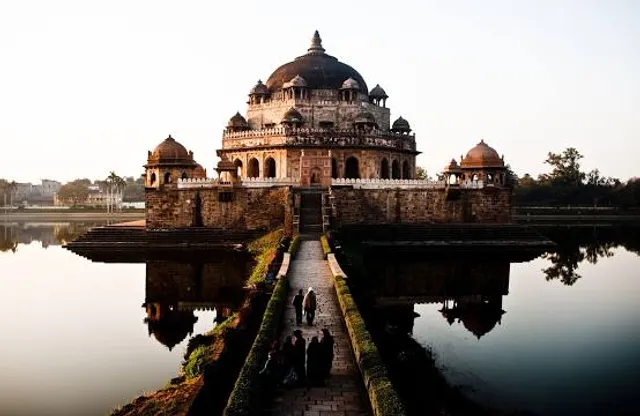
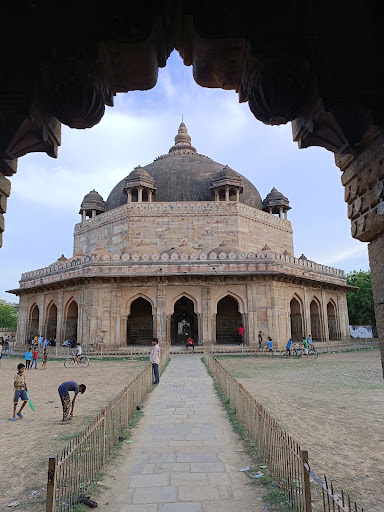
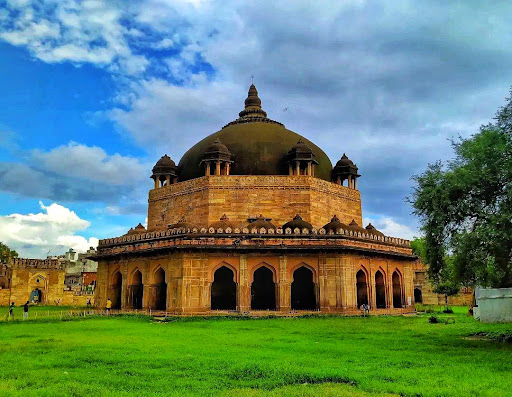
Sher Shah Suri Tomb, located in Sasaram, Bihar, is the mausoleum of Sher Shah Suri, the founder of the Suri Empire in North India during the 16th century. The tomb is an exemplary piece of Indo-Islamic architecture and is noteworthy for its historical significance and architectural
Architectural Marvel: The tomb showcases a blend of Indo-Islamic architectural styles, characterized by its grand structure, intricate carvings, and beautiful inlay work. The use of red sandstone, coupled with white marble, gives it an imposing yet elegant appearance.
Historical Significance: Sher Shah Suri is known for his administrative reforms and the development of infrastructure, including the Grand Trunk Road. The tomb stands as a tribute to his contributions and leadership during his reign from 1540 to 1545.
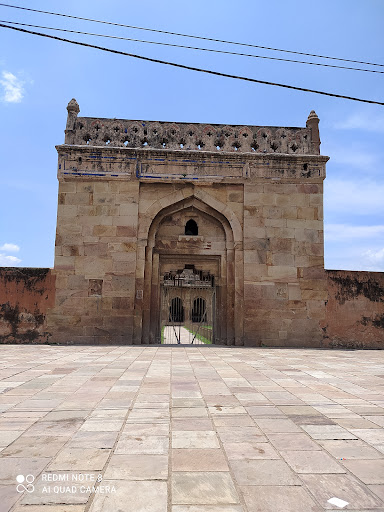
Serene Surroundings: The tomb is set within an expansive complex that features lush gardens and water bodies, providing a peaceful atmosphere for visitors. The surrounding landscape adds to the beauty and historical ambiance of the site.
Cultural Heritage: The site is not just significant for its architecture but also as it represents the rich history of the region. It attracts historians, architects, and tourists interested in India's past.
Accessibility: While the tomb is a bit off the beaten path compared to other tourist spots in India, it is accessible for those willing to explore Bihar’s historical sites. The local authorities have made efforts to maintain the site, making it a worthwhile visit for anyone interested in Indian history.
Conclusion: Overall, Sher Shah Suri Tomb is a must-visit for history enthusiasts and anyone interested in architecture. Its grandeur, coupled with the rich history associated with Sher Shah Suri, makes it a significant landmark in India. Visitors can appreciate not only the beauty of the tomb but also learn about the historical context that...
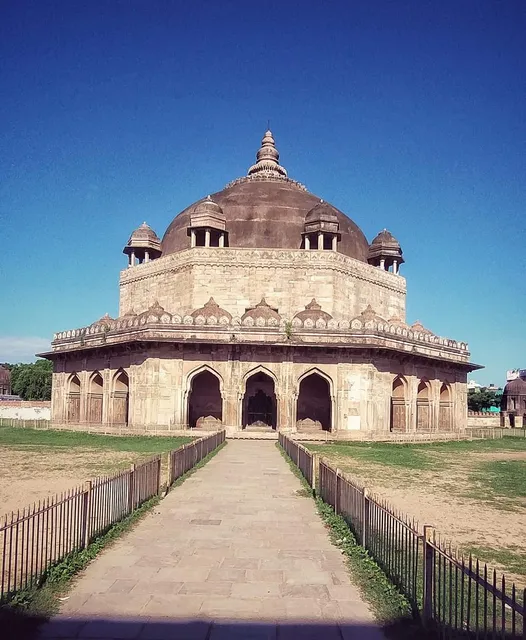
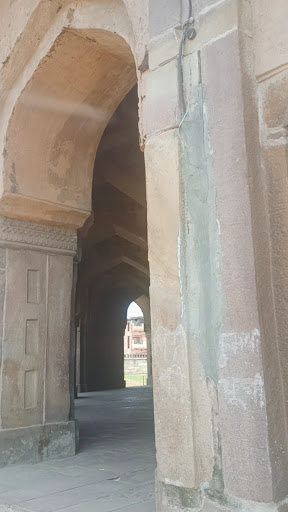
Read moreLocated in the historical town of Sasaram, Bihar, India, stands the Hasan Khan Suri Tomb, a serene yet imposing monument honoring the father of the legendary emperor Sher Shah Suri. While overshadowed by its grander neighbor, the Sher Shah Suri Tomb, this octagonal structure holds its own charm and whispers tales of a simpler past. Hasan Khan Suri, a jagirdar (landowner) and Afghan chieftain, played a crucial role in Sher Shah's rise to power. Though not of royal lineage himself, he instilled in his son the values of leadership and ambition that would eventually shape the course of Indian history. While the exact date of construction is unknown, the tomb is believed to have been built by Sher Shah after his father's death in the early 16th century. Compared to the opulent splendor of the Sher Shah Suri Tomb, the Hasan Khan Suri Tomb may seem simpler at first glance. However, its octagonal shape, a recurring motif in Mughal architecture, symbolizes perfection and divine presence. The single-story verandah circling the structure adds a touch of elegance, while the central dome dominates the skyline, echoing the architectural language of its grander counterpart. Unlike the bustling atmosphere surrounding the Sher Shah Suri Tomb, the Hasan Khan Suri Tomb exudes an air of tranquility. The enclosed square garden surrounding the structure invites quiet contemplation and reflection. Visitors can appreciate the intricate carvings on the sandstone facade, depicting geometric patterns and floral motifs. Inside, the central chamber houses a cenotaph, a symbolic tomb, marking the resting place of...
Read moreHistorical Background: Hasan Khan Suri Tomb, a testament to the grandeur of the Suri dynasty, stands as a silent observer of history. Built during the reign of the Sur Empire in the 16th century, this monument was intended to be a symbol of architectural excellence and a final resting place for Hasan Khan Suri, a prominent figure of his era.
Recent Conditions: However, today's reality paints a contrasting picture. While the structure remains intact, the essence and aura of the tomb have been overshadowed by neglect. Instead of paying homage to its historical significance, locals have transformed its precincts into a playground. The once pristine marble and intricate carvings have lost their luster, bearing witness to countless games and casual gatherings.
Recommendations: The government must recognize the importance of preserving such historical monuments. Immediate steps should be taken to: Erect protective barriers to prevent further damage. Organize regular maintenance and cleaning drives. Educate the local community about the historical significance to foster respect and understanding. Implement strict regulations to deter unauthorized activities within the monument's vicinity.
It's imperative that we act swiftly to restore Hasan Khan Suri Tomb to its former glory, ensuring that future generations can appreciate its beauty and...
Read more