HTML SitemapExplore
logo
Find Things to DoFind The Best Restaurants

Nalanda Excavated site — Attraction in Bihar

Name
Nalanda Excavated site
Description
Nearby attractions
Ruins of Nalanda Mahavihara
Nalanda University Site Rd, Mohanpur, Bargaon, Bihar 803111, India
Nalanda Museum
4CPX+49J, Nalanda, Bihar 803111, India
Wat Thai Nalanda Temple
4CHV+67G, Nalanda University Site Rd, Bargaon, Bihar 803111, India
Nearby restaurants
Subham Restaurant
4CPW+7P3, Bargaon, Bihar 803111, India
Ganesh Hotel
Nalanda University Site Rd, Bargaon, Bihar 803111, India
PK RAJ FAST FOOD AND GENRAL STORE
Mahabodhi collage, near by nav, mahavihar, Nalanda, Bargaon, Bihar 803111, India
Nearby hotels
Related posts
Keywords
Nalanda Excavated site tourism.Nalanda Excavated site hotels.Nalanda Excavated site bed and breakfast. flights to Nalanda Excavated site.Nalanda Excavated site attractions.Nalanda Excavated site restaurants.Nalanda Excavated site travel.Nalanda Excavated site travel guide.Nalanda Excavated site travel blog.Nalanda Excavated site pictures.Nalanda Excavated site photos.Nalanda Excavated site travel tips.Nalanda Excavated site maps.Nalanda Excavated site things to do.
Nalanda Excavated site things to do, attractions, restaurants, events info and trip planning
Nalanda Excavated site
IndiaBiharNalanda Excavated site

Basic Info

Nalanda Excavated site

4CPV+C8W, Nalanda University Site Rd, Bargaon, Bihar 803111, India
4.6(2.8K)
Open 24 hours
Save
spot

Ratings & Description

Info

Cultural
Outdoor
Family friendly
attractions: Ruins of Nalanda Mahavihara, Nalanda Museum, Wat Thai Nalanda Temple, restaurants: Subham Restaurant, Ganesh Hotel, PK RAJ FAST FOOD AND GENRAL STORE
logoLearn more insights from Wanderboat AI.
Phone
+91 94541 95021
Open hoursSee all hours
Sat9 AM - 5 PMClosed

Plan your stay

hotel
Pet-friendly Hotels in Bihar
Find a cozy hotel nearby and make it a full experience.

hotel
Affordable Hotels in Bihar
Find a cozy hotel nearby and make it a full experience.

hotel
The Coolest Hotels You Haven't Heard Of (Yet)
Find a cozy hotel nearby and make it a full experience.

hotel
Trending Stays Worth the Hype in Bihar
Find a cozy hotel nearby and make it a full experience.

Reviews

Nearby attractions of Nalanda Excavated site

Ruins of Nalanda Mahavihara

Nalanda Museum

Wat Thai Nalanda Temple
Ruins of Nalanda Mahavihara

Ruins of Nalanda Mahavihara

4.6

(4K)

Open 24 hours
Click for details
Nalanda Museum

Nalanda Museum

4.5

(1.2K)

Open 24 hours
Click for details

Wat Thai Nalanda Temple

Wat Thai Nalanda Temple

4.5

(284)

Closed
Click for details

Nearby restaurants of Nalanda Excavated site

Subham Restaurant

Ganesh Hotel

PK RAJ FAST FOOD AND GENRAL STORE

Subham Restaurant

Subham Restaurant

2.7

(5)

Open until 10:00 PM
Click for details

Ganesh Hotel

Ganesh Hotel

4.2

(8)

Click for details
PK RAJ FAST FOOD AND GENRAL STORE

PK RAJ FAST FOOD AND GENRAL STORE

4.8

(10)

Click for details
Get the Appoverlay
Get the AppOne tap to find yournext favorite spots!
Wanderboat LogoWanderboat

Your everyday Al companion for getaway ideas

CompanyAbout Us
InformationAI Trip PlannerSitemap
SocialXInstagramTiktokLinkedin
LegalTerms of ServicePrivacy Policy

Get the app

© 2025 Wanderboat. All rights reserved.
logo

Reviews of Nalanda Excavated site

4.6
(2,814)
avatar
5.0
33w

A Timeless Beacon of Knowledge: The Ruins of Nalanda Mahavihara

The Ruins of Nalanda Mahavihara in Bihar stand as a monumental testament to humanity’s enduring quest for knowledge and enlightenment. This ancient seat of learning is not merely an archaeological marvel but a symbol of intellectual and spiritual grandeur that shaped civilizations across Asia.

A Legacy of Scholarly Excellence Founded in the 5th century CE, Nalanda evolved into the world’s first residential university, attracting scholars from distant lands. For over 800 years, it thrived as a hub of interdisciplinary education, offering courses in philosophy, astronomy, medicine, logic, and mathematics. The campus once housed thousands of students and teachers, creating a vibrant community of learning and discourse.

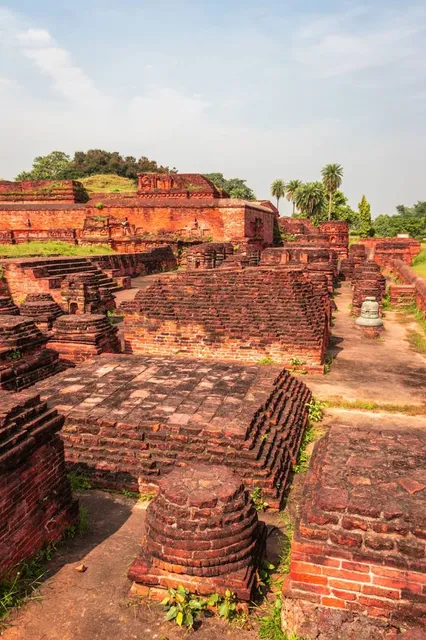
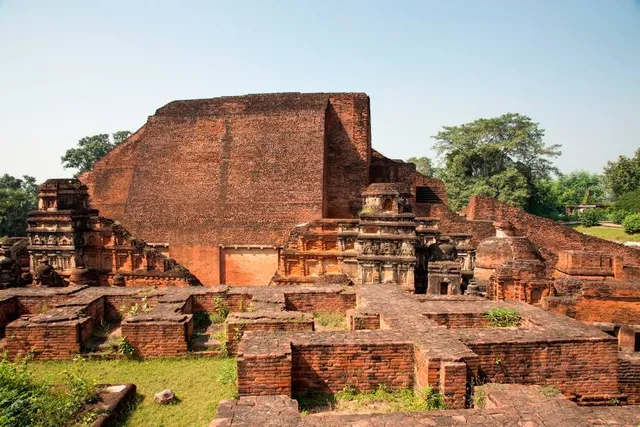
Architectural Splendor Walking through the red-brick ruins today, visitors are awed by the meticulous planning and artistic brilliance of Nalanda. The site features: Temple No. 3, the most iconic structure, with multiple phases of construction and intricate carvings of Buddha and Bodhisattvas. Monasteries revealing multi-story residential cells, courtyards, and shrines that reflect the daily life of monks and scholars. The remnants of legendary libraries, once home to countless manuscripts that preserved ancient wisdom.

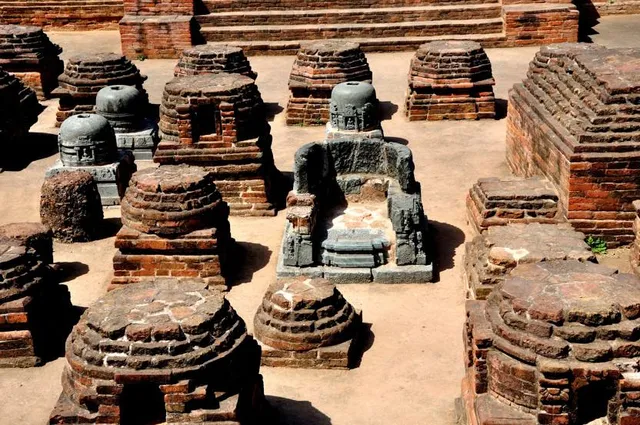
A Spiritual and Cultural Pilgrimage Nalanda’s serene ambiance, dotted with ancient stupas and shaded by lush gardens, invites reflection on its profound legacy. The nearby archaeological museum enriches the experience with artifacts like Buddha statues, coins, and inscriptions, offering glimpses into its golden era. The site’s influence extended far beyond its physical boundaries, shaping monastic architecture and educational traditions across Asia.

*Why Visit Nalanda? Historical Significance: A cradle of global education and cross-cultural exchange. Architectural Grandeur: Marvel at the fusion of artistic and structural brilliance. Spiritual Resonance: Walk in the footsteps of great thinkers and spiritual leaders. Modern Revival: The spirit of Nalanda lives on in institutions dedicated to learning and research.

Nalanda is more than ruins—it is a living ode to the power of knowledge. For history enthusiasts, spiritual seekers, and curious travelers, this sacred site offers an unforgettable journey into India’s intellectual and cultural zenith.

Plan Your Visit: Open daily, the site is best explored during cooler months. Combine with trips to nearby historical and spiritual destinations for a deeper dive into Bihar’s...

   Read more
avatar
5.0
2y

Visiting Nalanda University was an enlightening experience that seamlessly blended the echoes of ancient wisdom with the aspirations of modern education. As I approached the campus, a sense of history and intellectualism enveloped me. The sprawling grounds, with their meticulously designed architecture, gave a glimpse of the grandeur that the ancient Nalanda Mahavihara once possessed.

Walking through the remnants of the ancient university, now beautifully restored and preserved, was like stepping back in time. The remnants revealed the architectural brilliance and the extent of knowledge that once thrived within these hallowed halls. Imagining the scholarly debates and exchange of ideas that took place in these very courtyards centuries ago was awe-inspiring.

The juxtaposition of the old ruins with the modern infrastructure was striking. The contemporary buildings, designed with sustainability in mind, reflected a commitment to environmental harmony. The lush green surroundings, carefully landscaped, created a serene ambiance conducive to learning and reflection.

Engaging with the vibrant academic community was a highlight of the visit. Interactions with faculty and students showcased the diversity of thought and cultures that converge at Nalanda University. Discussions about interdisciplinary studies and the importance of collaborative research emphasized the university's contemporary approach to education.

Participating in a lecture by a distinguished scholar was a privilege. The depth of knowledge and the passion for research were palpable, and it reinforced the commitment of Nalanda University to academic excellence. The emphasis on research-driven education was evident, inspiring me to delve deeper into my own academic pursuits.

However, I also observed that certain facilities and amenities were in the process of development, indicating ongoing efforts to enhance the overall student experience.

In conclusion, visiting Nalanda University was a journey through time and intellect. It offered a unique blend of historical significance and modern educational values, leaving me with a profound appreciation for the pursuit of knowledge and the cultural heritage that the university embodies. I left with a sense of anticipation, eager to witness the continued growth and contributions of this esteemed...

   Read more
avatar
5.0
1y

The Ruins of Nalanda University in Bihar stand as silent witnesses to a bygone era, where wisdom and knowledge flourished amidst the serenity of ancient India. This archaeological site is a treasure trove for history enthusiasts and wanderers seeking to unravel the mysteries of the past.

Nalanda University, once a thriving center of learning, was established in the 5th century AD and reached its zenith during the Gupta and Pala dynasties. The ruins, spread across a vast area, include stupas, monasteries, classrooms, and meditation halls. As one walks through the remnants of this ancient seat of knowledge, a sense of awe and reverence fills the air.

The architecture of Nalanda reflects the intellectual prowess of its time. The red bricks, intricately carved stupas, and remnants of monastic cells paint a vivid picture of the scholarly life that once thrived within these walls. The meticulous planning of the university, with its residential quarters for students and teachers, showcases the importance accorded to a holistic education.

The Archaeological Survey of India has done a commendable job in preserving and showcasing the site. Information boards provide insights into the history of Nalanda, the subjects taught, and the daily life of the scholars. Visitors can imagine the echoes of ancient discussions and debates as they explore the ruins of the massive library, believed to have housed thousands of manuscripts.

One cannot help but marvel at the resilience of Nalanda, which survived invasions and the test of time for several centuries. The serene surroundings, with lush greenery and a peaceful atmosphere, make it easy to transport oneself back to an era when the pursuit of knowledge was paramount.

For those interested in history, spirituality, or simply seeking a tranquil retreat, the Ruins of Nalanda University offer a unique and enriching experience. The site's historical significance and the sheer grandeur of its architecture make it a must-visit destination. As you stand amidst the crumbling walls, you can almost hear the whispers of the past, beckoning you to delve into the rich tapestry of India's intellectual heritage. The Ruins of Nalanda are not just remnants of a bygone era; they are a testament to the enduring spirit of human curiosity and the quest...

   Read more
Page 1 of 7
Previous
Next

Posts

Nabendu MondalNabendu Mondal
Visiting Nalanda University was an enlightening experience that seamlessly blended the echoes of ancient wisdom with the aspirations of modern education. As I approached the campus, a sense of history and intellectualism enveloped me. The sprawling grounds, with their meticulously designed architecture, gave a glimpse of the grandeur that the ancient Nalanda Mahavihara once possessed. Walking through the remnants of the ancient university, now beautifully restored and preserved, was like stepping back in time. The remnants revealed the architectural brilliance and the extent of knowledge that once thrived within these hallowed halls. Imagining the scholarly debates and exchange of ideas that took place in these very courtyards centuries ago was awe-inspiring. The juxtaposition of the old ruins with the modern infrastructure was striking. The contemporary buildings, designed with sustainability in mind, reflected a commitment to environmental harmony. The lush green surroundings, carefully landscaped, created a serene ambiance conducive to learning and reflection. Engaging with the vibrant academic community was a highlight of the visit. Interactions with faculty and students showcased the diversity of thought and cultures that converge at Nalanda University. Discussions about interdisciplinary studies and the importance of collaborative research emphasized the university's contemporary approach to education. Participating in a lecture by a distinguished scholar was a privilege. The depth of knowledge and the passion for research were palpable, and it reinforced the commitment of Nalanda University to academic excellence. The emphasis on research-driven education was evident, inspiring me to delve deeper into my own academic pursuits. However, I also observed that certain facilities and amenities were in the process of development, indicating ongoing efforts to enhance the overall student experience. In conclusion, visiting Nalanda University was a journey through time and intellect. It offered a unique blend of historical significance and modern educational values, leaving me with a profound appreciation for the pursuit of knowledge and the cultural heritage that the university embodies. I left with a sense of anticipation, eager to witness the continued growth and contributions of this esteemed institution.
Tirthadeep KunduTirthadeep Kundu
The Ruins of Nalanda University in Bihar stand as silent witnesses to a bygone era, where wisdom and knowledge flourished amidst the serenity of ancient India. This archaeological site is a treasure trove for history enthusiasts and wanderers seeking to unravel the mysteries of the past. Nalanda University, once a thriving center of learning, was established in the 5th century AD and reached its zenith during the Gupta and Pala dynasties. The ruins, spread across a vast area, include stupas, monasteries, classrooms, and meditation halls. As one walks through the remnants of this ancient seat of knowledge, a sense of awe and reverence fills the air. The architecture of Nalanda reflects the intellectual prowess of its time. The red bricks, intricately carved stupas, and remnants of monastic cells paint a vivid picture of the scholarly life that once thrived within these walls. The meticulous planning of the university, with its residential quarters for students and teachers, showcases the importance accorded to a holistic education. The Archaeological Survey of India has done a commendable job in preserving and showcasing the site. Information boards provide insights into the history of Nalanda, the subjects taught, and the daily life of the scholars. Visitors can imagine the echoes of ancient discussions and debates as they explore the ruins of the massive library, believed to have housed thousands of manuscripts. One cannot help but marvel at the resilience of Nalanda, which survived invasions and the test of time for several centuries. The serene surroundings, with lush greenery and a peaceful atmosphere, make it easy to transport oneself back to an era when the pursuit of knowledge was paramount. For those interested in history, spirituality, or simply seeking a tranquil retreat, the Ruins of Nalanda University offer a unique and enriching experience. The site's historical significance and the sheer grandeur of its architecture make it a must-visit destination. As you stand amidst the crumbling walls, you can almost hear the whispers of the past, beckoning you to delve into the rich tapestry of India's intellectual heritage. The Ruins of Nalanda are not just remnants of a bygone era; they are a testament to the enduring spirit of human curiosity and the quest for knowledge.
Pooja SharmaPooja Sharma
Mesmerising. Well kept. Educational. Ruins is the place of the erstwhile university that existed >1500 years ago. The brick and mortar structure is still standing even after facing successive raids from foreigners, the rain and heat. It leaves a profound impact on heart and mind. The garden around the ruins has beautiful grass. You can sit on it for hours overlooking the ruins and appreciating its grandeur. The ruins consists of the central main temple (the one whose picture was printed on NCERT textbooks of the 90s). A wooden railing has now been created around it so visitors cannot reach it. There are many monasteries around this temple. The ones near the main temple possibly housed students. Dormitories like structures could be seen. They had wall grooves to keep candles/diyas and open roof for sunlight. The natural slope in dormitories is slanting, possibly for easy flow of water/drainage. Monasteries at a distance from the main temple (No 7-11) are very different from one another. Two of them housed central kitchens. They have floor grooves for burning wood, placing cutlery and a drainage to wash utensils. Around the kitchen, there is sitting area. There are large blocks of stones on which the guests sat and dined. Another monastery housed guests. 31 rooms can be easily spotted. These rooms are smaller than the dormitories for students. The entire structure stands on bricks. Just bricks. No iron/steel. Therefore, they can't rise tall without spreading over a large area. The craftsmanship is praiseworthy. Excavation is still in process. So is the renovation work. The ruins exemplifies the wisdom and knowledge that was forever present in India. This needs to be appreciated and protected. Best time to visit : mid Nov- early March. We went in April and it was scorching hot. Entry fee: Rs 40 per person. Beware!! - Electric vehicles or any vehicle is not allowed in side the ruins. Don't get duped by the drivers hurled up at the entry gate. Food - There are small dhabas around the place that serve all kinds of food (incld. Jain food). They are preferable over the Cafeteria near the Museum.
See more posts
See more posts
hotel
Find your stay

Pet-friendly Hotels in Bihar

Find a cozy hotel nearby and make it a full experience.

Visiting Nalanda University was an enlightening experience that seamlessly blended the echoes of ancient wisdom with the aspirations of modern education. As I approached the campus, a sense of history and intellectualism enveloped me. The sprawling grounds, with their meticulously designed architecture, gave a glimpse of the grandeur that the ancient Nalanda Mahavihara once possessed. Walking through the remnants of the ancient university, now beautifully restored and preserved, was like stepping back in time. The remnants revealed the architectural brilliance and the extent of knowledge that once thrived within these hallowed halls. Imagining the scholarly debates and exchange of ideas that took place in these very courtyards centuries ago was awe-inspiring. The juxtaposition of the old ruins with the modern infrastructure was striking. The contemporary buildings, designed with sustainability in mind, reflected a commitment to environmental harmony. The lush green surroundings, carefully landscaped, created a serene ambiance conducive to learning and reflection. Engaging with the vibrant academic community was a highlight of the visit. Interactions with faculty and students showcased the diversity of thought and cultures that converge at Nalanda University. Discussions about interdisciplinary studies and the importance of collaborative research emphasized the university's contemporary approach to education. Participating in a lecture by a distinguished scholar was a privilege. The depth of knowledge and the passion for research were palpable, and it reinforced the commitment of Nalanda University to academic excellence. The emphasis on research-driven education was evident, inspiring me to delve deeper into my own academic pursuits. However, I also observed that certain facilities and amenities were in the process of development, indicating ongoing efforts to enhance the overall student experience. In conclusion, visiting Nalanda University was a journey through time and intellect. It offered a unique blend of historical significance and modern educational values, leaving me with a profound appreciation for the pursuit of knowledge and the cultural heritage that the university embodies. I left with a sense of anticipation, eager to witness the continued growth and contributions of this esteemed institution.
Nabendu Mondal

Nabendu Mondal

hotel
Find your stay

Affordable Hotels in Bihar

Find a cozy hotel nearby and make it a full experience.

Get the Appoverlay
Get the AppOne tap to find yournext favorite spots!
The Ruins of Nalanda University in Bihar stand as silent witnesses to a bygone era, where wisdom and knowledge flourished amidst the serenity of ancient India. This archaeological site is a treasure trove for history enthusiasts and wanderers seeking to unravel the mysteries of the past. Nalanda University, once a thriving center of learning, was established in the 5th century AD and reached its zenith during the Gupta and Pala dynasties. The ruins, spread across a vast area, include stupas, monasteries, classrooms, and meditation halls. As one walks through the remnants of this ancient seat of knowledge, a sense of awe and reverence fills the air. The architecture of Nalanda reflects the intellectual prowess of its time. The red bricks, intricately carved stupas, and remnants of monastic cells paint a vivid picture of the scholarly life that once thrived within these walls. The meticulous planning of the university, with its residential quarters for students and teachers, showcases the importance accorded to a holistic education. The Archaeological Survey of India has done a commendable job in preserving and showcasing the site. Information boards provide insights into the history of Nalanda, the subjects taught, and the daily life of the scholars. Visitors can imagine the echoes of ancient discussions and debates as they explore the ruins of the massive library, believed to have housed thousands of manuscripts. One cannot help but marvel at the resilience of Nalanda, which survived invasions and the test of time for several centuries. The serene surroundings, with lush greenery and a peaceful atmosphere, make it easy to transport oneself back to an era when the pursuit of knowledge was paramount. For those interested in history, spirituality, or simply seeking a tranquil retreat, the Ruins of Nalanda University offer a unique and enriching experience. The site's historical significance and the sheer grandeur of its architecture make it a must-visit destination. As you stand amidst the crumbling walls, you can almost hear the whispers of the past, beckoning you to delve into the rich tapestry of India's intellectual heritage. The Ruins of Nalanda are not just remnants of a bygone era; they are a testament to the enduring spirit of human curiosity and the quest for knowledge.
Tirthadeep Kundu

Tirthadeep Kundu

hotel
Find your stay

The Coolest Hotels You Haven't Heard Of (Yet)

Find a cozy hotel nearby and make it a full experience.

hotel
Find your stay

Trending Stays Worth the Hype in Bihar

Find a cozy hotel nearby and make it a full experience.

Mesmerising. Well kept. Educational. Ruins is the place of the erstwhile university that existed >1500 years ago. The brick and mortar structure is still standing even after facing successive raids from foreigners, the rain and heat. It leaves a profound impact on heart and mind. The garden around the ruins has beautiful grass. You can sit on it for hours overlooking the ruins and appreciating its grandeur. The ruins consists of the central main temple (the one whose picture was printed on NCERT textbooks of the 90s). A wooden railing has now been created around it so visitors cannot reach it. There are many monasteries around this temple. The ones near the main temple possibly housed students. Dormitories like structures could be seen. They had wall grooves to keep candles/diyas and open roof for sunlight. The natural slope in dormitories is slanting, possibly for easy flow of water/drainage. Monasteries at a distance from the main temple (No 7-11) are very different from one another. Two of them housed central kitchens. They have floor grooves for burning wood, placing cutlery and a drainage to wash utensils. Around the kitchen, there is sitting area. There are large blocks of stones on which the guests sat and dined. Another monastery housed guests. 31 rooms can be easily spotted. These rooms are smaller than the dormitories for students. The entire structure stands on bricks. Just bricks. No iron/steel. Therefore, they can't rise tall without spreading over a large area. The craftsmanship is praiseworthy. Excavation is still in process. So is the renovation work. The ruins exemplifies the wisdom and knowledge that was forever present in India. This needs to be appreciated and protected. Best time to visit : mid Nov- early March. We went in April and it was scorching hot. Entry fee: Rs 40 per person. Beware!! - Electric vehicles or any vehicle is not allowed in side the ruins. Don't get duped by the drivers hurled up at the entry gate. Food - There are small dhabas around the place that serve all kinds of food (incld. Jain food). They are preferable over the Cafeteria near the Museum.
Pooja Sharma

Pooja Sharma

See more posts
See more posts