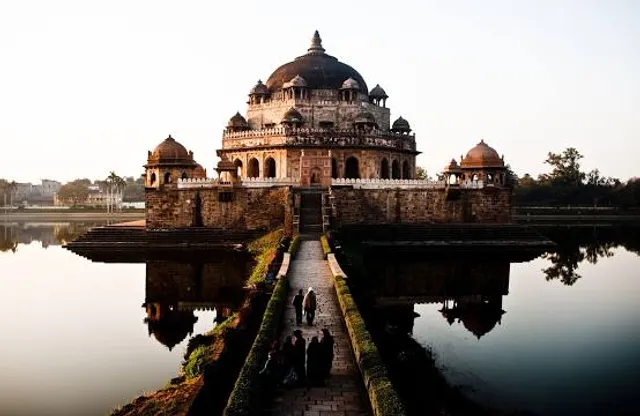
Sher Shah Suri Tomb, located in Sasaram, Bihar, is an important historical monument that holds great significance in Indian history. It is the tomb of Sher Shah Suri, the founder of the Suri Empire and one of the most influential rulers of medieval India. Here's a detailed review of the tomb:
Highlights:
Historical Significance: Sher Shah Suri, known for his administrative reforms, military strategies, and public works, is remembered as one of India's great rulers. His most notable contributions include the development of the Grand Trunk Road and administrative restructuring. The tomb is a testament to his legacy and his impact on Indian history.
Architectural Beauty:
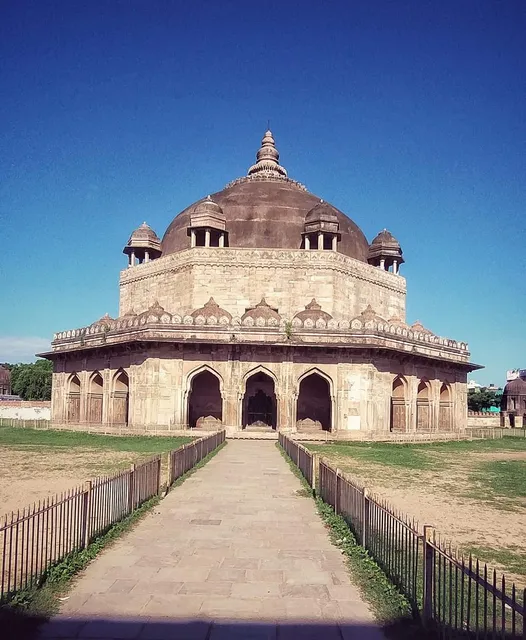
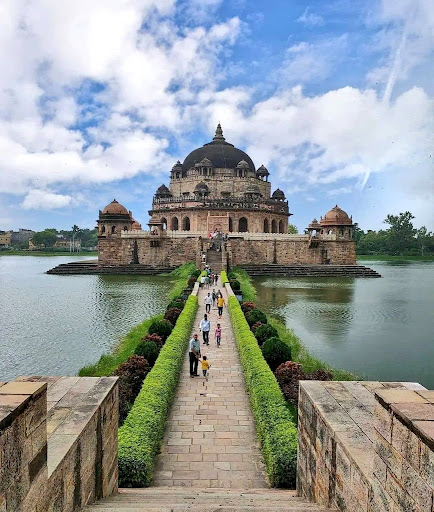
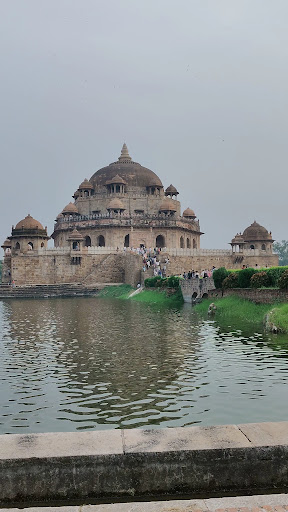
Design: The tomb is an excellent example of Indo-Afghan architecture, blending Persian and Indian architectural styles. It stands on a raised platform surrounded by a large water tank, adding to the grandeur of the monument. The tomb is made of sandstone, and the intricate carvings and detailing on the walls are noteworthy.
Structure: The central tomb is encased by a large courtyard with four minarets at each corner. The monument features a dome that is beautifully crafted, symbolizing the power and grandeur of Sher Shah Suri’s reign.
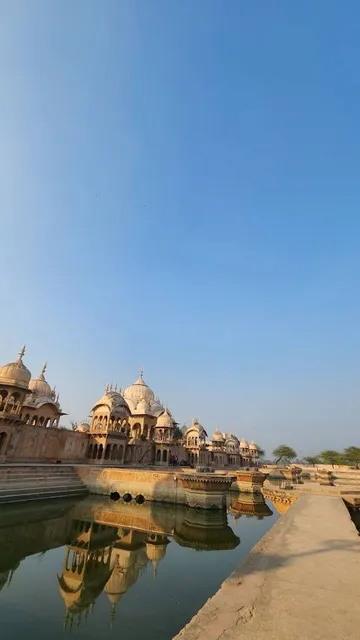
Surrounding Garden: The tomb is set within a large, well-maintained garden with a water tank. The area offers a peaceful ambiance, making it a pleasant place to visit and reflect on the history of the ruler.
Well-Maintained Site:
The tomb and its surroundings are generally well-maintained, with clean pathways, gardens, and gardens adding to the serene environment. It is a peaceful and quiet site, ideal for history enthusiasts and visitors who enjoy historical architecture and culture.
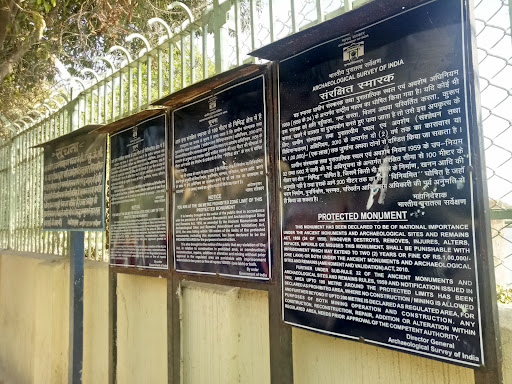
The tomb is maintained by the Archaeological Survey of India (ASI), which ensures that the site stays in good condition for visitors.
Cultural & Educational Value:
The Sher Shah Suri Tomb is not just a tourist attraction but also a cultural and educational landmark. Visitors can learn about the history of Sher Shah Suri, his contributions to Indian society, and his impact on governance.
The tomb is a popular site for history lovers and students, as it offers a glimpse into the life of one of India's greatest rulers.
Peaceful Atmosphere: The monument's serene location and tranquil ambiance make it an excellent spot for people who enjoy quiet walks in historically rich surroundings. It's a great place for photography, leisurely exploration, and soaking in the historical atmosphere.
Things to Keep in Mind:
Limited Facilities: While the site is generally well-kept, amenities like food stalls, restrooms, or other conveniences are minimal. Visitors should plan accordingly for basic needs.
Accessibility: The tomb is located in Sasaram, which is well connected by road and rail. However, it might be a bit difficult to reach for those unfamiliar with the region.
Crowd Levels: The site is generally not overcrowded, especially compared to major tourist spots, which allows for a more peaceful visit. However, it can get busier during holidays or weekends.
Conclusion:
The Sher Shah Suri Tomb is a must-visit historical site for those interested in medieval Indian history and architecture. It stands as a symbol of Sher Shah Suri’s legacy and offers a beautiful mix of history, architecture, and tranquility. The well-preserved structure, peaceful surroundings, and historical importance make it a meaningful destination for tourists and history...
Read moreSher Shah Suri's Tomb, located in Sasaram, Bihar, is a magnificent example of Indo-Islamic architecture, standing as a testament to the grandeur of the medieval period in India. This mausoleum, built between 1540 and 1545 AD, is an architectural marvel that reflects the genius of the period’s craftsmen and the vision of Sher Shah Suri himself. Every aspect of the tomb, from its imposing structure to its intricate detailing, leaves visitors awestruck, making it not just a place of historical significance but also an inspiration for art and architecture enthusiasts.
The tomb, built in the center of an artificial lake, is an octagonal structure made of red sandstone, standing 122 feet high. The sight of the tomb rising majestically out of the tranquil waters is nothing short of breathtaking. The symmetry and balance of the structure are striking, embodying the essence of Islamic architecture. The central dome, supported by intricately designed arches, dominates the skyline, while the smaller domes and minarets add layers of beauty to the overall design.
One of the most impressive features of Sher Shah Suri’s Tomb is its detailed craftsmanship. The walls are adorned with intricate carvings, floral patterns, and calligraphy that showcase the artistic skills of the time. The use of lattice screens (jalis) not only adds an aesthetic appeal but also allows natural light to filter through, creating a serene and contemplative atmosphere within the tomb. The interplay of light and shadow inside the mausoleum is a visual treat, enhancing the spiritual ambiance of the space.
The tomb’s location, in the heart of Sasaram, further enhances its allure. Surrounded by lush gardens, the site offers a peaceful retreat away from the hustle and bustle of daily life. The serene environment, coupled with the historical significance of the monument, provides visitors with a sense of connection to the past. Walking through the well-maintained pathways, one can’t help but feel a deep respect for Sher Shah Suri, the founder of the Suri Empire, who is buried here. His legacy as a brilliant ruler and a visionary leader is reflected in every brick of this grand structure.
The tomb also serves as a remarkable example of the fusion of different architectural styles. The blend of Afghan, Mughal, and Hindu elements is evident in the design, making it a unique monument that stands out among other historical sites in India. This fusion is not just limited to the architectural style but also reflects the cultural amalgamation that took place during Sher Shah Suri’s reign, making the tomb a symbol of unity in diversity.
In conclusion, Sher Shah Suri’s Tomb is not just a burial site but a celebration of the architectural brilliance of medieval India. It stands as a symbol of the power, vision, and legacy of one of India’s greatest rulers. A visit to this monument is not just a journey through history but also an opportunity to appreciate the artistic and cultural achievements of the time. The tomb, with its grandeur and elegance, leaves an indelible mark on the minds of those who visit, making it a must-see for anyone interested in India’s rich...
Read more16th century tomb of emperor Sher Shah Suri, standing in a tank filled with acidic industrial discharge and surrounded by illegally constructed buildings, is set to get a new lease of life with the Patna High Court directing the Archaeological Survey of India (ASI) to preserve the monument in Bihar's Rohtas district.
The tomb in Sasaram town, about 150 km from Patna, has fallen into disrepair due to years of neglect and exposure to pollution. Some parts of the monument have also been encroached upon.
On Monday, the Patna High Court directed the ASI to initiate measures to protect the monument. The court order was in response to a public interest litigation (PIL) filed by a Sasaram resident, who alleged that the state government was not taking adequate steps to preserve the tomb.
Officials said the court has asked the ASI to work in tandem with the Rohtas district administration to solve the problem of encroachment and reduce pollution of the area surrounding the monument.
“The court directed the ASI to clean silt of the water tank in which the tomb stands, make it pollution free and remove the encroachments from the tomb premises,” a court official said.
The court has ordered that the ASI and the district administration should ensure that polluted water from the town does not enter the tank in which the five-storey monument stands.
Industrial discharge has made the water in the tank acidic, which is threatening the structure of the tomb.
ASI officials said the body has last year warned the state government about the ecological threats to the tomb.
It had earlier moved the Patna High Court to protect the monument by removing illegal constructions. It had also approached the district administration for revival of inlet and outlet channels of the tank, and to prevent the immersion of idols, washing of clothes and its use for bathing.
The district administration allowed the immersion of idols in the tank from 1980 after a pond in the neighbourhood dried up.
"If urgent steps are not taken immediately, it would be impossible to save the stone mausoleum for future generations," an ASI official said.
"The tank's water has turned acidic. It is posing a serious threat to the mausoleum's life - it will destroy the building material and weaken the structure. It also pointed out that the tank's depth has decreased alarmingly in the last two decades,” the official added.
Since 1977, illegal buildings, including Hindu temples, have been built within the mausoleum premises. However, the state says it spends about Rs.700,000 on the tomb's maintenance each year.
The historical tomb was declared a national heritage under the Ancient Monuments and Archaeological Sites and Remains Act (1958). The ASI took it for preservation and protection in 1938.
Suri (1472-1545) was also known as Sher Khan or the Lion King. Although his empire was short-lived, from 1539 to 1545, he left a fairly deep...
Read more