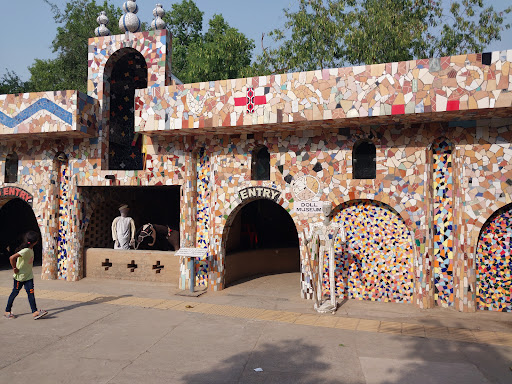
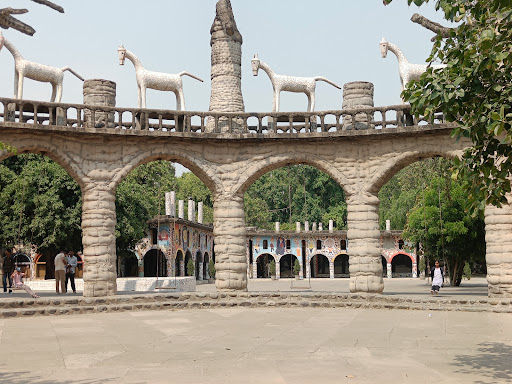
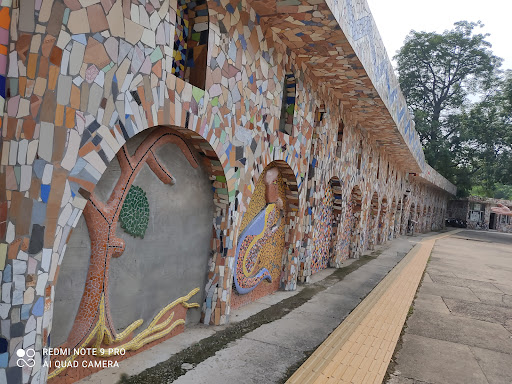
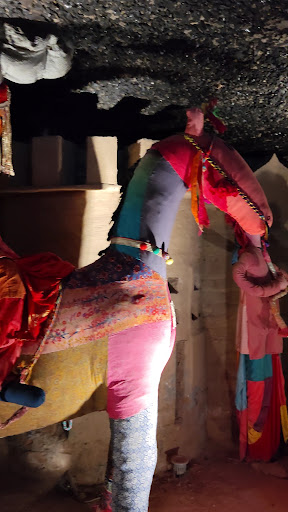
Rag Doll museum, Rock garden things to do, attractions, restaurants, events info and trip planning
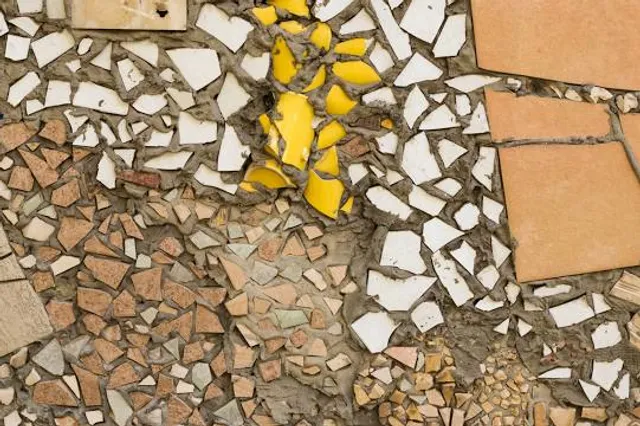
Basic Info
Rag Doll museum, Rock garden
QR35+39F, Rock Garden of Chandigarh, Sector 1, Chandigarh, 160001, India
4.5(112)
Closed
Save
spot
spot
Ratings & Description
Info
Cultural
Outdoor
Family friendly
Accessibility
attractions: Nek Chand’s Rock Garden of Chandigarh, Chandigarh Bird Park, High Court Museum, City Forest, Capitol Complex Tourist Center, The Open Hand Monument, The Tower of Shadows - Chandigarh, India, Shoe Island, Geometric Hill, restaurants: Sharma Sweets, OTG Restaurant, The woods Cafe, Farmer's kitchen, Chandigarh High Court Canteen, Kadi Rajma Chhole chawal Chhole kulche stall, Mermaid Pub and Restaurant, Waterfront Garden Bistro & Bar, THE KANSALS AROMA, CITCO Cafeteria, local businesses: Punjab and Haryana High Court Chandigarh, Pierre Jeanneret Museum
 Learn more insights from Wanderboat AI.
Phone
+91 1800 180 2116
Open hoursSee all hours
Wed9 AM - 7 PMClosed
Plan your stay

Pet-friendly Hotels in Chandigarh
Find a cozy hotel nearby and make it a full experience.

Affordable Hotels in Chandigarh
Find a cozy hotel nearby and make it a full experience.

The Coolest Hotels You Haven't Heard Of (Yet)
Find a cozy hotel nearby and make it a full experience.

Trending Stays Worth the Hype in Chandigarh
Find a cozy hotel nearby and make it a full experience.
Reviews
Live events
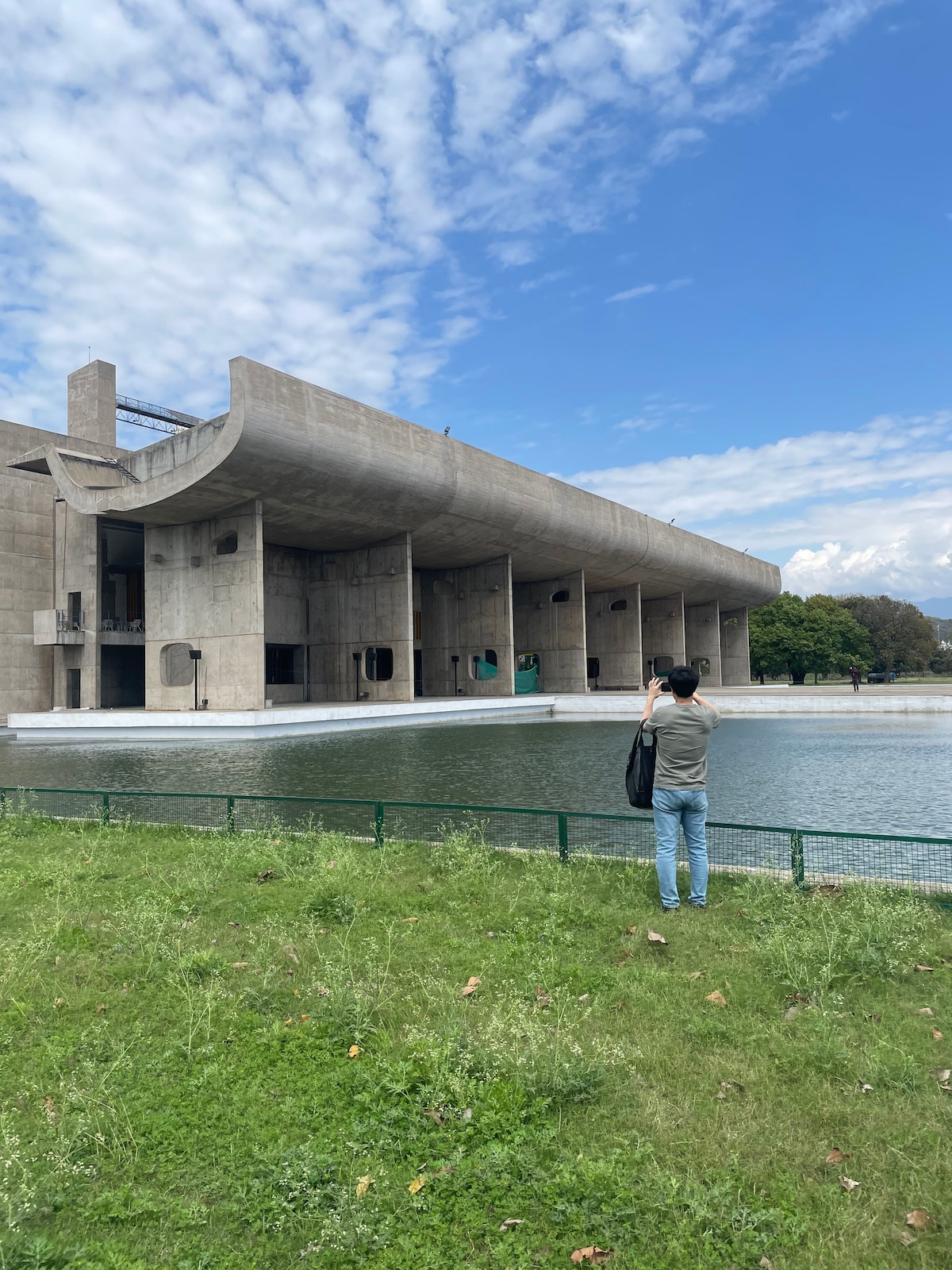
The Hipster Chandigarh Architecture Experience
Thu, Feb 26 • 9:15 AM
Chandigarh, Chandigarh, 160017, India
View details
Nearby attractions of Rag Doll museum, Rock garden
Nek Chand’s Rock Garden of Chandigarh
Chandigarh Bird Park
High Court Museum
City Forest
Capitol Complex Tourist Center
The Open Hand Monument
The Tower of Shadows - Chandigarh, India
Shoe Island
Geometric Hill
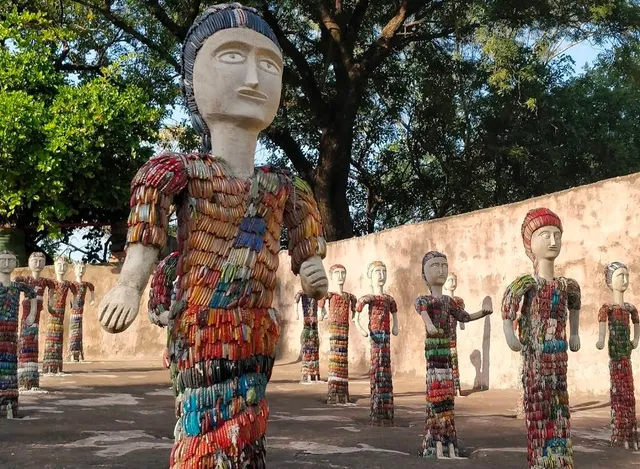
Nek Chand’s Rock Garden of Chandigarh
4.5
(19K)
Closed
Click for details
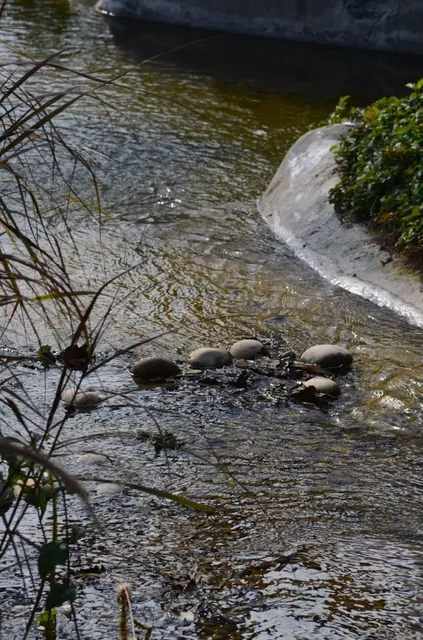
Chandigarh Bird Park
4.5
(2K)
Open until 12:00 AM
Click for details
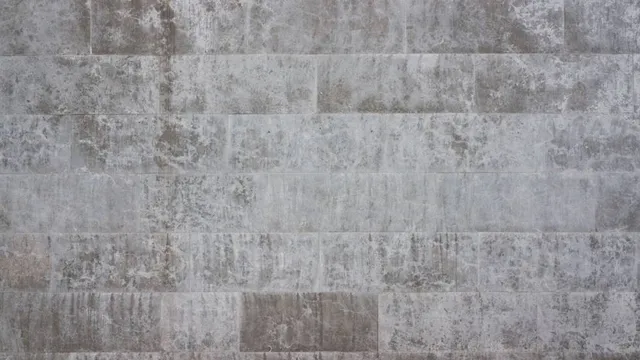
High Court Museum
4.5
(196)
Closed
Click for details
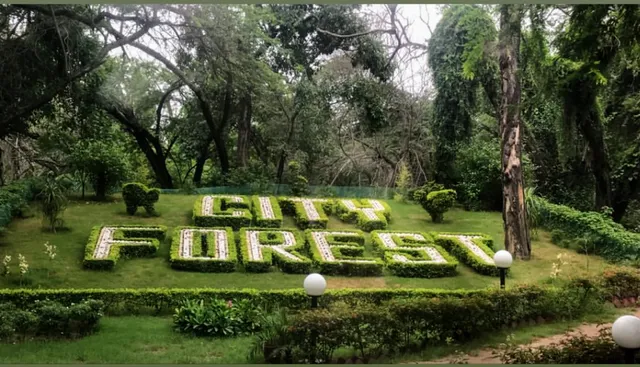
City Forest
4.5
(37)
Closed
Click for details
Nearby restaurants of Rag Doll museum, Rock garden
Sharma Sweets
OTG Restaurant
The woods Cafe
Farmer's kitchen
Chandigarh High Court Canteen
Kadi Rajma Chhole chawal Chhole kulche stall
Mermaid Pub and Restaurant
Waterfront Garden Bistro & Bar
THE KANSALS AROMA
CITCO Cafeteria
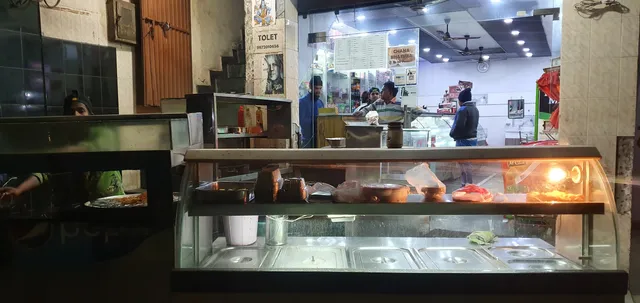
Sharma Sweets
3.8
(69)
Closed
Click for details
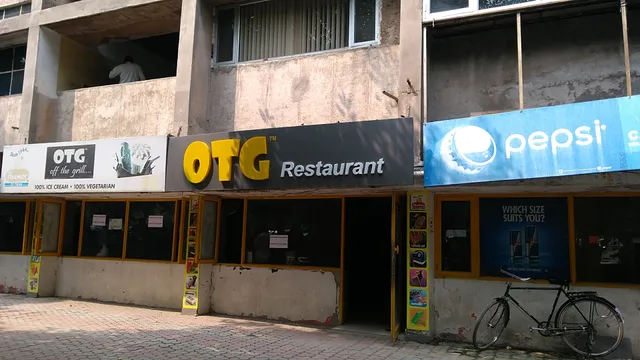
OTG Restaurant
3.8
(13)
Click for details
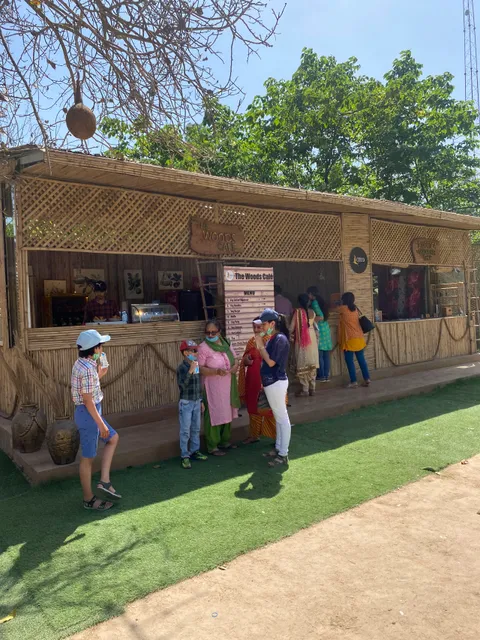
The woods Cafe
3.2
(8)
Click for details
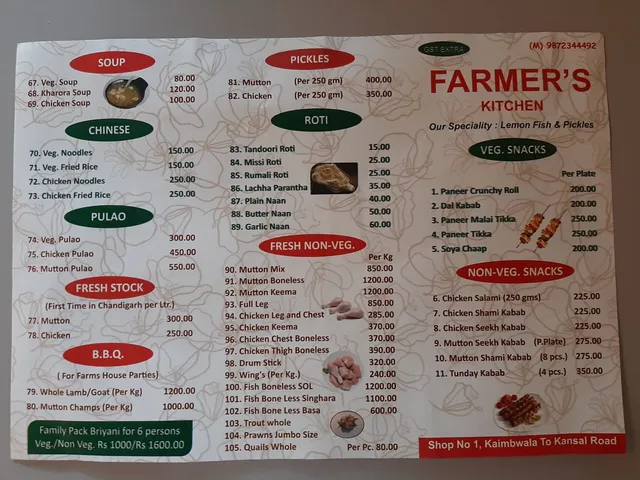
Farmer's kitchen
4.9
(10)
Closed
Click for details
Nearby local services of Rag Doll museum, Rock garden
Punjab and Haryana High Court Chandigarh
Pierre Jeanneret Museum
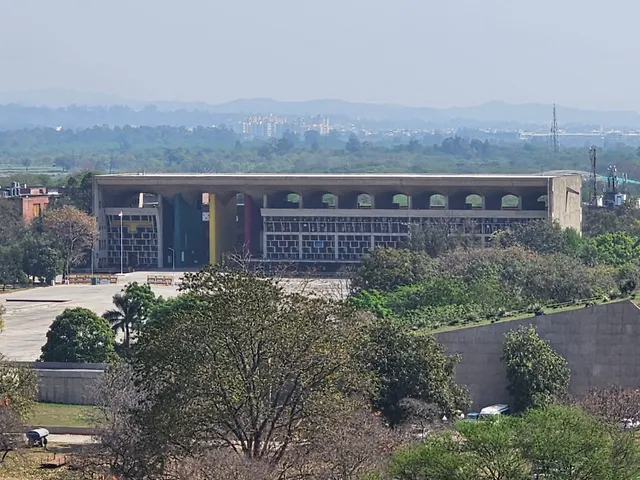
Punjab and Haryana High Court Chandigarh
4.3
(265)
Click for details
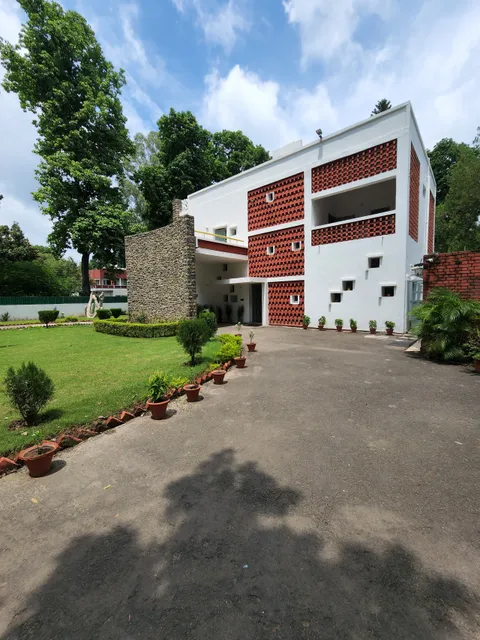
Pierre Jeanneret Museum
4.7
(134)
Click for details