The Fort of Moti Daman The construction of Moti Daman Fort commenced in A.D.1559 and concluded in A.D. 1581 when Daman was a Portuguese enclave. Exploring the fort is an opportunity to get a sneak peek in the history of Daman as you walk around it and scout through the comprising areas. Its walls encompass a large area of 30,000 square meters, which encloses the Administrator’s Secretariat, the Government House, Cathedral of Bom Jesus, Dominican Monastery, Bocage House (also known as the poet house), the old lighthouse, the convent school, government quarters, and several government organizations such as the public health centre, the district library, three gardens, the district court, Daman Municipal Council, etc. Most of the fort’s areas are accessible to the general public for visiting. To visit the old lighthouse and some other parts of the fort, the visitors can climb upon the fort walls using the stairs given at multiples points to take a walk around the 10 bastions.
How to Reach By Air The nearest airports to Daman are Mumbai (170 km) and Surat (90 km). Flights are easily available for Mumbai from all the major airports of the country. Surat is connected by flight from Delhi. The nearest international airport is in Mumbai.
By Train The nearest railhead for getting to Daman is at Vapi, located around 12 km away. It lies on the Mumbai-Ahmedabad route of the Western railway and is about 170 km from Mumbai and 90 km from Surat. Major Delhi-Mumbai and Mumbai-Ahmedabad bound trains halt at this station. People travelling to Daman by train can get down at Vapi and then reach Daman by local buses or taxis.
By Road Daman is easily accessible by road, and is connected to some of the major cities nearby with a well-maintained system of roadways. Vapi, at a distance of 12 km, lies on the Mumbai – Ahmedabad National Highway No. 8 and is easily connected to Daman by road. The town is 170 km from Mumbai, 360 km from Ahmedabad, 768 km from Diu, 110 km from Surat and 300 km...
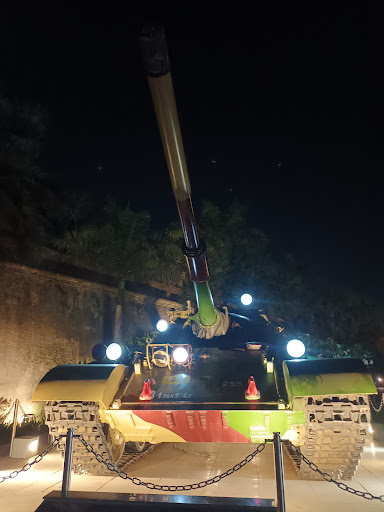
Read moreThe Moti Daman Fort is one of the most significant tourist spots in Daman that attracts visitors in droves. Sprawling over an area of about 30,000 sq m, the ancient fort is famous for housing a large number of cannons. These beautifully designed cannons leave visitors fascinated with their noteworthy carvings.
FORT OF MOTI DAMAN
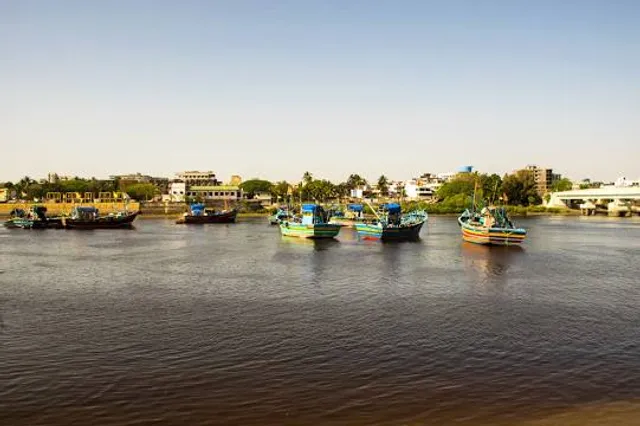
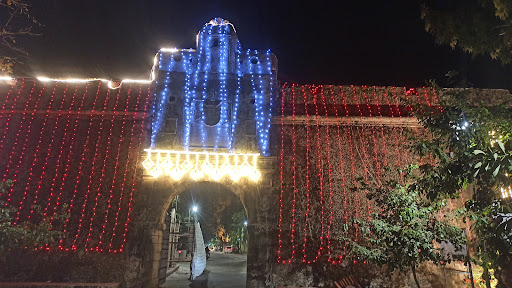
THE PORTUGUESE SETTLEMENT OF THE SOUTHERN BANK OF RIVER DAMAN GANGA WITH A FORMIDABLE FORTRESS IS CALLED MOTI DAMAN. PRIOR TO THE CONSTRUCTION OF THE FORT OF MOTI DAMAN, THERE EXISTED A SMALL MUSLIM CITADEL UNDER THE CONTROL OF ABYSSINIAN CHIEF. THE CONSTRUCTION OF THE FORT STARTED SOON AFTER ITS CONQUEST IN 1559 A.D. AND LASTED TILL THE END OF 16TH CENTURY A.D. THE FORT COVERS AN AREA OF 30,000 SQ.MTS, WITH 10 BASTIONS AND TWO GATEWAYS. THE FORT IS PROTECTED BY MOAT ON THE LAND SIDE AND CONNECTS THE RIVER AND SEA. THE FORT IS BASICALLY POLYGONAL IN PLAN WITH PROJECTIONS AT REGULAR INTERVALS OF ABOUT 500 FEET AND CARRYING SPLAYED ANGULAR BASTIONS. THE FORTIFICATION WALLS ARE BATTERED AND PLAIN UP TO THE CORNICE LEVEL WHERE THERE IS BEADED MOULDING. THE PARAPET WALL ABOVE IS WITHOUT MERLONS BUT PROVIDED WITH LOOPHOLES. THE TERRACES CLOSE TO THE TOP OF THE WALL ARE CONNECTED TO THE INNER GROUND SURFACE BY OPEN FLIGHT STEPS AT MANY PLACES. ALL ALONG THE INNER WALL ON DIFFERENT POINTS OF THE FORT WALL ARE SITUATED BARRACKS FOR DEFENCE PERSONNEL. THE INSCRIPTION ABOVE THE SOUTHERN (LAND GATE MENTION THAT THIS GATE ALONG WITH THE BASTION ADJACENT TO IT WAS COMPLETED IN 1581 A.D. AFTER THE MUGHAL INVASION IN THE AKBAR'S REIGN. THE INSCRIPTION ON THE NORTHERN (SEA ) GATE GIVES THE DATE OF 1593 A.D. FOR THE COMPLETION OF THE FORT WALL ON THE NORTHERN SIDE. WITHIN THE CONFINES OF THE FORT WERE LOCATED THE PALACES, THE SECRETARIATE AND OTHER OFFICIAL BUILDINGS. A LARGE NUMBER OF PORTUGUESE GENTRY AND THEIR FAMILIES RESIDED WITHIN...
Read moreMoti Daman Fort is one of the key historical landmarks in Daman and a must-visit for history lovers and tourists alike. Built by the Portuguese in the 16th century, the fort is a fine example of their colonial architecture and military planning. Spread over a large area with high stone walls, watchtowers, and gateways, the fort once served as a strong defensive structure protecting the Portuguese settlement.
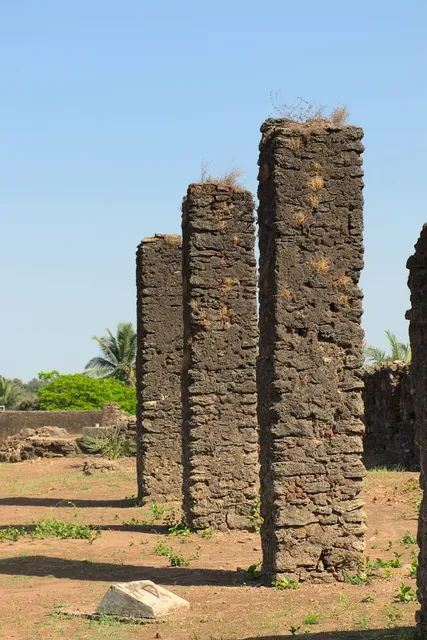
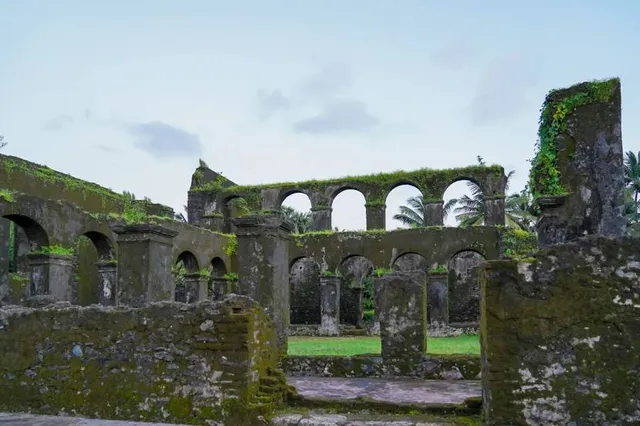
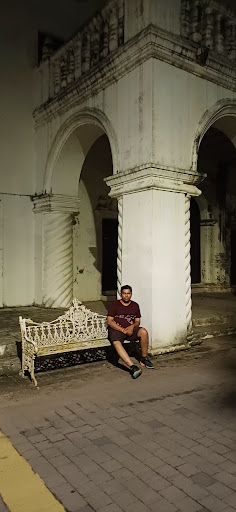
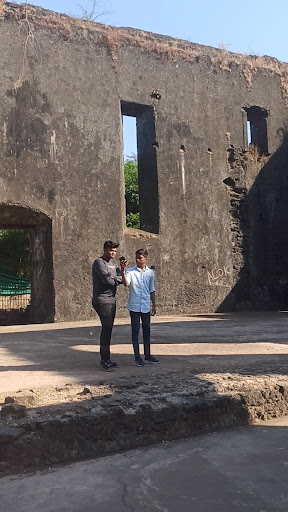
Walking inside the fort feels like stepping back in time. Many government offices now function within the premises, but the original old-world charm is still visible in the massive stone walls, bastions, and the old-style gateways. The fort also houses several churches and colonial-era buildings that showcase Portuguese architectural influence.
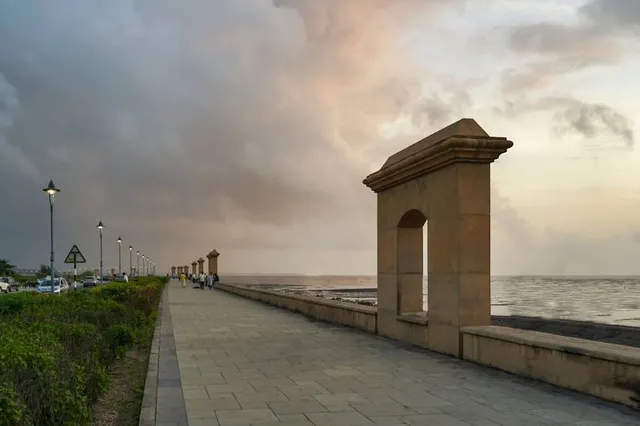
The surroundings are peaceful and less commercialized compared to other tourist attractions, making it an ideal place for a quiet walk while absorbing history. From certain points of the fort, you can also get a view of the Arabian Sea, which reminds you of why this fort held such strategic importance.
The area is well maintained, though some sections show signs of aging, which is natural for a centuries-old structure. Parking is generally manageable around the fort.
Moti Daman Fort is not just a monument but a piece of history that tells the story of Portuguese rule in India. A great spot for history enthusiasts, architecture admirers, and anyone looking to explore Daman...
Read more