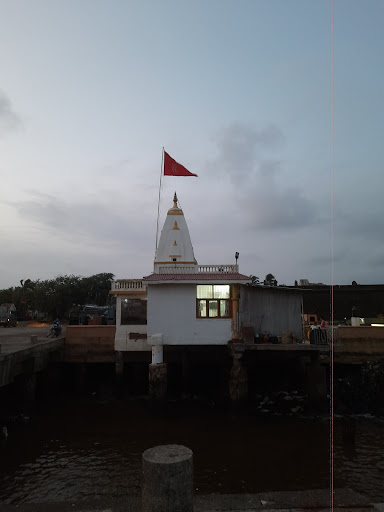
An old outpost type of fort.... Portuguese era.... The Nani Daman Fort is located on the northern side of the Damanganga River and has been named after the 12th Portuguese viceroy of India called Dom Jeronimo de Azevado. The construction of the fort had started in 1614 at the time the island had been invaded by the Mughals and was completed by 1672. The fort is spread over an area of 12250 sq.m and houses a beautiful small church in its premises. This small fort with high stone walls has three bastions and two gateways that face the river with a huge statue of St. Jerome and two magnanimous human figures. The Nani Daman Fort encircles an area of 12,250 sq. meters. The imposing church of Our Lady of the Sea is the principal building within the fort. The ramparts are a good place from which to take a clear view of the fish market and small fishing fleet which anchors alongside. To the north is a Jain Temple whose inside walls are covered with glassed-over 18th century murals that portray the life of Mahavira, the founder of Jainism. Mahavira was born in 599 B.C. He lived for 72 years. He discarded family life in 569 B.C. He attained omniscience in 557 B.C. and entered into Nirvana in 527 B.C. He was the last Tirthankara. Mahavira lived a life of complete truthfulness, a life of perfect honesty and a life of absolute chastity. It's also known as st.jerome fort or Church The St. Jerome Church has been named after the renowned Christian Saint named St Jerome. The most eye-catching part of the church is the intricately carved gateway facing the river and with a large statue of the saint. The main building inside the fort is the impressive Church of Our Lady of the Sea. This Catholic Church is one of the initial seats of office and has an excellent altar with superb panelling. You can also enjoy a clear view of the fish market and small fishing fleet from the...
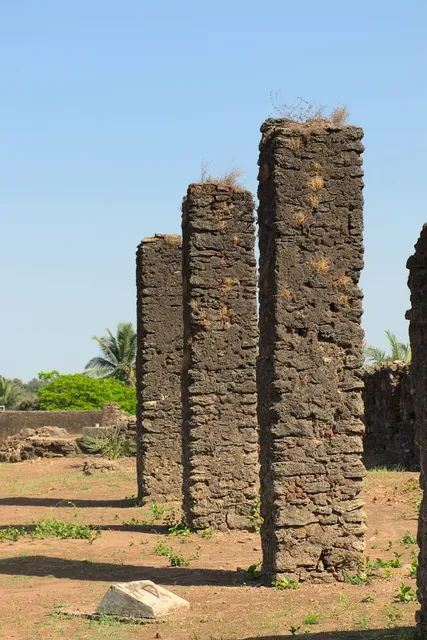
Read moreOur visit to the Nani Daman Fort was an engaging journey into the rich colonial history of Daman. Built by the Portuguese in the 17th century, this fort carries with it an old legacy of maritime power and defense. The walls, though weathered with time, still stand strong as a reminder of the strategic importance Daman once held on the western coast of India.
As we walked through the entrance, the fort immediately evoked a sense of heritage. The emblem of the Portuguese East India Company engraved within the premises is a striking reminder of its colonial past, making history come alive in a very tangible way. Inside, the layout reflects its former role as an administrative and military hub, complete with bastions and gateways that overlook the river and the town.
What makes Nani Daman Fort special is not just the fort itself but also its surroundings. Nearby, one can see the District Court complex which adds a unique blend of the old and the new—centuries of history standing alongside modern governance. Within the fort complex lies a shrine of an old Portuguese figure, which further connects visitors to the cultural and religious aspects of the time. The fort area is peaceful, and strolling around gives a sense of stepping back in time while still being connected to the bustling town around it.
The weather during our visit was pleasant, and the fort grounds were lively with tourists yet calm enough to sit and soak in the ambiance. The view of the Daman Ganga River from the fort walls added to the charm, completing the experience.
Overall, Nani Daman Fort is a must-visit for those who want to understand Daman’s heritage. Its mix of history, architecture, and surrounding landmarks makes it a fascinating stop on the city’s...
Read moreNani Daman Fort, located in the Union Territory of Daman and Diu in India, is a popular tourist attraction in the area. The fort was built in the 17th century by the Portuguese and was originally used as a defence against enemy attacks. Today, the fort serves as a testament to the rich history and culture of the region.
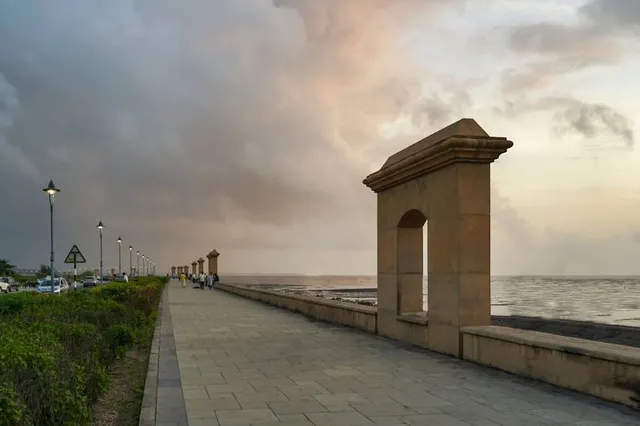
The fort is relatively small, but it is well-maintained and offers visitors an opportunity to learn about the history of Daman and Diu. The fort is surrounded by lush greenery and offers stunning views of the Arabian Sea. Visitors can take a leisurely stroll along the fort walls and enjoy the sea breeze.
One of the highlights of the Nani Daman Fort is the imposing gateway, which features intricate carvings and designs. The fort also has a small chapel, which adds to its charm and historical significance. The chapel is still used for religious ceremonies and is a popular destination for tourists.
Another noteworthy feature of the Nani Daman Fort is the statue of St. Jerome, which is located near the entrance. St. Jerome was a Christian scholar who translated the Bible into Latin, and the statue serves as a reminder of the Portuguese influence on the region.
Overall, the Nani Daman Fort is a must-visit destination for anyone interested in history, architecture, or culture. The fort is well-maintained and offers visitors a glimpse into the rich history of the region. Whether you are a history buff or just looking for a relaxing day out, the Nani Daman Fort is definitely...
Read more