Delhi-Topra Ashokan Pillar things to do, attractions, restaurants, events info and trip planning
Basic Info
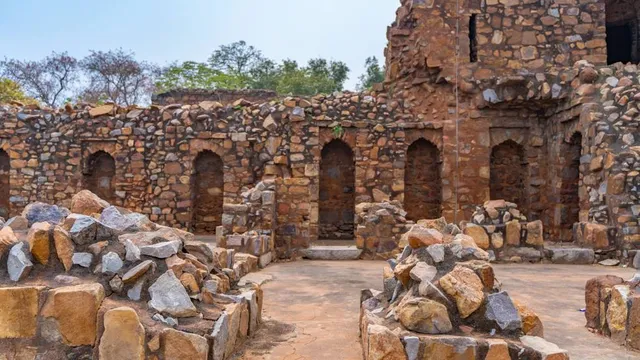
Delhi-Topra Ashokan Pillar
J6PW+84H, Balmiki Basti, Vikram Nagar, New Delhi, Delhi, 110002, India
4.4(116)
Closed
Save
spot
spot
Ratings & Description
Info
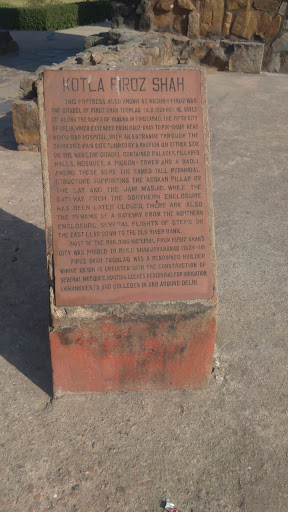
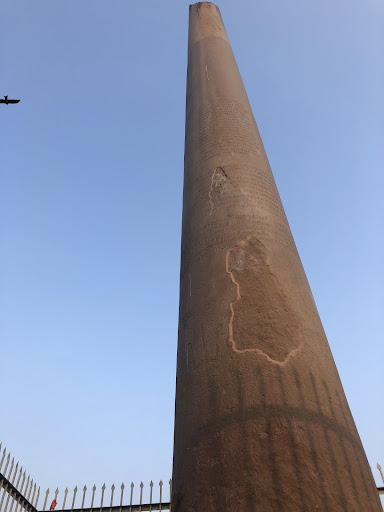
The Delhi-Topra pillar is one of the pillars of Ashoka, inscribed with the moral edicts promulgated by Ashoka, the Mauryan Emperor who ruled in the Indian subcontinent during the 3rd century BCE. The Edicts of Ashoka were either carved on in-situ rocks or engraved on pillars erected throughout the empire.
Cultural
Scenic
Accessibility
attractions: Feroz Shah Kotla Fort, Raj Ghat Memorial New Delhi, Shankar's International Dolls Museum, Kisan Ghat, National Children Museum, restaurants: Udupi Cafe, Lal Dhaba Original One, SM Chinese Food Corner, Fuel Zap Cafe, Sardar Ji Parathe wale, Delhi Cafe, Urban By Nature (Under Pass), Delhi Cafe,Subway Bahadurshah zafar marg, Shree Jee Rasoi ITO, Amul Parlour, Hum Hindustani, local businesses: National Gandhi Museum and Library, Shaheedi park, Mahatma Gandhi Museum, Delhi Gate, Shaheed Smarak, Shakti Sthal, Delhi, CR Building, IP Estate, Bank of India
 Learn more insights from Wanderboat AI.
Open hoursSee all hours
Sat6 AM - 5 PMClosed
Plan your stay

Pet-friendly Hotels in Delhi
Find a cozy hotel nearby and make it a full experience.

Affordable Hotels in Delhi
Find a cozy hotel nearby and make it a full experience.

The Coolest Hotels You Haven't Heard Of (Yet)
Find a cozy hotel nearby and make it a full experience.

Trending Stays Worth the Hype in Delhi
Find a cozy hotel nearby and make it a full experience.
Reviews
Live events
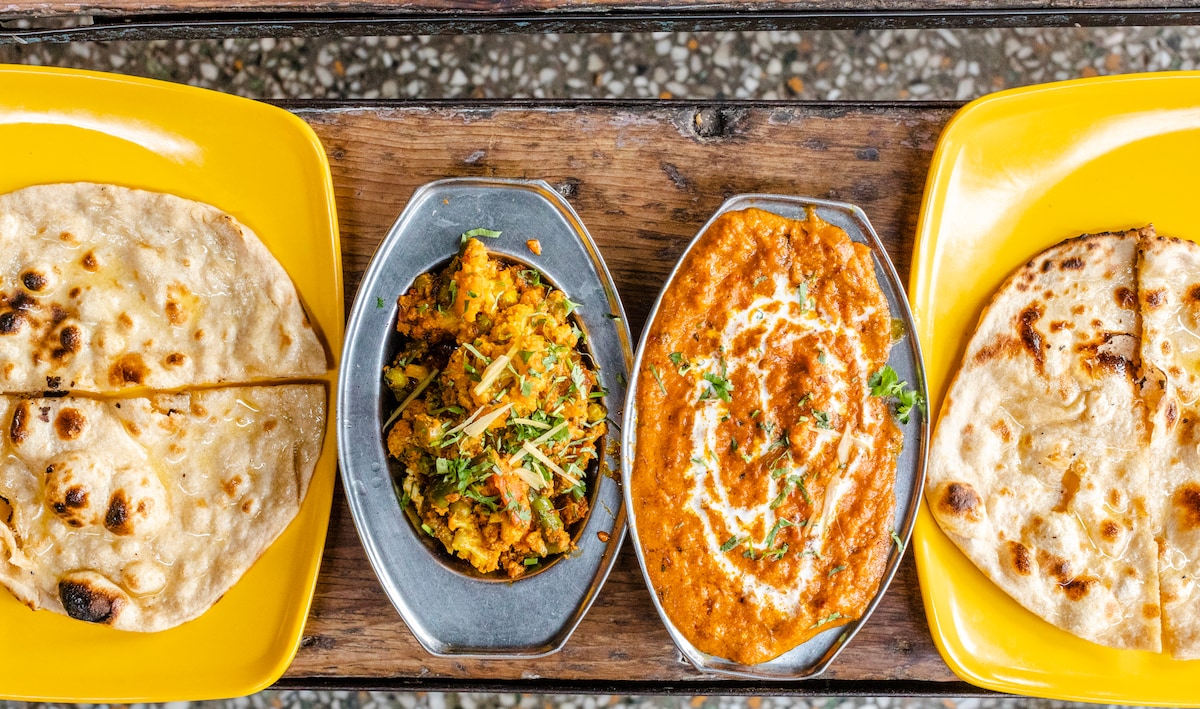
Chandni Chowk Food Tour with 15-plus tastings
Sat, Feb 28 • 10:30 AM
New Delhi, Delhi, 110006, India
View details
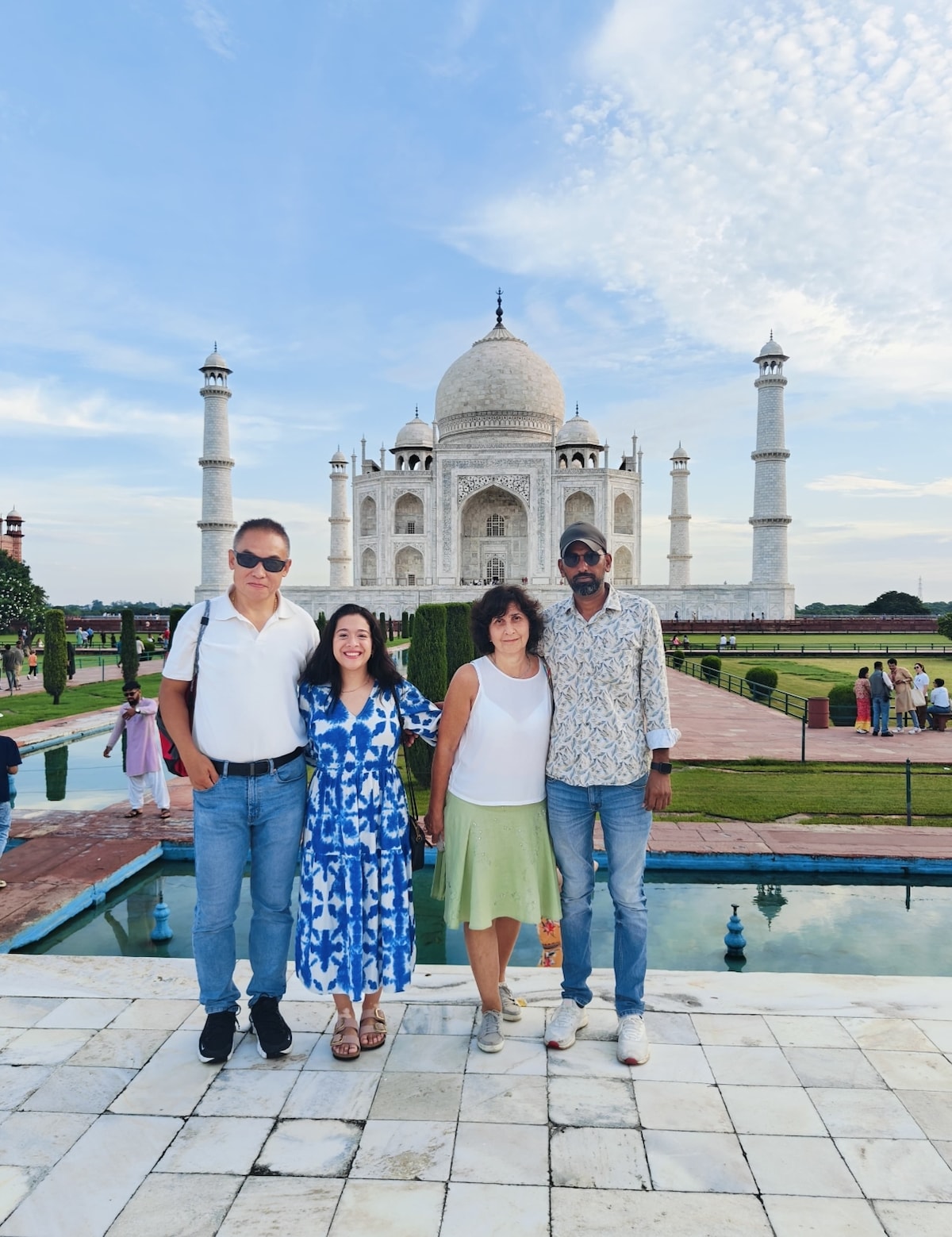
Same Day Taj Mahal Tour from Delhi by Car
Sat, Feb 28 • 4:00 AM
New Delhi, Delhi, 110001, India
View details
Nearby attractions of Delhi-Topra Ashokan Pillar
Feroz Shah Kotla Fort
Raj Ghat Memorial New Delhi
Shankar's International Dolls Museum
Kisan Ghat
National Children Museum
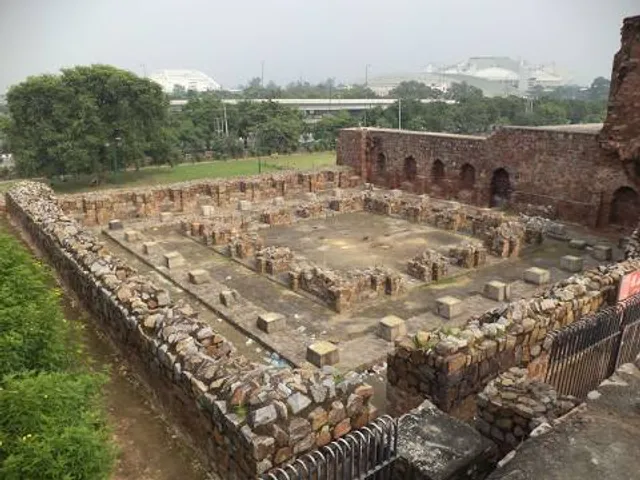
Feroz Shah Kotla Fort
4.2
(3.8K)
Closed
Click for details
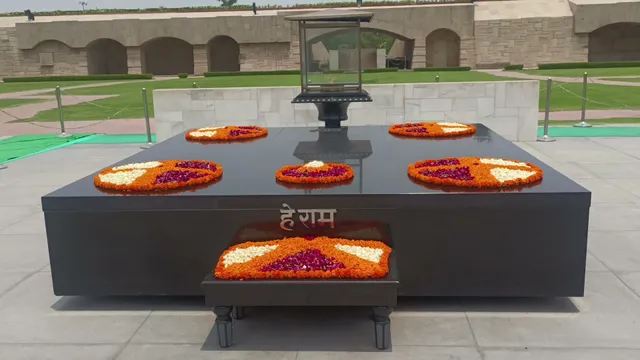
Raj Ghat Memorial New Delhi
4.5
(11.9K)
Closed
Click for details

Shankar's International Dolls Museum
4.2
(2.7K)
Closed
Click for details
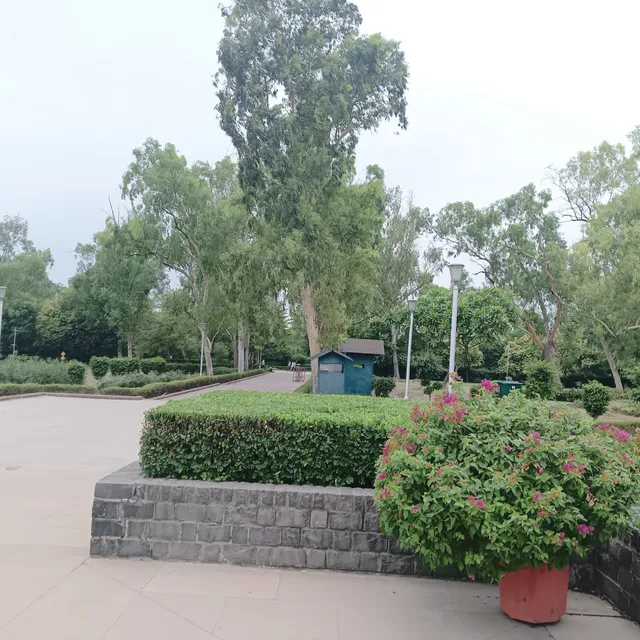
Kisan Ghat
4.4
(92)
Closed
Click for details
Nearby restaurants of Delhi-Topra Ashokan Pillar
Udupi Cafe
Lal Dhaba Original One
SM Chinese Food Corner
Fuel Zap Cafe
Sardar Ji Parathe wale
Delhi Cafe, Urban By Nature (Under Pass)
Delhi Cafe,Subway Bahadurshah zafar marg
Shree Jee Rasoi ITO
Amul Parlour
Hum Hindustani
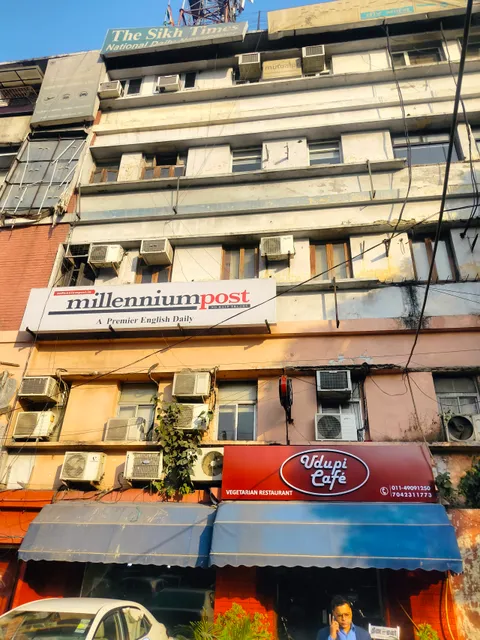
Udupi Cafe
4.1
(1.2K)
Closed
Click for details
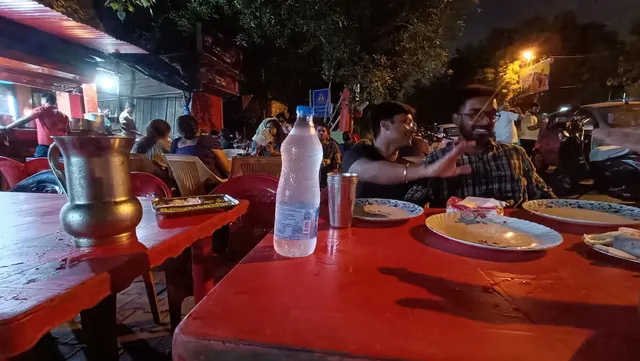
Lal Dhaba Original One
4.1
(1.3K)
Closed
Click for details
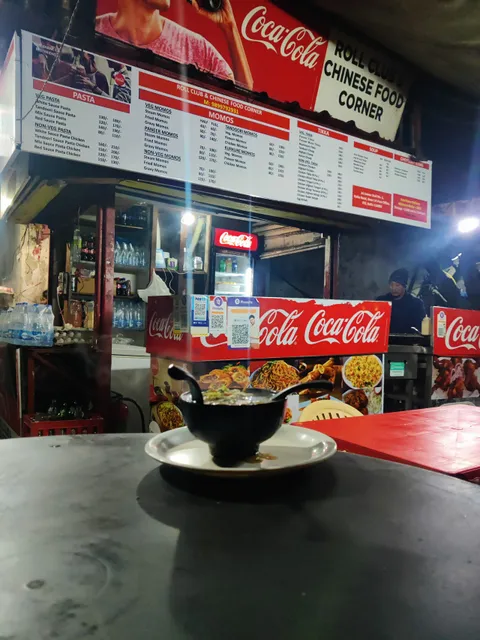
SM Chinese Food Corner
4.6
(40)
Closed
Click for details
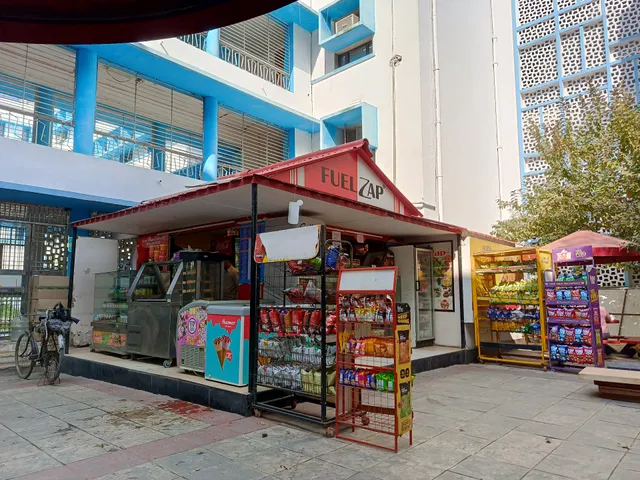
Fuel Zap Cafe
4.2
(64)
Closed
Click for details
Nearby local services of Delhi-Topra Ashokan Pillar
National Gandhi Museum and Library
Shaheedi park
Mahatma Gandhi Museum
Delhi Gate
Shaheed Smarak
Shakti Sthal, Delhi
CR Building, IP Estate
Bank of India
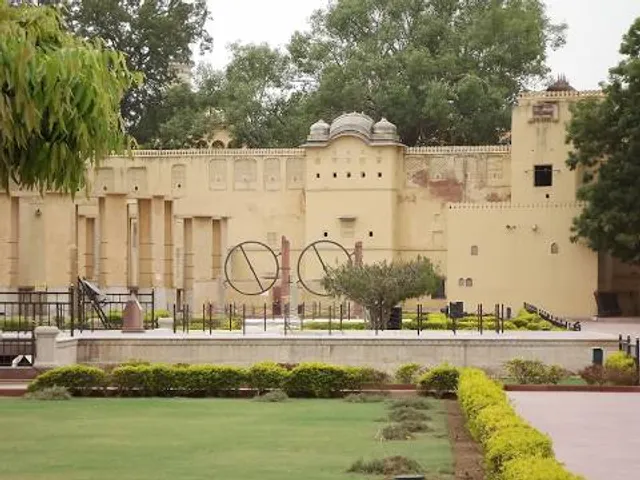
National Gandhi Museum and Library
4.5
(452)
Click for details
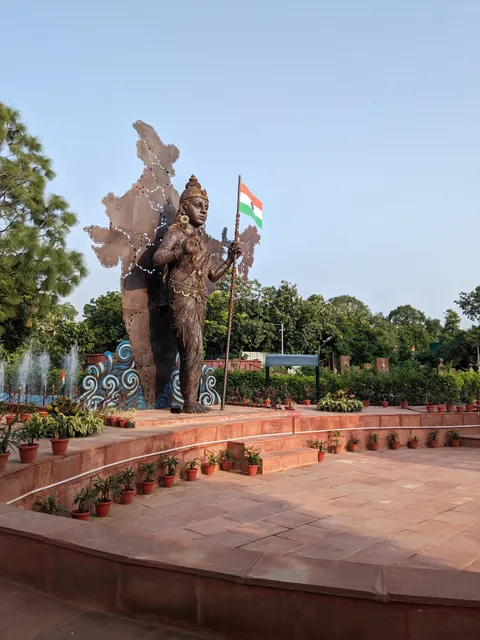
Shaheedi park
4.4
(100)
Click for details
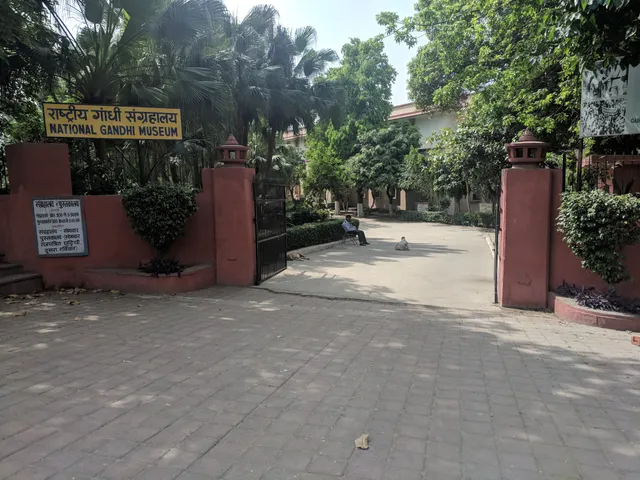
Mahatma Gandhi Museum
4.4
(131)
Click for details
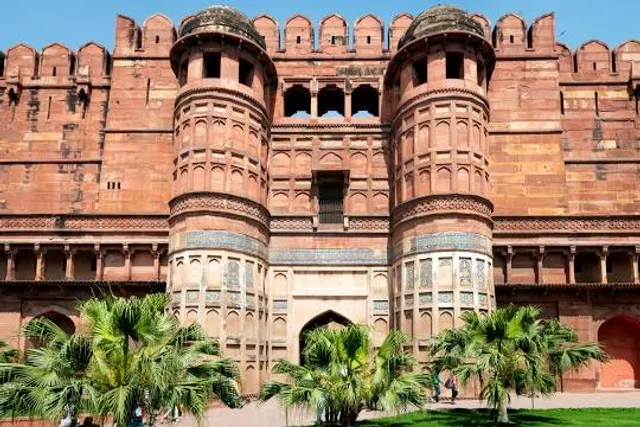
Delhi Gate
4.4
(156)
Click for details