Feroz Shah Kotla Stadium, located in the heart of Delhi, India, is one of the most historic and iconic cricket grounds in the country. Named after the nearby Feroz Shah Kotla fort, the stadium has a rich history that dates back to its establishment in 1883. Over the years, it has hosted numerous memorable matches, witnessed legendary performances, and become a symbol of Delhi's passionate cricket culture.
Historical Background
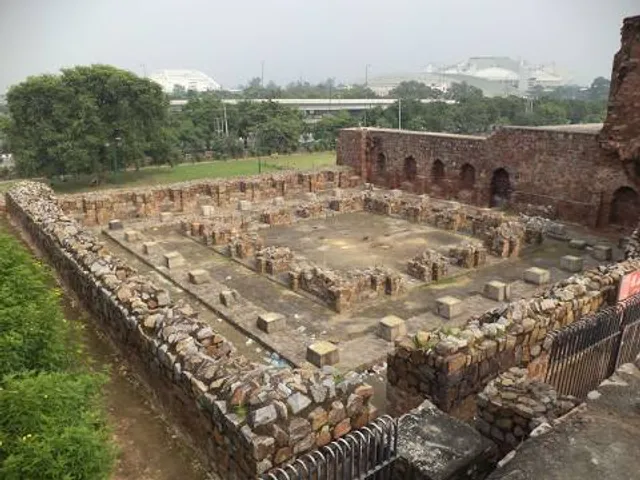
Feroz Shah Kotla Stadium is one of the oldest cricket grounds in India, and its history is deeply intertwined with the development of cricket in the country. The stadium was established in 1883 and has since undergone several renovations and upgrades to meet modern standards. The ground is named after the nearby Feroz Shah Kotla fort, a 14th-century fortress built by Sultan Feroz Shah Tughlaq.
In its early years, the stadium was primarily used for local cricket matches and was a hub for cricketing activity in Delhi. However, as cricket gained popularity in India, Feroz Shah Kotla became an important venue for both domestic and international matches. The stadium hosted its first Test match in 1948, just a year after India gained independence, and since then, it has been a regular venue for international cricket.
Architectural Features
Feroz Shah Kotla Stadium is known for its traditional and somewhat intimate design, which allows spectators to be close to the action on the field. The seating capacity of the stadium has been expanded over the years, and it can now accommodate approximately 41,820 spectators. The stadium's layout includes several stands, pavilions, and corporate boxes, offering a variety of viewing experiences.
One of the most famous features of the stadium is the pitch, known for its low and slow nature, which often provides a significant advantage to spin bowlers. The pitch at Feroz Shah Kotla has been the stage for many historic spin bowling performances, earning it a reputation as a spinner's paradise.
The stadium also houses modern facilities, including dressing rooms, practice areas, and media centers. Recent renovations have focused on enhancing the spectator experience, with improved seating, better facilities, and upgraded amenities. Despite these modernizations, the stadium has retained its historic charm, making it a beloved venue for cricket fans.
Memorable Matches and Moments
Feroz Shah Kotla Stadium has been the site of numerous memorable cricketing moments, with both Indian and international players leaving their mark on the ground.
One of the most iconic performances at Feroz Shah Kotla was by Indian spinner Anil Kumble, who in 1999, achieved the rare feat of taking all ten wickets in an innings during a Test match against Pakistan. This remarkable achievement made Kumble only the second bowler in the history of Test cricket to take ten wickets in a single innings, cementing his legacy as one of India's greatest cricketers.
The stadium has also witnessed some historic victories for the Indian cricket team, including series wins against top international teams. The atmosphere at Feroz Shah Kotla during these matches is electric, with passionate fans creating an unforgettable experience for players and spectators alike.
In addition to Test matches, Feroz Shah Kotla has hosted numerous One Day Internationals (ODIs) and T20 Internationals. It is also the home ground for the Delhi Capitals, a franchise team in the Indian Premier League (IPL). The IPL matches at Feroz Shah Kotla are known for their vibrant and energetic atmosphere, with fans coming out in large numbers to support their team.
Cultural and Social Impact
Feroz Shah Kotla Stadium holds a special place in the hearts of cricket fans in Delhi and across India. It is not just a cricket ground but a cultural landmark that has played a significant role in the development of the sport in the region. For many Delhiites, attending a match at Feroz Shah Kotla is a rite of passage, a shared experience that brings together people from all walks of life.
The stadium has also been a...
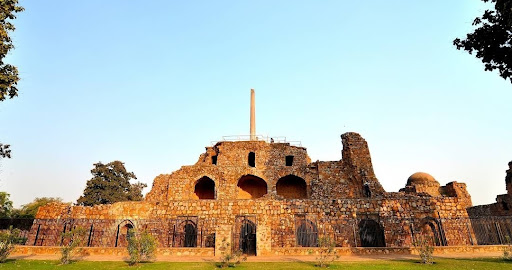
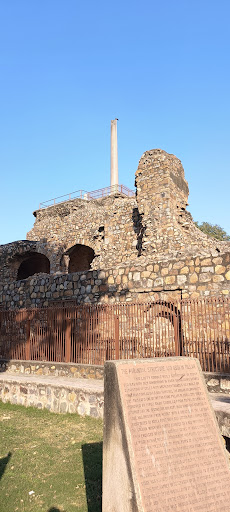
Read moreFeroz Shah Kotla Fort is a remarkable historical site located in the heart of Delhi, India. As a Google Maps contributor, I had the opportunity to visit this ancient monument and was truly captivated by its rich history and intriguing folklore.
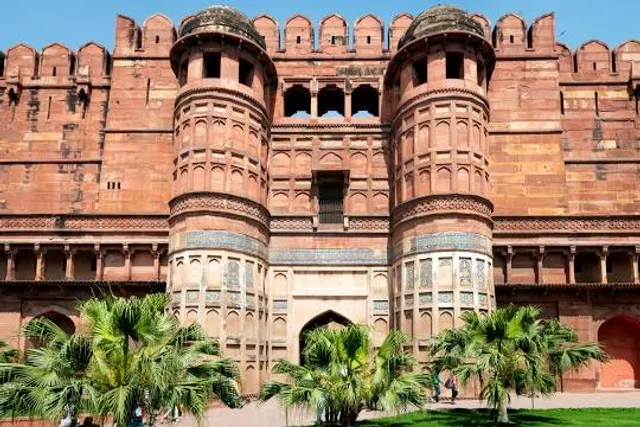
The fort's architectural splendor dates back to the 14th century when it was built by Sultan Feroz Shah Tughlaq, a ruler of the Tughlaq dynasty. Upon arriving, visitors are greeted with an awe-inspiring display of intricate designs and imposing structures, reminiscent of a bygone era.
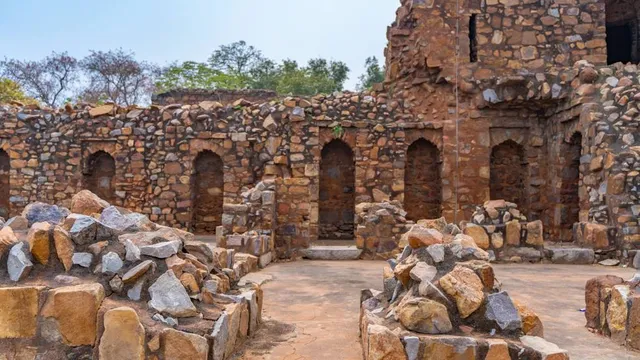
One of the most talked-about aspects of the fort is the infamous tale of Jinn, which, according to local legends, roams within the dark corners of the fort's ruins. While some might dismiss this as a mythical story akin to Vampires and Unicorns, it cannot be denied that the mystique surrounding the Jinn attracts many curious visitors who believe in these age-old narratives. It adds an element of mystery and intrigue to the place, making it all the more enticing for tourists and history enthusiasts alike.
Apart from the legendary tales, the fort holds another significant aspect that exemplifies India's cultural diversity and harmony. Nestled within its walls, you'll find a beautiful mosque and a Muslim praying area, showcasing the coexistence of Hindus and Muslims during that period. This display of religious diversity serves as a reminder of India's rich past and the amalgamation of various cultures that have shaped its identity.
As a heritage site, Feroz Shah Kotla Fort offers a great opportunity for photography enthusiasts, history buffs, and anyone eager to immerse themselves in Delhi's fascinating past. The well-preserved structures and the serene ambiance provide an ideal setting for exploration and reflection.
However, it is essential to mention that the site's historical value might be underappreciated by some due to the emphasis on myths and legends. For a complete and accurate understanding of the fort's significance, visitors are encouraged to explore its authentic historical aspects.
In conclusion, Feroz Shah Kotla Fort is undeniably a treasure trove of history, architecture, and myths that continue to intrigue and fascinate both locals and tourists alike. Its mix of fact and folklore creates a unique and memorable experience for those who venture to this remarkable landmark in Delhi. Whether you are a history enthusiast or simply seeking an intriguing adventure, this fort should be at the top of your list when...
Read moreWe typically visit the stadium atleast once a year to watch a match. The name of the stadium has now been changed to Arun Jaitley stadium. If you are planning to watch a match, make sure you do not buy tickets for any of the stands in square. Personally, the stand which I like most is the old members club.
THE first and most important thing to be aware of for travellers trying to find this stadium is that it has recently changed its name and is now called the Arun Jaitley Stadium. It was set up in 1883 and is the second oldest still functional international cricket stadium in India behind Eden Gardens, Kolkata. I visited this famous old Test Match ground on the first day of my holiday in India. I'd checked into my hotel and found myself with some spare time, so I went out and hired a tuk tuk driver to take me across the city to the stadium as I am a big cricket fan. Quite frankly I was utterly bewildered by my first contact with Indian traffic which greeted me with a cacophony of horn blasts, shouts, revved engines and incredibly dense concentrations of vehicles. When I explained this to my tuk tuk driver he laughed and said this was light traffic because today was a Sunday!! He was right. The next day was far worse with unbelievable traffic and noise. Fortunately for me my Sunday visit to the stadium went very well and I made the trip over from Karol Bagh in about 35 minutes. My seasoned driver lost no time in taking me on an entire circuit of the outside of the stadium including a pause for various photographs including one of the Virender Sehwag Gate dedicated to India's famous attacking batsman. This is a big stadium with dominated by towering light structures, a bowl of a place where spectators gather in tens of thousands to watch their heroes play. If the interior is well kept with strict security then the same cannot be said of the exterior which has heaps of rubbish lying about, broken bricks, people asleep on the pavement, squalor and the occasional little food stall. Half way between the street and the hallowed pitch in the centre of the ground lies a sort of entrance walk through history where visitors are treated to giant photos of players both current and past. That I found really interesting. All in all it was an atmospheric visit to this famous ground and I would recommend a visit to any cricket...
Read more