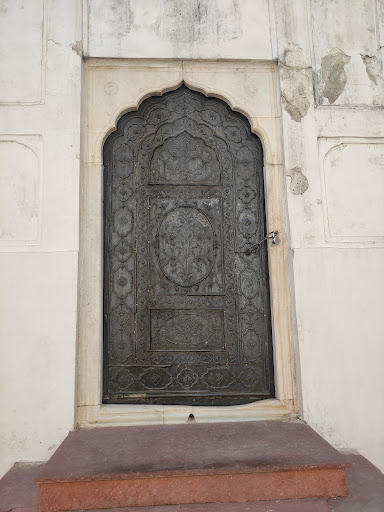
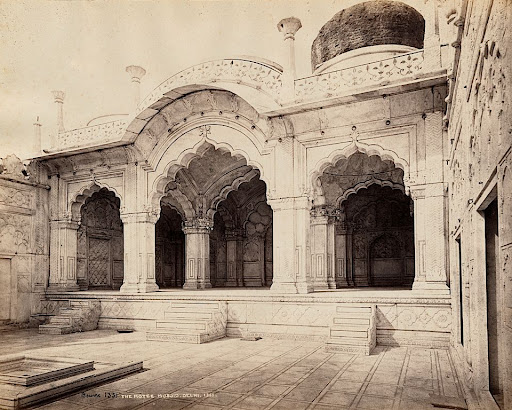
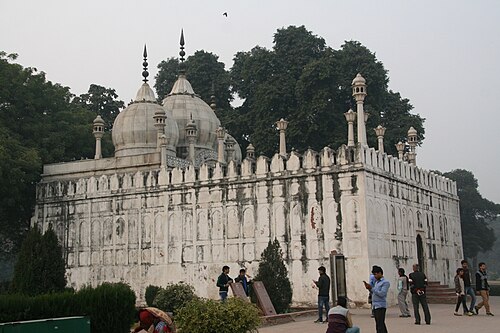
Moti Masjid things to do, attractions, restaurants, events info and trip planning
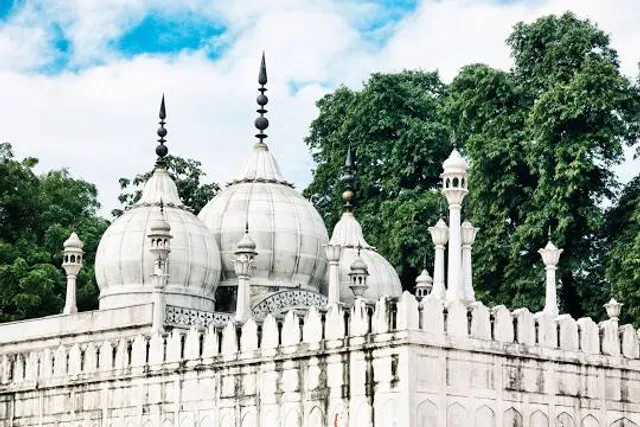
Basic Info
Moti Masjid
M64V+P7J, Lal Qila, Old Delhi, New Delhi, Delhi, 110006, India
4.4(278)
Open 24 hours

tickets
Save
spot
spot
Ratings & Description
Info
Cultural
Scenic
Family friendly
Accessibility
attractions: Red Fort, Diwan-i-Aam, Delhi, Khas Mahal, Indian War Memorial Museum, Archaeological Museum Red Fort, Shah Burj, Mumtaz Mahal, Red fort, Naubat khana, Red Fort Park, Delhi, restaurants: Cafe Delhi Heights, Manohar Dhaba, Old Famous Jalebi Wala, Hanuman Kachori Bhandar, Grover Eating Point & Fruit Juice, Mirchi ram Restaurant, Café Red Fort by Aunty's kitchen, Annapurna foods, Avtar Fruit Juice, Sumit Kumar Daulat Ki Chaat, local businesses: Diwan-e-Khas, Delhi, Zafar Mahal, Delhi, Red Fort NewDelhi, Marghat Hanuman Temple, Salim Garh Fort, Lal Mandir Shri Digambar Jain Atishay Kshetra, Dariba Kalan, Gauri shankar temple, Dariba Kalan, Central Baptism Church
 Learn more insights from Wanderboat AI.
Phone
+91 11 2336 5358
Plan your stay

Pet-friendly Hotels in Delhi
Find a cozy hotel nearby and make it a full experience.

Affordable Hotels in Delhi
Find a cozy hotel nearby and make it a full experience.

The Coolest Hotels You Haven't Heard Of (Yet)
Find a cozy hotel nearby and make it a full experience.

Trending Stays Worth the Hype in Delhi
Find a cozy hotel nearby and make it a full experience.
Reviews
Live events
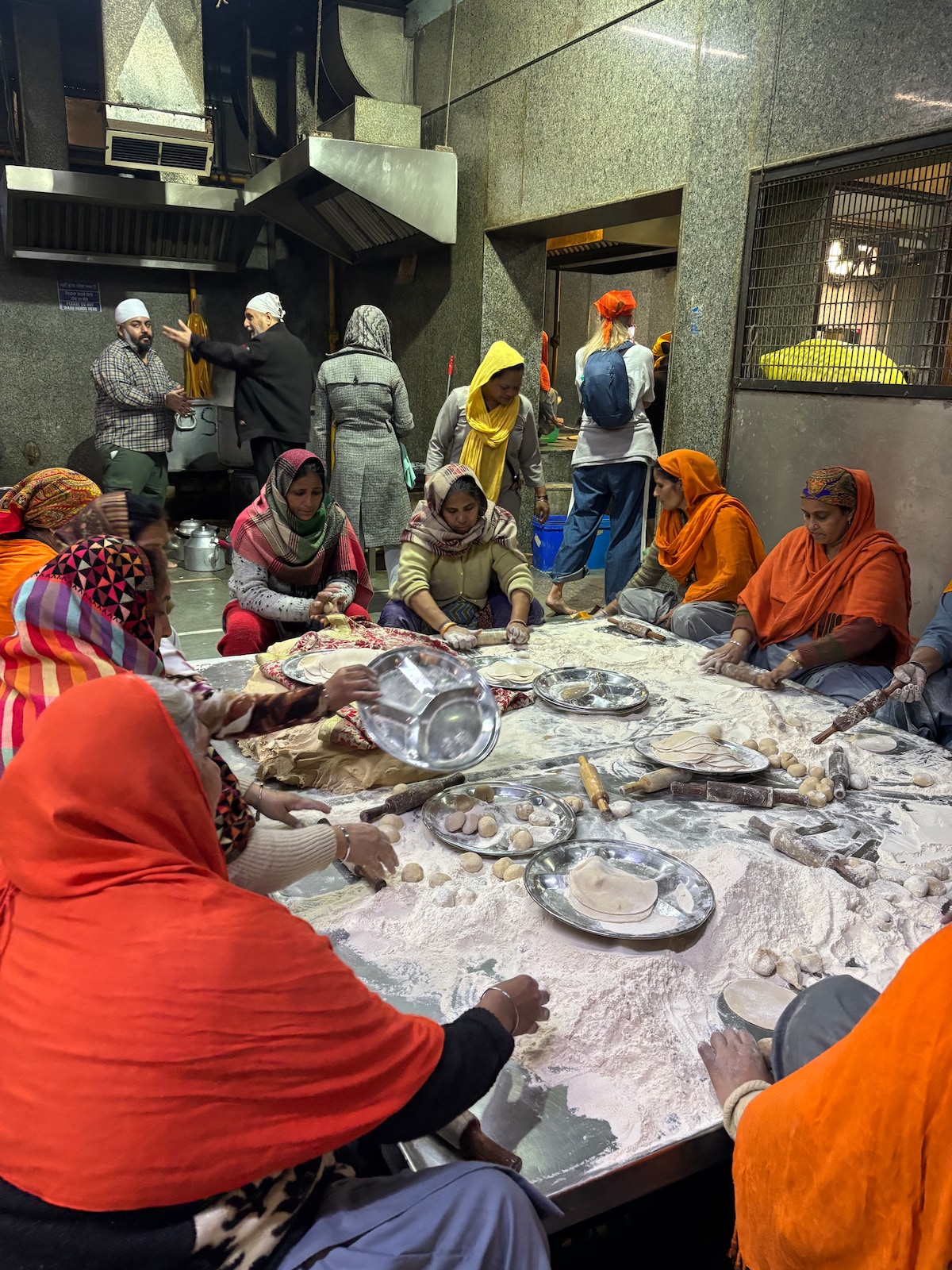
Old Delhi: Hidden Gems with Local’s Life & Tuk-Tuk
Sat, Feb 21 • 5:00 PM
New Delhi, Delhi, 110001, India
View details

Old Delhi Food-Temples-Spice Market & Rickshaw
Sat, Feb 21 • 1:00 PM
New Delhi, Delhi, 110006, India
View details
Nearby attractions of Moti Masjid
Red Fort
Diwan-i-Aam, Delhi
Khas Mahal
Indian War Memorial Museum
Archaeological Museum Red Fort
Shah Burj
Mumtaz Mahal
Red fort
Naubat khana
Red Fort Park, Delhi
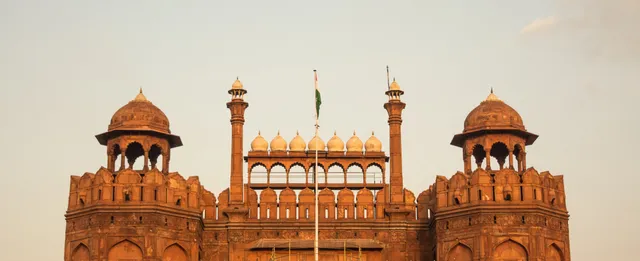
Red Fort
4.5
(56K)
Open 24 hours
Click for details
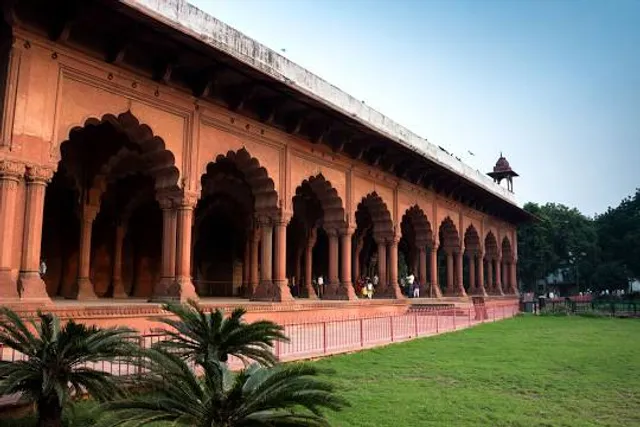
Diwan-i-Aam, Delhi
4.5
(378)
Open until 5:30 PM
Click for details
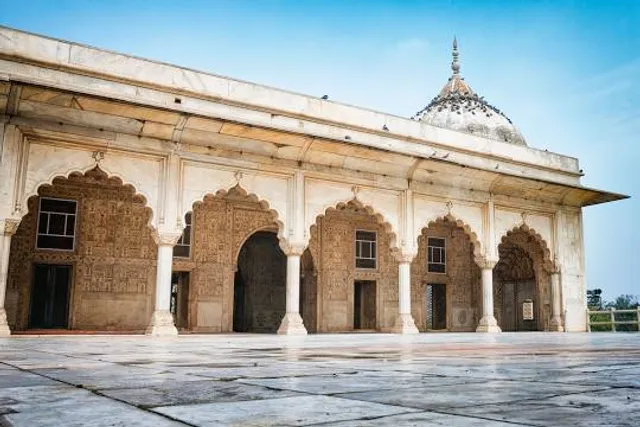
Khas Mahal
4.4
(162)
Open until 5:00 PM
Click for details
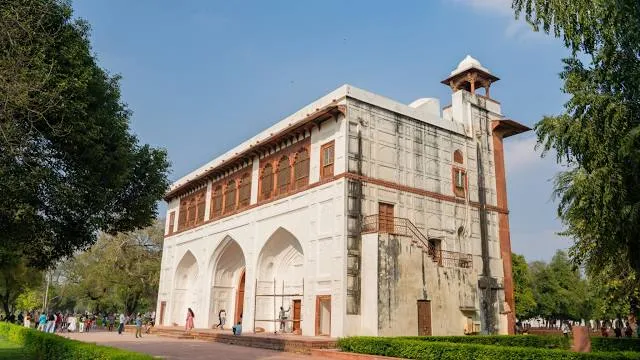
Indian War Memorial Museum
4.4
(290)
Open until 5:00 PM
Click for details
Nearby restaurants of Moti Masjid
Cafe Delhi Heights
Manohar Dhaba
Old Famous Jalebi Wala
Hanuman Kachori Bhandar
Grover Eating Point & Fruit Juice
Mirchi ram Restaurant
Café Red Fort by Aunty's kitchen
Annapurna foods
Avtar Fruit Juice
Sumit Kumar Daulat Ki Chaat
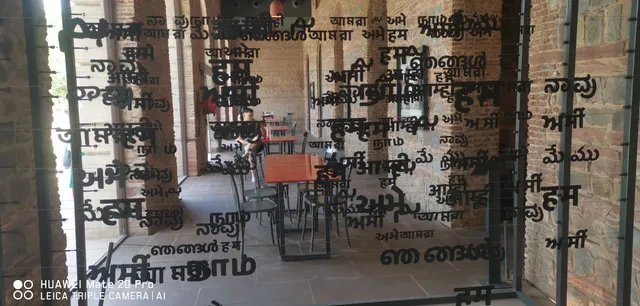
Cafe Delhi Heights
3.7
(74)
Open until 9:00 PM
Click for details
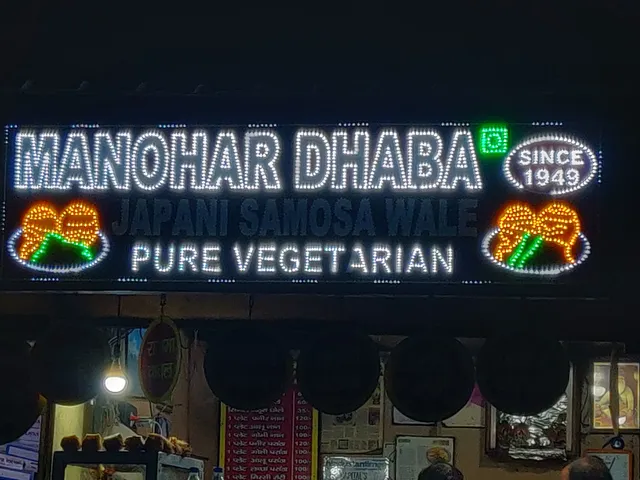
Manohar Dhaba
3.6
(496)
Open until 7:30 PM
Click for details
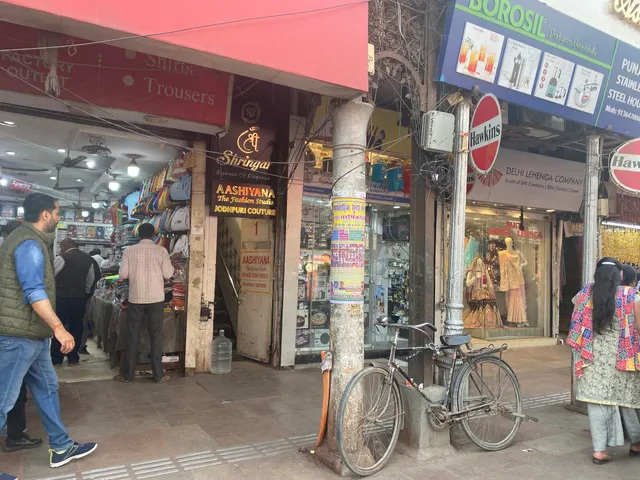
Old Famous Jalebi Wala
4.0
(3.8K)
$$
Open until 9:30 PM
Click for details
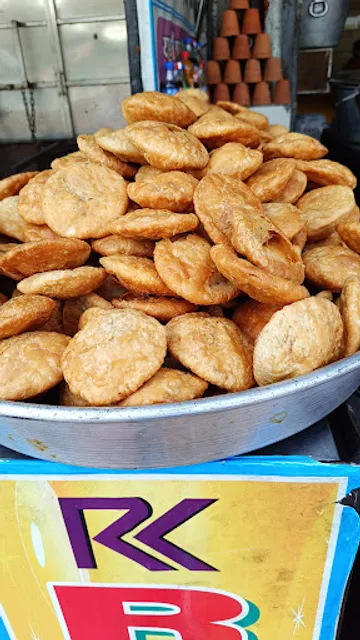
Hanuman Kachori Bhandar
4.2
(34)
Open until 12:00 AM
Click for details
Nearby local services of Moti Masjid
Diwan-e-Khas, Delhi
Zafar Mahal, Delhi
Red Fort NewDelhi
Marghat Hanuman Temple
Salim Garh Fort
Lal Mandir Shri Digambar Jain Atishay Kshetra
Dariba Kalan
Gauri shankar temple
Dariba Kalan
Central Baptism Church
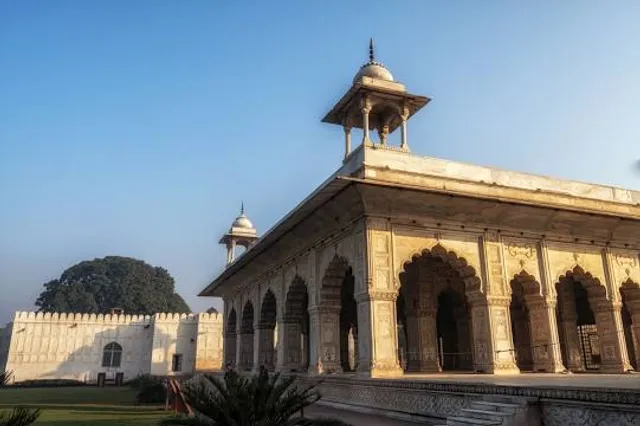
Diwan-e-Khas, Delhi
4.5
(246)
Click for details
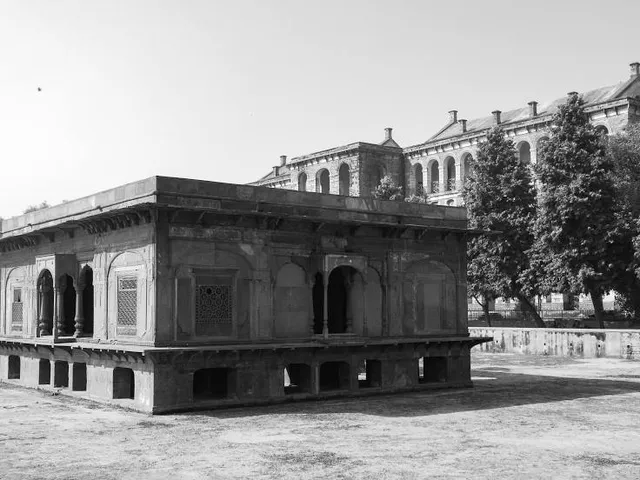
Zafar Mahal, Delhi
4.4
(87)
Click for details
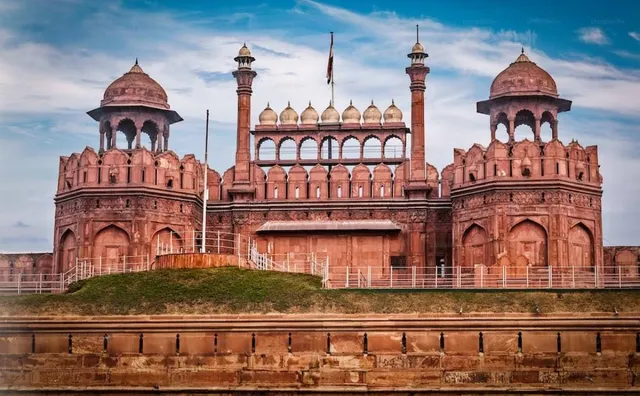
Red Fort NewDelhi
4.6
(75)
Click for details
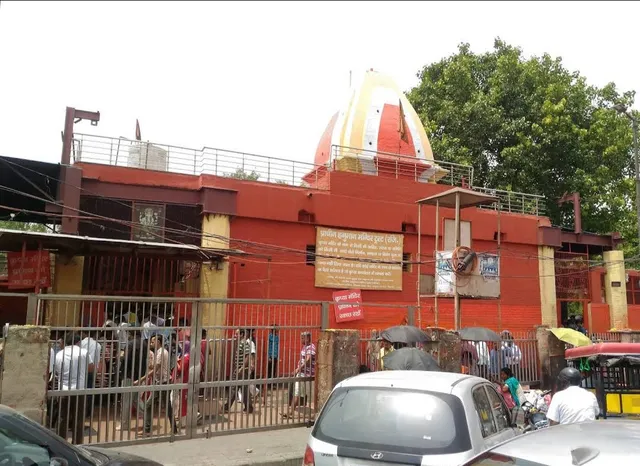
Marghat Hanuman Temple
4.8
(4.3K)
Click for details