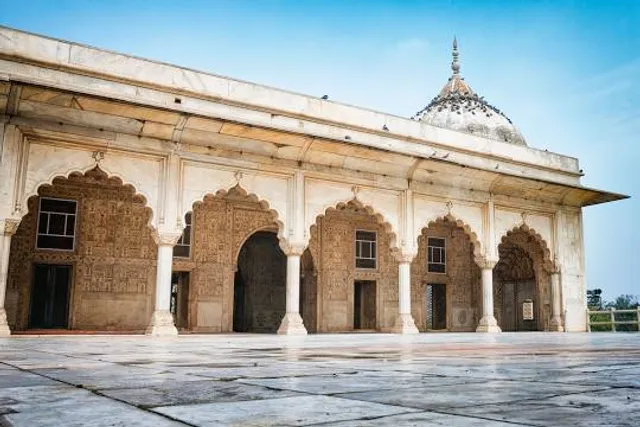
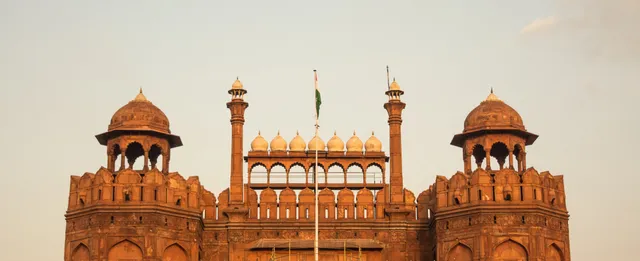
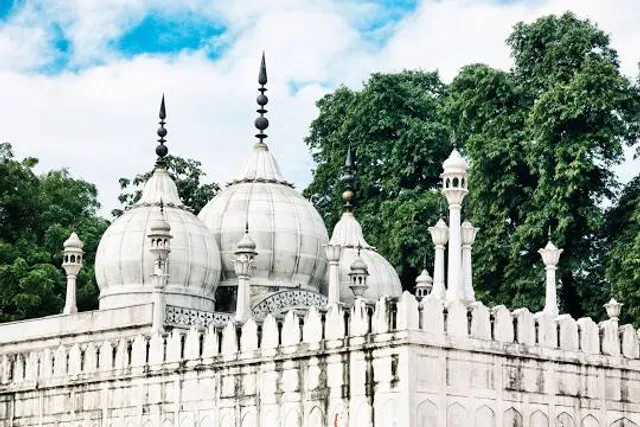
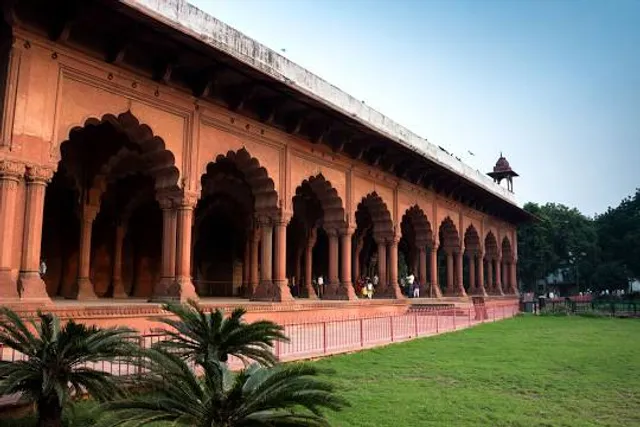
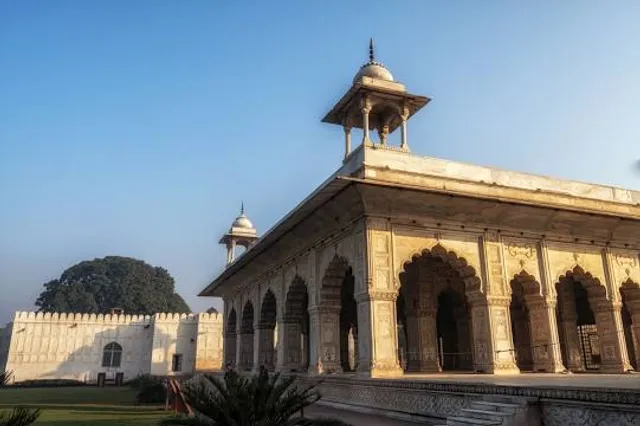
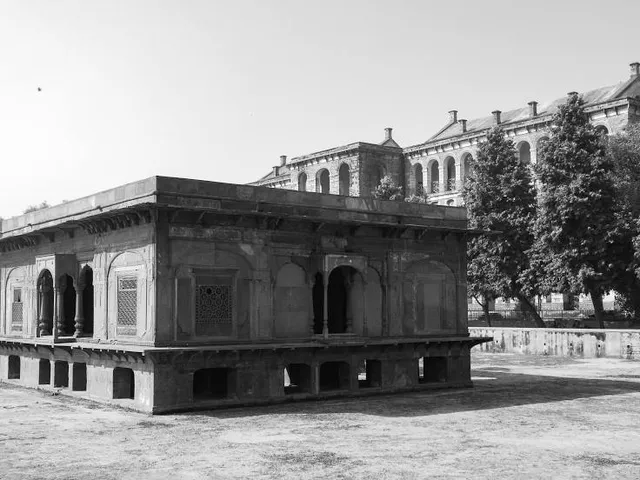
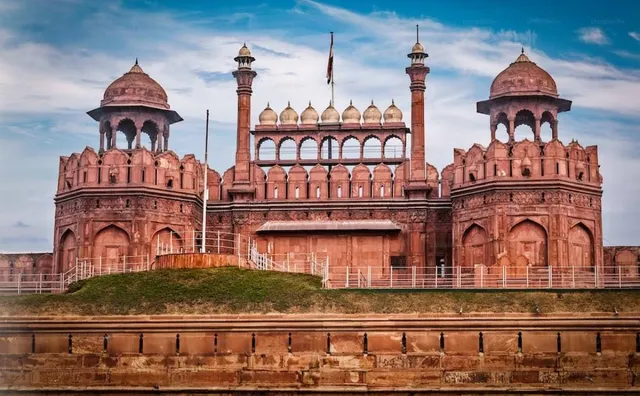
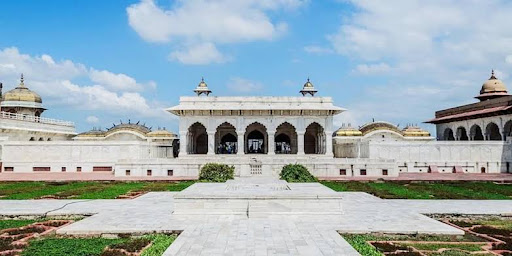
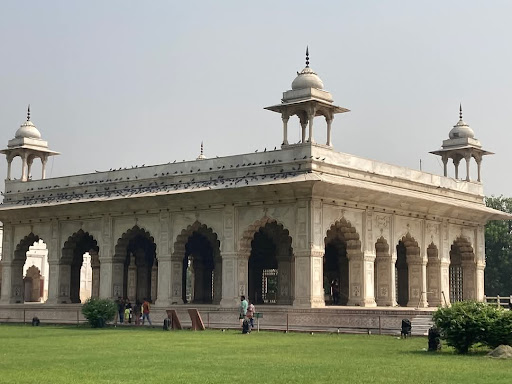
The Khas Mahal served as the Mughal emperor's private residence in Delhi. The structure is located inside the Red Fort, which is a large defensive and governmental complex located inside the city.
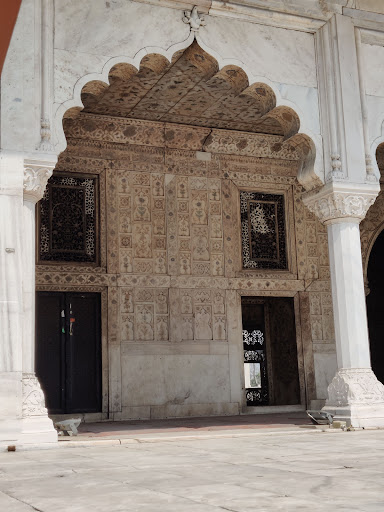
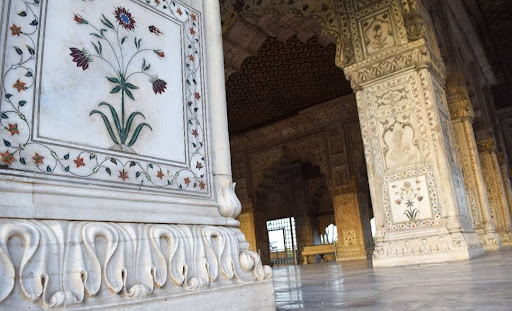
It consists of three parts: the Chamber of Telling Beads (Viz-tasbih-khana), the sleeping chamber, (khwabgah) and the wardrobe (tosha-khana) or sitting room (baithak). The interior is decorated with carved white marble painted with colourful floral decorations. The ceiling was also partially gilded. The marble screen was carved with the scale of justice (Mizan-i-adal), and above it is a particularly important item of Mughal art. The scale used was a depiction of the emperor's justice.
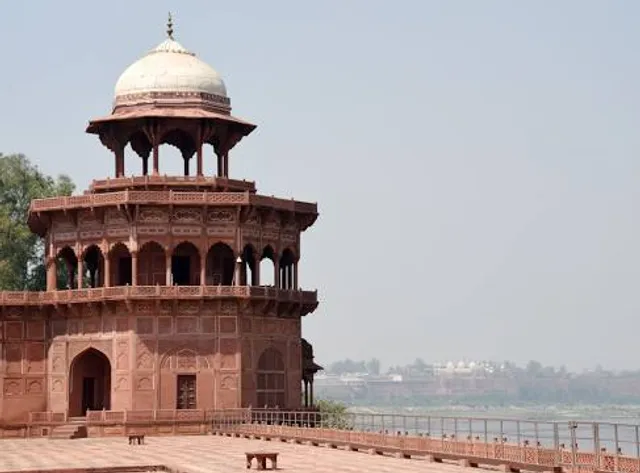
The projecting tower to the east of the Khas Mahal is called the Octagonal Tower (Muthamman Burj). The emperor would address his subjects every morning in a ceremony called Jharokha Darshan.
Khas Mahal was the daughter of Zain Khan Koka. Zain Khan was the son of Khawajah Maqsud of Herat and Pija Jan Anaga, foster-mother of Emperor Akbar. Khan's paternal uncle, Khawajah Hassan's daughter, Sahib Jamal had been married to Jahangir, and was the mother of his son Prince Parviz Mirza.
Khas Mahal had two brothers, named Zafar Khan and Mughal Khan. The former served under Akbar and Jahangir, and died on 7 March 1622. The latter served under Jahangir and his son Shah Jahan, and died on 1 July 1657. A sister of Khas Mahal was married to Mirza Anwar, a son of Mirza Aziz Koka, Akbar's foster-brother.
In 1596 Prince Salim (future Emperor Jahangir) became violently enamoured of her, and meditated marrying her. Akbar was displeased at the impropriety. The cause of Akbar's objection was Sahib Jamal who had already been married to Salim. Akbar objected to marriages between near relations.
However, when Akbar saw that Salim's heart was immoderately affected, he, of necessity, gave his consent. There was a great feast and joy. The marriage took place on the eve of 28 June 1596 at the house of Empress Hamida Banu Begum.
When Jahangir ascended the throne, Khas Mahal became empress. Sir William Hawkins, a representative of the English East India Company noted her among Jahangir's chief wives.
In 1642-43, Khas Mahal commissioned a palace near the old fort in the neighborhood of Nizamuddin, Delhi.
The Khas Mahal served as the Mughal emperor's private residence in Delhi. The structure is located inside the Red Fort, which is a large defensive and governmental complex located inside the city.
It consists of three parts: the Chamber of Telling Beads (Viz-tasbih-khana), the sleeping chamber, (khwabgah) and the wardrobe (tosha-khana) or sitting room (baithak). The interior is decorated with carved white marble painted with colourful floral decorations. The ceiling was also partially gilded. The marble screen was carved with the scale of justice (Mizan-i-adal), and above it is a particularly important item of Mughal art. The scale used was a depiction of the emperor's justice.
The projecting tower to the east of the Khas Mahal is called the Octagonal Tower (Muthamman Burj). The emperor would address his subjects every morning in a ceremony called Jharokha Darshan.
Khas Mahal was the daughter of Zain Khan Koka. Zain Khan was the son of Khawajah Maqsud of Herat and Pija Jan Anaga, foster-mother of Emperor Akbar. Khan's paternal uncle, Khawajah Hassan's daughter, Sahib Jamal had been married to Jahangir, and was the mother of his son Prince Parviz Mirza.
The Khas Mahal served as the Mughal emperor's private residence in Delhi. The structure is located inside the Red Fort, which is a large defensive and governmental complex located inside the city.
It consists of three parts: the Chamber of Telling Beads (Viz-tasbih-khana), the sleeping chamber, (khwabgah) and the wardrobe (tosha-khana) or sitting room (baithak). The interior is decorated with carved white marble painted with colourful floral...
Read moreAs a Google Map Local Guide, my visit to Khas Mahal was a captivating journey into the opulent world of Mughal architecture and history. This exquisite structure, located within the Red Fort complex in Delhi, showcases the grandeur and elegance of the Mughal era.
Upon entering the Khas Mahal, I was immediately struck by its stunning beauty and architectural finesse. The intricate marble work, delicate floral patterns, and finely carved jali screens exemplify the craftsmanship and attention to detail that went into creating this royal abode.
The main hall of the Khas Mahal, also known as the Diwan-i-Khas, offers a glimpse into the private audience hall where the Mughal emperors held intimate gatherings and conducted official meetings. The marble throne with its intricate inlays serves as a centerpiece, reflecting the regal charm and authority of the Mughal rulers.
As I wandered through the various chambers and pavilions, I could vividly imagine the life of the Mughal royalty. The serene Yamuna River view from the balconies and windows added to the tranquility and charm of the palace.
Being a Local Guide, I found the Google Maps directions to Khas Mahal accurate and helpful in navigating the expansive Red Fort complex. The site's historical and cultural significance make it a popular destination for history enthusiasts and architecture lovers.
However, to fully appreciate the splendor of Khas Mahal, I recommend visiting during less busy hours to avoid crowds and have a more immersive experience. Additionally, considering the historical significance of the monument, it is essential to be respectful of the site's heritage and follow any guidelines or regulations set by the authorities.
In conclusion, Khas Mahal is a gem within the Red Fort complex that offers a glimpse into the luxurious lifestyle of the Mughal emperors. As a Google Map Local Guide, I wholeheartedly recommend this historical masterpiece to anyone seeking to delve into India's royal past and architectural brilliance. It's a destination that not only educates but also mesmerizes with its timeless beauty and...
Read moreThe Khas Mahal, or "Private Palace," of the Red Fort in Delhi was the personal residence of Emperor Shah Jahan. Built between 1639 and 1648, it was a central component of his new capital, Shahjahanabad, and a pinnacle of Mughal residential architecture. This exquisite white marble palace is located along the fort's eastern edge, overlooking the Yamuna River, and is flanked by the Diwan-i-Khas and the royal baths (Hammam).
The Khas Mahal is ingeniously divided into three main sections: the Tasbih-Khana (Chamber for Telling Beads), the Khwabgah (Sleeping Chamber), and the Tosh-Khana (Wardrobe). The interior was decorated with intricate floral patterns painted on the carved marble, and the ceilings were once gilded. A central water channel, the Nahr-i-Behisht (Stream of Paradise), flowed through the palace, providing both aesthetic beauty and a cooling effect. The palace's design seamlessly blended functionality with imperial ideology.
One of the most significant features of the Khas Mahal is the projecting Muthamman Burj, an octagonal tower on its eastern side. From its balcony, the emperor would perform the daily ritual of Jharokha Darshan, appearing before his subjects to affirm his divine right and just rule. The interior of the palace also features a marble screen with a relief of the Mizan-i-Adl (the "Scale of Justice"), further reinforcing the emperor's role as a moral arbiter. This palace not only served as a private sanctuary for the ruler but also as a powerful symbol of his...
Read more