One excellent place to visit is a Shaktipeeth, where Sati Mata's heart is believed to have fallen. Shaktipeeths are significant sites of worship in Hinduism, and they hold a profound spiritual and historical importance. Visiting this sacred place offers a unique blend of spiritual enrichment and cultural experience.
The atmosphere of a Shaktipeeth is filled with devotion and serenity. As you enter the temple premises, you are greeted with the sight of devotees deeply engrossed in prayer and the sound of holy chants resonating through the air. The energy here is palpable, and it instills a sense of peace and reverence in all who visit.
One of the key highlights of visiting this Shaktipeeth is the opportunity to perform Pooja. The rituals performed here are believed to be highly auspicious and powerful. Participating in these ceremonies can be a deeply moving experience, connecting you to the divine presence of Sati Mata. The priests are knowledgeable and guide you through the process, ensuring that you can partake in the rituals with ease and understanding.
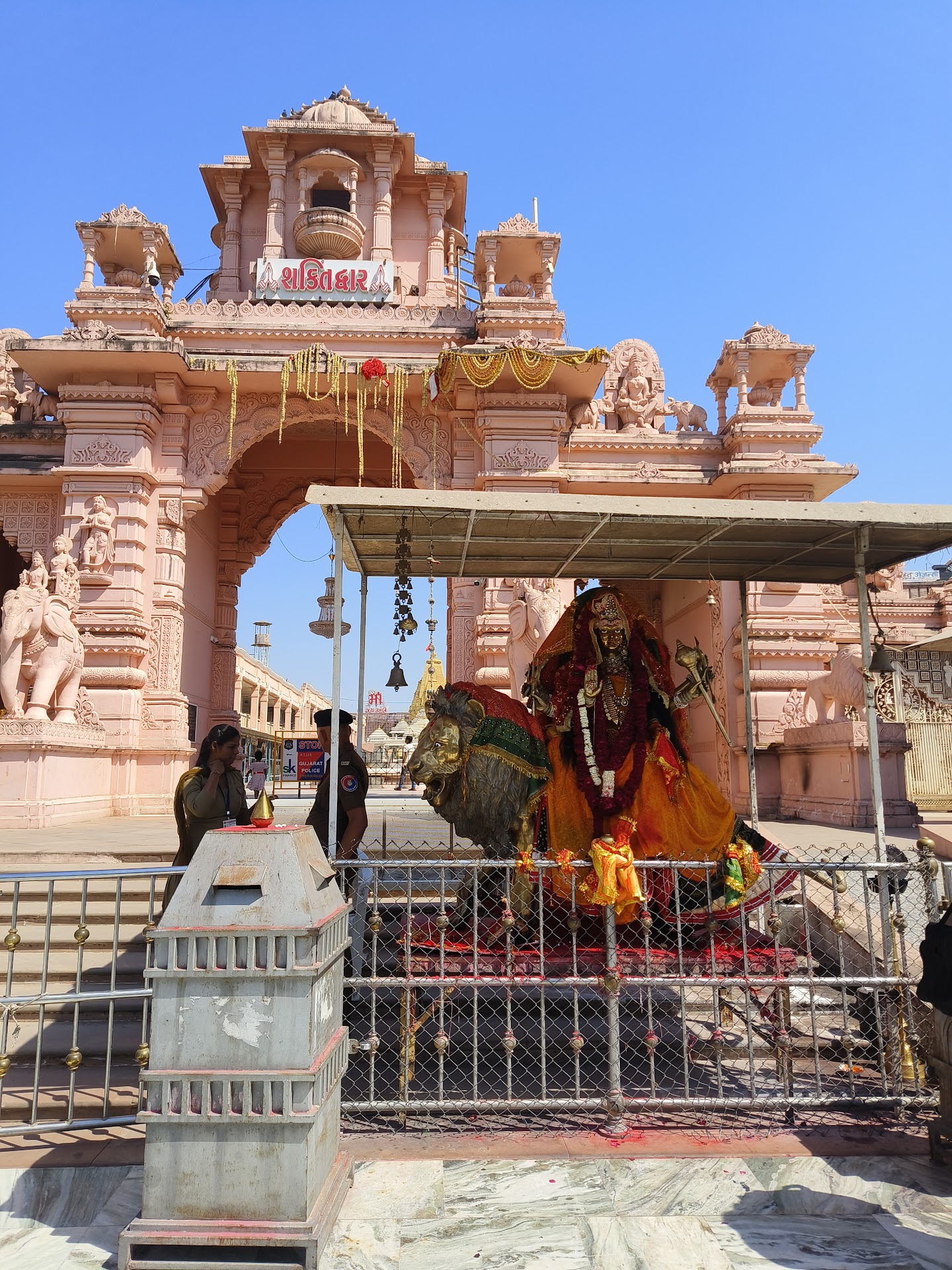
Additionally, having a good Darshan (sacred viewing) of the deity is a significant aspect of the visit. The idol of Sati Mata, adorned with intricate decorations and surrounded by offerings from devotees, emanates a divine aura. Spending a few moments in front of the deity, absorbing the sacred ambiance, can be profoundly uplifting.
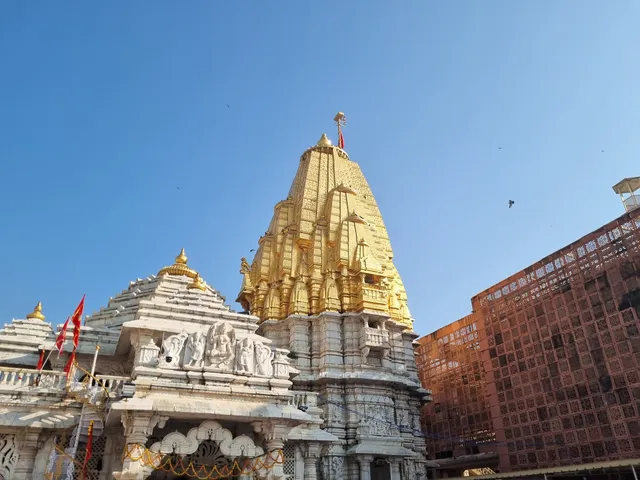
Beyond the spiritual aspect, the Shaktipeeth is often located in picturesque settings, adding to the overall experience. The temple architecture, with its intricate carvings and historical significance, offers a glimpse into the rich cultural heritage of the region.
In conclusion, visiting a Shaktipeeth where Sati Mata's heart fell is a deeply enriching experience. It provides a perfect blend of spiritual fulfillment and cultural immersion, making it an excellent place to visit for those seeking a meaningful and...
Read moreIts very auspicious temple !! and most important of all Shaktipeeths as heart of Maa Sati have fallen here !! Some same heart is fallen in Devghar in Jharkhand !!
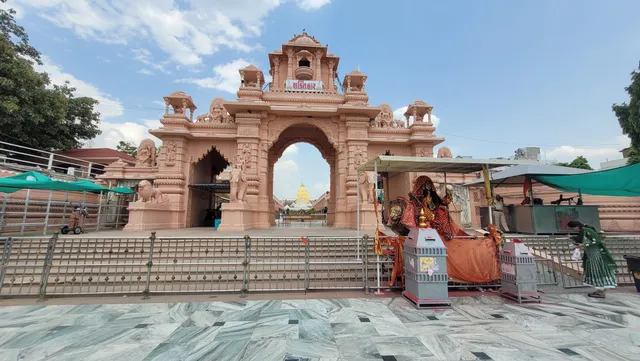
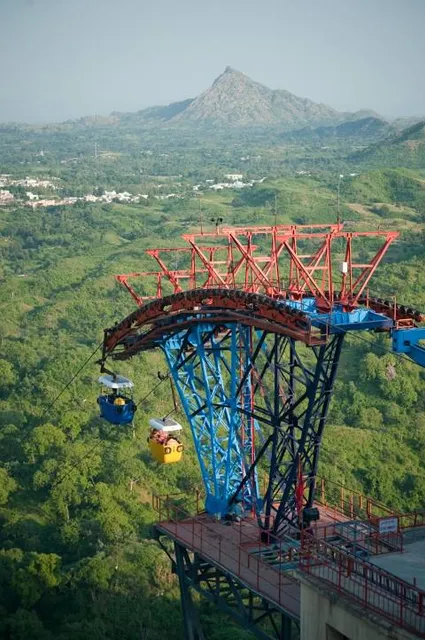
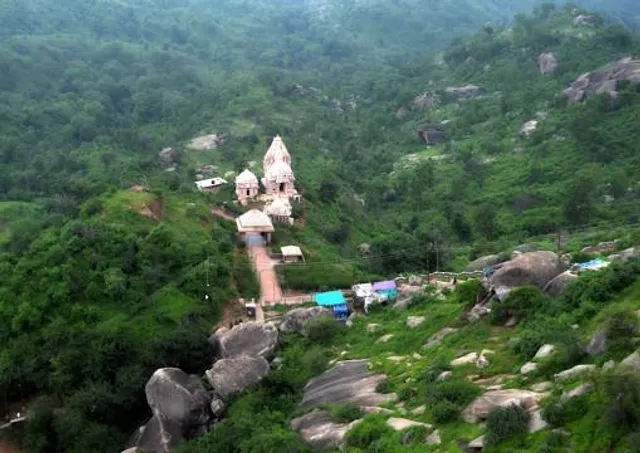
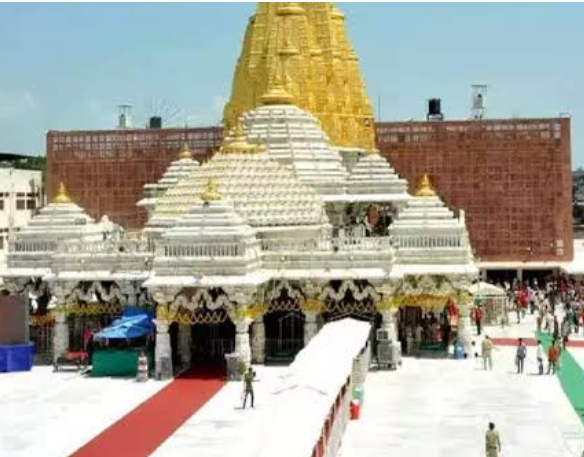
Firstly not to be confused between this temple and Gabbar hill temple, both are differnt !! this white marble temple is located in the city of Ambaji, no stairs no ropeway !! and a small but most mightly temple is located on the Gabbar hill which is accessed by ropeway or stairs
By the way we visited the place in mid of april, it took 35mins from Abu road railway station to Ambaji !!as roads are good
In the temple there was no road, the time only consumed in walking from main gate to the temple !!
very nice darshans most in starting we were astonished to see Mataji's Idol !! soon we remembered one most it says there is no idol in this temple !! Mainly there is a Yantra (holy metal piece) which is Shringar or dressed as Mataji !!
You can have lunch in Ambika prasadalaya which is at some distance from the main temple, here bhoj of Mataji is prepared and the place is run by temple only !! must go there
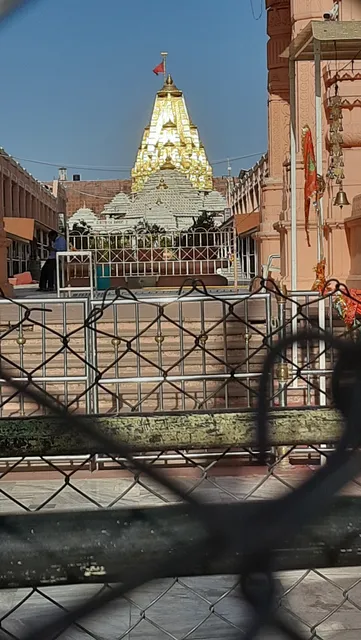
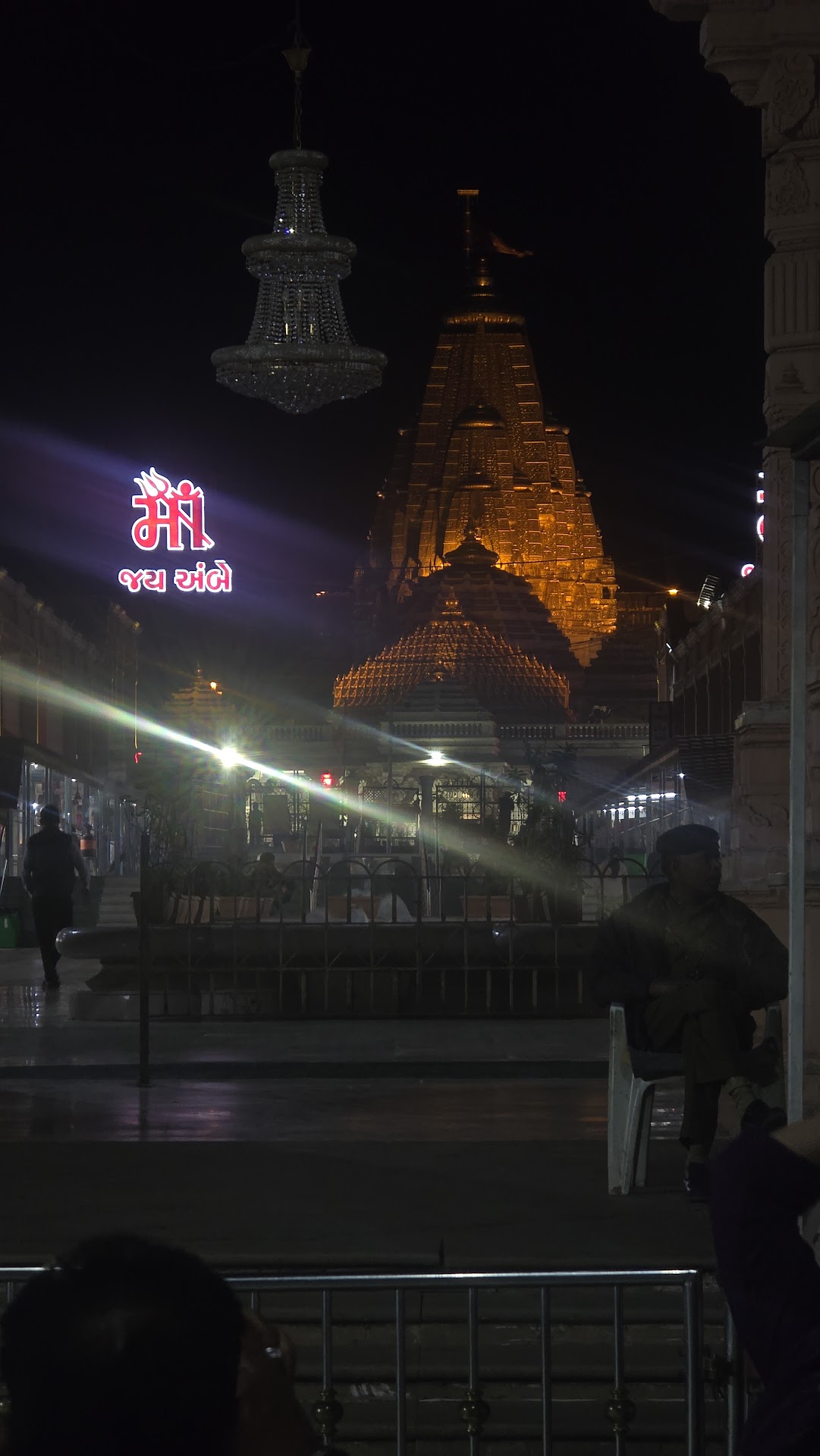
Soon this temple is becoming Golden Temple as Gold Plating work is nearly completed !! though India has many other Golden temple viz Golden Mahalaxmi Temple of Vellore, Golden Temple Amritsar, Kashi Vishwanath Temple of Varanasi and some other !!
If you are aware of Sant Pralad Jani aka chunri wale mataji above whom many documentaries were shown on many news channels including india tv, aaj tak etc and we has'nt eaten anything from many decades, moreover many scientific tests were done on him and all said that he is true !!!
His adobe is Opposite to the Gabbar downhill ropeway station, everyone known him there !! but one can meet him only on sundays and pornima on other days he used to live in caves or used to help his devotees !!
to sum up !! if you are going to abu, then must visit Ambaji and if you are visiting Ambaji then you can...
Read moreAmbika Temple, also known as Ambaji Temple, is a temple dedicated to goddess Ambikaon Girnar hill in Junagadh, Gujarat, India. The earliest mention of the temple is recorded in the 8th century. The present temple was built in the 15th century.The early temple was built before 784 CE (probably in middle of the 8th century) because Digambara Acharya Jinasen's Harivamsapurana (Saka Samvat 705, 783 CE) mentions the temple.1] An inscription dated Vikram Samvat 1249 (1192 CE) mentions Vaghela minister Vastupala's pilgrimage to Ambika temple on Raivataka (Girnar) hill. Narendraprabhsuri mentions that Vastupala had installed idols of himself and his brother Tejapala in the temple. Jinharshasuri mentions that Vastupala and his brother Tejapala visited as well as built the large mandapa of the temple and parikara of Ambika.[2 A praśasti eulogy given at the end in a golden lettered copy of Kalpasutra dated Vikram Samvat 1524 (1468 CE) mentions that a Shreshthi (merchant) named Samal Sah restored and renovated the Ambika temple on Girnar.2[1] As mentioned in Jain pilgrimage travelogues, the temple had Ambika as a Jain yakshika deity. The Girnar patta from Samvat 1507 in Ranakpur Jain temple also depicts Ambika in the similar manner. The temple is built according to the Jain tradition and the mandapa ceiling match with the Girnar Jain temples. ambaji is holy place for Hindu & Jain .[1]The present temple is built around the 15th century. Temple was historically a Jain style Temple, due to Same Faith & Symbol of Jain-Hindu Ekta pilgrimages in Girnar.[4] So the temple construction, renovation and reconstruction history extends from the mid-8th century to the...
Read more