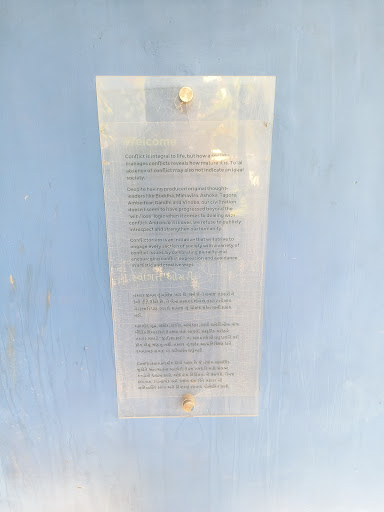
Conflictorium tries to imagine a peaceful society through an interplay between viewpoints on prevailing conflicts.
It was opened on 14 April 2013, and it was designed by Avni Sethi as a part of her final project. The building was originally known as The Gool Lodge, which was owned by Bachuben Nagarwala, a Parsi lady and the first trained beautician and hairstylist of Ahmedabad This two-storey building has now been divided into several galleries, each presenting a different form expression of people's voices and thoughts.
The Conflictorium acts as a space that enables different section of the society to engage in various topics of conflict through artistic and creative ways.The Conflictorium was founded with the intention of educating the community about conflict through alternative forms of art and culture. The goal was to look at conflict from a different angle than it typically was, to look past its tragic past. Through this, the museum aims to show that conflicts are necessary in a society as they help it grow into an ideal society. Visitors are encouraged to experience the exhibits through their five senses.
The section of "Memory Lab" is an art installation in collaboration with the visitor community. Simple pickle jars are placed on shelves with little tags. Here, visitors can pen down stories or thoughts on some personal conflicts they have faced and preserve the memory in an interpersonal setting.
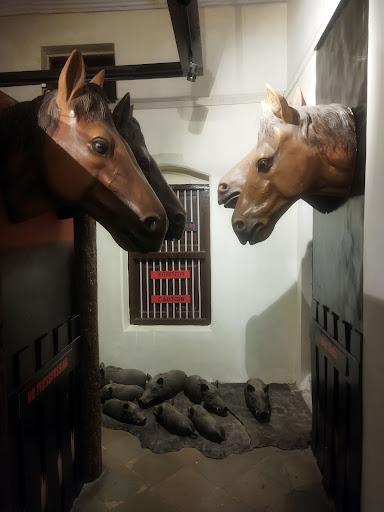
Gallery of disputes were designed by Mansi Thakkar. The main aim of this section is to highlight different types of disputes and their root causes within the framework of our social structure. The animal world has been personified here, and the gallery follows the story of a donkey. It draws inspiration from the animal fables of 'Panchatantra' by Vishnu Sharma and fictional stories like 'Animal Farm' by George Orwell As the visitor walks through the gallery, the story unfolds through the use of various sensory mediums like sounds, props, animations, light and shadows.'
This is a room right after the Gallery of Disputes, which deals with a similar theme as the previous section. Here, the section attempts to look at the nation and the though-leaders involved in the process of nation-building. Silhouettes of political figures like Mahatma Gandhi, B. R.Ambedkar, Jawaharlal Nehru, Mohammed Ali Jinnah, Sardar Vallabhbhai Patel and Indulal Yagnik. Every figure is accompanied by a speech in their original voice, and it expresses their ideological views in a post-independent India. This part of the section is called Empathy Alley.
The moral compass room in the museum consists of a copy of the Indian Constitution is present. It is a pre 1977 version, and visitors are freely allowed to engage with the book. It attempts to make the constitution accessible to the general public as the knowledge of the constitution rights is essential for every citizen.
The very first part of the museum has defined the conflict timeline, which chronicles the violent and oppressive past of the state of Gujarat since its inception in 1960.
Along with the upper floor in stairways, their is a sound installation that talks about the original owner of the building, Bachuben Nagarwala. It takes an intimate look into her life and presents the layered history of the building itself. It is considered as in this House and That World. At last, there is an end section of the museum called Sorry Tree. The peepal tree outside the Conflictorium has been turned into the 'Sorry Tree'. Here Visitors can hand a 'I am Sorry' card and write a letter for certain events for which they feel apologetic towards. The gallery spaces on the ground floor are fixed, meaning the display will not change. The first floor hosts an exhibition space, leased for about a month-and-half, where workshops, exhibitions, talks and shows are held. The first floor also has a 4-seater auditorium. The back and front yard are utilised for exhibits and performances. Paid residencies are also given out for two residents at once. These residents can then...
Read moreConflictorium is one of those places that quietly shakes something inside you. It is not a typical museum at all, it is more like stepping into a conversation with yourself, with society, and with the times we live in.
I visited it on a quiet afternoon while roaming around Ahmedabad. The building is this old charming haveli somewhere in the older part of the city. From outside it does not look like much, but once you enter, the atmosphere changes completely. Calm, raw, slightly haunting, but also comforting in a weird way.
Each room has its own concept. The themes are intense - conflict, identity, power, silence. But the way they present it is what makes it so powerful. The installations are interactive and deeply personal. There was this mic where you could scream and release your frustration. I laughed at first but then ended up doing it. Surprisingly, it felt kind of healing.
One part that stayed with me was the wall where people write their personal conflicts and stick them up. I spent a long time reading them. Some were heavy, some were touching, and some felt like things I have gone through too. It reminded me that we all carry something inside us.
Another room is dedicated to the Indian Constitution. It is peaceful and serious at the same time. Sitting there, reading actual pages of the Constitution, made me realise how little I really knew. It sparked something inside me to learn more about my own rights and the structure that holds this country together.
The space feels like a mix of art, history, psychology, and social study, but without being preachy or boring. The lighting, the cracks in the walls, the old doors - they all add to the feeling that this place is alive, in a way.
It is not a place where you take selfies or rush through. It is a place where you slow down. You think. You feel. Maybe even leave a little lighter than when you entered.
If you are visiting Ahmedabad and want to experience something meaningful and different, Conflictorium is a must. Go with an open mind and some time in hand. Trust me, you will come out thinking about things you...
Read more"The Conflictorium in Ahmedabad is a groundbreaking participatory museum that delves into the complexities of conflict within society. Housed in the historic Gool Lodge, once owned by Bachuben Nagarwala—the city's first trained beautician and hairstylist—this space offers a profound journey through various facets of discord and reconciliation.
The museum features several thought-provoking installations:
Conflict Timeline: Chronicles Gujarat's history of conflicts since 1960, providing deep insights into the state's past.
Gallery of Disputes: Utilizes animal allegories to depict societal conflicts, drawing inspiration from works like the 'Panchatantra' and George Orwell's 'Animal Farm.'
Empathy Alley: Showcases silhouettes of influential leaders such as Mahatma Gandhi and Dr. B.R. Ambedkar, accompanied by recordings of their impactful speeches.
Moral Compass: Allows visitors to engage directly with a pre-1977 copy of the Indian Constitution, emphasizing the importance of understanding our rights and duties.
Memory Lab: Encourages guests to share personal stories of conflict, fostering a sense of community and understanding.
Sorry Tree: A poignant installation where visitors can leave notes of apology, promoting healing and forgiveness.
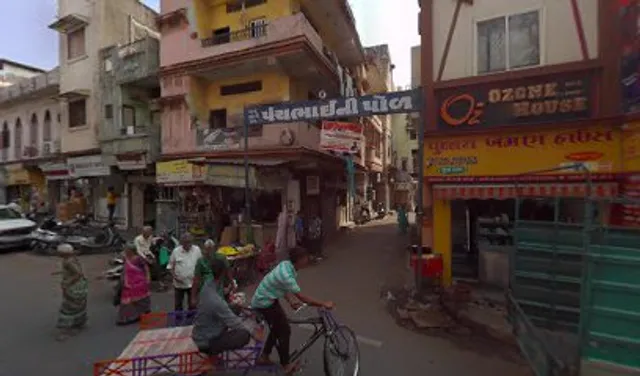
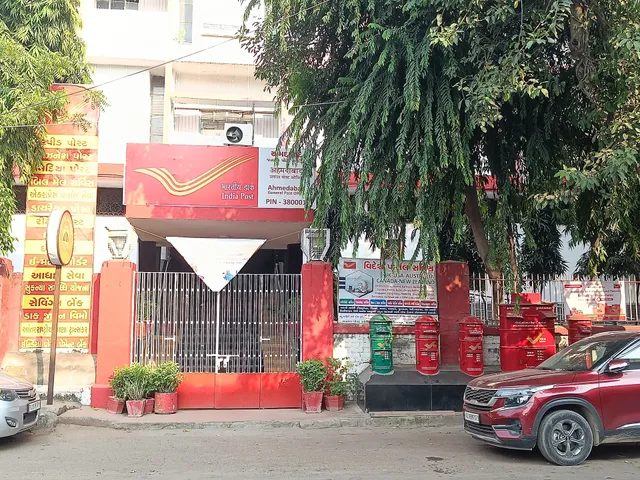
Located opposite R.C. High School of Commerce near Chalte Peer Ni Dargah in Mirzapur, visitors can conveniently park their vehicles at the nearby parking area and cross the road to reach the museum.
The Conflictorium is open from Tuesday to Sunday, 11:00 AM to 8:00 PM, and offers free entry. It's a must-visit for anyone interested in exploring societal issues through art and interactive exhibits.
This museum not only educates but also inspires introspection, making it a unique and invaluable experience...
Read more