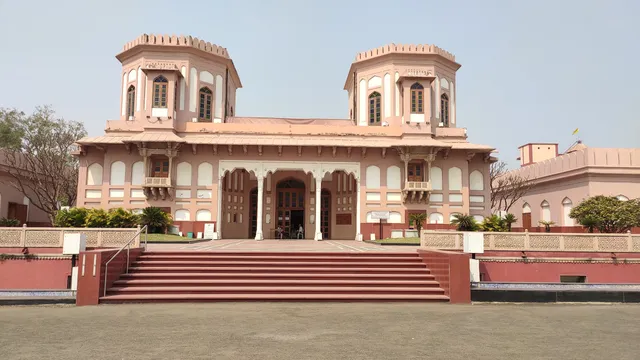
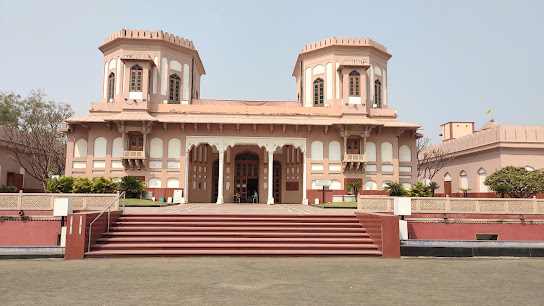
The Sardar Vallabhbhai Patel National Memorial, commonly known as the Sardar Patel Museum, is located in Ahmedabad, Gujarat, India. It is a significant cultural and historical museum dedicated to the life and legacy of Sardar Vallabhbhai Patel, the first Deputy Prime Minister and Home Minister of independent India, known for his role in integrating India and his leadership during the freedom struggle.
Here is a detailed review of the museum:
Location and History
The museum is housed in a heritage building called the Moti Shahi Mahal, which was originally built in the 16th century by Shah Jahan. The palace was later renovated and repurposed as a memorial to Sardar Patel. The museum opened in 1978 and has since served as an important center for historical education about Sardar Patel and the Indian independence movement.
Exhibits and Collections
The museum has a vast collection of items related to Sardar Patel’s life, as well as the broader context of India’s independence movement. Some of the key features include:
Sardar Patel’s Life and Contributions:
The museum showcases personal items of Sardar Patel, including his letters, photographs, and documents.
It covers his early life, political career, and his critical role in the integration of princely states into the Indian Union after independence.
Displays include a detailed account of his contributions to the freedom struggle and his leadership in post-independence India.
Galleries and Exhibits:
The museum has several galleries dedicated to different aspects of India’s history, such as the Indian National Movement, and the Integration of Princely States.
The most prominent exhibit is the “Iron Man of India” section, which is dedicated to Patel's personality and leadership qualities.
Artifacts from Patel’s political career, such as his correspondence with other leaders of the time (including Mahatma Gandhi), and historical documents are carefully preserved here.
Interactive Displays and Audio-Visuals:
The museum has well-curated displays of photographs, sculptures, and paintings.
The museum employs audio-visuals to engage visitors and explain the historical events surrounding the life of Patel and his era.
Sardar Patel's Role in the Integration of India:
There is an emphasis on Patel’s strategic role in convincing princely states to join the Indian Union post-independence. This exhibit is particularly insightful, explaining how Patel’s diplomacy and leadership ensured the political unity of India.
The Role of the Police in Indian Freedom Struggle:
The museum also has an interesting section dedicated to Gujarat Police's involvement in India’s freedom struggle, showcasing the contributions of the police forces in maintaining law and order during the turbulent times.
Personal Belongings:
The museum displays Patel’s personal belongings such as his clothes, accessories, and other memorabilia, which adds a personal touch to the exhibits.
Relics from the Mahatma's Movement:
The museum features important documents and artifacts from the Gandhi Movement, particularly focusing on Patel's close collaboration with Mahatma Gandhi during the freedom struggle.
Architectural Significance
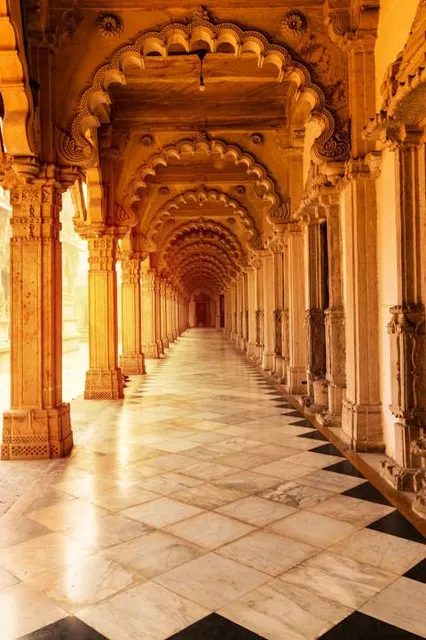
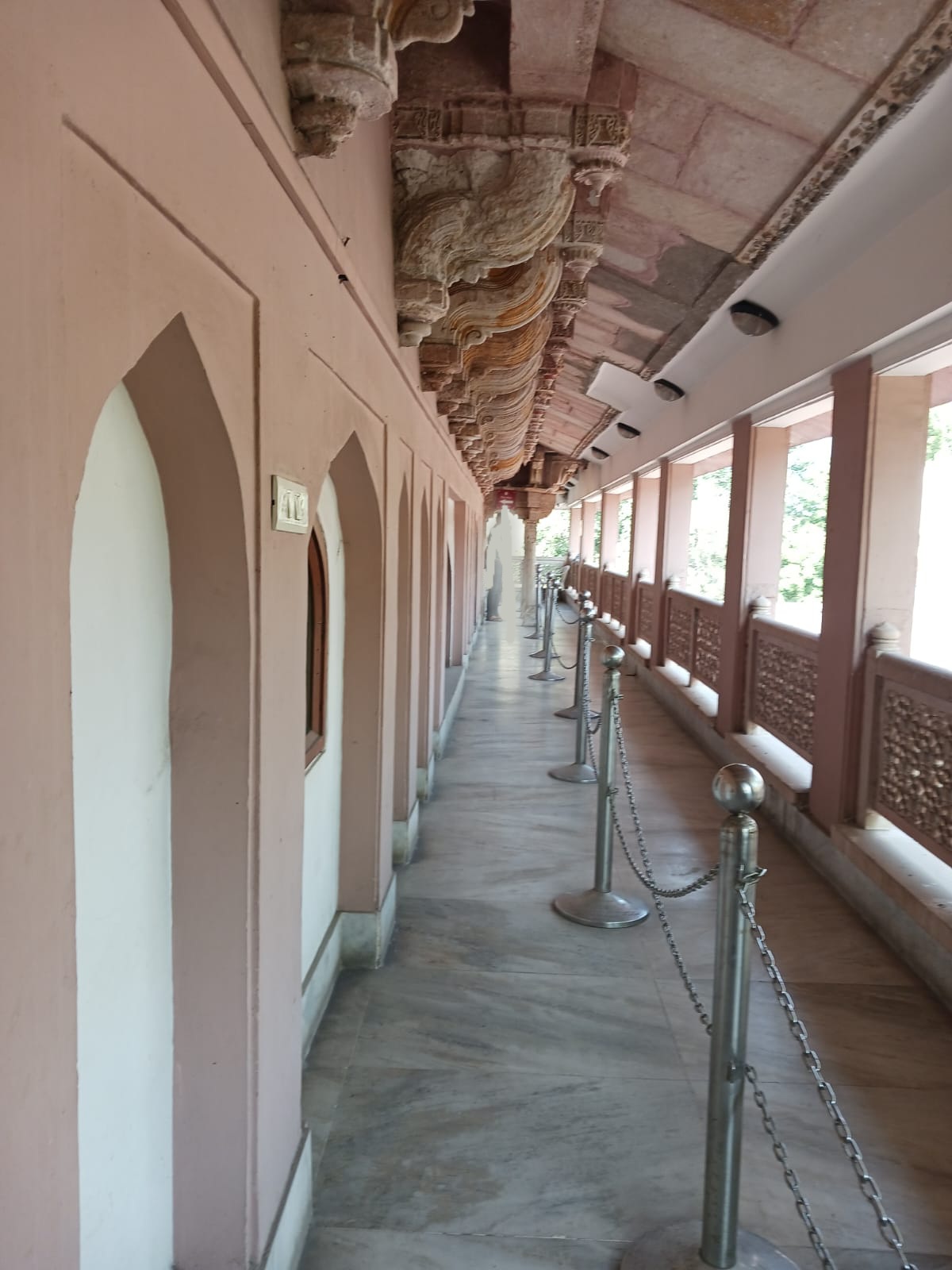
The museum is housed in a beautiful building that is itself a historical landmark. The Moti Shahi Mahal has a blend of traditional Gujarati and Islamic architectural styles. The intricately carved wooden windows, ornate arches, and a grand entrance make it an architectural marvel.
The building’s design includes wide courtyards, spacious halls, and high ceilings, creating a grand yet inviting atmosphere. The traditional architectural elements complement the artifacts inside and enhance the overall visitor experience.
Visitor Experience
The museum is well-maintained and organized, offering a good flow for visitors to move through the exhibits without feeling crowded. The displays are well-labelled, and some sections are interactive, making it engaging for visitors of all ages.
The museum provides detailed...
Read moreSardar Vallabhbhai Patel National Memorial and shahibaug area which was developed for government sachivalaya in the binging of statehood of Gujarat and Rajbhavan.
Creating history on an already hallowed address of an erstwhile palace (Moti Shahi Mahal), this is one of the most underrated experiences of Ahmedabad. The museum is a rich repository of Patel’s life arc as a political leader and thinker, while giving considerable space to other luminaries who crossed his path – namely Rabindranath Tagore, who stayed here at the age of seventeen. Contemporary technology backs the interactive exhibits with clear, concise and well researched audio-visual displays.
Brief History: The museum stands on the same address as Moti Shahi Mahal, a palace built by the Mughal Emperor Shahjahan between 1618 and 1622. One of the biggest inclusions for ornamentation included the Shahibaug gardens that were brimming with noble cypresses, cedars, palms, sandals, and cassias, with mango, tamarind, and other fruit trees. The palace fell into the hands of the British and was used as a government building. Post-independence, the structure became Raj Bhavan, the official residence of the Governor of Gujarat, from 1960 to 1978. It was declared a memorial for Sardar Vallabhbhai Patel on his centennial birth anniversary on 7 March 1980. Sardar Vallbhbhai Patel, one of the builders of India, spent greater part of his life for the cause of India’s independence, as Gandiji’s disciple and comrade-in-arms. However, his lasting contribution to the making of the Indian Nation is the integration of Princely States into the Indian Union.
Vallabhbhai was born on 31 October, 1875 in a peasant family at Nadiad In 1900, he passed the pleader’s examination and became a flourishing criminal lawyer. His meeting with Gandhiji in 1917 drew him into freedom struggle. Thereafter he never looked back and participated in all the movements led by Gandhiji, After waging many a struggle, such as kheda and Borsad he showed his metal as an organizer in the Bardoli Satyagraha in 1928, where he led the peasants to undoubted success. No wonder, he was called the ‘Sardar’. Bardoli put him on the Centre stage of Indian politics.
In 1931, he was elected the President of the Indian National Congress. It was under presidency that the resolution on “Funamental Rights”, incorporating basic economic and social rights, was passed. As Chairman of the Congress Parliamentary Board, he saw to it that Congress Governments in the provinces, during 1937-39, worked in a disciplined manner. The Quit India movement found him in Ahmednagar Fort prison form where he and his comrades were released in 1945.
The next five years were full of events, Negotiations with the British Government and the subsequent partition of India put a great strain on the Congress leadership. But it will be fair to say that the Congress under the given circumstances handled the situation with tact, patience and firmness.
Independence in 5th August 1947 when he swarned as a deputy Prime Minister Of India brought in its wake new problems. The very existence of the New State was in danger. The Sardar as Home Minister and Minister for States tried to arrest communal riots on the one hand and successfully integrate 562 of Princely States into India on the other. It was an amazing feat. Without the Sardar India would not have been, territorially, what it is today.
Welfare of India was always in his mind. He wrote to a friend: “Ere I leave this world, it is my earnest desire to lay the country on the firmest footings.”
Sardar was on arm-chair politician or an idle visionary. He was a man of action. He accomplished in less than four what others would have achieved in decades.
The places of interest in Sahibaug include Miya Khan chishty Mosque, Aiwan E Chisht Hutheesing Jain Temple Ahmedabad Cantonment, Camp Hanuman Temple, Calico Museum of Textiles.
Shahibaug also includes the Gujarat circuit house which hosts most of the government guests...
Read moreThe Vallabhbhai Patel memorial is located on the ground floor, covering the central hall and four adjacent rooms. The central hall is filled with portraits of Patel, his family, friends and colleagues in the Indian freedom struggle. They are in chronological order and with biographical descriptions of periods of his life, and quotes by his colleagues and admirers. Two of the four adjacent rooms house relics of Patel's life, his personal possessions as well as displayed accounts and political cartoons from newspapers of the time. One room is devoted to a particular phase of Patel's work - his comradeship with Mohandas Gandhi in the 1930s, his youth, education and legal career, and his work as India's home minister in integrating princely states into India. In a room to the right of the main entrance into the palace, is where Patel's personal effects are on display. These include his khadi kurta, jacket and dhoti, his shoes, slippers and European-style clothes from his younger days. Also on display is a flag of India as created by the Indian National Congress in 1930-31[citation needed].
Mahatma Gandhi Edit In a room connected through the Sardar Sarovar hall, the life and work of Mahatma Gandhi are on display. These include portraits, pictures, quotes, busts, statues and books. Gandhi's close partnership and personal friendship with Patel is an important and recurrent theme throughout the memorial[citation needed].
Tagore Edit Rabindranath Tagore, Bengali poet, writer and philosopher stayed in the palace in 1878, when he was seventeen years old. He wrote his only ghost story, The Hungry Stones and his first song here.[3]
On the first floor in the right wing of the palace, is the room where Rabindranath Tagore lived during his time at the palace, and it is dedicated to his memory. It is accessed by a staircase and a pathway into the right column. There are numerous portraits, pictures and information on display, and the main room consists of a large statue of Tagore, including paintings to preserve his memory and...
Read more