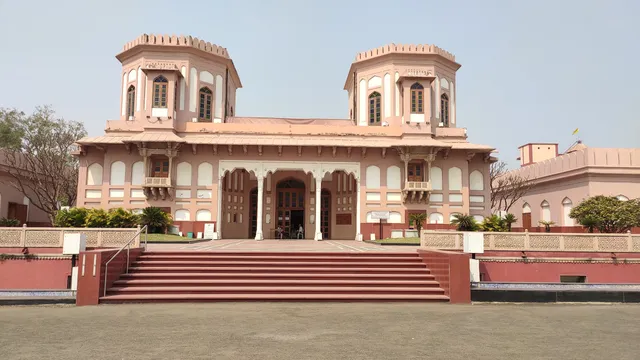
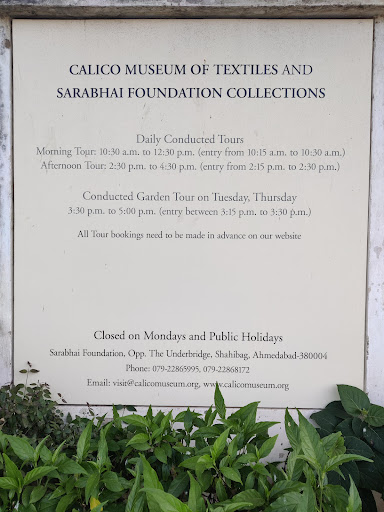
The Calico Museum of Textiles is located in the city of Ahmedabad in the state of Gujarat in western India.[1] The museum is managed by the Sarabhai Foundation.The Museum was inspired by Ananda Coomaraswamy, who, in conversations with Shri Gautam Sarabhai during the 1940s, suggested the founding of a textile institute in the city of Ahmedabad, a major trading centre of the textile industry of the sub-continent since the fifteenth century. In 1949 Shri Sarabhai, his sister Gira Sarabhai and the great industrial house of Calico acted on this suggestion, founding the Calico Museum of Textiles in Ahmedabad, as the specialist museum in India concerned with both the historical and technical study of Indian handicraft and industrial textiles.
By the early fifties the Museum discovered its original intent, encompassed too large an area and concentrated its energies on the vast and vital field of handicraft textiles, devoting less and less time to industrial fabrics.By the second decade of its existence the Museum launched an ambitious publications programme. The programme worked on two series, namely Historical Textiles Of India under the editorship of John Irwin, then keeper of the Indian Section of the Victoria and Albert Museum; and the second, under the editorial direction of Dr Alfred Bühler, fümer Director of the Museum Für Volkerkunde Und Schweizerisches Museum Für Volkskunde, Basel, who conducted a Contemporary Textile Craft Survey of India
Inaugurating the Museum in 1949, Jawaharlal Nehru stated, "The early beginnings of civilization are tied up with the manufacture of textiles, and history might well be written with this as the leading motif." And indeed, so well had the Calico Museum of Textiles fulfilled this brief that by 1971 the House of Calico decided that the excellence of the fabric collection and the invaluable research conducted by the publications department were such that the Museum should be an independent society.
The Museum’s publications, which have now taken two distinct directions, give some indication of where the next surge of activity will take place. While the number of publications concerned with historical studies continues and increases, the second direction has resulted in research and publication of studies preoccupied with the technical and scientific examinations of textile processes such as looms, dyeing, printing techniques, etc.The textiles on display include court textiles used by the Mughal and provincial rulers of 15th to 19th centuries. Also on display are regional embroideries of the 19th century, tie-dyed textiles and religious textiles. The galleries also have exhibits on ritual art and sculpture, temple hangings, miniature paintings, South Indian bronzes, Jain art and sculpture, and furniture and crafts. There are also textile techniques galleries and a library. The museum has played an important role in determining the curriculum taught in the textile designing courses at the prestigious National Institute of Design also located in Ahmedabad.
The items on display are well protected by the museum authorities. The textile are protected from dust, air pollution and fluctuations in temperatures by the trees around the museum complex. The relative humidity inside the museum is also controlled and lights are dimmed between visiting hours to extend the life of...
Read moreThis one's for the patient, the curious, and the culturally obsessed - The Calico Museum of Textiles is not your regular walk-in museum. It's a slow, pre-planned experience that kinda grows on you over time.
Let me begin with a heads up - no walk-ins allowed. You have to register via email on their official website, and trust me, do it at least 3 weeks in advance. They are very strict about this, and I saw a couple get turned away at the gate because they didn’t have the email confirmation. The pass comes by email just a few days before your slot, and you must carry an ID.
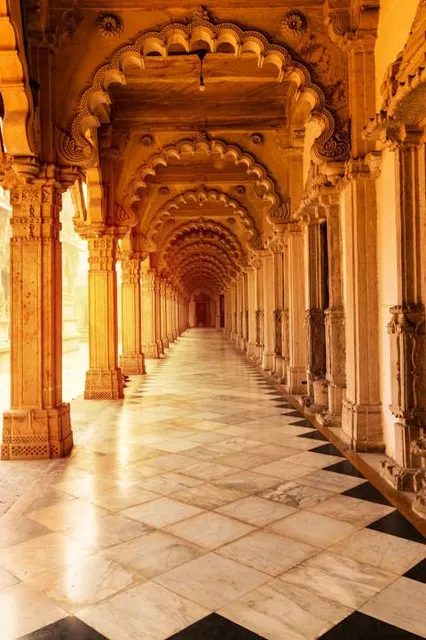
Now coming to the place itself - the museum is set in what feels like a mini forest inside Ahmedabad city, and the moment you enter the gate, the noise of traffic just fades away. The greenery is lush, peacocks casually walk around, and there’s a calming old-world charm to the whole setup.
The museum tour is guided only, and the staff is extremely knowledgeable (and strict 😅). You're not allowed to roam freely. They deposit your phones and bags at the start, and no photography is allowed inside - which honestly frustrated me a bit because the collection is jaw-dropping and I really wanted to take a few snaps for memory. But I get it - preservation first.
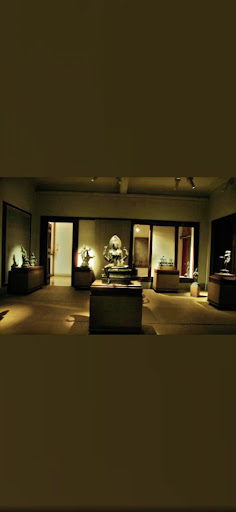
The museum itself is like stepping into India’s textile soul. We saw fabrics from as early as the 14th century, unbelievably well preserved. The rooms are like time capsules - there’s miniature art, beautiful bronze sculptures, stunning embroidered cloths, and even a section on the history of clothing in India. The fact that the Calico Museum was established in 1949 and still maintains such an atmosphere of reverence is truly something.
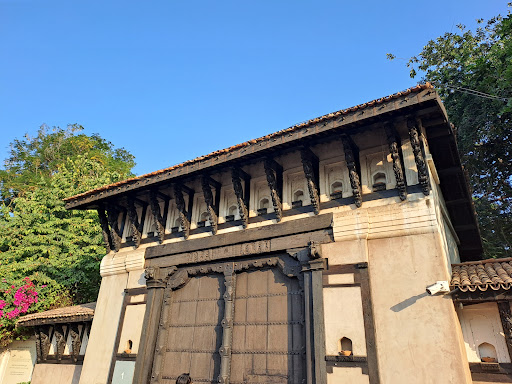
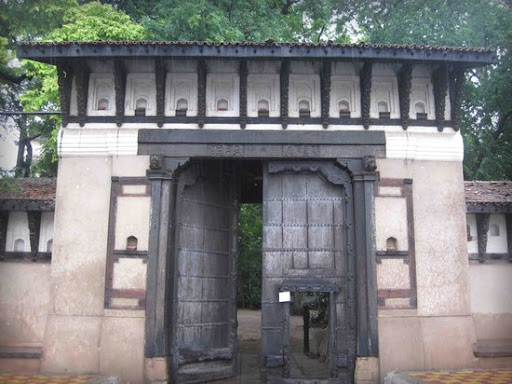
One room that stayed with me was inside an old haveli area - where they displayed hand-painted textiles with gold leaf detailing. Just wow. Also, the security is very tight - not in a bad way, but it adds to the whole seriousness of the place. You can tell they treat the collection with deep respect.
Only downside for me (hence 4 stars) was the no mobile policy. While I understand the need to preserve artifacts, I wish they gave us even a short window to click a few pics at the end or outside the haveli courtyard at least. Plus, the whole process - emailing, waiting, slot confirmation - could feel a bit tedious if you're not used to such rigid planning.
Still, I walked out of there feeling like I had seen something very few people ever do - it’s like a secret window into India’s glorious textile past. If you love history, fabric, or art, make time...
Read moreIf you love history this place should not miss. This was one of the most amazing places in Ahmedabad I have visited. Now i cannot think of missing it. This is one of the finest textile museums in India. The Sarabhai Foundation really took great effort to preserve and maintain it well. I wish I had the camera in my eyes to capture those precious things i have came across. The ambiance all over the museum were simply amazing. The lighting had done in such manner to to bringht out best view of each sculpture or textiles to crafts or furniture. They have many exhibits there starting from 8th century. After you take the museum tour with the lady who was the guide you will like 2.30 hours you spent there were not enough. But it was really worth to visit this museum. You will see lot trees, birds(including many peacocks) over there. The guide(narrator) was passionately explained everything. Even we discussed some other topics. She have complete knowledge about the Indian textile history.Please keep following in your mind if you are planning to visit. The entry is free but you have to pre-register well in advance(during holidays and tourist season) even though I registered just one day prior to my visit. You should be there on or before 10.30 AM. No photography is allowed inside. You have to keep your belongings in their locker. The security staff were so nice. Please keep minimum 2.30 hours for this tour.