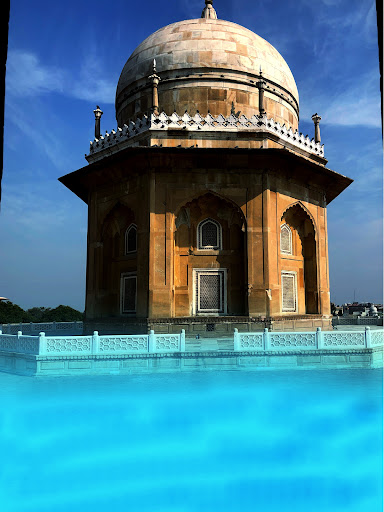
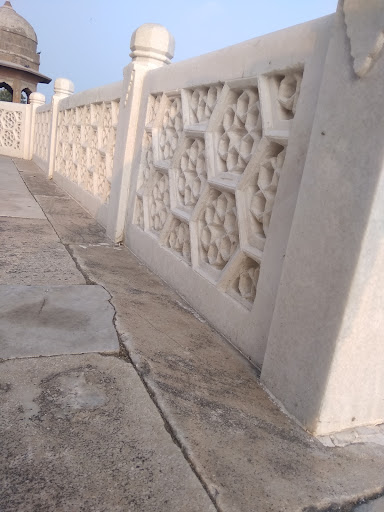
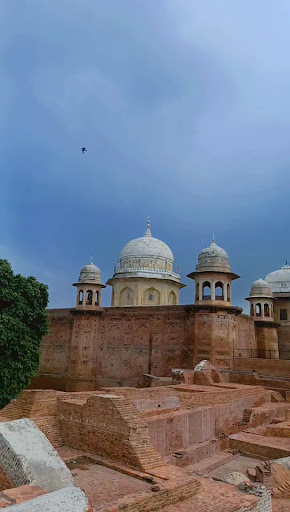
Harsh Ka Tila things to do, attractions, restaurants, events info and trip planning
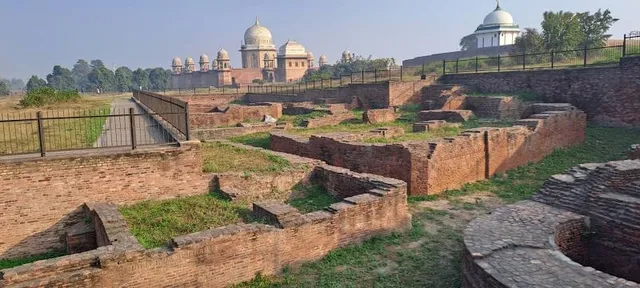
Basic Info
Harsh Ka Tila
XRGG+CHF, Old Bypass Road, Darra Khera, Kalyan Nagar, Thanesar, Haryana 136118, India
4.4(353)
Closed
Save
spot
spot
Ratings & Description
Info
The archaeological excavations located on the outskirts of the city of Kurukshetra. Kurukshetra, District: Kurukshetra, Adjacent to Sheikh Chilli's Tomb, Excavation revealed antiquities from first ...
Cultural
Outdoor
Scenic
Family friendly
Accessibility
attractions: Sheikh Chilli Tomb, O.P.Jindal Park Kurukshetra, Shri Devikoop Bhadrakali Shaktipeeth Temple, Kurukshetra, Shri Sthaneshwar Mahadev Temple, Thanesar, restaurants: Ram Karan Saini Sweet House, Gaurav Sweet House, Old Khalsa Bakery, Gupta Chat Bhandar, Khalsa Sweets, Kwality Misthan Bhandar, Khalsa Dairy, Muskan fast food pappu dosa wala, local businesses:
 Learn more insights from Wanderboat AI.
Phone
+91 172 270 2955
Open hoursSee all hours
Tue6 AM - 5 PMClosed
Plan your stay

Pet-friendly Hotels in Haryana
Find a cozy hotel nearby and make it a full experience.

Affordable Hotels in Haryana
Find a cozy hotel nearby and make it a full experience.

The Coolest Hotels You Haven't Heard Of (Yet)
Find a cozy hotel nearby and make it a full experience.

Trending Stays Worth the Hype in Haryana
Find a cozy hotel nearby and make it a full experience.
Reviews
Nearby attractions of Harsh Ka Tila
Sheikh Chilli Tomb
O.P.Jindal Park Kurukshetra
Shri Devikoop Bhadrakali Shaktipeeth Temple, Kurukshetra
Shri Sthaneshwar Mahadev Temple, Thanesar
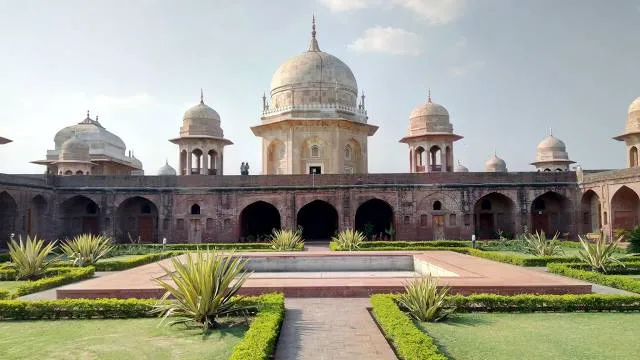
Sheikh Chilli Tomb
4.3
(930)
Closed
Click for details
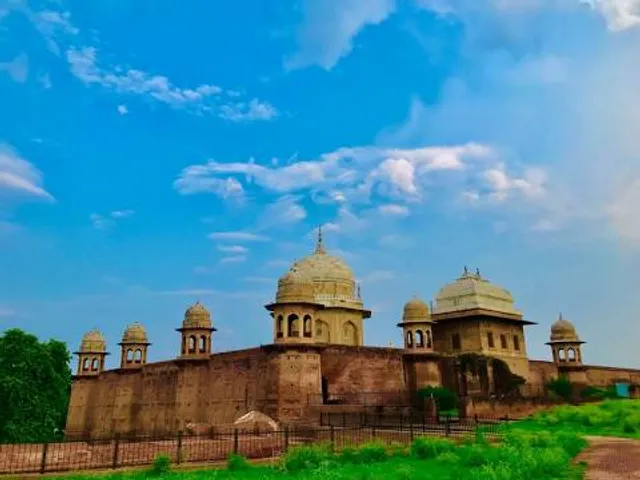
O.P.Jindal Park Kurukshetra
4.1
(973)
Closed
Click for details

Shri Devikoop Bhadrakali Shaktipeeth Temple, Kurukshetra
4.8
(3K)
Closed
Click for details
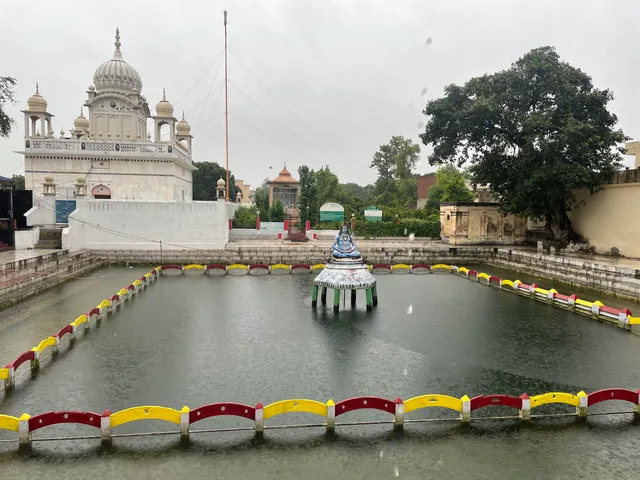
Shri Sthaneshwar Mahadev Temple, Thanesar
4.7
(615)
Closed
Click for details
Nearby restaurants of Harsh Ka Tila
Ram Karan Saini Sweet House
Gaurav Sweet House
Old Khalsa Bakery
Gupta Chat Bhandar
Khalsa Sweets
Kwality Misthan Bhandar
Khalsa Dairy
Muskan fast food pappu dosa wala
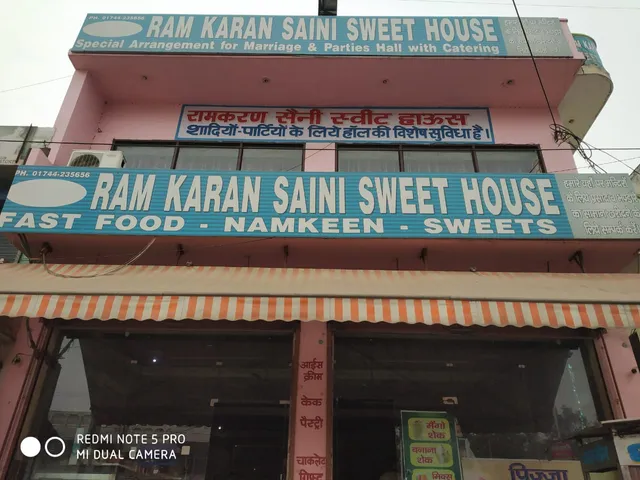
Ram Karan Saini Sweet House
3.9
(111)
Closed
Click for details
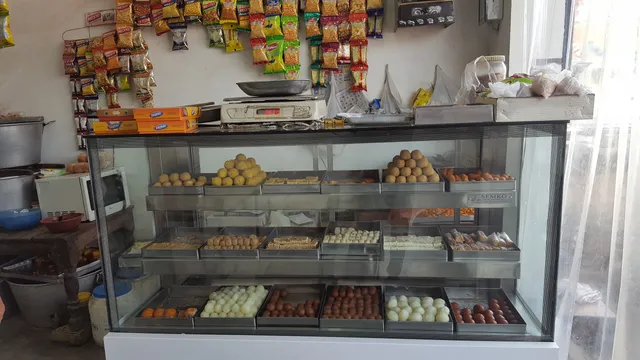
Gaurav Sweet House
4.2
(10)
Closed
Click for details
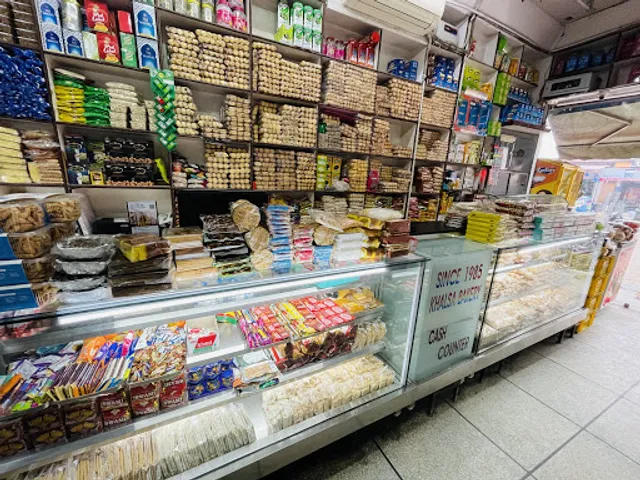
Old Khalsa Bakery
4.2
(425)
Closed
Click for details
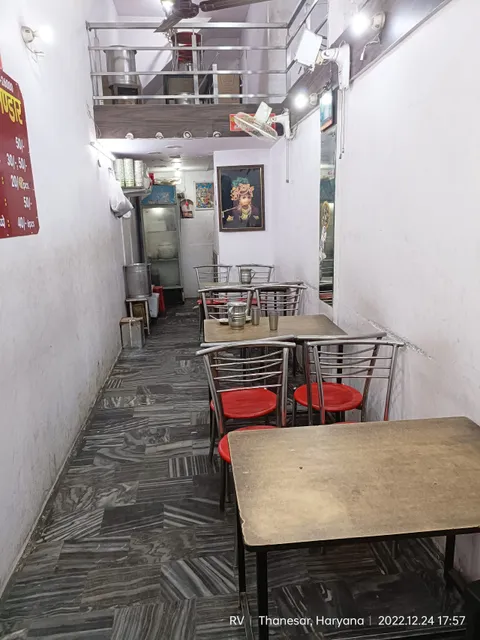
Gupta Chat Bhandar
4.2
(21)
Open until 12:00 AM
Click for details