HISTORY OF A NATIONAL HERITAGE NAGGAR CASTLE
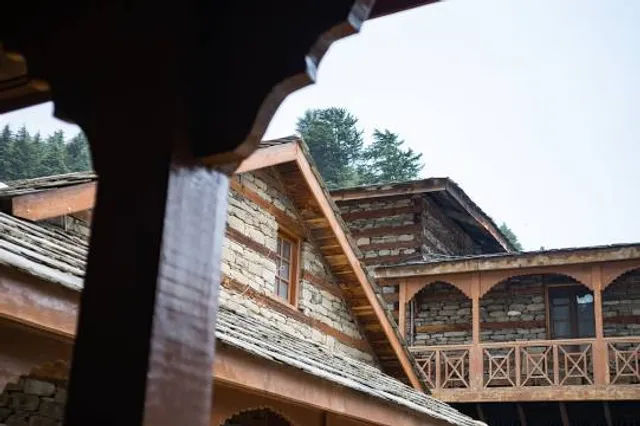
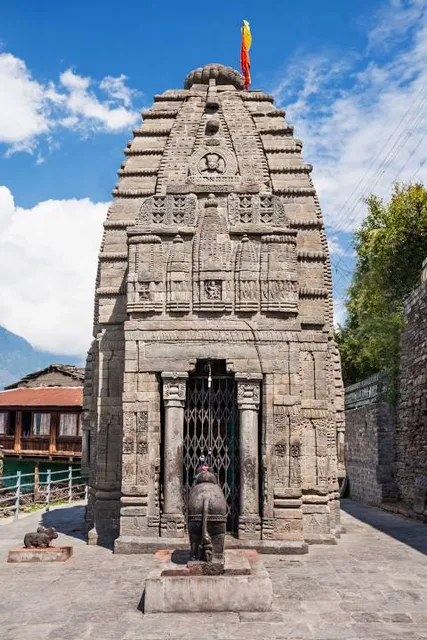
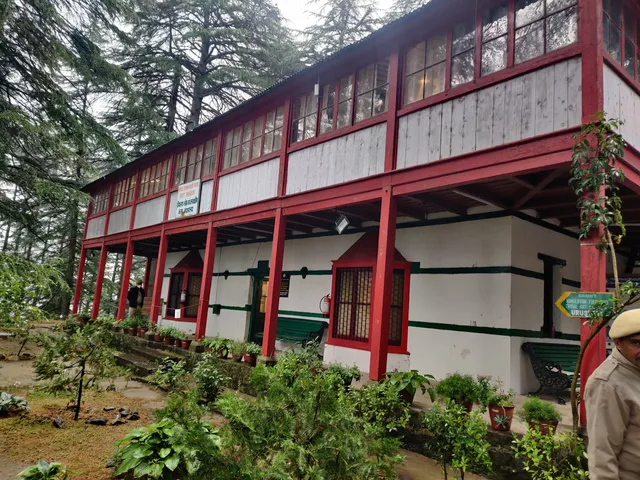
Naggar, the royal seat of Kullu state remained its capital for about 1460 years. Naggar Castle is traditionally believed to have been built by Raja Sidhi Singh in early sixteenth century. The stones for construction were brought from Gharhdhek of Baragarh across the river beas. Another belief is that stones were passed on the site by a human chain of men and women from the ruins of the fortified palace of Rana Bhosal called Gharidhek situated below the present Baragaon village. The two main doors of the castle have been made by the use of axe. The width (85"x39"x3") of these one piece doors clearly shows the massiveness of free from which they were extracted. No metal or fron has been used in their fixing. The wooden beams used in the walls have been prepared from whole trees. Naggar Castle was used as a royal residence and state head quarter until the middle of seventeeth century. When Raja Jagat Singh transferred the capital to Sultanpur (Kullu). However, the castle continued to be used as a summer palace by subsequent rulers until the british took over the whole of Kangra and Kullu from Sikh's in 1846. When Raja Gyan Singh sold it to the first Assistant commissioner, "Major Hay' for a gun. The letter converted the northem wing to the European way of living by putting in staircase, fire place and chimneys. Thus emerged a unique amalgam of indigenous architecture and an English country seat. He later sold it to the government when it was used as a Courthouse. In 1947, with the departure of the british the court-activity ceased but its door remained opened for visitors and travelers as it was converted into a civil rest house. The Naggar Castle' has withstood the destructive wrath of tremors in the year 1905 due to shock bearing construction technique. Visiting points at Naggar: - Roerich Art Gallery, Tripura Sundari temple, Temples of eleventh century: Vishnu Gauri Shankar and Shri Krishna.
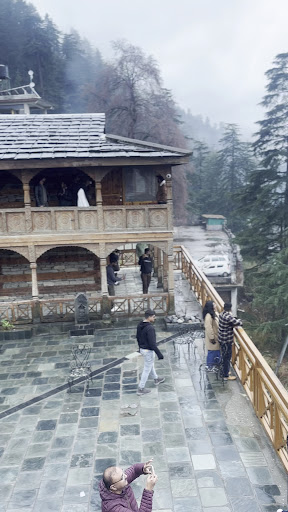
"Naggar Castle' is a unique medieval mansion made of wood and stone built in local architecture named 'Kathkooni' (combination of stones and wooden beams). The Castle in its courtyard has a small historical temple called "Jagti Patt" which is revered as the judgment seat of Kullu gods. In 1978, the 'Naggar Castle' was handed over to the Himachal Pradesh Tourism Development Corporation (HPTDC) & presently a hotel is run by Corporation.
Hotel "Naggar Castle" is declared' A National Hentage Property' by the Ministry of Tourism, Govt. of India on 09.08.2012.
Naggar Castle is a medieval castle, located in Kullu, Himachal Pradesh, India. Built by Raja Sidh Singh of Kullu around 1460 A.D, it was taken over by the Himachal Pradesh Tourism Development Corporation (HPTDC), to run as a heritage hotel, in 1978.1
It was the official seat of kings for centuries.[3] According to a legend, Raja Sidh Singh used stones from the abandoned palace (Gardhak) of Rana Bhonsal to...
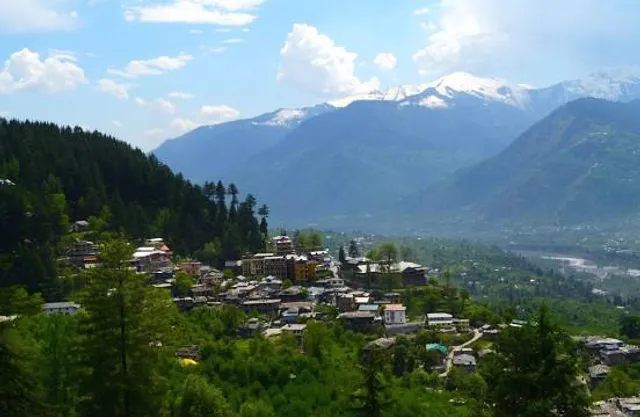
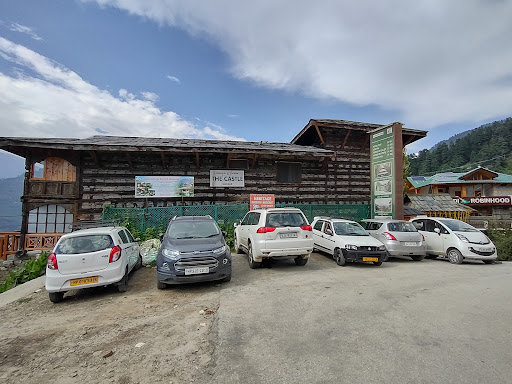
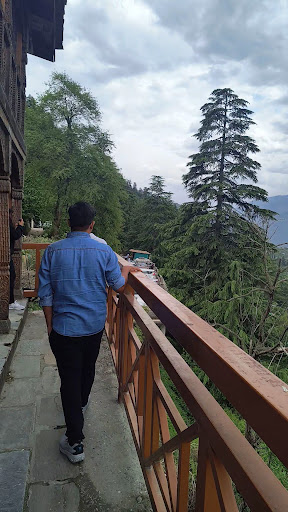
Read moreThis medieval Castle was built by Raja Sidh Singh of Kullu around 1460 A.D. The Castle was converted into a rest house, a hundred year back and in 1978 this ancient building was handed over to HPTDC to run as a Heritage Hotel, "The Castle". The hotel overlooks the Kullu Valley and offers spectacular views of the valley. The location is superb. The authentic western Himalayan architecture can be seen here. The mansion is made in Stone and Wood. Here, a gallery houses the paintings of the Russian artist Nicholas Roerich. Naggar also has three other old shrines. There is an ancient mandir within the hotel premises. The restaurant is on the first floor offering a wide food choice with great views. Smoking & drinking is not permitted. The Cozy Deluxe and Super Deluxe suites offer excellent views. Sign posting is sadly missing. You are bound to take a couple of wrong turns. You will need directions to reach the place. While coming from Manali to Naggar or from Mandi to Naggar, Do Not take the Manali-Naggar or Kullu- Naggar road. It's bad, narrow and tiring. Instead, from either direction, reach "Patli Kuhal" on NH ant take the road to Naggar. Patli Kuhal to Naggar is 6km and road is clean & good. Parking is limited. Be prepared. . Temples At Naggar . JAGTIPATT TEMPLE This temple is located within the complex of The Castle. It has a historical importance and legend has it that 18 Crore Devi Devtas sit on the rectangular stone slab inside the temple. The slab is said to have been lifted by crores of bees and brought here. The temple opens for a few minutes in the morning and the temple priest is Rakesh Sharma who works in the local post office. See photos attached.
NARSINGH TEMPLE Just opposite the Naggar Castle parking is the Narsingh Temple which most people tend to miss. The murti on the right is ancient and the one on the left is newer. See photos attached.
TRIPURA SUNDARI TEMPLE On the road from Naggar Castle to Roerich Art Gallery, on the left is located the Tripura Sundari Temple. See photos attached.
VISHNU TEMPLE A Steep road going down just next to Naggar Castle takes you to the Vishnu Temple about a 100 metres down. Distinct architecture. See photos attached.
SAT NARAIN TEMPLE Further down the same road is the Sat Narain Temple on the left on an elevated platform. A small temple worth the visit. See photos attached.
GAURI SHANKAR TEMPLE Right opposite on downslope is the Gauri Shankar Temple with a big courtyard. One can sit and relax there for some time. See photos attached.
KRISHNA TEMPLE I missed visiting it due to...
Read moreNagar Castle, located in Manali, India, is a stunning and historic castle that offers a unique and unforgettable experience for travelers visiting the picturesque Kullu Valley. The castle, which was built in the 17th century, is a magnificent example of Mughal architecture and is considered one of the most important historical landmarks in the region.
One of the most striking aspects of Nagar Castle is its stunning architecture. The castle's imposing structure, adorned with intricate carvings, colorful murals, and ornate statues, is a testament to the skill and craftsmanship of the Mughal era's master builders. The castle's central tower, which rises above the surrounding buildings, offers breathtaking panoramic views of the Kullu Valley and the surrounding mountains.
The castle's interior is just as impressive as its exterior, with a series of opulent and lavishly decorated rooms that offer a glimpse into the lives of the Mughal emperors and their courtiers. Visitors can explore the castle's many chambers, including the throne room, the audience hall, and the private quarters of the emperors, and marvel at the intricate carvings, colorful murals, and ornate statues that adorn the walls and ceilings.
In addition to its stunning architecture and historical significance, Nagar Castle is also known for its beautiful gardens and grounds. The castle's surrounding area is filled with lush greenery, flowers, and trees, creating a peaceful and serene oasis in the heart of the bustling town of Manali.
Overall, Nagar Castle is a truly remarkable and inspiring destination that offers a unique and unforgettable experience for anyone visiting Manali. Whether you are a history buff, an architecture enthusiast, or simply a curious traveler, the castle is a must-see destination in the...
Read more