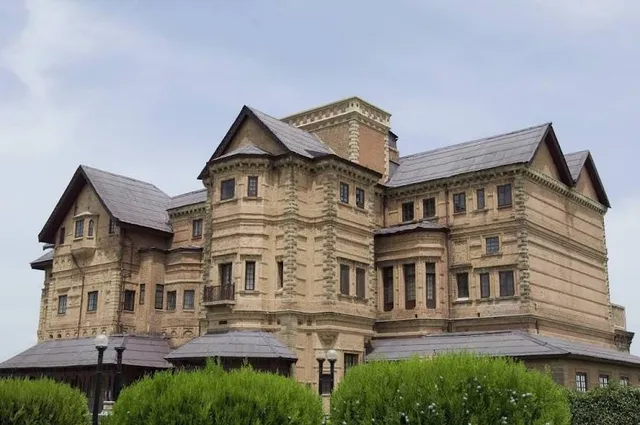
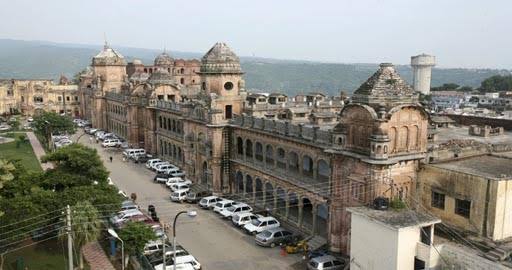
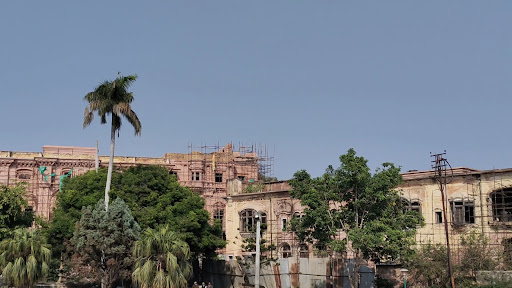
Mubarak Mandi is a palace in Jammu, India. The palace was the royal residence of the maharaja of Jammu and Kashmir from the Dogra dynasty. It was their main seat till 1925 when maharaja Hari Singh moved to the Hari Niwas Palace in the northern part of Jammu. The palace is located in the heart of the old walled city of Jammu and overlooks the Tawi river.In medieval times, Raja Maldev founded Jammu after Tamerlane destroyed his city at Babor near Lake Mansar. He choose Mubarak Mandi as his residence. Successive generations built palaces and extended it to its zenith. The oldest building of the complex dates back to 1824. Successive maharajas added to the complex in size and building took more than 150 years. The architecture is a mix of Rajasthani architecture and European baroque, and Mughal styles.
The complex is grouped around several courtyards and includes various buildings and palaces like the Darbar Hall Complex, the Pink Palace, Royal Courts buildings, Gol Ghar Complex, Nawa Mahal, Rani Charak Palace, Hawa Mahal, the Toshakhana palace and the Sheesh Mahal. The halls and galleries of the palace were used for official functions and ceremonies.
Nowadays sections of the palace house government offices, courts and the Dogra Art Museum. However, other parts of the palace are in ruins as the palace has more than 36 times has been the victim of fires. Furthermore, the building suffered from earthquakes in the 1980s and in 2005.
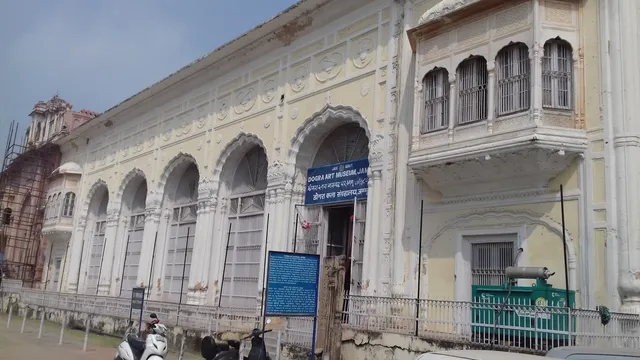
The Dogra art museum is situated within the ‘Pink Hall’. It has a rich collection containing miniature paintings of various styles of the region. The miniatures belong to the Kangra, Jammu and the Basholi art schools. But it also has a gold painted bow and arrow of Mughal emperor Shah Jahan. The pink hall owes its name to the pink plastered walls of the palace section.
The Gol Ghar section is located in the southern part of the complex. It has four storeys and overlooks the Tawi river. It has been gutted down in the mid-1980s as a result of an earthquake. Consequently, roofs and floors collapsed, leaving the building as a ruin.
The Sheesh Mahal is made entirely of glass.
The palace, which is a heritage site declared by the state government, is proposed to be linked with a rope way running up to the Bahu Fort, another heritage site...
Read moreThe oldest building of the complex dates back to 1824. Successive maharajas added to the complex in size and building took more than 150 years. The architecture is a mix of Rajasthani architecture and European baroque, and Mughal styles.
The complex is grouped around several courtyards and includes various buildings and palaces like the Darbar Hall Complex, the Pink Palace, Royal Courts buildings, Gol Ghar Complex, Nawa Mahal, Rani Charak Palace, Hawa Mahal, the Toshakhana palace and the Sheesh Mahal. The halls and galleries of the palace were used for official functions and ceremonies.
Nowadays sections of the palace house government offices, courts and the Dogra Art Museum. However, other parts of the palace are in ruins as the palace has more than 36 times has been the victim of fires. Furthermore, the building suffered from earthquakes in the 1980s and in 2005.
The Dogra art museum is situated within the ‘Pink Hall’. It has a rich collection containing miniature paintings of various styles of the region. The miniatures belong to the Kangra, Jammu and the Basholi art schools. But it also has a gold painted bow and arrow of Mughal emperor Shah Jahan. The pink hall owes its name to the pink plastered walls of the palace section.
The Gol Ghar section is located in the southern part of the complex. It has four storeys and overlooks the Tawi river. It has been gutted down in the mid 1980s as a result of an earthquake. Consequently, roofs and floors collapsed, leaving the building as a ruin.
The Sheesh Mahal is made entirely of glass.
The palace, which is a heritage site declared by the state government, is proposed to be linked with a rope way running up to the Bahu Fort, another heritage site...
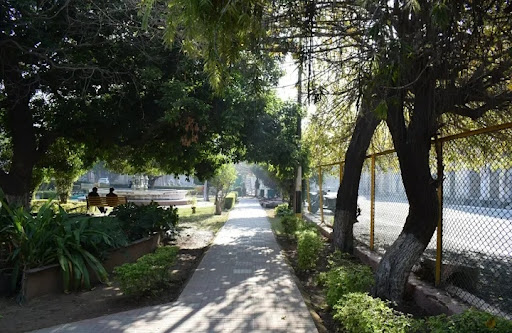
Read moreVisited today , but I was disappointed to see this old heritage site in a dilapidated condition.some parts of complex has been destroyed completely.Some restoration work has been taken up and is in progress. Fast and Complete Restoration of this site is the need of hour . At present Pink hall is not open to public due to restoration work but museum articles are at display in another section open to public. There lies a lot of information in museum to be explored One of the beautiful and the oldest heritage sites of jammu. This place has been the royal residence of the maharaja from the dogra dynasty located in the outskirts of the walled old city of jammu with a magnificent view of tawi river. Mubarak Mandi has been a well known place for its beautiful architecture which is now been deteriorated with respect to time and nowadays it has been converted into a museum. The construction of Mubarak Mandi is still in progress and now it is open for everyone. This place has an amazing ambience and beauty all around. People love to spend their quality time during weekends and especially having morning and evening walks. Overall a good place to visit and get in touch with the history and the architectural beauty of jammu. These ruins of Palaces of Dogra Kings are so beautiful, can't imagine how beautiful these would have been in those days. Dogra Art Museum has all the old sculpture , cultural art of the ancient J&KIts a amezing place with marvelous architectural beauty which is now fading bcz there is need to preserve it anyways everyone can visit this beautiful place suerly give you a best experience and atmosphere especially for scholar's who is interested in history is...
Read more