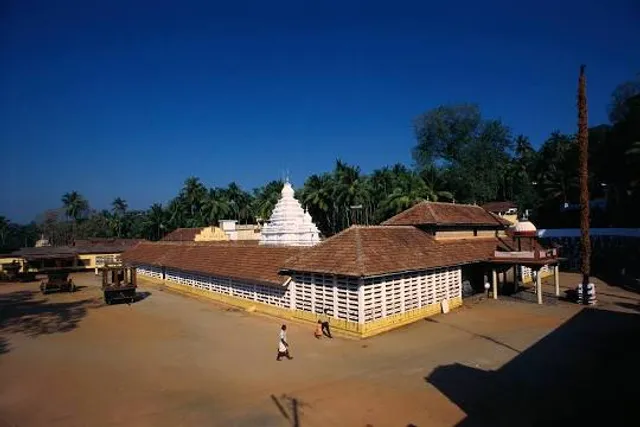
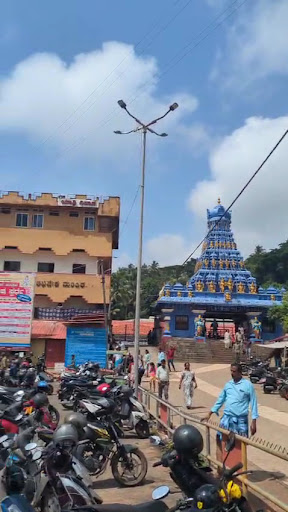
Kadri Manjunath temple also known as Kadri Manjunatha temple, dedicated to Lord Shiva in Mangalore, Karnataka, is one of the oldest Shiva temples. Hence, this historic temple is one of the must-visit temples in Kadri, Mangalore, for devotees of Lord Shiva.
As per Kadri Manjunath temple history, the temple is really old as it was built in the 10th or 11th century and was transformed into a stone structure in the 14th century. Hindu and Buddhist histories intertwine with the temple. People practised Buddhism until the 10th century CE. The Nath cult was a mix of Hindu and Buddhist traditions and saw a decline, after which the Buddhist temples were converted into Hindu places of worship. Furthermore, as per the words of poet and writer Govinda Pai, ‘Manjunatha’ refers to Lord Shiva and ‘Kadri’ is a part of Kadri Vihara, a Buddhist monastery belonging to the Vajrayana cult.
Kadri Manjunath temple has references in mythology related to Parashurama, an incarnation of Lord Vishnu. After slaying the Kshatriyas, Parashurama prayed and appealed to Lord Shiva for a place to live. Lord Shiva directed him to seek shelter in a new place called the Kadrivana. Paying heed to the Lord’s words, Parashurama, after an immense struggle with the ocean king, secured the place that he occupied near the Kadri hills to set up the Kadrivana for Lord Manjunatha. Consequently, the place became the abode of Lord Manjunatha, where devotees now flock to the place for the Lord’s blessings. Kadri hills are also mentioned in the “Bharadwaja Samhita,” a Sanskrit text. Hence, Kadri was famous for being the abode of Lord Manjunatha (Lord Shiva) in ancient times.
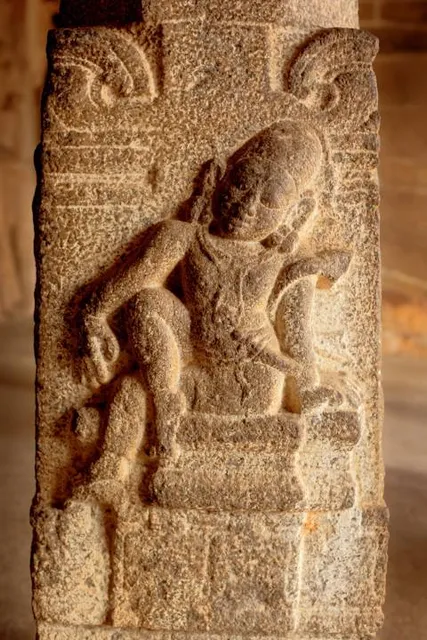
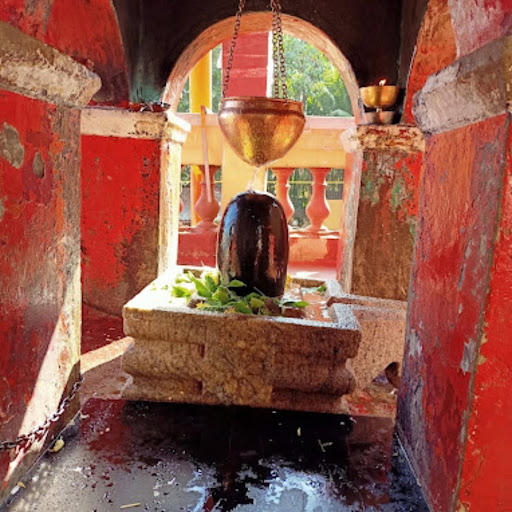
The presiding deity of Kadri Manjunath temple is Lord Manjunatheshwara, worshipped as a Shiva Linga. There are also shrines dedicated to Lord Ganesha and Goddess Durga in the temple. Furthermore, there are beautiful bronze idols of Lokeshwar, Avalokiteshwar, Veda Vyasa, Machendranath, Gorakanath, Shringinath, Buddha etc in the temple. The Lokeshwar idol is one of the oldest bronze idols in India. Also, the Saptha Mantras became the Saptha Theerthas or the seven ponds.
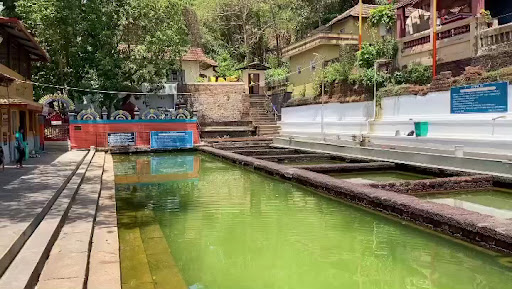
Gomukha, a natural spring, is found in an elevated location near the temple. According to popular belief, the water from the spring is that of River Bhageerathi in Kashi; hence, it acquired the name Kashi Bhageerathi Theertha. Before entering the temple, people dip in the nine ponds, which contain water from the natural spring. There is also a Shiva Linga further up, where people fill vessels with water from the natural spring and perform Abhishekam with their own hands. There is also a shrine dedicated to Shani Dev.
The annual festival of Jathra Mahothsava, held for nine days during January, begins on the Makara Sankranti. It is celebrated with pomp and religious fervour.
The distance from Mangalore to Kadri Manjunath temple is 5.3 KM, and Kadri Manjunatha temple is about 346 KM from Bangalore.
By Air
Mangalore airport is the nearest airport, which is about 12.4 KM from Kadri. From there, you can hire a cab to the Kadri Manjunatha temple.
By Train
Mangalore Railway Station is the nearest station to Kadri, which is about 3.5 km away. From there, one can take a cab to the Kadri Manjunath temple. Mangalore Railway Station is well connected to all the southern states via rail.
By Road
Mangalore is well connected to the other major cities by road. Numerous KSRTC buses ply in the area, making it convenient for tourists. Tourists can also hire a cab to reach the Kadri Manjunatha temple.
To conclude, the Kadri Manjunatha temple is a must-visit for devotees of Lord Shiva.
ಕರ್ನಾಟಕದ ಮಂಗಳೂರಿನಲ್ಲಿರುವ ಶಿವನಿಗೆ ಅರ್ಪಿತವಾದ ಕದ್ರಿ ಮಂಜುನಾಥ ದೇವಸ್ಥಾನ ಎಂದೂ ಕರೆಯಲ್ಪಡುವ ಕದ್ರಿ ಮಂಜುನಾಥ ದೇವಸ್ಥಾನವು ಅತ್ಯಂತ ಹಳೆಯ ಶಿವ ದೇವಾಲಯಗಳಲ್ಲಿ ಒಂದಾಗಿದೆ. ಆದ್ದರಿಂದ, ಈ ಐತಿಹಾಸಿಕ ದೇವಾಲಯವು ಶಿವನ ಭಕ್ತರು ಮಂಗಳೂರಿನ ಕದ್ರಿಯಲ್ಲಿ ಭೇಟಿ ನೀಡಲೇಬೇಕಾದ...
Read more🌟 Kadri Shree Manjunatha Temple, Mangaluru is a serene and spiritually uplifting destination that beautifully blends history, architecture, and divinity 🕉️. Located atop a small hill, the temple welcomes visitors with ancient stone steps, lush greenery 🌿, and an atmosphere filled with peace and devotion. From the moment you arrive, the scent of incense sticks 🌸, the sound of temple bells 🔔, and chants echoing in the background 🎶 create a deeply calming aura.
The main deity, Lord Manjunatha (a form of Lord Shiva), sits in a yogic posture and is made of exquisite bronze, considered one of the oldest idols in South India 🛕. The powerful expression of the idol is enough to move any devotee. Apart from the main sanctum, you will find shrines dedicated to Lord Ganesha, Goddess Durga, Lord Subramanya, and the Navagrahas 🌟 — each idol carved beautifully with divine energy.
Outside the sanctum, there's a sacred pond called Pushkarini, where many devotees take a holy dip before entering the temple 💧. The water feels cool and pure, adding to the spiritual atmosphere. Despite being crowded, the temple is incredibly well maintained. Clean surroundings, proper footwear counters 👣, and ample water facilities 🚰 make it easy for everyone to enjoy the visit, including senior citizens 👵👴.
One of the highlights is attending the mangal aarti 💥. The energy during the rituals is mesmerizing — the sound of conches 🐚, rhythmic bells 🔔, and Vedic chants 📿 elevate the whole experience to something truly spiritual. You can also find peaceful corners to sit, meditate 🧘, or simply absorb the divine energy around you.
A fun part of the visit is the friendly monkeys 🐒 roaming around the temple. They’re playful and often entertaining, but it's smart to be cautious with food or offerings 🍌. Their presence adds a unique charm to the overall experience.
📸 For photography lovers, this temple is a visual delight. From the reddish stone walls and golden temple top shining in the sunlight 🌄 to the intricate carvings and brass lamps inside, every angle offers a perfect shot. Morning and evening are the best times for photos. Each corridor and pillar tells a story of devotion, history, and craftsmanship 🛕✨.
Outside the temple, you’ll find stalls offering prasadam and tasty local snacks like vadas, banana chips 🍌, and coconut water 🥥. The temple’s own prasadam was simple yet fulfilling — something that touches both the stomach and the soul 💖.
👍 Cleanliness was top-notch. Volunteers and temple authorities deserve appreciation for maintaining such a busy place with such discipline 🌿. There are hand wash points, clean restrooms 🚽, and seating areas too.
Overall, Kadri Shree Manjunatha Temple is a must-visit for anyone in or around Mangaluru — whether you are a spiritual seeker, history lover, or cultural explorer 📚. The divine vibes, the architectural marvel, and the overall peaceful experience make it one of the most memorable temples I have ever...
Read moreNestled in the lap of nature and spirituality, this revered temple is a unique confluence of architectural beauty, religious importance, and cultural heritage. One of its most iconic features is the bronze idol of Lokeshwara, a rare and spiritually significant sculpture that draws thousands of devotees every year. This idol is admired not only for its artistic elegance but also for its profound symbolism of compassion and divine presence. The temple complex is surrounded by seven sacred ponds (Pushkarinis), each believed to hold healing and purifying properties. Pilgrims bathe in these waters to cleanse themselves physically and spiritually before offering prayers. These ponds are deeply rooted in ancient legends and are considered to be among the most sacred features of the temple site.Adding to the spiritual significance is the presence of the Jogi Mutt, an ancient hermitage that has been a hub of meditation, philosophical discourse, and devotion for centuries. Monks and sages have long visited this Mutt to engage in deep spiritual practices. It continues to serve as a center for spiritual learning and reflection, connecting the present generation with age-old wisdom.The caves located near the temple add an aura of mysticism and history. These natural rock formations are said to have been used by saints for meditation and penance. With their cool interiors and echoing silence, these caves offer a tranquil space that inspires contemplation. The temple complex is not limited to one deity. It also houses beautifully adorned shrines such as the Ganapathi Temple, where devotees begin their spiritual journey with prayers to the remover of obstacles. The Shiva Temple stands in quiet majesty, where the lord is worshipped in his Linga form, radiating strength and serenity. Equally divine is the Durga Parameshwari Temple, which resonates with the powerful feminine energy of Goddess Durga, revered here as the mother and protector of the universe.Festivals are celebrated here with great enthusiasm and devotion. The annual Rathotsava (car festival) held during Makar Sankranti is a grand spectacle where the beautifully decorated chariot of the deity is pulled through the temple streets by thousands of devotees. It is a powerful display of collective devotion and tradition. Another important festival is the Deepotsava, or the festival of lights, observed during Karthika Masa. On this day, the entire temple is illuminated with thousands of oil lamps, creating a breathtaking sight that symbolizes the victory of light over darkness and the divine presence within every soul.This temple stands as a beacon of faith, unity, and spiritual enrichment, offering solace to the devout and inspiration to visitors. With its blend of divine temples, sacred waters, spiritual centers, and rich heritage, it continues to be a vital center of worship and cultural pride for...
Read more