Manjusha Museum - Dharmasthala D.k āāāāāāāāāāāāāāā Manjusha car museum perhaps may be unique in country . There are over fifty, vintage cars here . It appears that they are well maintained and kept in good running condition . Really an appreciating work carried out by them . Besides you can see bullock cart bicycles tangas and even airoplane . The museum is really attractive and you feel overjoyed by moving around and looking several vintage cars like Ford chevrolet mercedes plymouth studbeaker and more . I was overwhelmed seeing this vintage cars. Well painted and a fabulous collection of vintage car antiques. Great to see cars as old from 1850's. Collection also has some toy cars which will be exciting for kids too. Never the less to mention seeing age old Java and yiezde bikes. The effort spend in maintaining such a collection, great work.
Manjusha Museum is situated in the holy town of Dharmasthala in Karnataka state, India. It houses a good collection of objects, antiques, paintings, artifacts, temple chariots, vintage and classic cars. These were collected from temples across Karnataka.
Veerendra Heggade, Dharmadhikari of Dharmasthala, privately owns this heritage museum and houses his collection from over 35 years. P.R.Thippeswamy, a renowned artist and folklorist from Mysore was instrumental in the development of this museum. Some of late Thippeswamy's paintings are prominently displayed in the museum as an honour to him. It was due to the combined effort of these two people that led to the establishment of the museum. Entry fee 5/- and it takes less than half hour to complete the visit. Photography not allowed inside the museum.
We will get glimpse of how the motor vehicle transformation was crafted earlier...Starting from Porsche, Bentley, Mercedes-Benz, and u can name all other makers as well.... All these antique peace should be kept free in an working condition and that's what they are doing.
ą²®ą²ą²ą³ą²·ą²¾ ą²µą²øą³ą²¤ą³ ą²øą²ą²ą³ą²°ą²¹ą²¾ą²²ą²Æ
ą²¬ą³ą²³ą³ą²¤ą²ą²ą²”ಿ ą²¤ą²¾ą²²ą³ą²ą³ ą²Ŗą³ą²°ą²¾ą²ą³ą²¤ą²æą²ą²µą²¾ą²ą²æ,ą²øą²¾ą²®ą²¾ą²ą²æą²ą²µą²¾ą²ą²æ,ą²ą²¤ą²æą²¹ą²¾ą²øą²æą²ą²µą²¾ą²ą²æ, ą²ą²°ą³ą²„ą²æą²ą²µą²¾ą²ą²æ, ą²øą²¾ą²ą²øą³ą²ą³ą²°ą²¤ą²æą²ą²µą²¾ą²ą²æ, ą²ą²¾ą²°ą²æą²¤ą³ą²°ą²æą²ą²µą²¾ą²ą²æ, ą²§ą²¾ą²°ą³ą²®ą²æą²ą²µą²¾ą²ą²æ, ą²¶ą³ą²ą³ą²·ą²£ą²æą²ą²µą²¾ą²ą²æ ą²ą³ą²°ą³ą²¤ą²æą²øą²²ą³ą²Ŗą²ą³ą² ą²Ŗą³ą²°ą²¦ą³ą²¶ą²µą²¾ą²ą²æą²¦ą³. ą²§ą²¾ą²°ą³ą²®ą²æą²ą²µą²¾ą²ą²æ ą² ą²¤ą³ą²Æą²ą²¤ ą²Ŗą³ą²°ą²øą²æą²¦ą³ą²§ą²æ ą²Ŗą²”ą³ą²¦ ą²®ą²ą²ą³ą²Øą²¾ą²„ ą²¦ą³ą²µą²¾ą²²ą²Æ ą²ą²°ą³ą²µą³ą²¦ą³ ą²ą³ą²” ą² ą²¤ą²¾ą²²ą³ą²ą²æą²Ø ą²ą²¾ą²ą²µą²¾ą²¦ ą²§ą²°ą³ą²®ą²øą³ą²„ą²³ ą²¦ą²²ą³ą²²ą²æ. ą²ą²¦ą³ą²²ą³ą²²ą²¦ą²° ą²ą³ą²¤ą³ą²ą³ ą²Æą²¾ą²¤ą³ą²°ą²æą²ą²°ą²Øą³ą²Øą³ ą²¤ą²Øą³ą²Øą²¤ą³ą²¤ ą²øą³ą²³ą³ą²Æą³ą²µ ą²Ŗą³ą²°ą²øą²æą²¦ą³ą²§ ą²øą²¾ą²ą²øą³ą²ą³ą²°ą²¤ą²æą² ą²µą²øą³ą²¤ą³ą²øą²ą²ą³ą²°ą²¹ą²¾ą²²ą²Æą²µą³ ą²ą²¦ą³. ą² ą²¦ą³ą²µą³ ą²®ą²ą²ą³ą²·ą²¾ ą²µą²øą³ą²¤ą³ą²øą²ą²ą³ą²°ą²¹ą²¾ą²²ą²Æ. ą² ą²µą²øą³ą²¤ą³ ą²øą²ą²ą³ą²°ą²¹ą²¾ą²²ą²Æą²ą³ą²ą³ ą² ą²¦ą²°ą²¦ą³ ą²ą²¦ ą²µą³ą²¶ą²æą²·ą³ą²ą³ą²Æą²µą²æą²¦ą³. ą²®ą²ą²ą³ą²·ą²¾ ą²ą²ą²¦ą²°ą³ ą² ą²®ą³ą²²ą³ą²Æ ą²ą²ą²°ą²£ą²ą²³ ą²Ŗą³ą²ą³ą²ą²æą²ą³. ą²ą²¦ą³ ą²¹ą³ą²ą³ą²ą²”ą³ą²Æą²µą²° ą²ą²Øą²øą²æą²Ø ą²ą³ą²øą³. ą²øą³ą²®ą²¾ą²°ą³ ą²®ą³ą²°ą³ ą²¦ą²¶ą²ą²ą²³ ಸತತ ą²Ŗą³ą²°ą²Æą²¤ą³ą²Ø, ą²Ŗą²°ą²æą²¶ą³ą²°ą²®ą²¦ ą²¹ą³ą²®ą³ą²®ą²°. ą²µą²æą²¶ą³ą²· ą²ą²øą²ą³ą²¤ą²æ, ą²¶ą³ą²°ą²¦ą³ą²§ą³, ಠಪಾರ ą²¶ą³ą²°ą²®ą²¦ ą²ą³ą²¤ą³ą²ą³ ą²µą³ą²ą³ą²ą²¾ą²Øą²æą² ą²¦ą³ą²·ą³ą²ą²æą²ą³ą²Øą²¦ą²æą²ą²¦ ą²ą²µą²æą²·ą³ą²ą²¾ą²°ą²ą³ą²ą²” ą²Øą³ą²¤ą²Ø ą²Ŗą²³ą³ą²Æą³ą²³ą²æą²ą³. ą²ą²¦ą²°ą²²ą³ą²²ą²æ ą²ą²¤ą²æą²¹ą²¾ą²øą²æą², ą²øą²¾ą²®ą²¾ą²ą²æą², ą²ą²¾ą²Øą²Ŗą²¦ ą²¹ą²¾ą²ą³ ą²øą²®ą²ą²¾ą²²ą³ą²Ø ą²øą²°ą³ą²µą²¾ą²ą² ą²ą³ą²°ą³ą²¹ą³ą²ą²³ ą²¦ą²¾ą²ą²²ą³ ą²ą²¦ą³. ą²¹ą³ą²ą³ ą²ą²²ą²¾ą²¤ą³ą²®ą²ą²µą²¾ą²ą²æ ą²°ą³ą²Ŗą³ą²ą³ą²ą²” ą² ą²Ŗą³ą²°ą³ą²µ ą²µą²øą³ą²¤ą³ą²ą²³ ą²øą²ą²ą³ą²°ą²¹ą²¾ą²²ą²Æ ą²®ą²ą²ą³ą²·ą²¾ ą²²ą²ą³ą²·ą²¾ą²ą²¤ą²° ą²Ŗą³ą²°ą³ą²ą³ą²·ą²ą²°ą²Øą³ą²Øą³ ą²ą²ą²°ą³ą²·ą²æą²øą³ą²¤ą³ą²¤ą²æą²¦ą³.
ą²®ą²ą²ą³ą²·ą²¾ą²¦ ą²øą³ą²„ą²¾ą²Ŗą²Øą³ ą²ą²¾ą²°ą²¤ ದ ą²øą²°ą³ą²µą³ą²ą³ą² ą²Øą³ą²Æą²¾ą²Æą²¾ą²²ą²Æą²¦ ą²®ą³ą²ą³ą²Æ ą²Øą³ą²Æą²¾ą²Æą²¾ą²§ą³ą²¶ą²°ą²¾ą²ą²æą²¦ą³ą²§ ą²¶ą³ą²°ą³ ą².ą²ą²øą³. ą²µą³ą²ą²ą²ą²°ą²¾ą²®ą²Æą³ą²Æą²Øą²µą²°ą²æą²ą²¦ ೧೯೮೯ರ ą²Øą²µą³ą²ą²¬ą²°ą³ ą³Æą²°ą²ą²¦ą³ ą²µą²æą²¦ą³ą²Æą³ą²ą³ą²¤ą²µą²¾ą²ą²æ ą²ą²¦ą³ą²ą²¾ą²ą²æą²øą²²ą³ą²Ŗą²ą³ą² ą²®ą²ą²ą³ą²·ą²¾ą²¦ą²²ą³ą²²ą²æ ą²ą²°ą³ą²Øą²¾ą²ą² ದ ą²ą²²ą³ą²²ą²¾ ą²ą²¾ą²ą²¦ ą²µą²øą³ą²¤ą³ą²ą²³ą³ ą²øą³ą²°ą²æą²¦ą³.
#Museum #dharmasthala #manjusha
#karnatakatourism #dk
#karnatakaonestatemanyworlds
#incredibleindia. #inctediblekarnataka
#travel #explore #adventure #life
#traveller #motoblogger #biker #youtuber
#oppof11
#wheelsonroads...
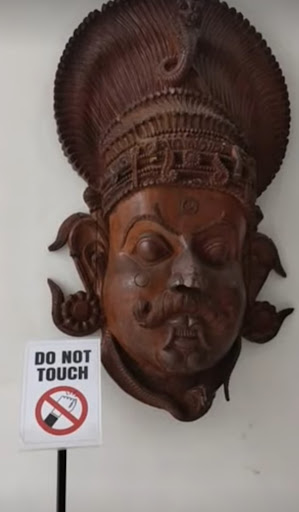
Ā Ā Ā Read moreManjusha Museum, located in the sacred town of Dharmasthala, is a one-of-a-kind cultural treasure trove, renowned for its vast and diverse collection of ancient artifacts. The museum offers visitors a fascinating glimpse into the past, housing an extensive range of items including historically significant idols unearthed during excavations, vintage cameras, radios, rare artworks, ancient manuscripts, and even artifacts from the Harappan civilization. The entire collection is the personal endeavor of the revered Dr. Veerendra Heggade, the Dharmadhikari of Dharmasthala, whose passion for preserving history is evident in every corner of this unique institution.
The museum recently expanded into a new, grand building, boasting magnificent interiors that reflect the architectural beauty and heritage of the region. The new facility is impressively large and meticulously maintained, providing a serene yet awe-inspiring environment for exploration. With its vast range of exhibits, it can take hoursāif not a full dayāto truly appreciate everything on display. The detailed curation ensures that each item tells a story, offering visitors a rich historical and cultural journey.
However, photography is strictly prohibited within the museum premises, maintaining the sanctity and preservation of the exhibits. Visitors are encouraged to fully immerse themselves in the experience, free from distractions. For those who wish to take a piece of the museum home, a beautifully crafted booklet is available for purchase, which showcases photos and detailed descriptions of the key exhibits.
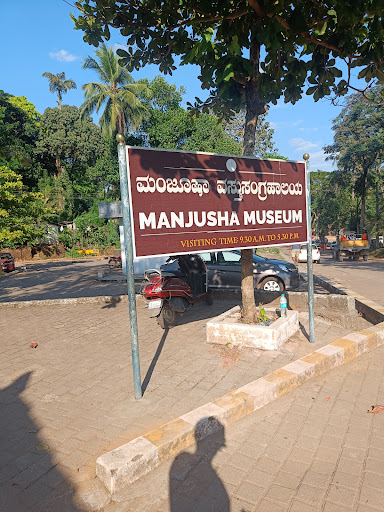
Manjusha Museum is open to the public daily from 9:00 AM to 5:30 PM. The entrance fee is modest, ranging from ā¹5 to ā¹10 per person, making this enriching experience accessible to everyone. The combination of the museum's remarkable collection, serene ambiance, and cultural significance makes it a must-visit destination for history enthusiasts and those seeking a deeper understanding of India's...
Ā Ā Ā Read moreManjusha Museum
Manjusha Museum is a unique museum of its kind in the temple town ofĀ DharmasthalaĀ in South Canara district, showcasing vintage cars, temple chariots and ancient artifacts.
Manjusha museum is privately owned and curated by Dr Veerendra Hedge, Dharmadhikari of Dharmasthala, known for its popular Manjunatha temple. The vast collections of jewelry, paintings, sculptures, cars, precious stones and other artifacts at Manjusha has been achieved after 35 years of dedication in sourcing and maintaining objects of pride and significance. Dr. Veerendra Hegdeās passion for photography is also seen from the display of camera collection.
Terracotta coins from the Mauryan period (1stĀ century BC), 300 years old Veena (a musical instrument) and a large fleet of exotic vintage cars are key highlights of the museum.
Museum Timings:Ā Manjusha museum is open daily between 9 AM and 5.30 PM. Photography is not allowed insideĀ Manjusha Museum. A booklet showcasing photos and details of exhibits can be purchased.
Places to visit near the Museum:Ā Kukke SubramanyaĀ (55 kms), Moodubidiri (51 kms) and Mangaluru (75 kms) can be visited along with Dharmasthala.
How to reach the Museum:
DharmasthalaĀ is 311 kms from Bengaluru and 75 kms from Mangaluru. Mangaluru is also the nearest airport. Putturu railway station is the closest railway station (49 kms). Dharmasthala has good bus service from Mangaluru city.
Places to stay near Manjusha Museum:Ā Dharmasthala temple management runs a guest house which can be bookedĀ online. Private lodges and hotels are available...
Ā Ā Ā Read more