🛕 கர்நாடகாவின் தெற்கு கன்னடம் மாவட்டத்தின் பெல்தங்கடி தாலுகாவில் நேத்ராவதி ஆற்றின் கரையில் தர்மசாலா கோயில் அமைந்த ஊராகும்.
🛕ஸ்ரீ மஞ்சுநாதருக்கு அர்பணிக்கப்பட்ட 800 ஆண்டு பழமையான சிவன் கோயிலாகும்.
🛕இக்கோயில் மூலவர்களாக மஞ்சுநாதரும், சமண சமயத்தின் எட்டாவது தீர்த்தங்கரான சந்திரபிரபாவும், கோயில் காவல் தெய்வங்களாக குமாரசுவாமியும் மற்றும் கன்னியாகுமரி எனும் யட்சினியும் உள்ளனர்.
🛕தர்மஸ்தலா கோயிலின் நிர்வாகத்தை சமண சமய வீரமன்னா பெர்கடே என்பவரின் வழிவந்த குடும்பத்தினர் மேற்பார்வையிடுகின்றனர். ஆனால் கோயில் பூசைகளை மத்வரின் துவைத மரபை பின்பற்றும் வைண அந்தணர்கள் கோயில் பூசைகள் செய்கின்றனர்.
🛕800 ஆண்டுகளுக்கு முன்னர் குடுமா கிராமத்தில் (தற்கால தர்மஸ்தலா) வாழ்ந்த சமணரான வீரமன்னா பெர்கடே என்பவரின் கனவில் தோன்றிய தர்மதேவதை, இத்தலத்தில் மஞ்சுநாதர், சந்திரபிரபா, குமாரசுவாமி மற்றும் கன்னியாகுமரி தெய்வங்களின் விக்கிரகங்களை நிறுவி வழிபடச் சொன்னார். அதன் படியே வீரமன்னா பெர்கடேயும் நான்கு தெய்வங்களுக்கும் சன்னதிகள் எழுப்பி வழிபட்டார்.
💠தெய்வங்களுக்கு பணிவிடை செய்பவர்கள் தேலம்படிதயா என்றும் மனவோலிதயா என்றும் அழைக்கப்பட்டனர். அதற்கு பிரதிபலனாக, பெர்கடே குடும்பத்தைப் பாதுகாப்பதாகவும், கோவிலுக்கு நிறைந்த தருமத்தையும் புகழையும் வழங்குவதாகவும் தெய்வங்கள் உறுதி அளித்தனர். பெர்கடே இவற்றை ஏற்றுக் கொண்டு கோவில்களைக் கட்டி பிராமண குருக்களை அழைத்து சடங்குகளை நிறைவேற்றினர்.
💠இயற்கை தெய்வங்களுடன் சிவலிங்கத்தையும் அமைக்குமாறு இந்த குருக்கள் பெர்கடேவைக் கேட்டுக் கொண்டனர். மங்களூர் அருகில் உள்ள கத்ரியிலிருந்து மஞ்சுநாதேஸசுவரா ஆலயத்தின் லிங்கத்தைக் கொண்டு வர தம் பணியாளான அன்னப்ப சுவாமியை தெய்வங்கள் அனுப்பின. பின்னர் லிங்கத்தைச் சுற்றி மஞ்சுநாதா ஆலயம் கட்டப்பட்டது.
💠16 ஆம் நூற்றாண்டில் தேவராஜா ஹெக்கடே, உடுப்பியின் ஸ்ரீ வதிராஜா சுவாமியை இந்தக் கோவிலைக் காண வருஅழைத்தார். அவரின் அழைப்பை மகிழ்ச்சியுடன் ஏற்று வந்த சுவாமிஜி, மஞ்சுநாதா கடவுளின் தெய்வச்சிலையை வேகை தருமாறு சடங்குகளின்படி அமைக்கவில்லை என்பதால் தனக்கு வழங்கிய பிக்ஷையை(உணவு) மறுத்துவிட்டார். பின்னர் சிறீ ஹெக்கடே சுவாமியே சிவலிங்கத்தை மறுபிரதிஷ்டை செய்யவேண்டுமென்று கேட்டுக் கொண்டார். அவ்வாறு செய்த பின்னர், சுவாமி அவர்கள் சிவலிங்கத்திற்கு மாதவா முறையின் படி பூசைகளைச் செய்ய ஏற்பாடுகளைச் செய்தார்.
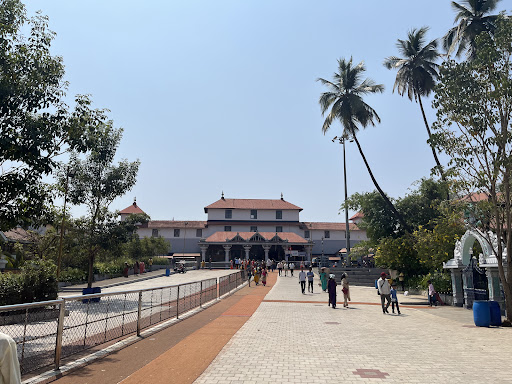
💠வேதமுறைப்படியான சடங்குகளையும் ஹெக்கடேவின் தரும செயல்களையும் கண்ட பின்னர், சுவாமி அவர்கள் தருமம் மற்றும் ஈகையின் இருப்பிடம் என்ற பொருள்படும்படி அந்த இடத்திற்கு தர்மஸ்தலம் என்று பெயரிட்டார். 600 ஆண்டுகளுக்கு முன்பு பெர்கடேக்கள் உருவாக்கிய தருமச் செயல்களையும் சமய ஒற்றுமையையும் ஹெக்கடே குடும்பத்தினர் வளர்த்து உறுதிப்படுத்தி வருகின்றனர். ஹெக்கடே குடும்பத்தினர் பெர்கடே குடும்பத்தின் வழிவந்தவர்களாவர். இந்தத் தன்னலமற்ற அர்ப்பணிப்பின் பலனாக தர்மஸ்தலம் இன்று பூத்துக் குலுங்குகிறது. #பயணஅனுபவக்குறிப்புகள் 🕊️ 🌼ஆலயவளாகம் பெரியது. ஆலயம் ஏராளமான பக்தர்கள் வந்த வன்னம் உள்ள ஆலயம்.
🌼கர்னாடகா மக்கள் இந்த ஆலய சுவாமியை மிகுந்த பயம் கலந்த பக்தியுடன் வணங்குகிறார்கள்.
🌼சண்டை வழக்கு, மேலும், எந்த ஒரு பிரச்சணைகளையும், மஞ்சுநாதர் தீர்த்து வைப்பார் என்ற பெரு நம்பிக்கை இங்கே உள்ளது.
🌼இதனால், ஏராளமான மக்கள் தங்கள் வேண்டுதலை வைக்கிறார்கள். பிரார்த்தனை நல்லபடியாக முடிந்தவுடன் தங்களால் முடிந்த பொருட்களை செலுத்தி வருகிறார்கள். இது போன்ற பிரார்த்தனை பொருட்களில், ரயில் பெட்டி, விமானம், மேலும் ஏராளமான வித்தியாசமான பொருட்களை ஆலய வளாகத்தில் காட்சிபடுத்தியுள்ளனர். பக்தர்களின் வித்யாசமான வழிபாடுகள்.
🌼தனியார் ஆலயம் என்பதால், ஏராளமான வசதிகள் பக்தர்களுக்கு வழங்கி வருகிறார்கள். கூட்டம் அதிகம் வருவதால் தனி கட்டிடத்தில் தரிசன q வரிசை தொடங்குகிறது. VIP / கட்டன வரிசையும் உண்டு.
🌼பேருந்துகள் / வாகனங்கள் நிறுத்த தனித்தனி இடங்கள் மிகவும் வசதிகள் உண்டு. 🌼நியாயமான / குறைந்த வாடகையில் தங்குமிடங்கள் உண்டு. 🌼பல இடங்களுக்கும் செல்ல Auto வசதிகள் உண்டு.
🌼தர்ம ஸ்தாலா பெயர் மட்டுமல்ல, இவாலயத்தின் சகல விஷயங்களிலும் நியாயம் நடக்கிறது. தவறு இருந்தால், உடனடியாக தண்டனை உண்டு என்பதை உணர்த்திவிடுகிறார்.
🌼கர்நாடகா செல்பவர்கள் தர்மஸ்தலா கட்டாயம் வழிபட வேண்டிய ஊர்.
🌼எமக்கு, மூன்றாவது முறையாக இந்த ஆலயம் தரிசிக்கும் பாக்கியம் பெற்றோம். நன்றி🙏🏼 11.11.2024 #சுப்ராம் #சுப்ராம்ஆலயதரிசனம். #சுப்ராம்அருணாசலம்காரைக்கால் #ஆலயம்தொழுவதுசாலவும்நன்று #ஆன்மீகபாரதம்அகிலத்தின்சிகரம் #கர்னாடகா2024
11.11.24 சுப்ராம் ஆலய தரிசனம் மீன்...
Read moreFrom the moment you step foot into the temple complex, you are enveloped in an atmosphere of piety and reverence. The grandeur of the temple's architecture, with its intricately carved pillars and majestic gopurams, is a sight to behold. Each corner of the temple exudes a sense of divine presence, inviting devotees and visitors to immerse themselves in prayer and contemplation.
At the heart of the temple lies the sanctum sanctorum, home to the presiding deity Lord Manjunatha, a manifestation of Lord Shiva. The deity, adorned with traditional attire and ornaments, exudes an aura of divine grace and benevolence. Devotees from far and wide flock to the temple to seek the blessings of Lord Manjunatha and offer their prayers and offerings.
One of the most remarkable aspects of the Dharmasthala Manjunatha Temple is its unique tradition of hospitality and inclusivity. The temple is managed by the Heggade family, who have upheld the sacred duty of providing free food and shelter to all visitors, regardless of caste, creed, or religion. This noble tradition, known as Annadana, exemplifies the spirit of compassion and service that is integral to Hindu philosophy.
Beyond its spiritual significance, the temple also serves as a center for cultural and social activities. Throughout the year, the temple hosts various festivals and events that celebrate the rich cultural heritage of Karnataka. These festivities, marked by colorful processions, traditional music, and dance performances, attract pilgrims and tourists alike, fostering a sense of community and camaraderie.
In conclusion, a visit to the Dharmasthala Manjunatha Temple is a profound and enriching experience that transcends mere worship. It is a journey of spiritual awakening, cultural immersion, and human connection. Whether you are a devout pilgrim or a curious traveler, the temple welcomes you with open arms, inviting you to embark on a timeless quest for inner peace and divine grace.
n adherence to traditional customs and rituals, devotees are required to observe certain guidelines before entering the sanctum sanctorum of the Dharmasthala Manjunatha Temple. Among these customs is the practice of removing one's upper clothes as a sign of respect and humility in the presence of the deity.
This act of removing upper garments symbolizes the shedding of worldly attachments and ego, allowing devotees to approach the deity with a pure and devout heart. It is a gesture of surrender and submission to the divine will, demonstrating reverence and devotion towards Lord Manjunatha.
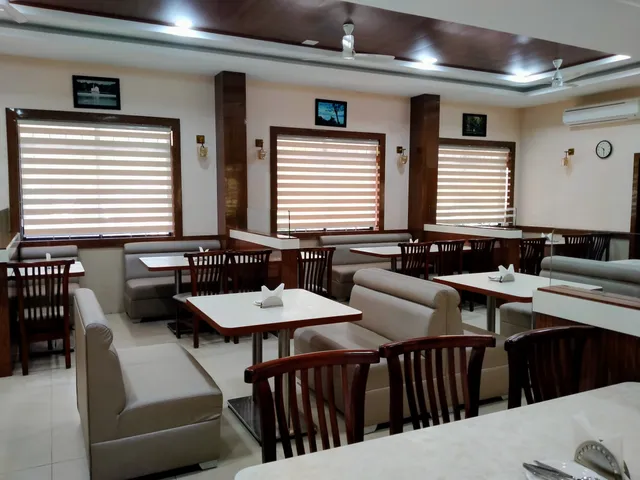
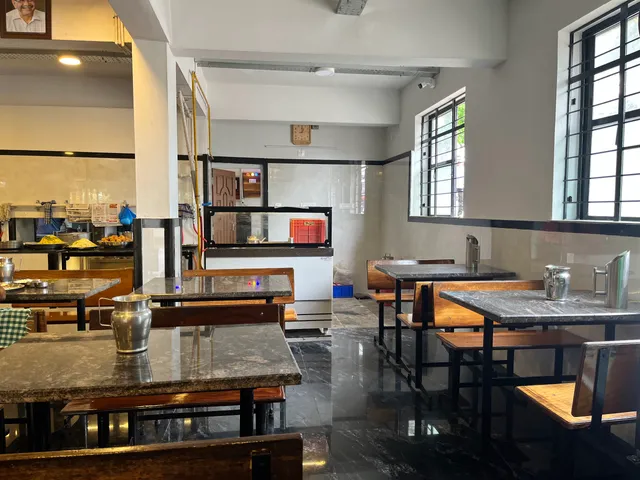
The Dharmasthala Manjunatha Temple offers convenience alongside spirituality, with ample parking space ensuring hassle-free visits. Surrounding the temple, a variety of restaurants and shops cater to the needs of pilgrims and tourists, providing a delightful culinary and shopping experience within the...
Read more800 years ago, Dharmasthala was known as Kuduma in Mallarmadi, a then village in South Kanara. Here lived the Jain Chieftain Birmanna Pergade and his wife Ammu Ballalthi in a house called Nelyadi Beedu. Simple, pious and affectionate people; the Pergade family was known for its generosity and hospitality to all.
According to legend, the guardian angels of Dharma assumed human forms and arrived at Pergade’s abode in search of a place where Dharma was being practiced and could be continued and propagated. As was their habit, the Pergade couple hosted these illustrious visitors with all their wherewithal and great respect. Pleased by their sincerity and generosity, that night the Dharma Daivas appeared in the dreams of Shri Birmanna Pergade. They explained the purpose of their visit to him and instructed him to vacate his house for the worship of the Daivas and dedicate his life to the propagation of Dharma.
Asking no questions, the Pergade built himself another house and began worshipping the Daivas at Nelyadi Beedu. This continues even today.
As they continued their worship and their practice of hospitality, the Dharma Daivas again appeared before Shri Birmanna Pergade to build separate shrines dedicated to the four Dharma Daivas – Kalarahu, Kalarkai, Kumaraswamy and Kanyakumari. Also, Pergade was instructed to choose two persons of noble birth to act as the Daivas’ oracles and four worthy persons to assist Shri Pergade in his duties as the Executive Head of the shrines. In return, the Daivas promised Shri Pergade family protection, abundance of charity and renown for the ‘Shri Kshetra’.
As ordained, Shri Pergade built the shrines and invited Brahmin priests to perform the rituals. These priests requested Pergade to also install a Shivlinga beside the native Daivas. The Daivas then sent their vassal Annappa Swamy to procure the Idol of Lord Manjunatheshwara from Kadri, near Mangalore. Subsequently Shree Manjunatha Swamy temple was built around this idol.
Around the 16 Century, Shri Devaraja Heggade invited Shri Vadiraja Swami of Udupi to visit the shrine. The Swamiji gladly came but refused to accept Bhiksha (food offering) because the idol of Lord Manjunatha had not been consecrated according to the vedic rites. Shri Heggade then requested the Swamiji to re-consecrate the shiva linga himself. Pleased by the observance of the vedic rites and Heggade’s charity to all, the Swamiji named the place Dharmasthala the abode of religion and charity. Thus, the roots of charity and religious tolerance established by the Pergades 800 years ago have been nurtured and strengthened by twenty one generations of the Heggade family, (Heggade being a derivative from Pergade). Today’s Dharmasthala blossoms with the fruit of this...
Read more