Manuvana Park things to do, attractions, restaurants, events info and trip planning
Basic Info
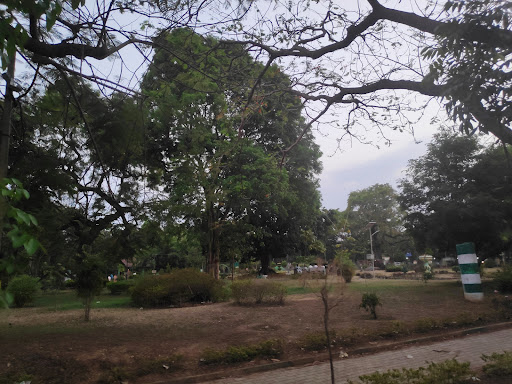
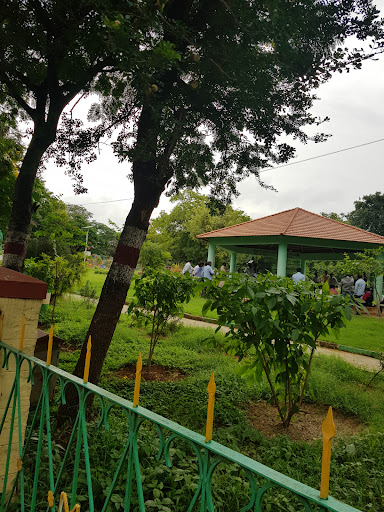
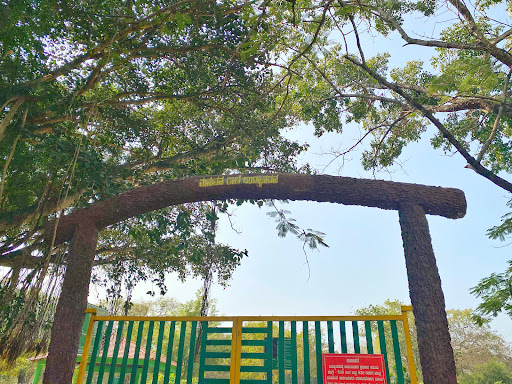
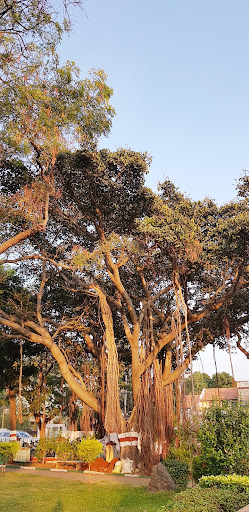
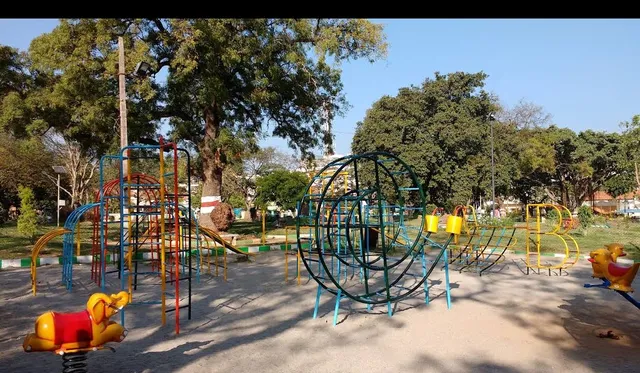
Manuvana Park
1056, Vanivilasa Rd, Chamarajapura, Chamarajapuram Mohalla, Lakshmipuram, Mysuru, Karnataka 570005, India
4.3(1.2K)
Open until 12:00 AM
Save
spot
spot
Ratings & Description
Info
Outdoor
Family friendly
attractions: Freedom Fighter's Park, restaurants: Iconic Resto Pub, Turmeric Kitchen, The Old House, Mysuru Mirchi, Kottureshwara Uttara Karnataka Khanavali, Vaibhav Hotel, Amrutha Veg Restaurant, Mahesh Prasad Veg Restaurant, Mysore Brahmins Cafe, Street Food, local businesses: Oriental Research Institute
 Learn more insights from Wanderboat AI.
Phone
+91 99006 67343
Open hoursSee all hours
SunOpen 24 hoursOpen
Plan your stay

Pet-friendly Hotels in Karnataka
Find a cozy hotel nearby and make it a full experience.

Affordable Hotels in Karnataka
Find a cozy hotel nearby and make it a full experience.

The Coolest Hotels You Haven't Heard Of (Yet)
Find a cozy hotel nearby and make it a full experience.

Trending Stays Worth the Hype in Karnataka
Find a cozy hotel nearby and make it a full experience.
Reviews
Live events
Explore Mysores Hidden Gems
Sun, Feb 15 • 6:00 PM
Mysuru, Karnataka, 570001, India
View details
Nearby attractions of Manuvana Park
Freedom Fighter's Park

Freedom Fighter's Park
4.1
(602)
Closed
Click for details
Nearby restaurants of Manuvana Park
Iconic Resto Pub
Turmeric Kitchen
The Old House
Mysuru Mirchi
Kottureshwara Uttara Karnataka Khanavali
Vaibhav Hotel
Amrutha Veg Restaurant
Mahesh Prasad Veg Restaurant
Mysore Brahmins Cafe
Street Food
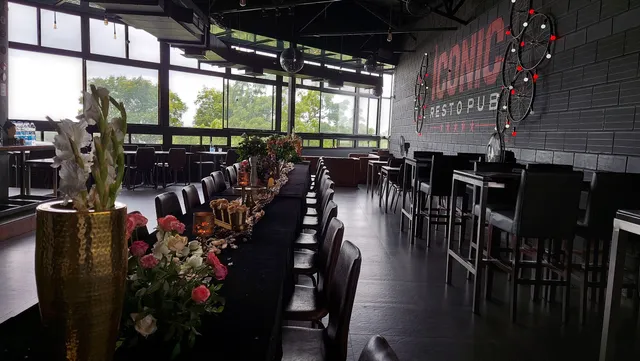
Iconic Resto Pub
4.2
(1.3K)
$$$
Closed
Click for details
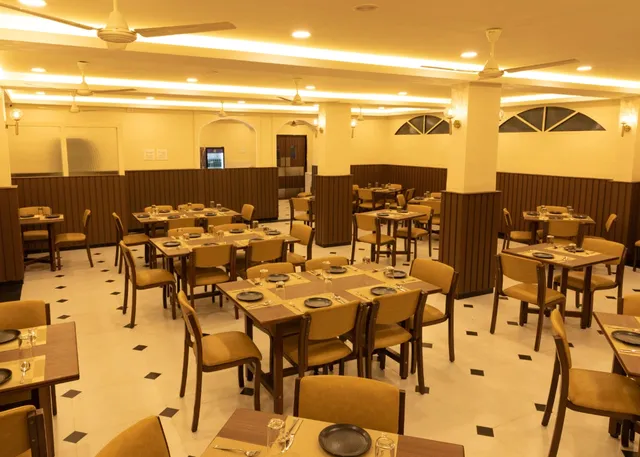
Turmeric Kitchen
4.4
(313)
Click for details
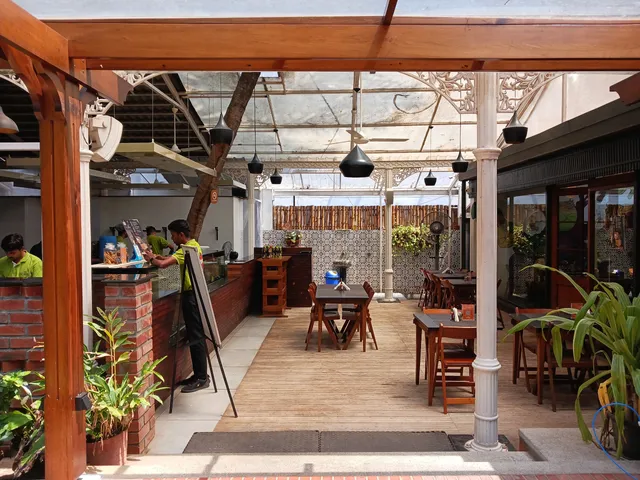
The Old House
4.3
(4.3K)
$$$
Closed
Click for details
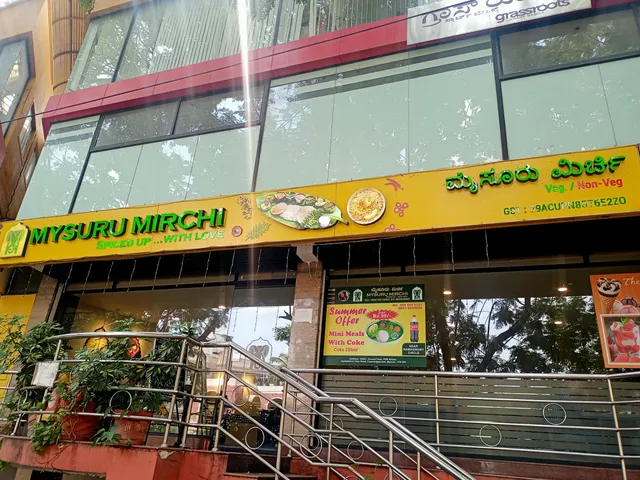
Mysuru Mirchi
4.0
(411)
Click for details
Nearby local services of Manuvana Park
Oriental Research Institute
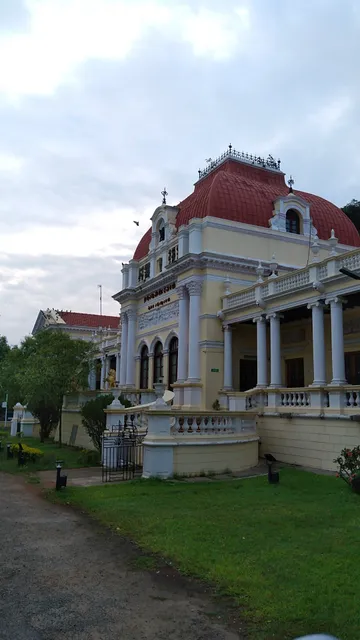
Oriental Research Institute
4.4
(39)
Click for details