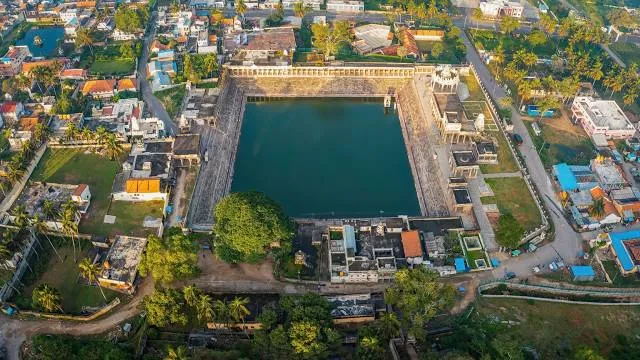
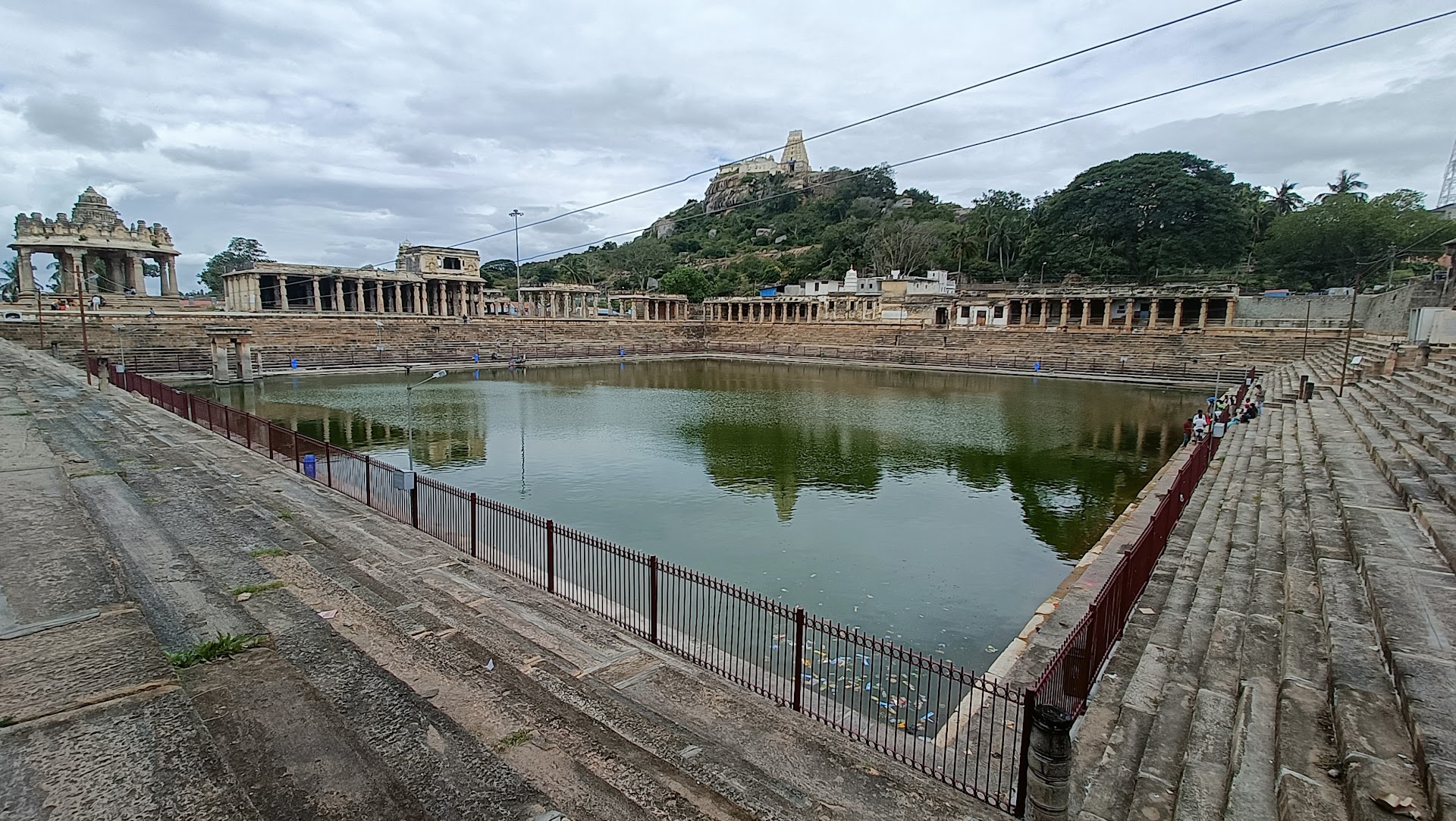
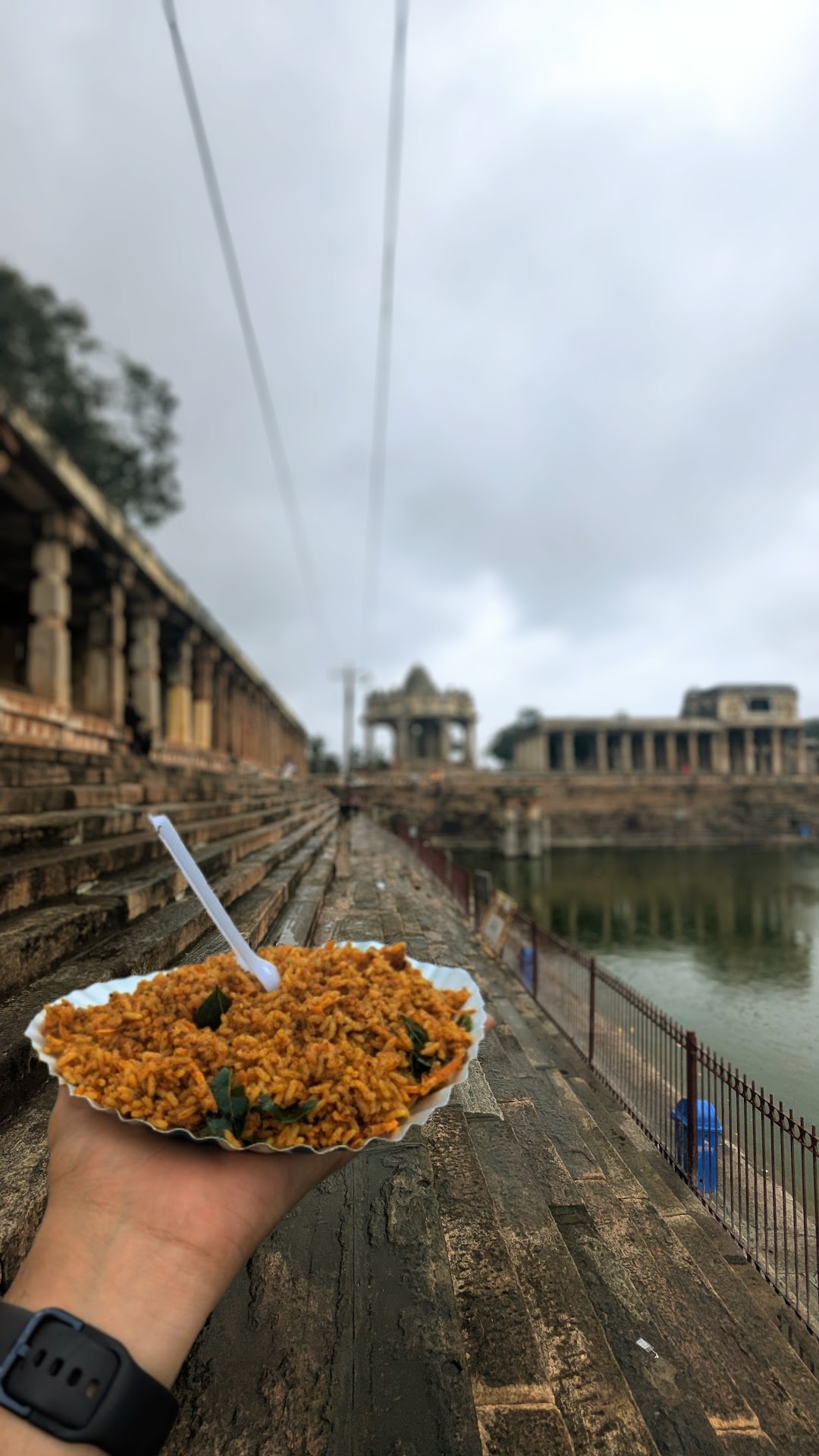
In ancient India, temples were typically built near a water source. They would be built on the banks of rivers, beside streams and lakes or have tanks adjacent to them. The Kalyani tank is one such water tank that stands in Melukote in the Mandya district of Karnataka.This ancient temple tank has a history spanning over 1000 years and is considered o be the largest of 108 temple tanks in the district.According to the Isvara Samhita, Lord Krishna took on the avatar of Lord Varaha when he lifted the earth out of the universal ocean. While doing so, a few drops of the water on his body fell on top of a hill at Melukote. This led to the creation of the Kalyani pond. The Kalyani is also mentioned in the Padma Purana. According to the legends of the Matsya Purana, Lord Vishnu’s carrier, the eagle- Garuda carried white clay from Lord Vishnu’s planet, Svetadvipa and deposited it at the Kalyani.It isn’t just by chance that our ancient temples were built near water sources. In ancient times, temples were a place of refuge and many people lived around the temples. The temple tank served as a source of water for them.Water is also believed to have the ability to absorb positive energy. Hence, when priests chant, the energy released is absorbed by the water. Devotees of these temples believe that bathing in these waters will give them this energy.This temple is dedicated to Lord Narasimha. He can be seen seated in a yoga asana and hence the name. The deity is almost 3 feet tall and has gold hands and feet and a gold crown. It is believed that this deity was installed thousands of years ago. Beneath the temple is a small cave where the devotee of Lord Narasimha, Prahlada is said to have meditated when he brought...
Read moreAn amazing example of a temple town settlement, melukote has a significant impact on architecture student and research groups. This temple pond enriches us with the irrigation systems and all the multifunctional or gathering space around it which made the temple pond a great space for community gatherings. sorrounded by a veranda which is detailed by stone pillars and beautiful stone carving, still it is a great space for relaxing amidst a godly experience.In ancient India, temples were typically built near a water source. They would be built on the banks of rivers, beside streams and lakes or have tanks adjacent to them. The Kalyani tank is one such water tank that stands in Melukote in the Mandya district of Karnataka.This ancient temple tank has a history spanning over 1000 years and is considered o be the largest of 108 temple tanks in the district.It isn’t just by chance that our ancient temples were built near water sources. In ancient times, temples were a place of refuge and many people lived around the temples. The temple tank served as a source of water for them.Water is also believed to have the ability to absorb positive energy. Hence, when priests chant, the energy released is absorbed by the water. Devotees of these temples believe that bathing in these waters will give them this energy.In January 2019, Infosys announced a project to restore and renovate the Kalyani tank. This will include desilting the tank, removing waste and cleaning it, reconnecting the existing canals and building a compound wall around the tank. This endeavor will improve the quality of water in the tank and help restore the...
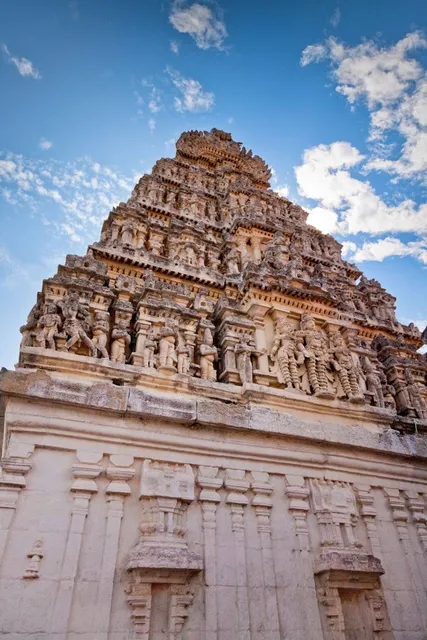
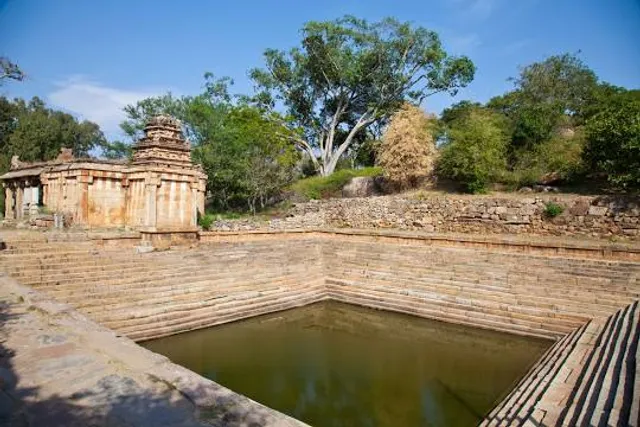
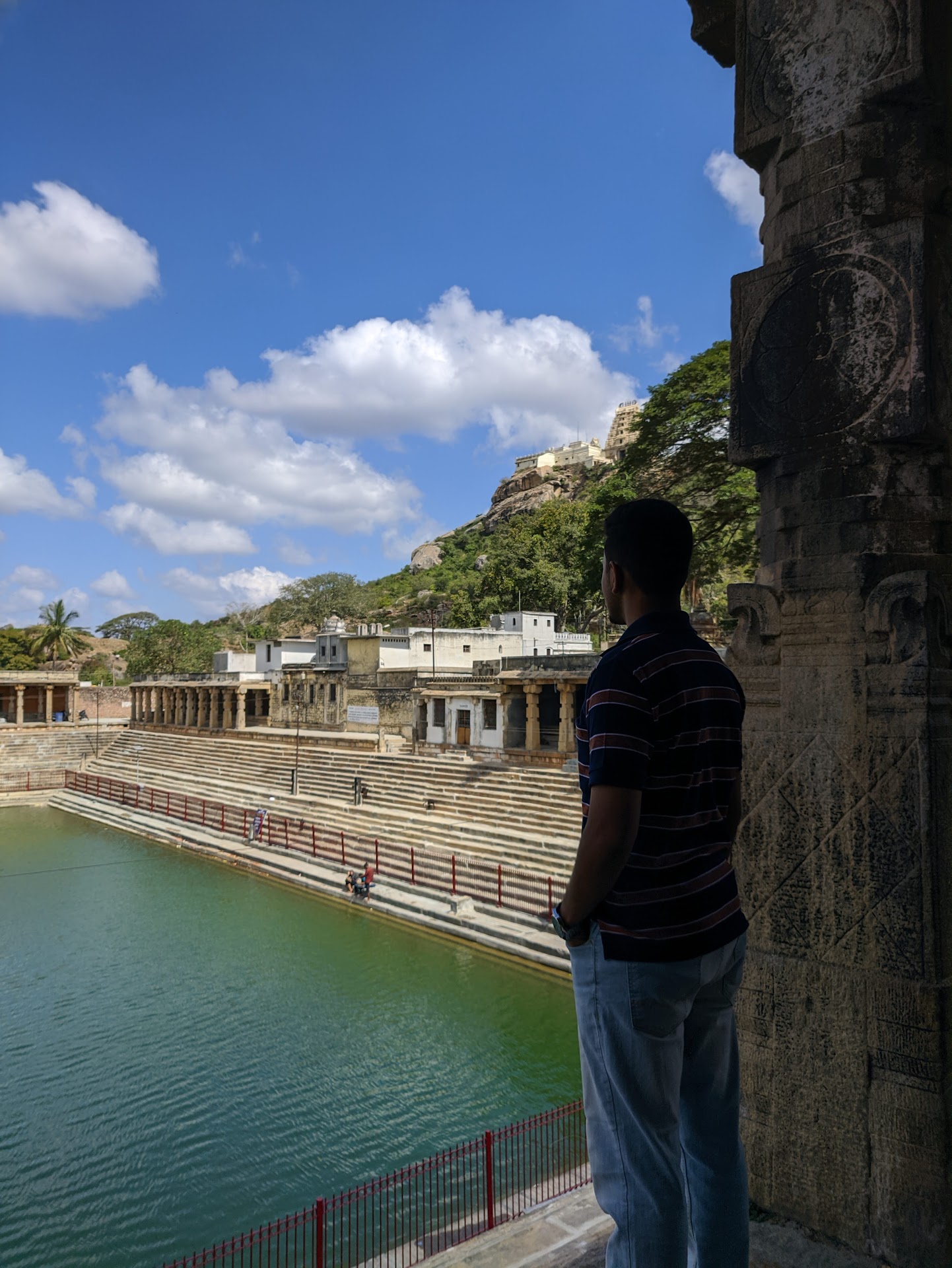
Read moreMelukote Kalyani is not just a water tank; it's a piece of living history and a testament to ancient architectural prowess. Situated in the heart of Melukote, this large, stepped tank is surrounded by ornate pavilions and temples, creating a truly picturesque setting.
The tranquility of this place is palpable. The steps leading down to the water are symmetrically pleasing, and the calm water surface reflects the beautiful sky and the surrounding structures, offering a mesmerizing view, especially during sunrise and sunset. The craftsmanship of the stone structures and the tank itself speaks volumes about the skilled artisans of the past.
This place holds religious significance as well, with many pilgrims and visitors coming here to perform rituals or simply to enjoy the peaceful ambiance. The water in the tank is considered sacred, and you can often see devotees taking a dip.
What's captivating about Melukote Kalyani is its ability to transport you back in time. It's a perfect blend of spiritual, historical, and natural beauty. The site is well-maintained, and its clean surroundings make it a pleasant place for quiet contemplation or a leisurely walk.
Photographers and history enthusiasts will find Melukote Kalyani particularly appealing. Every corner offers a new perspective, a new frame. It's not just a tourist spot; it's a journey into the heart of Karnataka's rich heritage.
A visit to Melukote is incomplete without spending some time at this enchanting Kalyani. Whether you're seeking spiritual solace, historical exploration, or just a moment of peace amidst beautiful surroundings, Melukote Kalyani is the...
Read more