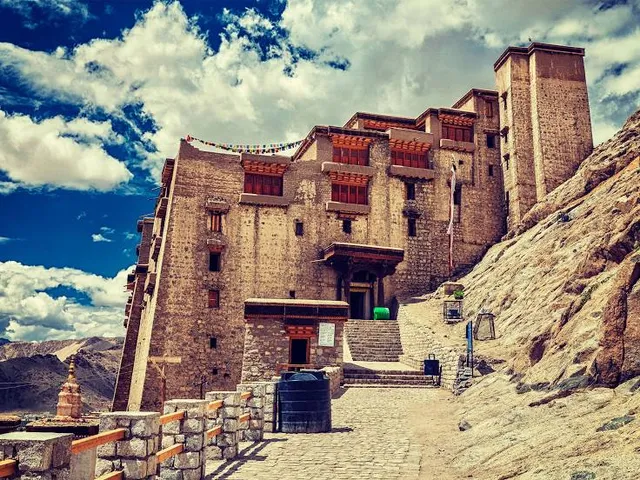
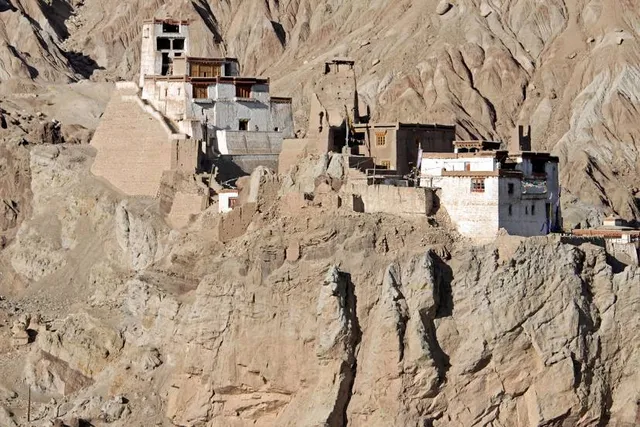
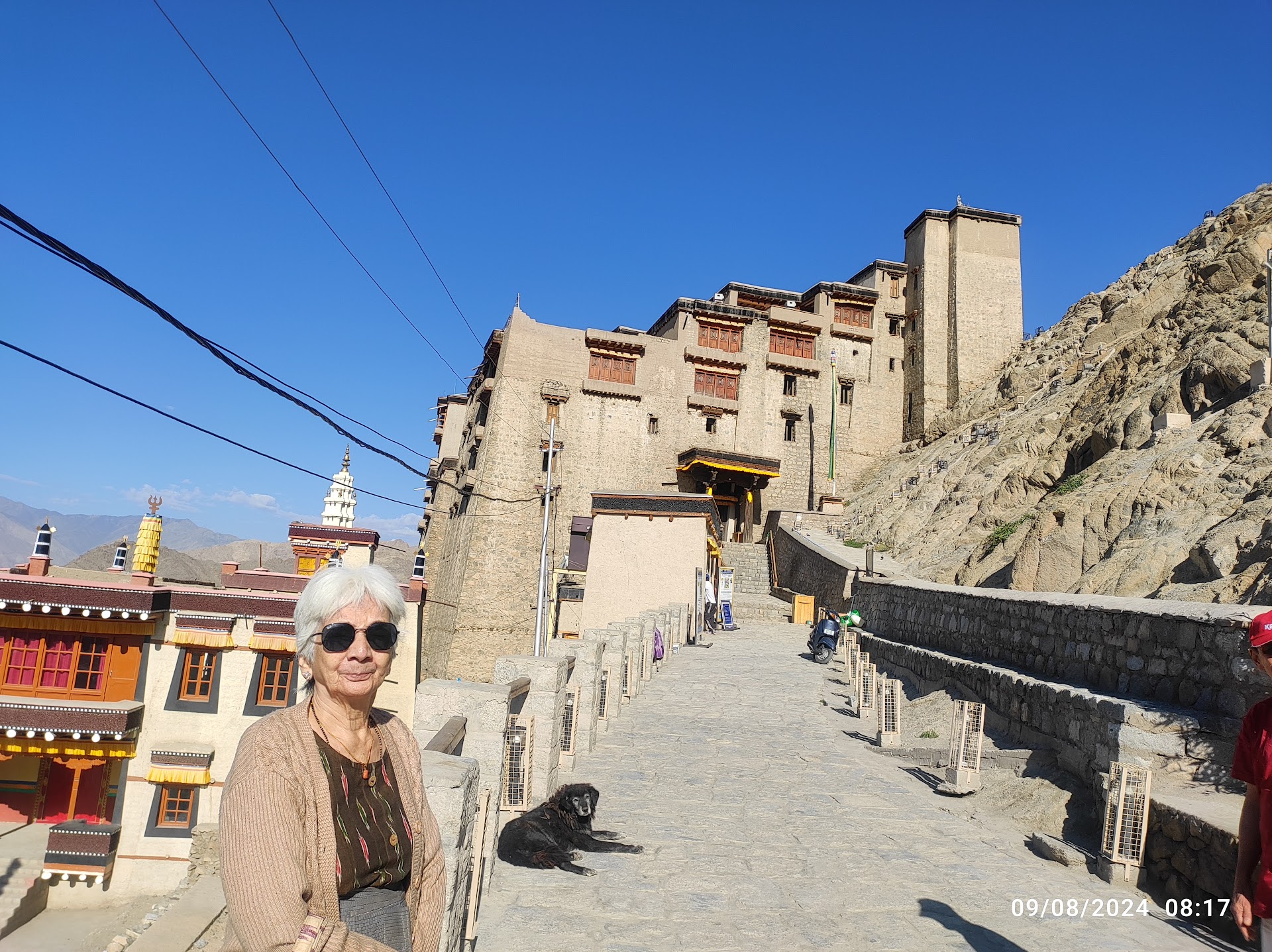
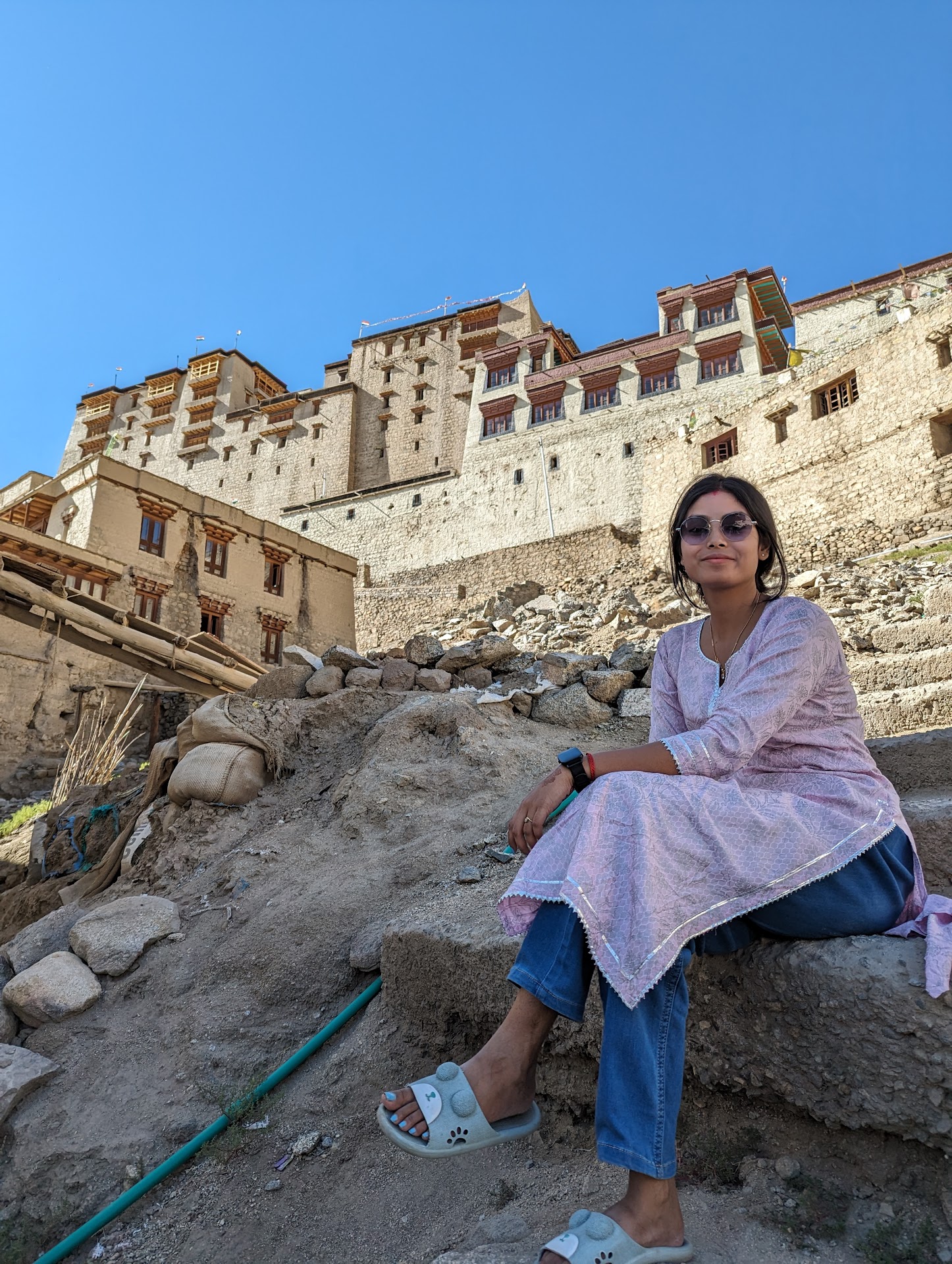
The Leh Palace, a magnificent structure that stands as a testament to the rich history and architectural prowess of the Ladakh region, is one of the most iconic landmarks in northern India. Built in the 17th century by King Sengge Namgyal, this nine-story palace is an extraordinary example of medieval Tibetan architecture. It offers visitors a captivating blend of historical significance, architectural brilliance, and stunning panoramic views of Leh and the surrounding mountains.
Historical Significance
Leh Palace, also known as Lhachen Palkhar, was constructed in the early 1600s and served as the royal residence of the Namgyal dynasty. For centuries, it was the center of political and cultural activity in Ladakh. The palace's strategic location on a hilltop provided not only a commanding view of the region but also served as a defense mechanism against invasions. During its peak, the palace was a bustling hub of administration, art, and culture.
However, in the mid-19th century, the royal family abandoned the palace after the Dogra forces invaded Ladakh, and they relocated to Stok Palace. Since then, Leh Palace has stood as a silent witness to the passing of time, enduring periods of neglect and decay. Despite this, it remains a symbol of Ladakh’s storied past and cultural heritage.
Architectural Brilliance
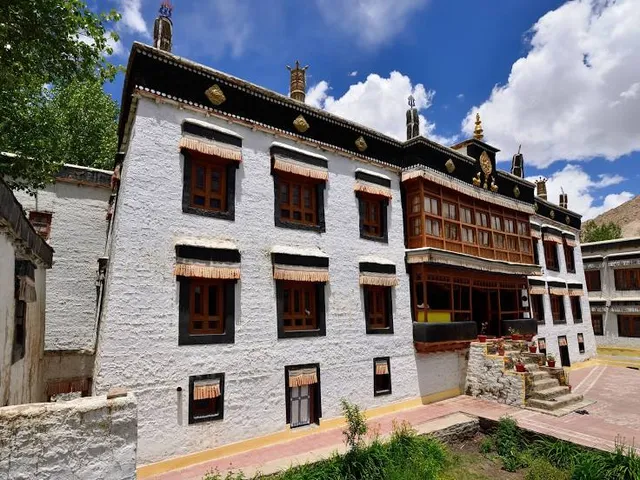
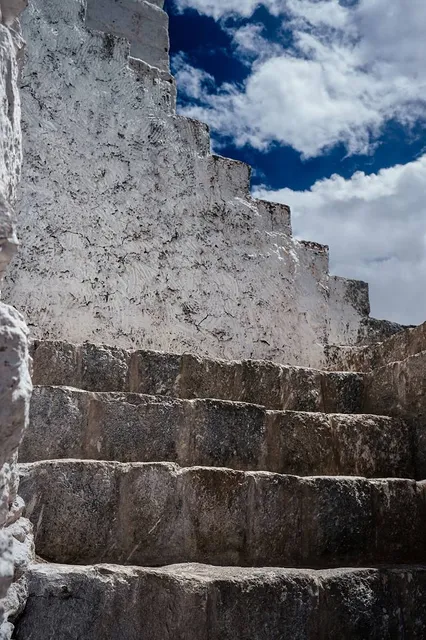
The architecture of Leh Palace is a striking example of medieval Tibetan style, characterized by massive walls, wooden balconies, and intricately carved windows. Constructed from locally available materials like stone, mud, and wood, the palace seamlessly blends with its rugged mountainous surroundings. The building's nine stories are progressively narrower, which gives it a tapering effect, enhancing its imposing presence.
Each floor of the palace had a distinct function, with the lower floors serving as storerooms and stables, the middle floors housing administrative offices, and the upper floors reserved for the royal family. The topmost floor, which includes a prayer room and a royal chapel, offers breathtaking views of the Indus Valley, the Zanskar range, and the distant Stok Kangri peaks.
Cultural and Artistic Treasures
Leh Palace is not just an architectural marvel; it is also a repository of Ladakh's cultural and artistic heritage. The palace once housed a rich collection of paintings, artifacts, and thangkas (Buddhist scroll paintings), some of which date back over 450 years. While many of these treasures have been lost or relocated over time, efforts are ongoing to preserve and restore what remains. The palace's murals and frescoes, though faded, still offer glimpses into the artistic achievements of the period.
Visiting Leh Palace
Today, Leh Palace is managed by the Archaeological Survey of India (ASI) and is open to the public. It attracts history enthusiasts, architecture aficionados, and tourists from around the world. Walking through the palace's ancient corridors, visitors can feel the echoes of the past and gain a deeper appreciation of Ladakh’s history.
The climb to the palace is steep but rewarding, with each level revealing more about the life and times of the Ladakhi royals. The rooftop, with its expansive views, is particularly popular at sunset, offering a tranquil and picturesque end to the visit.
Conclusion
Leh Palace is a jewel of Ladakh, embodying the region's rich cultural heritage and historical depth. Despite the ravages of time, the palace stands as a proud reminder of Ladakh’s royal past and its enduring architectural legacy. A visit to Leh Palace is not just a journey through history, but also an exploration of the timeless beauty and...
Read moreLeh Palace, also known as Lachen Palkhar, is a majestic and historic royal palace located in the town of Leh, in the union territory of Ladakh, India. This imposing nine-story structure, built in the 17th century, is a remarkable example of medieval Tibetan architecture and stands as a testament to the rich cultural heritage and royal history of the region. Perched on a hill overlooking Leh town, the palace offers panoramic views of the surrounding landscape, including the stark mountains of the Himalayas and the sprawling valley below.
The construction of Leh Palace began under the reign of King Tsewang Namgyal, the founder of the Namgyal dynasty, and was completed by his successor Sengge Namgyal around the early 1600s. Sengge Namgyal, often referred to as the "Lion King," is credited with turning Ladakh into a powerful and unified kingdom, and the palace became the royal residence and administrative seat for the Namgyal rulers. It was designed to serve multiple purposes—from royal living quarters and storehouses to military fortifications—reflecting the strategic importance of Ladakh as a kingdom sitting at the crossroads of Central and South Asia.
Architecturally, Leh Palace is inspired by the iconic Potala Palace of Lhasa, Tibet, and embodies traditional Tibetan design principles. It is constructed primarily of stone, timber, and mud bricks, materials that provide both strength and insulation suitable for the harsh climate of this high-altitude region. One of the palace's most striking features is its massive, tapering walls that support the multi-storied structure, with wooden balconies projecting outwards in intricate patterns. The windows of the palace are designed to maximize light intake, especially in the upper stories where the royal family resided, while the lower floors housed stables, store rooms, and armories.
Despite its grandeur, much of Leh Palace is now in a state of partial ruin due to centuries of neglect and natural wear. After the mid-19th century, when Dogra forces took control of Ladakh, the royal family was forced to abandon Leh Palace and relocate to the nearby Stok Palace. Since then, Leh Palace has lost its former glory, although it remains an iconic landmark in the region.
The Archaeological Survey of India (ASI) has taken steps to conserve the palace and prevent further deterioration. Today, the palace functions partly as a museum, housing a rich collection of artifacts, including royal jewelry, crowns, ceremonial dresses, antique weaponry, and intricate Tibetan thangka paintings dating back more than 450 years. These murals and artworks inside the palace retain their vivid colors, derived from crushed precious stones and represent the artistic and spiritual wealth of the Namgyal dynasty.
Visitors to Leh Palace can explore its many levels, wandering through the ancient halls and courtyards, and enjoy breathtaking views from the palace's rooftop, which offers a panoramic vista of Leh town, the Stok Kangri mountain range, and the surrounding rugged terrain. Nearby, visitors can also see other historical structures such as the Namgyal Stupa, the mural-adorned Chandazik Gompa, and the medieval Chamba...
Read moreLeh Palace. ANCIENT PALACE LEH (Gle-Chen dPal-mKhar) Leh palace is an architectural masterpiece and engineering feat of the Namgyal dynasty, the second dynasty of Ladak rulers. The construction of the Palace was completed in a short span of only three years during the reign of Senge Namgyal (C.1590-1635 A.D), the most Illustrious king of Ladakh. The Palace is built in Tibetan architectural style with materials like stones, sun-dried mud bricks, wood of poplar, juniper and willow procured from different areas of Leh. The most impressive feature of the Palace is the high-quality stonework visible in the sharp-edged corners and the gently tapering wall with horizontal timber lacing which prevents vertical cracks in the structure. The size of the window increases from a mere slit at the lower level to highly decorated overhanging balconies at the upper level. It is a great example of the style of architecture represented by Potala Palace in Lhasa (Tibet) and is the highest building of its time in the world The Palace comprises nine levels with over a hundred rooms, however, the purpose of only a few of considerable importance are known. The rooms in the lower levels served for use by staff, servants and as storage silos. The Palace is entered through an elaborately embellished wooden portico gate known as Singe-sgo. (The Lion Gate) at level two. At level fourth is a large open courtyard known as Khatok Chenmo, a platform for social and cultural activities of the royal family as well as a royal shrine The ministers and other members were addressed by the king in the hall of audience located on fifth level in the south-east corner. The living quarters for the royal family were reserved on level sixth while for the royal apartment and chamber of the ki level seventh has been used. The level eighth has few ancillary rooms in the north-east corner and the ninth, apex level comprises of a shrine dedicated to the protector deity of the royal family. The Palace was occupied till the time of the Dogra invasion (1834-40) after which the royal family shifted to Stok Palace since then the Palace remained more or less abandoned, due to which the decay began, both man-made and natural factors played equal role. The Palace was in a ruined state when the Archaeological Survey of India declared the edifice as a Monument of National Importance in the year 1982. Since then ASI carried out restoration and conservation in a phased manner to consolidate the structure thereby infusing a new life in this historic monument and reviving the glory of the Palace. The above info taken from the Information Board installed by The Archeological Survey Of India(ASI) PS. Do read the captions...
Read more