Aurangabad Jama Masjid, often associated with Malik Ambar, is a historical mosque located in Aurangabad, Maharashtra. Malik Ambar was a prominent military leader and statesman of the Deccan Sultanate, specifically the Ahmadnagar Sultanate. Here are the details regarding the mosque's association with Malik Ambar:
Historical Background: Malik Ambar was a key figure in the Deccan region during the late 16th and early 17th centuries. He was an influential military commander and the Prime Minister of the Ahmadnagar Sultanate. His contributions to the region include military campaigns and significant architectural and urban development projects.
Construction of the Mosque: The Jama Masjid in Aurangabad was constructed by Malik Ambar around the early 17th century, specifically between 1612 and 1614. It is one of the notable architectural contributions of Malik Ambar to the city of Aurangabad, which he significantly developed and fortified.
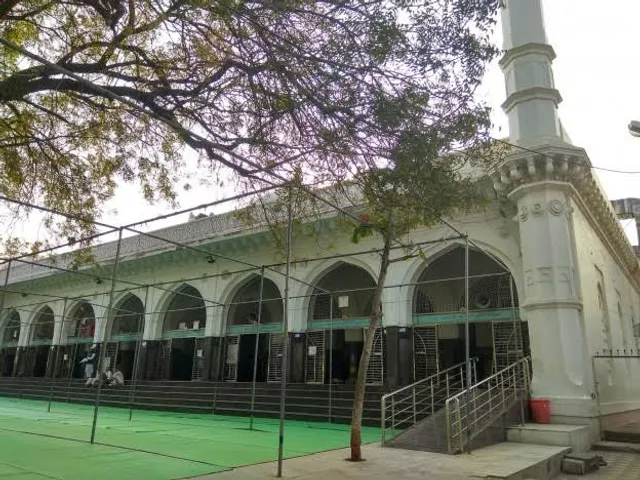
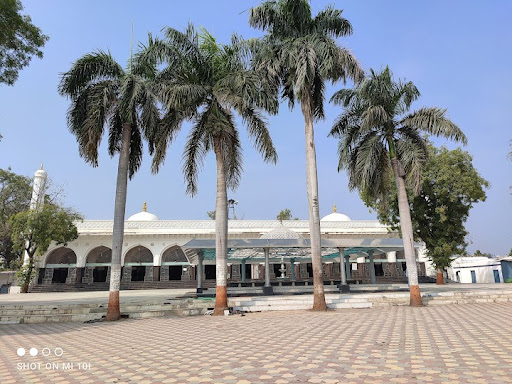
Architectural Features: The mosque is noted for its distinctive architectural style, which includes a large prayer hall and a spacious courtyard. It reflects a blend of Persian and local styles, with features such as large domes, elegant arches, and intricate decorative elements. The mosque’s design incorporates a symmetrical layout and is built using local materials, including red sandstone.
Significance: The Aurangabad Jama Masjid stands as a testament to Malik Ambar’s influence in the region, showcasing his commitment to religious and cultural development. It serves as a historical monument that provides insights into the architectural and cultural landscape of the Deccan Sultanate period.
Current Status: The mosque remains a functioning place of worship and an important historical site in Aurangabad. It attracts visitors who are interested in Mughal and Deccan architecture and history.
The Jama Masjid in Aurangabad reflects the rich history of the Deccan region and the contributions of Malik Ambar, whose legacy is also visible in other architectural and urban developments...
Read moreThe Jama Masjid is a mosque built in 1612 AD, located near the Killa Arrak in Aurangabad, Maharashtra, India. It is historically significant because it was constructed in 1612 AD,[1] very soon after the foundation of Aurangabad (then called "Khadki") by Malik Amber in 1610 AD. The mosque was later extended by Aurangzeb(R.H) in the year 1692 AD, it is one of the oldest mosques of Aurangabad which is still in good condition.
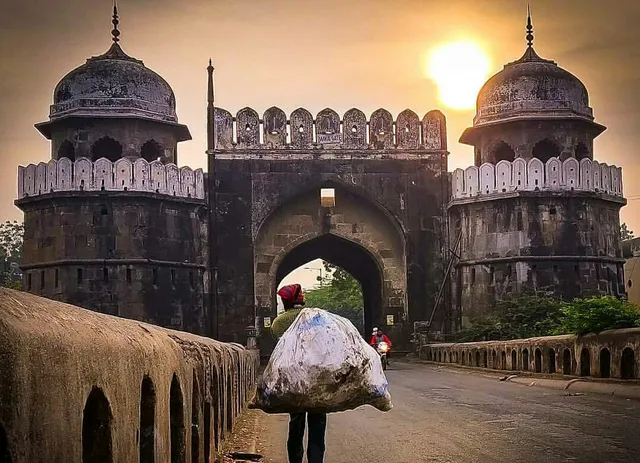
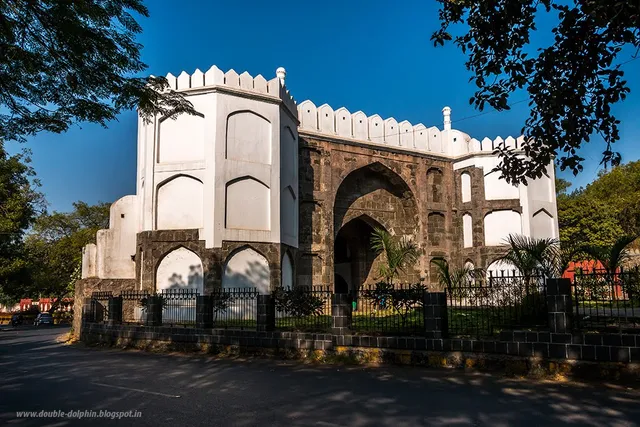
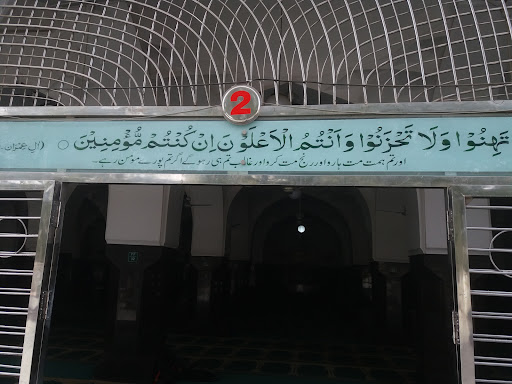
The mosque was constructed by Malik Amber in 1612 AD, once he found the city Kharaki in 1610 AD, and when Malik Ambar died in 1626 AD, and succeeded by his son Fateh Khan who changed the name of Khadki to "Fatehnagar". When Mughalscaptured Daulatabad in 1633 AD, the Nizam Shahidominions, including Fatehnagar, fell under the possession of the Mughals. In 1653 AD, when Prince Aurangzeb was appointed the viceroy of the Deccanfor the second time, he made Fatehnagar his capital and called it Aurangabad and built the fort Killa Arrak near the mosque, upon which the mosque felt in the boundaries of the fort walls expanding from Delhi gate to Mecca Gate. Realizing the architecture values of the mosque, Aurangzeb extended the mosque by constructing four Arches in the front portion in 1692 AD.[2] The low buildings are embraced by groves and are embellished by sleek minarets and a broad band where Quranic inscriptions are inscribed on it.[3]Among the magnificent fort, Amkhar (Public Hall) and Jama Masjid are the only structures still remain in good...
Read moreMashaAllah Beautiful Historical And Peaceful Mosque In Aurangabad 431001 Maharashtra MH20. The Jama Masjid is a mosque built in 1612 AD, located near the Killa Arrak in Aurangabad, Maharashtra, India. It is historically significant because it was constructed in 1612 AD, very soon after the foundation of Aurangabad (then called "Khadki") by Malik Amber in 1610 AD. The mosque was later extended by Aurangzeb (R.H.) in the year 1692 AD, it is one of the oldest mosques of Aurangabad which is still in good condition. The mosque was constructed by Malik Amber in 1612 AD, once he found the city Kharaki in 1610 AD, and when Malik Ambar died in 1626 AD, and succeeded by his son Fateh Khan who changed the name of Khadki to "Fatehnagar". When the Mughals captured Daulatabad in 1633 AD, the Nizam Shahi dominions, including Fatehnagar, fell under the possession of the Mughals. In 1653 AD, when Prince Aurangzeb (R.H.) was appointed the viceroy of the Deccan for the second time, he made Fatehnagar his capital and called it Aurangabad and built the fort Killa Arrak near the mosque, upon which the mosque felt in the boundaries of the fort walls expanding from Delhi gate to Mecca Gate. Realizing the architecture values of the mosque, Aurangzeb (R.H.) extended the mosque by constructing four arches in the front portion in 1692 AD. Among the magnificent fort, Amkhar (Public Hall) and Jama Masjid are the only structures still remain in...
Read more