Ahilyabai was born on May 31, 1725, in the village of Chondi, Taluka Jamkhed District, in Ahmednagar, Maharashtra. Her father, Mankoji Shinde, was the patil of the village, a member of the proud Dhangar community. Women then did not go to school, but Ahilyabai's father taught her to read and write.
Her entrance onto the stage of history had been accidental. Malhar Rao Holkar, a commander in the service of the Peshwa Bajirao and lord of the Malwa territory, stopped in Chondi on his way to Pune and, according to legend, saw the eight-year-old Ahilyadevi at the temple service in the village. Recognizing her piety and her character, he brought the girl to the Holkar territory as a bride for his son, Khanderao Holkar (1723–1754). They were married in 1733.
Ahilyadevi’s husband died in battle in 1754. Twelve years later, her father-in-law, Malhar Rao Holkar died. From 1766 until her death in 1795, she ruled Malwa, trained in both administrative and military matters by Malhar Rao. A letter to her from Malhar Rao in 1765 illustrates the trust he had in her ability during the tempestuous battle for power in the eighteenth century:
Proceed to Gwalior after crossing the Chambal. You may halt there for four or five days. You should keep your big artillery and arrange for its ammunition as much as possible…. On the march you should arrange for military posts being located for protection of the road."
Already trained as a ruler, Ahilyadevi petitioned the Peshwa after Malhar’s death, and the death of her son, to take over the administration herself. Some in Malwa objected to her assumption of rule, but the army of Holkar expressed enthusiasm about the prospect of her leadership. She had led them in person, with four bows and quivers of arrows fitted to the corners of the howdah of her favorite elephant. The Peshwa granted permission, and, with Tukoji Holkar (Malhar Rao's adopted son) as the head of military matters, she proceeded to rule Malwa in a most enlightened manner, even reinstating a Brahmin who had opposed her. Ahilyadevi never observed purdah but held daily public audience and was always accessible to anyone who needed her ear.
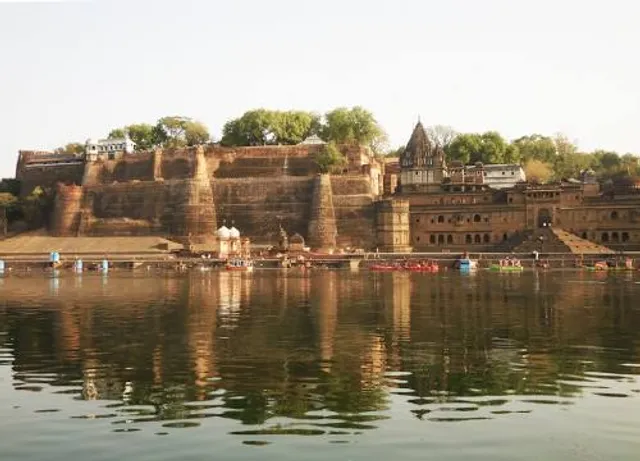
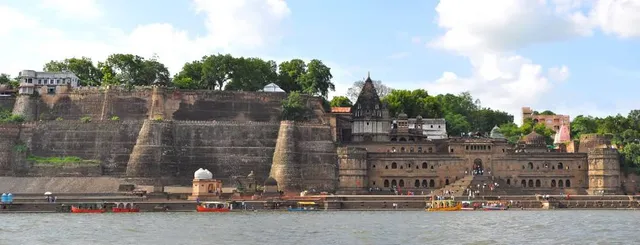
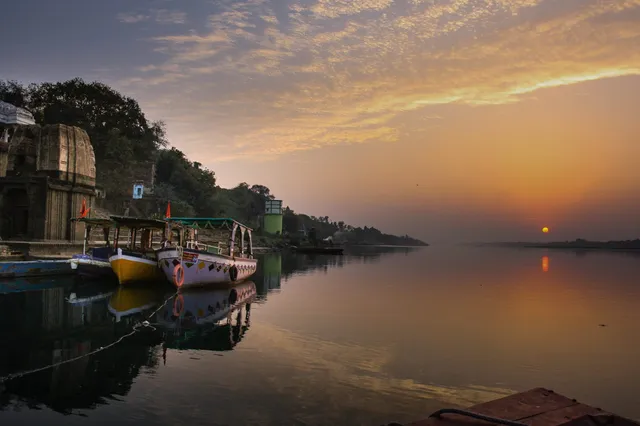
Her achievements She developed Indore from a small village to a prosperous and beautiful city. She made Maheshwar, a town on the banks of the Narmada river, her own capital. Ahilyadevi built forts and roads in Malwa, sponsored festivals and served as a patron for many Hindu temples. Outside Malwa, she built dozens of temples, ghats, wells, tanks, and rest-houses across an area stretching from the Himalayas to pilgrimagecenters in South India. The Bharatiya Sanskritikosh lists as sites she embellished, Kashi, Gaya, Somnath, Ayodhya, Mathura, Hardwar, Kanchi, Avanti, Dwarka, Badrinarayan, Rameshwar, and Jaganathpuri. Ahilyadevi also rejoiced when she saw bankers, merchants, farmers, and cultivators rise to levels of affluence, but rejected claims to any of that wealth, be it through taxes or feudal right. She financed all her activities with the lawful gains obtained from a happy and prosperous land.
Since India's independence, the city of Indore, when compared to neighboring Bhopal, Jabalpur, or Gwalior, has progressed dramatically: economically, through business and financial development, and politically through the development of efficient administration. The local population proudly states that they live in 'mini-Mumbai', a reference to the great metropolis 600 kilometers away. Ahilyadevi’s legacy of good deeds, her dedication to religion, and her policies served to enrich the city into the...
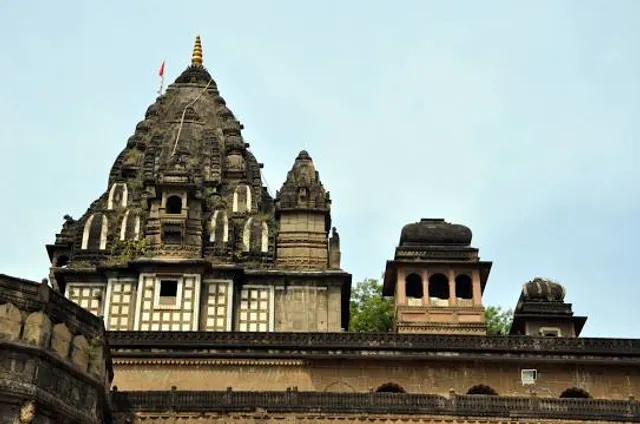
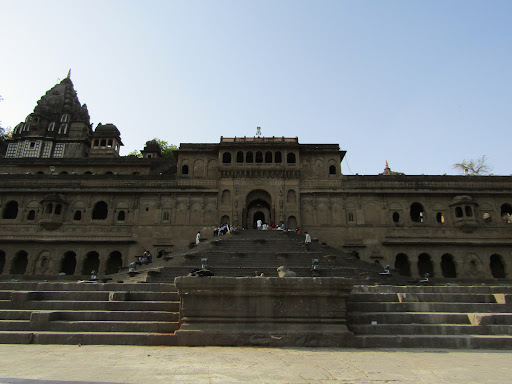
Read moreIt should be in your must visit list while you are in Maheshwar. Lots of other tourist point of Interests are nearby in walking distance.
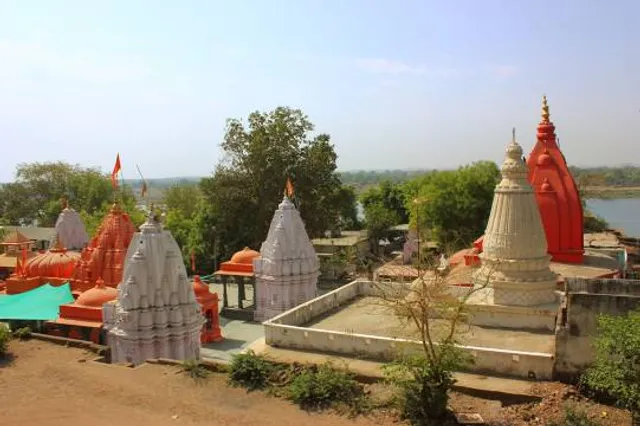
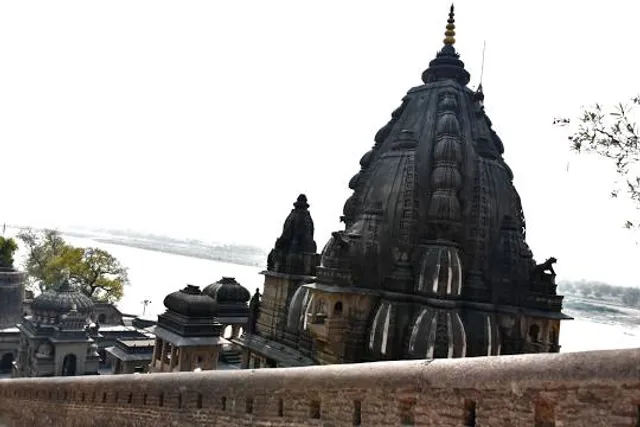
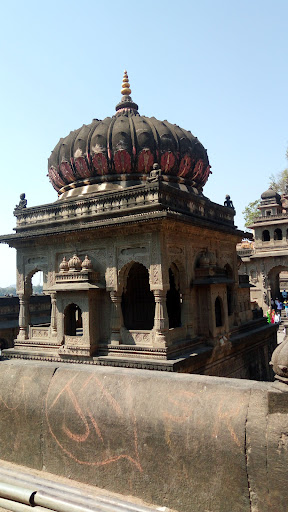
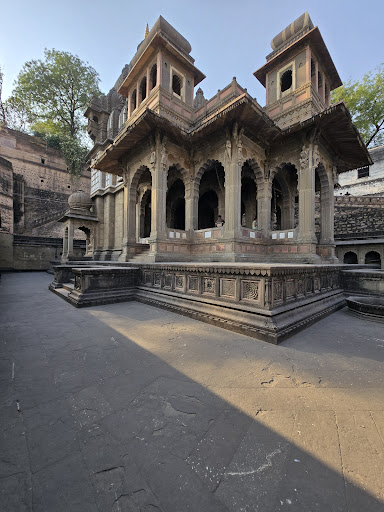
Ahilyabai Temple, Maheshwar, Madhya Pradesh, India.
A person whose good work definitely made her a goddess!
Maharani Ahilyadevi Holkar (31 May 1725 – 13 August 1795) was the Holkar Queen of the Dhangar Malwa kingdom, India. Rajmata Ahilyabai was born in the village of Chondi in Jamkhed, Ahmednagar, Maharashtra.
Ahilyabai's husband Khanderao Holkar was killed in the battle of Kumbher in 1754. Twelve years later, her father-in-law, Malhar Rao Holkar, died. A year after that she was crowned as the queen of the Malwa kingdom.
Rani Ahilyabai was a great pioneer and builder of Hindu temples. She built hundreds of temples and Dharmashala throughout India. Some are:
Amarkantak- Shri Vishweshwar Temple, Kotithirth Temple, Gomukhi Temple, Dharamshala, Vansh Kund
Ayodhya (U.P)– Built Shri Ram Temple, Shri Treta Ram Temple, Shri Bhairav Temple, Nageshwar/Siddhnath Temple, Sharayu Ghat, well, Swargadwari Mohatajkhana, Dharamshalas
Badrinath (Uttarakhand) – Badrinath Temple, Shri Kedareshwar and Hari Temples, Dharamshalas
Dwarka (Gujarat) – Mohatajkhana, Pooja House
Gangotri – Vishwanath, Kedarnath, Annapurna and Bhairav Temples, many Dharmashalas
Gaya (Bihar) – Vishnupad
Haridwar – Kushawarth Ghat
Indore – Many Temples and ghats
Kedarnath – Dharmashala and Kund
Maheshwar – Hundreds of temples, ghats, dharmaShalas and houses
Omkareshwar (MP) – Mamaleshwar Mahadev, Amaleshwar, Trambakeshwar Temples (Jirnnodhar), Gauri Somnath Temple, Dharmashalas,
Prayag (Allahabad UP) – Vishnu Temple, Dharmashala, Garden, Ghat, Palace
Puri (Odisha) – Shri Ramchandra Temple, Dharmashala and Garden
Pushkar – Ganpati Temple, Dharmashala, Garden
Rameswaram (TN) – Hanuman Temple, Shri Radha Krishna Temple, Dharmashala, Well, Garden etc.
Rishikesh – Many temples including Shrinathji and Govardhan ram temples
Ujjain (MP) – Chintaman Ganapati, Janardhan, Shrilila urushottam, Balaji Tilakeshwar, Ramjanaki Ras Mandal, Gopal, Chitnis, Balaji, Ankpal, Shiv and many other temples, 13 ghats, well and many Dharmashalas etc.
Varanasi – Kashi Vishwanath Temple (1780), Shri Tarakeshwar, Shri Gangaji, Ahilya Dwarkeshwar, Gautameshwar, Many Shiva Temples; Ghats...
Read moreCentral to the Ahilya Fort complex, known locally as Ahilyabai’s Chatri, it was built in honor of Maharani Devi Ahilyabai, the great Queen who brought the capitol of her dynasty to Maheshwar on the ghats of Narmada nearly 300 years ago. She was such a beloved figure - she brought peace and prosperity to the area. In the inner sanctum resides a Shivalingam and beautiful marble statue of Ahilyabai. the style of carving reflects the masterful artisan's work commissioned by Ahilyabai in her lifetime. this architecture lends its design to the borders of the sarees also commissioned by Ahilyabai and which are still woven today by her ancestor's revival of weaving sanctioned by their NGO Rehwa Society. Her support of the Arts was one of the many reasons that Ahilyabai Devi was and still is such a beloved Queen as well as Saint of...
Read more