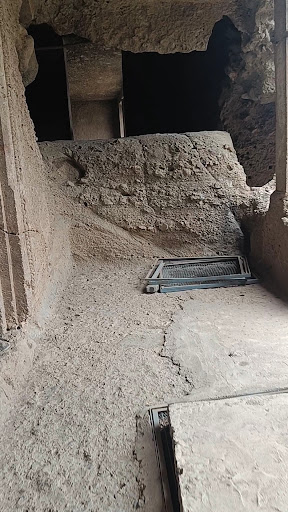
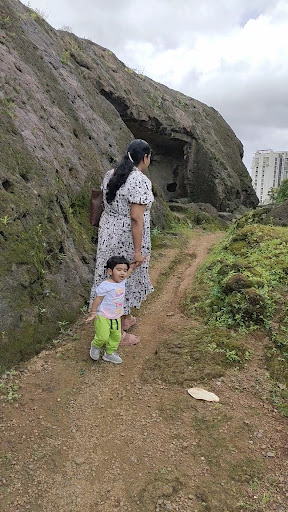
historical review on the Mahakali Caves located in Mumbai:
Mahakali Caves – A Forgotten Buddhist Legacy in the Heart of Mumbai
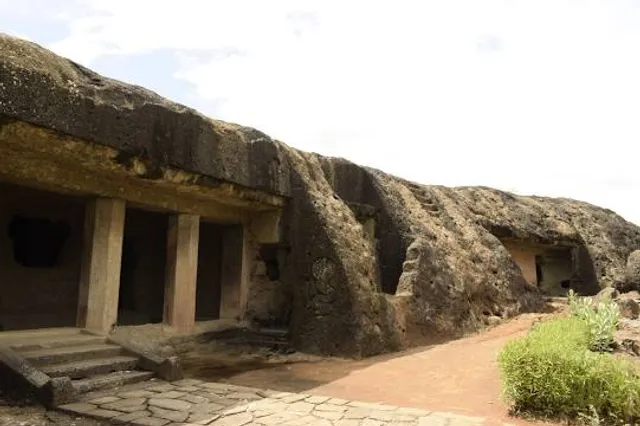
Tucked away in the bustling suburb of Andheri East, Mumbai, the Mahakali Caves—also known as Kondivite Caves—stand as a silent witness to a once-thriving Buddhist culture that flourished over a millennium ago. These ancient rock-cut monuments are among the lesser-known historical treasures of the city, overshadowed by the popularity of Elephanta Caves or Kanheri Caves, but they hold a unique charm and archaeological significance.
Historical Background
The Mahakali Caves date back to between the 1st century BCE and 6th century CE, during the time when Buddhism was a dominant religious and cultural force in western India, particularly under the patronage of the Satavahana dynasty and later the Mauryas and early Guptas. The caves are believed to have been excavated by Buddhist monks who settled in the area and created a monastic complex for meditation, education, and religious activities.
Originally known as Kondivite, the site likely derived its name from the village of Kondivita which existed before the urban sprawl of Mumbai consumed it. The current name "Mahakali" is a more recent attribution, based on the locality, and is not historically related to the Hindu goddess Mahakali.
Architectural Layout
The Mahakali Caves are divided into two groups—a northern and a southern cluster, comprising a total of 19 rock-cut caves. These caves are carved out of basalt rock, typical of the Deccan plateau, and exhibit characteristics of early Hinayana (Theravāda) Buddhism, where Buddha is represented in symbolic forms such as stupas, footprints, and thrones rather than human form.
Northern Group
This section includes smaller viharas (monk cells) and is relatively less ornate. These caves were primarily used as monastic dwellings and contain simple rock-cut benches and cells.
Southern Group
The southern group contains the more elaborate structures, including:
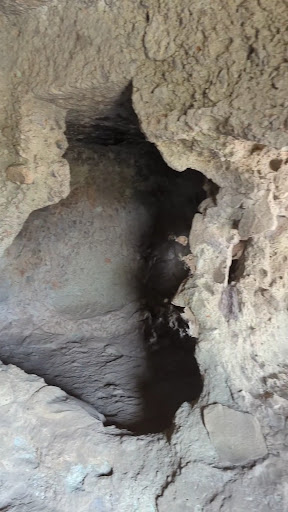
Cave 9: The most significant cave of the group, serving as a Chaitya-griha (prayer hall). It features a large stupa in the center and a semicircular apse, typical of early Buddhist chaityas. The stupa is flanked by pilasters with intricate carvings.
Cave 4: Notable for its sculptural panels depicting figures such as Buddhist guardians, possibly yakshas, and symbolic depictions of the Buddha.
Several caves also contain stone-cut benches, cisterns for water storage, and traces of inscriptions in Pali and early Brahmi script.
Religious and Cultural Significance
Mahakali Caves served as an important Buddhist monastic center during the early centuries of the Common Era. It functioned both as a spiritual retreat and a place for scholarly activity. The monks here likely participated in the dissemination of Buddhist teachings and may have served as a waystation for pilgrims and traders traveling along ancient trade routes that connected the Deccan with the Konkan coast.
The absence of Mahayana-style imagery (such as Bodhisattvas or human depictions of the Buddha) suggests the caves were excavated before Mahayana Buddhism became prevalent in western India.
Current Condition and Conservation
Despite their historical value, the Mahakali Caves have suffered from years of neglect, urban encroachment, and environmental damage. Their proximity to industrial estates and residential buildings in Andheri has taken a toll on the site's preservation. Vandalism and graffiti have also marred some of the interiors.
However, in recent years, the Archaeological Survey of India (ASI) has taken steps toward conservation, including fencing the area, installing informative signboards, and regulating public access.
Visiting Experience
Unlike the more commercialized heritage sites of Mumbai, Mahakali Caves offer a serene and contemplative experience. The caves are set on a small hillock surrounded by greenery, offering views of the urban skyline in stark contrast to the ancient stillness...
Read moreMahakali Cave is a truly awe-inspiring and spiritual place that offers a unique experience for anyone visiting Kathmandu. Tucked away in the serene surroundings of Nagarjun Municipality, this sacred site provides a perfect sanctuary for those seeking solace and introspection.
Upon arriving at the cave, I was immediately struck by the striking natural beauty that surrounds it. The lush greenery and tranquil ambiance set the perfect tone for the spiritual journey that lay ahead.
As I ventured into the depths of the cave, I was captivated by the mysterious and mystical atmosphere. The intricate rock formations and the dimly lit passages filled me with a sense of wonder and reverence. The air was cool and refreshing, adding to the sense of mystique that enveloped the cave.
One of the most remarkable aspects of Mahakali Cave is the spiritual significance it holds for practitioners of Hinduism and Buddhism. The cave is adorned with ancient symbols and carvings, each carrying profound meanings and stories from the bygone eras. It was a humbling experience to witness firsthand the convergence of these two ancient faiths within the confines of the cave.
The peaceful ambiance of the cave provided an ideal setting for meditation and contemplation. I found myself absorbed in deep reflection, far away from the hustle and bustle of modern life. The serene environment and the gentle echoes of silence created an atmosphere of tranquility that was truly rejuvenating.
I was also fortunate to meet some friendly and knowledgeable locals who shared fascinating insights into the history and spiritual significance of the cave. Their warmth and hospitality added a personal touch to my visit, making it all the more memorable.
One cannot overlook the breathtaking panoramic views of the surrounding natural landscape that Mahakali Cave offers. From the elevated vantage points near the cave, I was treated to sweeping vistas of the lush hills and distant mountains, a sight that will stay with me for a lifetime.
In conclusion, my visit to Mahakali Cave was a deeply meaningful and enriching experience. Whether you seek spiritual rejuvenation, cultural exploration, or simply a moment of tranquil solitude, this sacred site offers something truly special. I highly recommend a visit to Mahakali Cave for anyone traveling to Kathmandu. It is a gem that deserves to be discovered and cherished by all who appreciate the wonders of the natural world and the depths of spiritual heritage.
I left Mahakali Cave with a profound sense of awe and gratitude, carrying with me memories and insights that will forever resonate...
Read morea hidden gem in Mumbai Located just few kms away from Andheri Station (East ) , one can easily visit the caves via bus no. 333 . These Buddhist cave complex dates back to 1st BCE . some renovation work is going on in the caves but still the place is nicely maintained and the area is quite peaceful. One can spend few hours admiring the charm of nature. The place is frequently visited by locals specially college couples so one can expect bit of public display of affection.These caves are age old and located in Andheri. Watching this marvelous structure is so beautiful. Wish it was properly maintained. It took us lot of time to get hold of its entry as there were no billboards. They are situated at lower level than road, thus difficult to catch hold of until you have exact GPS location. Carry water along and preferably wear comfortable sport shoes.These caves are very old and strong enough to hold themselves. The main and best thing is that visiting this place is free. Anyone can come and relax the view of JVLR Road from Mahakali Caves make you forget everything whatever you are worried about. The park made in there is also good and the scene from the top of the caves is just tremendous and you will love it.This one which stands out odd and still manages to exist in the crowd of the Mumbai residence and offices. If you manage to visit this place you surely had a good ride and long wait not in any queues but in the midst of traffic and noise of the vehicles and finally reached at a place of peace and rest. There's not much to see here but you can surely have a gilmpse of the...
Read more