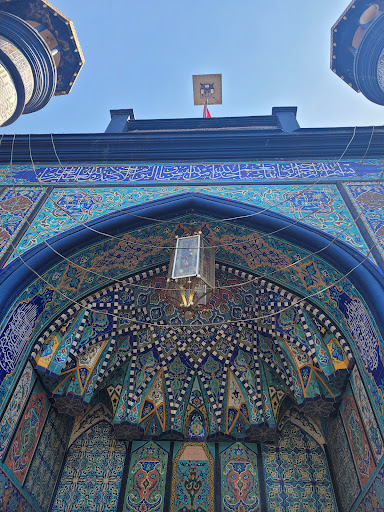
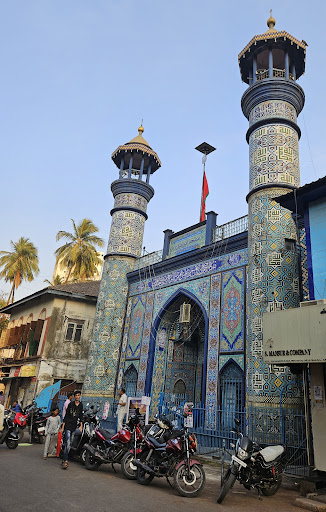
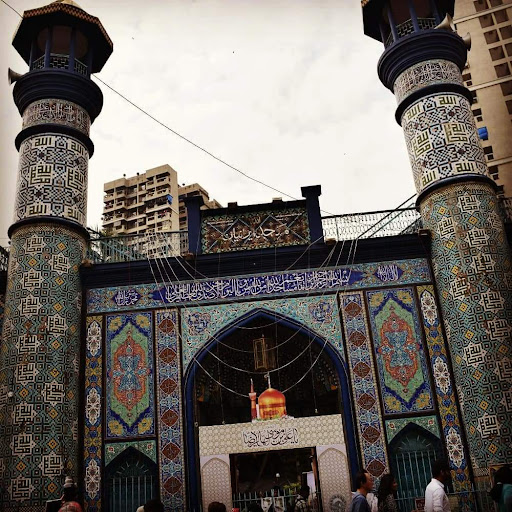
Mughal Masjid things to do, attractions, restaurants, events info and trip planning
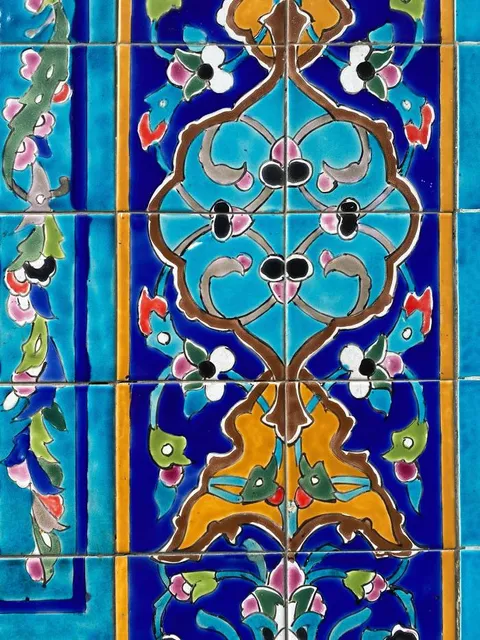
Basic Info
Mughal Masjid
Imamwada Road, Bhendi Bazaar, Umerkhadi, Mumbai, Maharashtra 400009, India
4.7(631)
Open 24 hours
Save
spot
spot
Ratings & Description
Info
Cultural
Accessibility
attractions: Raudat Tahera, Umarkhadi Cha Raja, Native Milk, Gol Deval Temple, Dongricha Raja CHINCHBUNDER DONGRI SARVAJANIK GANPATI USTAV, Surya Mandir (Sun Temple) Mumbai, Shri Mumbai Panjrapole, Mastan YMCA, Magen David Synagogue, restaurants: Shalimar Restaurant, Shalimar Restaurant, Rehmania Restaurant, Cafe Kausar, Shabbir's Tawakkal Sweets, Baker's Royale, Lime & Spice Restaurant - Best Family Restaurant in Mumbai, Cafe Nizari, Fried Chicken Cuisine (FCC), Zam Zam Sweet & Bakery, local businesses: Iranian Sweets Palace, Tawakkal Sweets, Taj Icecream, Ajwaa Sweets Dongri Mumbai nishan pada road opposite noor masjid, Tayba gold and diamond LLP, Noor Sweets, Mumbadevi Temple, Asian dryfruits, MORADABAD METAL HOUSE, Hira Mistan(Hira Sweets)
 Learn more insights from Wanderboat AI.
Plan your stay

Pet-friendly Hotels in Mumbai
Find a cozy hotel nearby and make it a full experience.

Affordable Hotels in Mumbai
Find a cozy hotel nearby and make it a full experience.

The Coolest Hotels You Haven't Heard Of (Yet)
Find a cozy hotel nearby and make it a full experience.

Trending Stays Worth the Hype in Mumbai
Find a cozy hotel nearby and make it a full experience.
Reviews
Live events
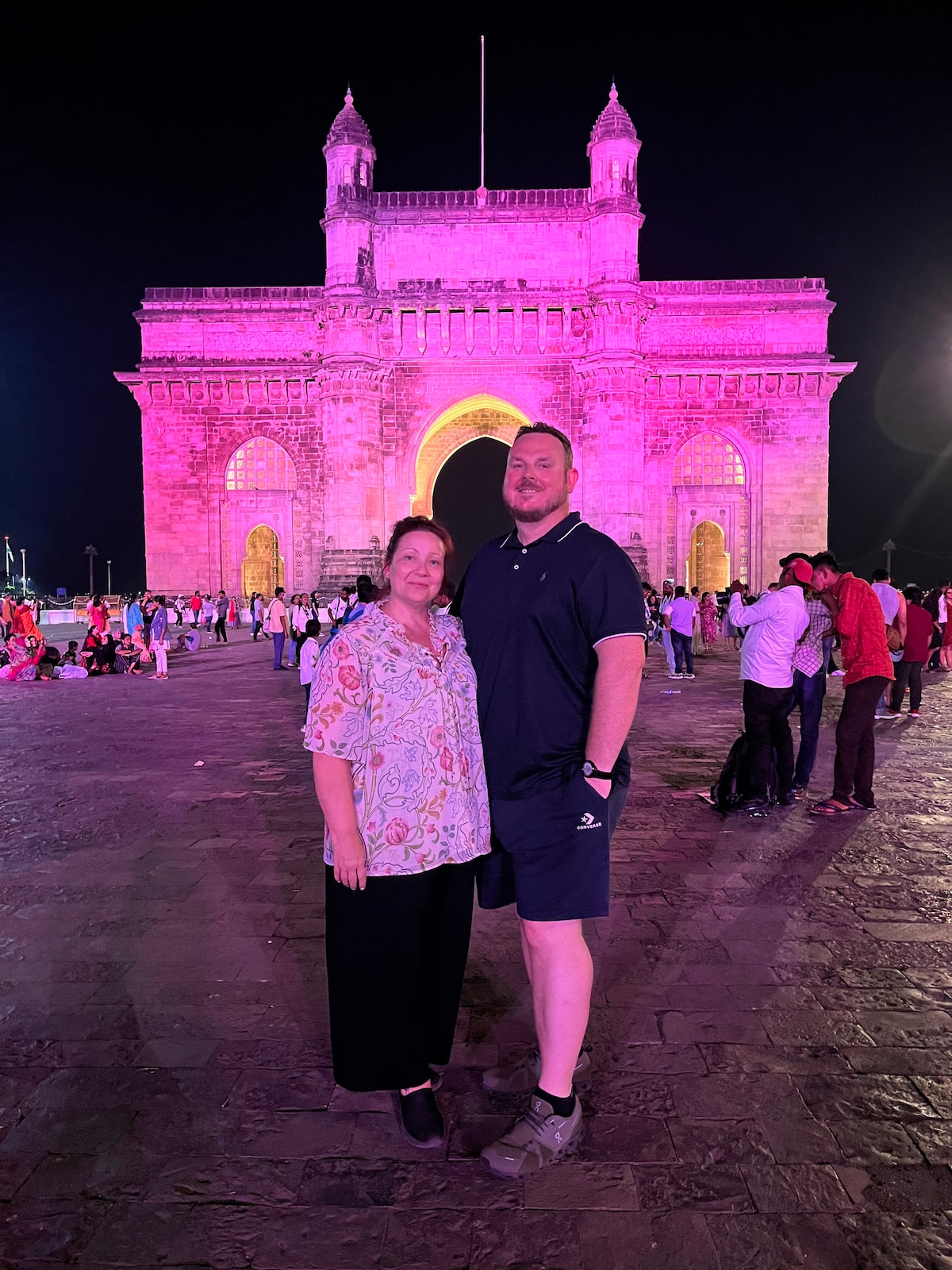
Explore iconic sights Of Mumbai in Four Hours
Sun, Mar 1 • 7:00 PM
Mumbai, Maharashtra, 400001, India
View details
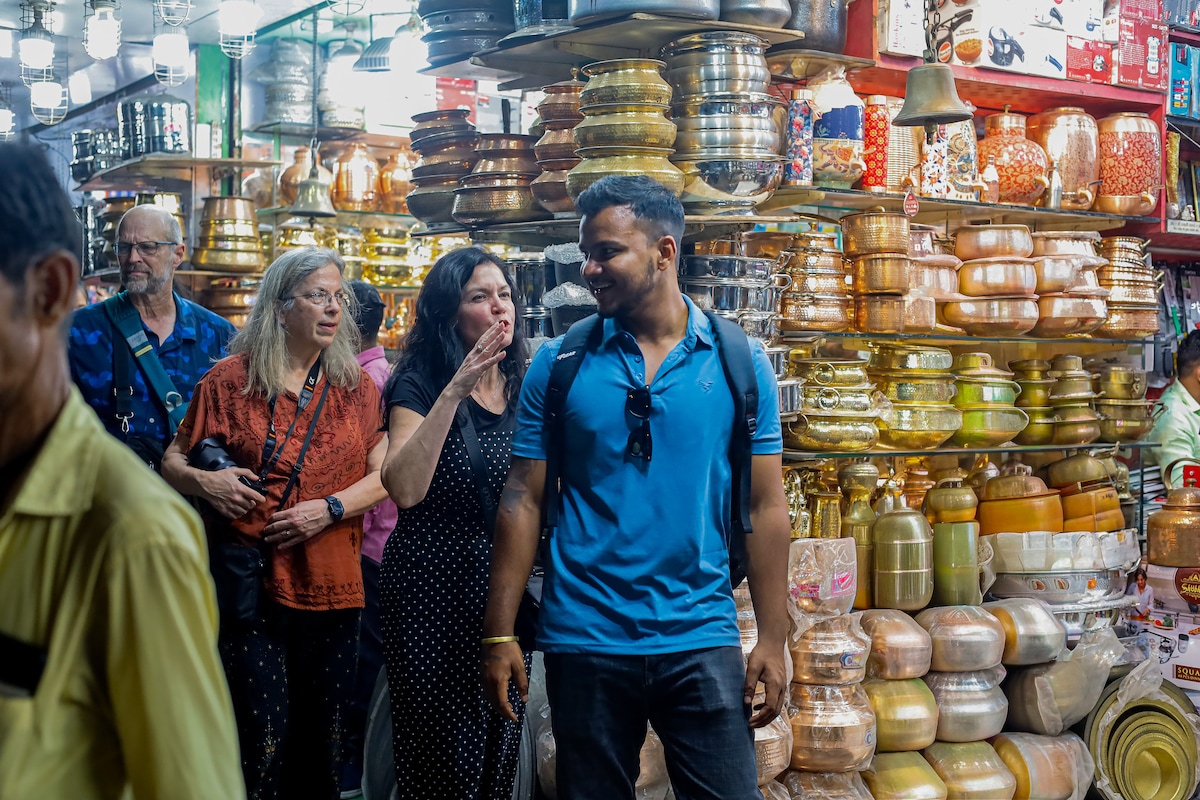
Mumbai Street Food and Local Market Tour
Wed, Feb 25 • 5:00 PM
Opposite to Churchgate Railway Station Mumbai, Maharashtra, 400020, India
View details
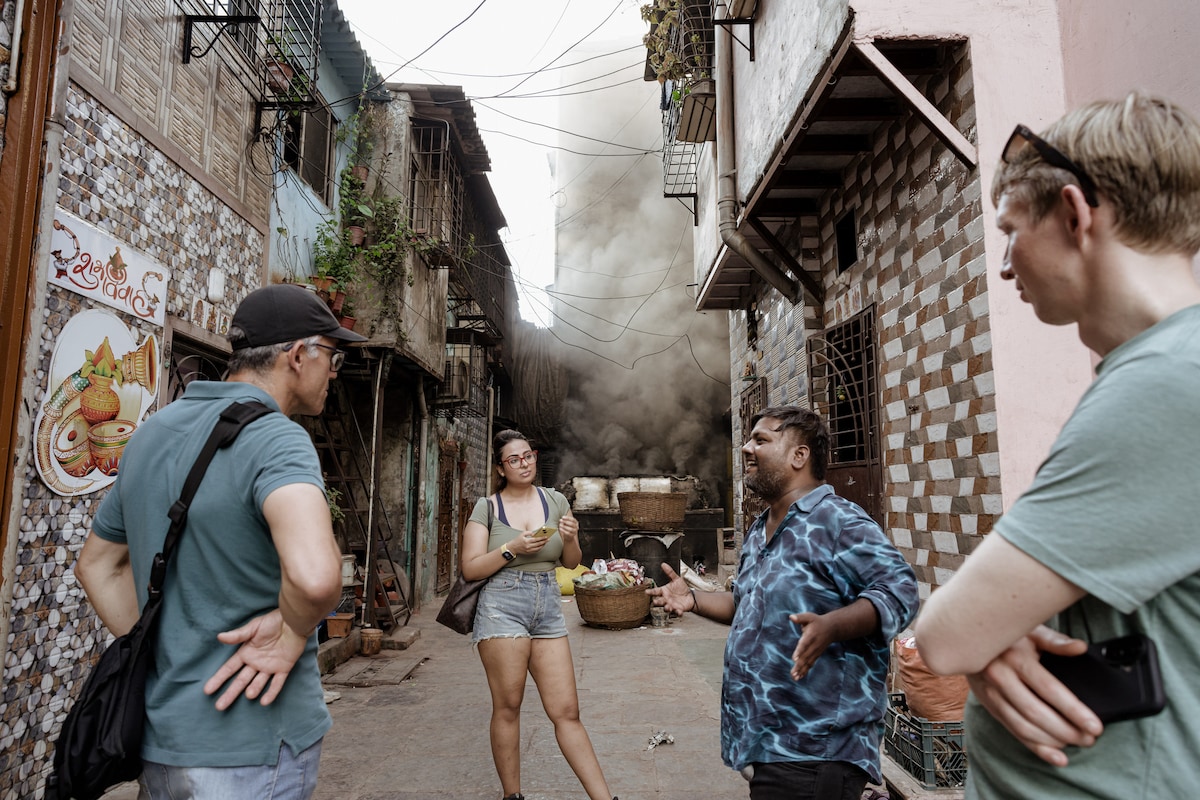
Dharavi Slum Tour with Optional Dhobi ghat Laundry
Wed, Feb 25 • 9:30 AM
Mumbai, Maharashtra, 400016, India
View details
Nearby attractions of Mughal Masjid
Raudat Tahera
Umarkhadi Cha Raja
Native Milk
Gol Deval Temple
Dongricha Raja CHINCHBUNDER DONGRI SARVAJANIK GANPATI USTAV
Surya Mandir (Sun Temple) Mumbai
Shri Mumbai Panjrapole
Mastan YMCA
Magen David Synagogue
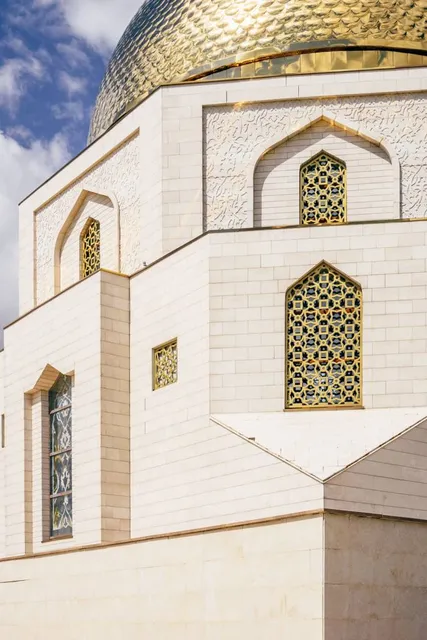
Raudat Tahera
4.9
(1.4K)
Closed
Click for details
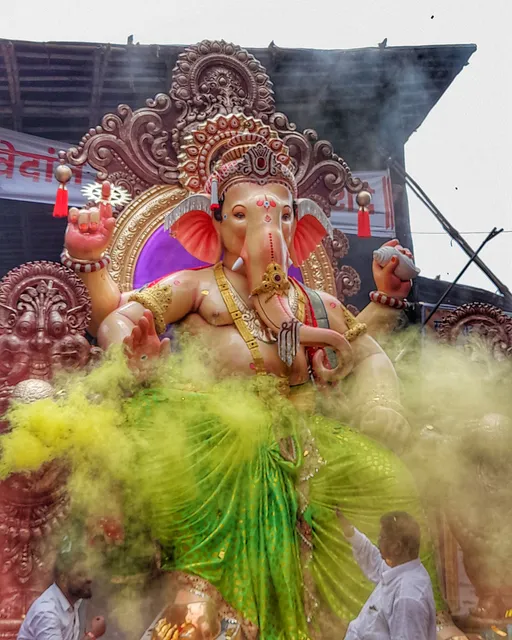
Umarkhadi Cha Raja
4.6
(309)
Open 24 hours
Click for details

Native Milk
4.4
(167)
Closed
Click for details
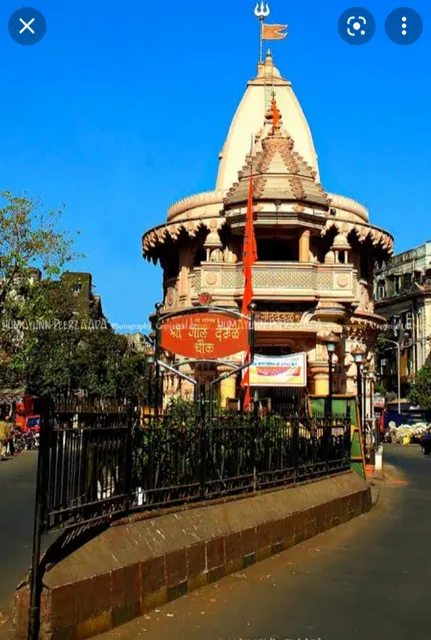
Gol Deval Temple
4.4
(2.4K)
Open 24 hours
Click for details
Nearby restaurants of Mughal Masjid
Shalimar Restaurant
Shalimar Restaurant
Rehmania Restaurant
Cafe Kausar
Shabbir's Tawakkal Sweets
Baker's Royale
Lime & Spice Restaurant - Best Family Restaurant in Mumbai
Cafe Nizari
Fried Chicken Cuisine (FCC)
Zam Zam Sweet & Bakery
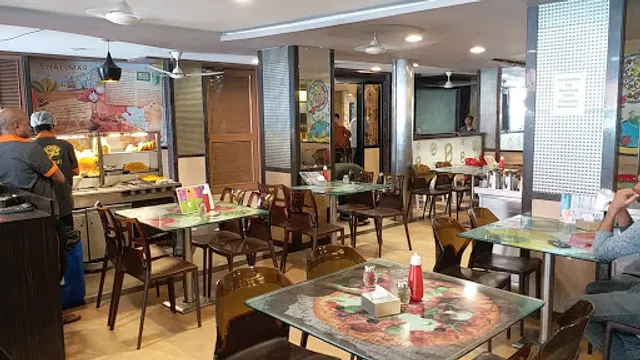
Shalimar Restaurant
4.1
(10.9K)
$$
Closed
Click for details
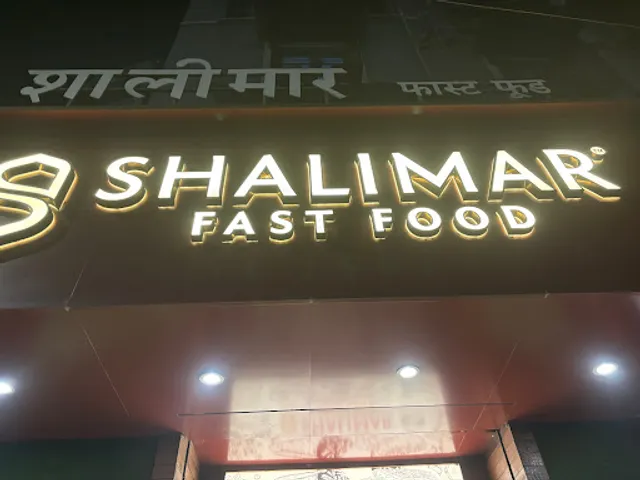
Shalimar Restaurant
4.1
(10.7K)
$$
Closed
Click for details
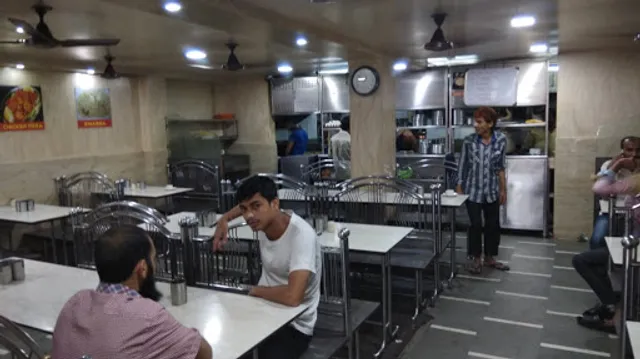
Rehmania Restaurant
4.1
(1.5K)
Closed
Click for details
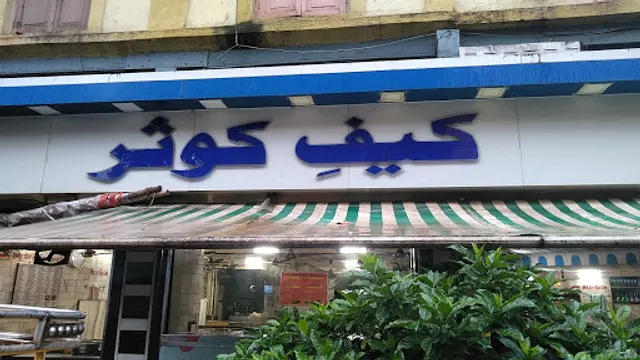
Cafe Kausar
4.1
(220)
Closed
Click for details
Nearby local services of Mughal Masjid
Iranian Sweets Palace
Tawakkal Sweets
Taj Icecream
Ajwaa Sweets Dongri Mumbai nishan pada road opposite noor masjid
Tayba gold and diamond LLP
Noor Sweets
Mumbadevi Temple
Asian dryfruits
MORADABAD METAL HOUSE
Hira Mistan(Hira Sweets)
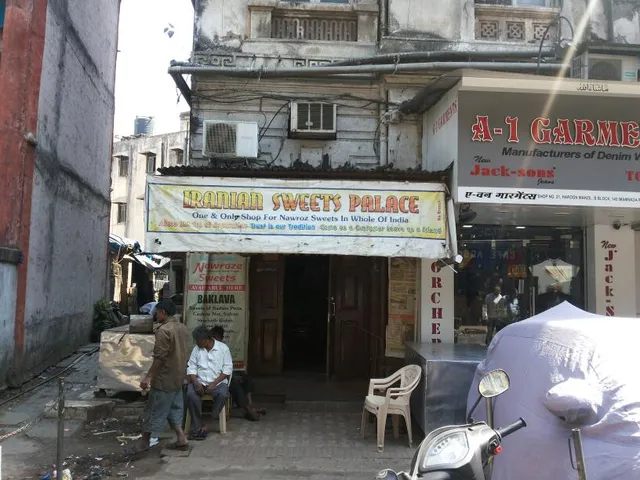
Iranian Sweets Palace
4.2
(105)
Click for details
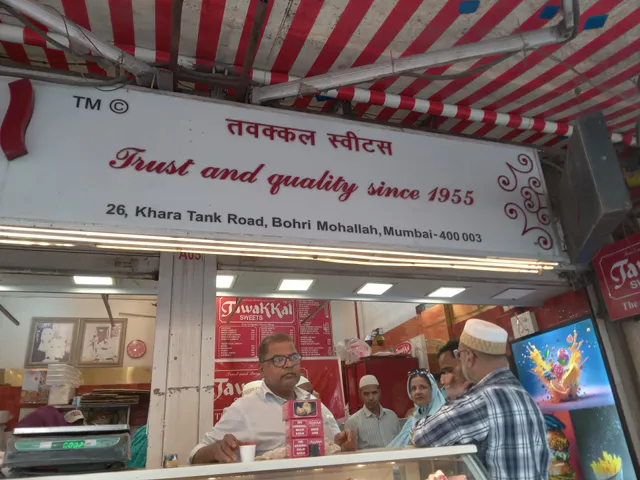
Tawakkal Sweets
4.4
(611)
Click for details
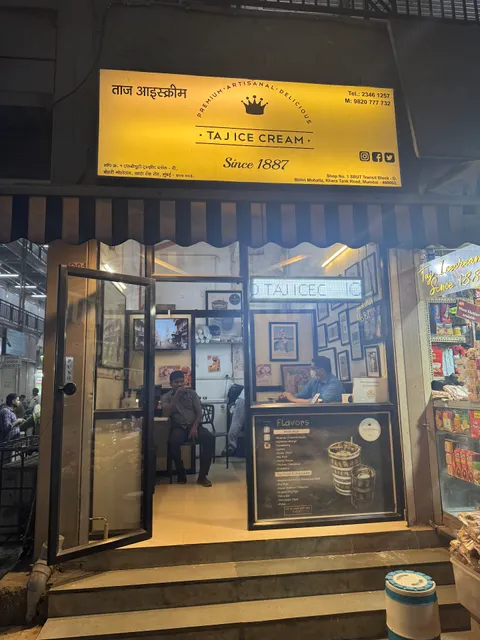
Taj Icecream
4.4
(661)
Click for details
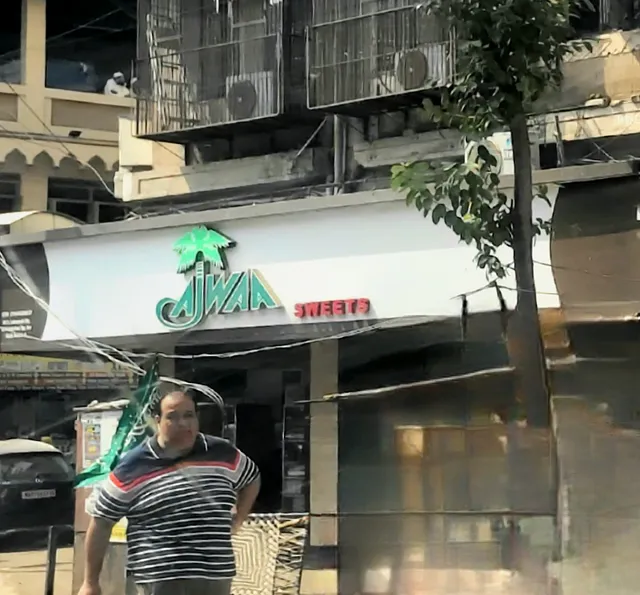
Ajwaa Sweets Dongri Mumbai nishan pada road opposite noor masjid
4.3
(36)
Click for details