Jaipur Column things to do, attractions, restaurants, events info and trip planning
Basic Info
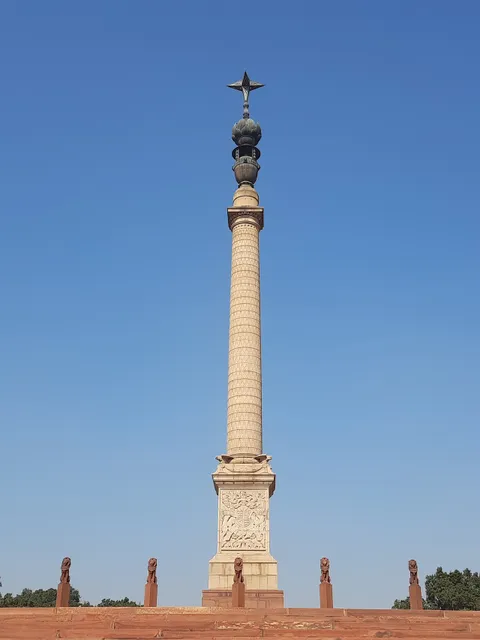
Jaipur Column
J672+PP4, Rashtrapati Bhawan, Raisina Hills, New Delhi, Delhi 110001, India
4.6(139)
Open 24 hours
Save
spot
spot
Ratings & Description
Info
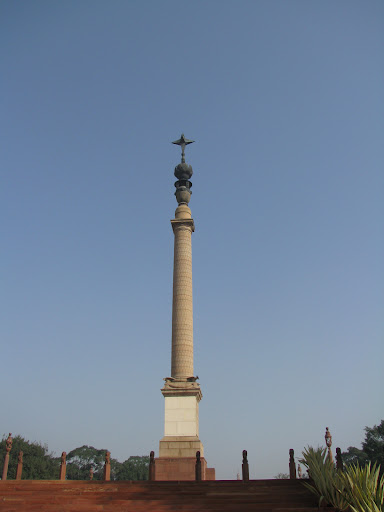
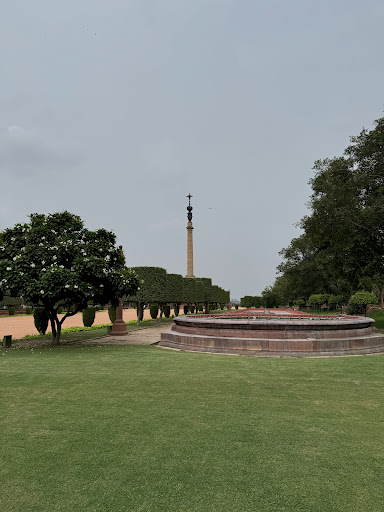
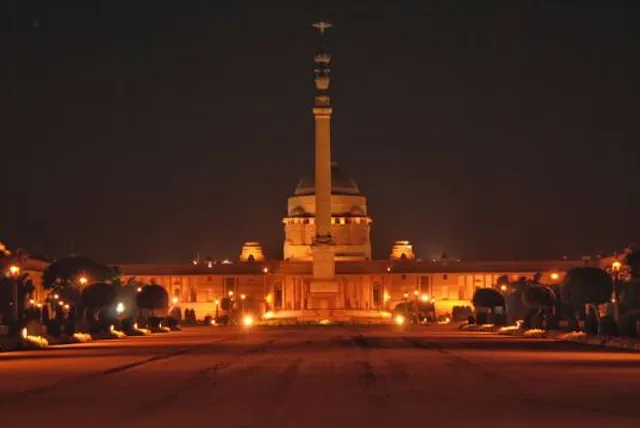
The Jaipur Column is a monumental column in the middle of the courtyard in front of Rashtrapati Bhavan, the presidential residence in New Delhi, Delhi, India.
Cultural
Scenic
attractions: Rashtrapati Bhavan, Rashtrapati Bhavan Museum, Statue of Kamaraj, restaurants: Mysore Cafe, MP Club & Canteen South Avenue, M.P's Canteen,North Avenue, Andhra Cafe, Madhu Restaurant, katmandu, Yadav Corner, Cafeteria, Rail Bhawan, New Delhi, Sarvana palace, Lazy bear, local businesses: Cathedral Church of The Redemption ( C.N.I ), Gurudwara Shri Rakab Ganj Sahib, Amrit Udyan, Pandey's Paan, Fountain, Parliament of India, Rajya Sabha, Dara Shikoh Library
 Learn more insights from Wanderboat AI.
Plan your stay

Pet-friendly Hotels in New Delhi
Find a cozy hotel nearby and make it a full experience.

Affordable Hotels in New Delhi
Find a cozy hotel nearby and make it a full experience.

The Coolest Hotels You Haven't Heard Of (Yet)
Find a cozy hotel nearby and make it a full experience.

Trending Stays Worth the Hype in New Delhi
Find a cozy hotel nearby and make it a full experience.
Reviews
Live events
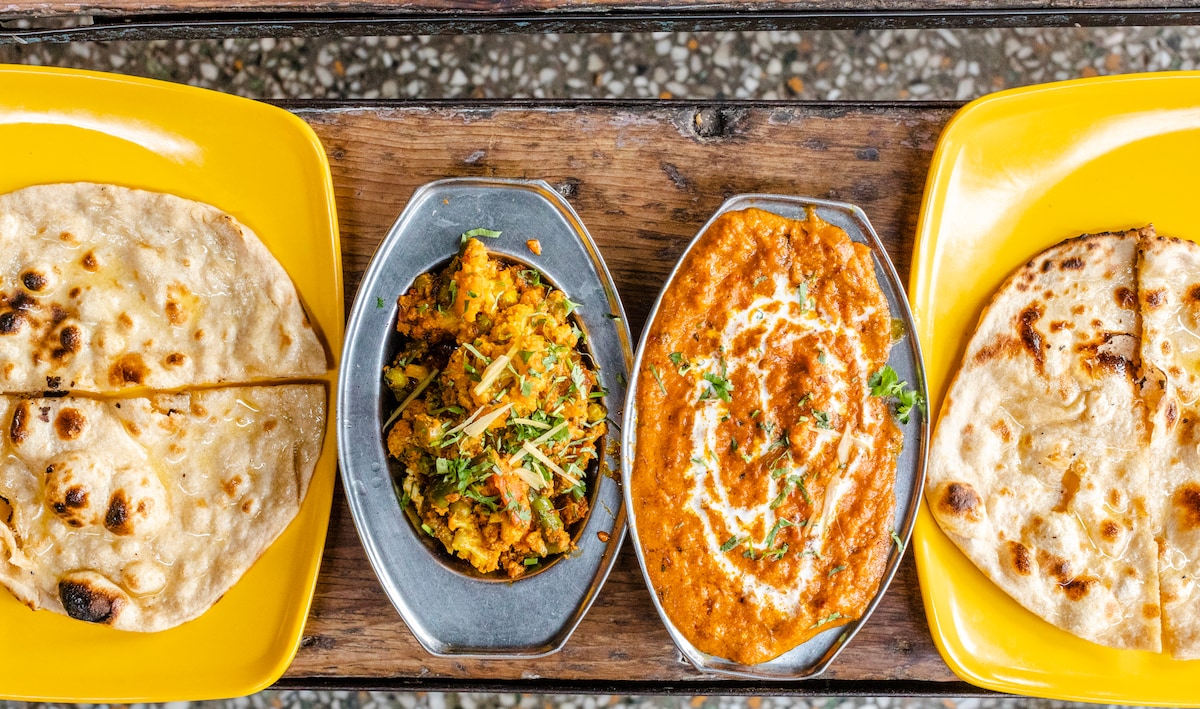
Chandni Chowk Food Tour with 15-plus tastings
Fri, Feb 27 • 10:30 AM
New Delhi, Delhi, 110006, India
View details
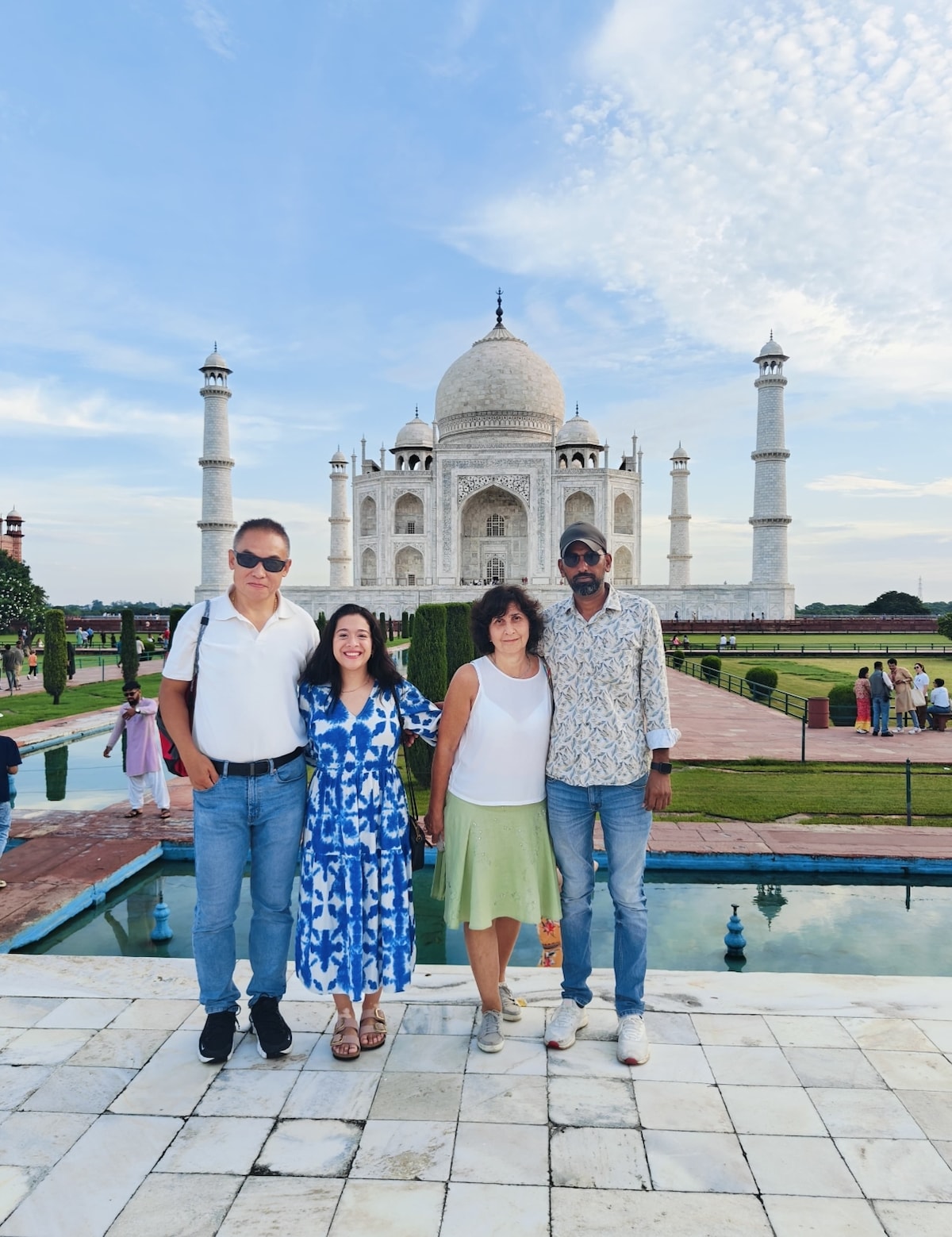
Same Day Taj Mahal Tour from Delhi by Car
Sat, Feb 28 • 4:00 AM
New Delhi, Delhi, 110001, India
View details
Nearby attractions of Jaipur Column
Rashtrapati Bhavan
Rashtrapati Bhavan Museum
Statue of Kamaraj
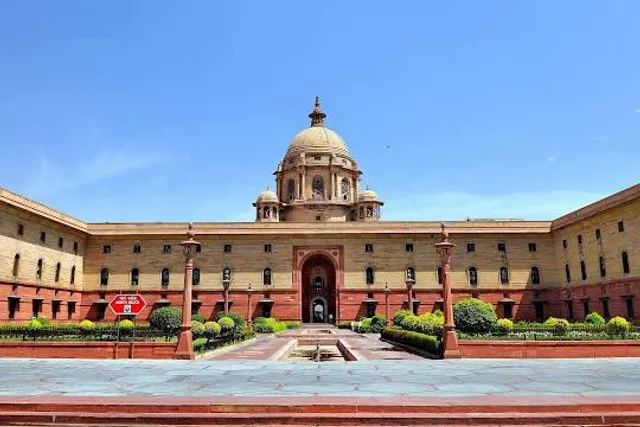
Rashtrapati Bhavan
4.7
(4.3K)
Open until 4:00 PM
Click for details
Rashtrapati Bhavan Museum
4.7
(1.7K)
Open until 5:00 PM
Click for details
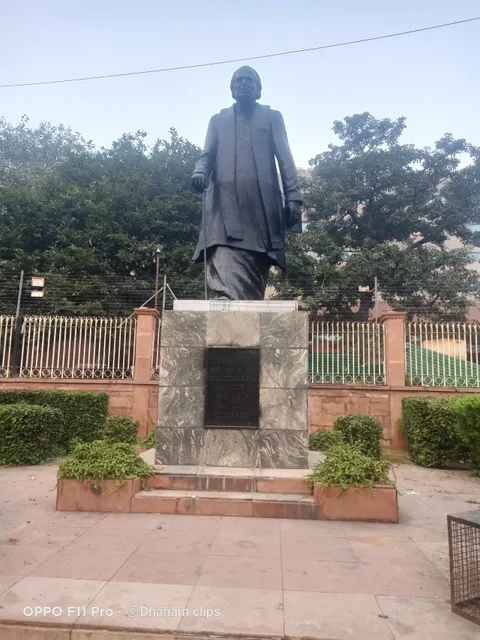
Statue of Kamaraj
4.5
(18)
Open 24 hours
Click for details
Nearby restaurants of Jaipur Column
Mysore Cafe
MP Club & Canteen South Avenue
M.P's Canteen,North Avenue
Andhra Cafe
Madhu Restaurant
katmandu
Yadav Corner
Cafeteria, Rail Bhawan, New Delhi
Sarvana palace
Lazy bear
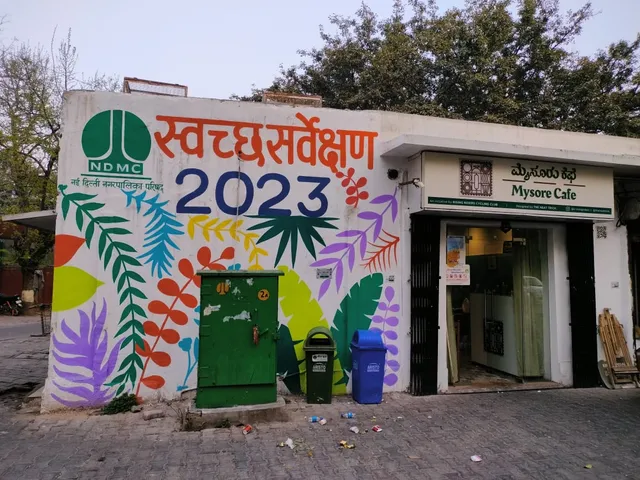
Mysore Cafe
4.3
(2.4K)
Open until 8:30 PM
Click for details
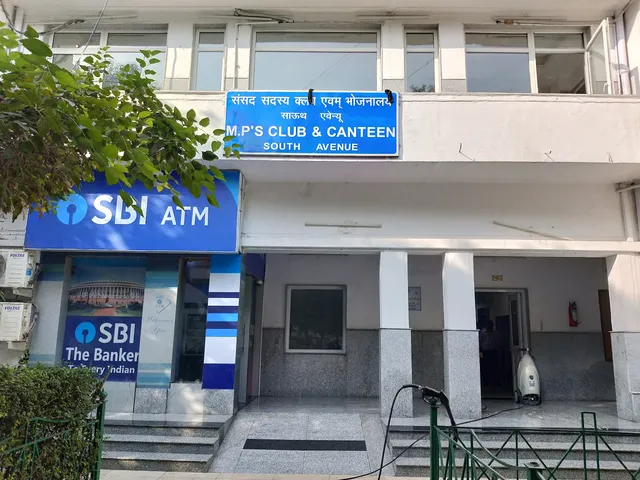
MP Club & Canteen South Avenue
4.0
(854)
Open until 10:30 PM
Click for details
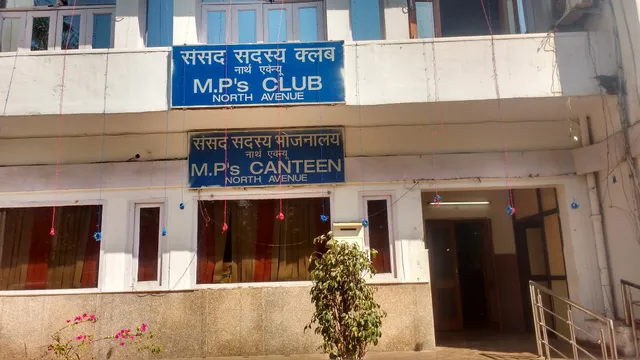
M.P's Canteen,North Avenue
4.1
(773)
Open until 9:30 PM
Click for details
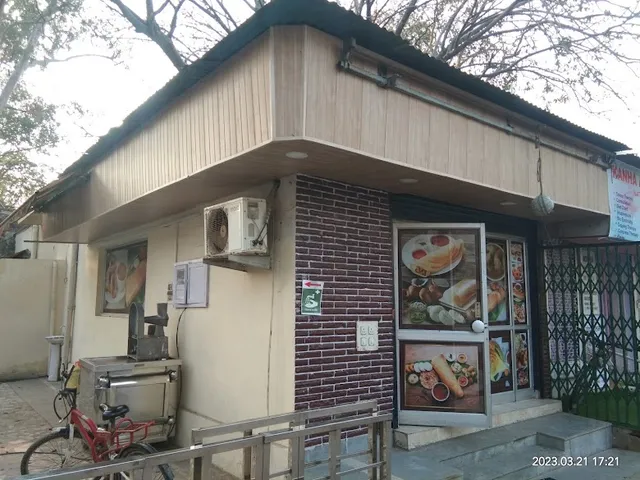
Andhra Cafe
4.4
(133)
Open until 10:30 PM
Click for details
Nearby local services of Jaipur Column
Cathedral Church of The Redemption ( C.N.I )
Gurudwara Shri Rakab Ganj Sahib
Amrit Udyan
Pandey's Paan
Fountain
Parliament of India
Rajya Sabha
Dara Shikoh Library
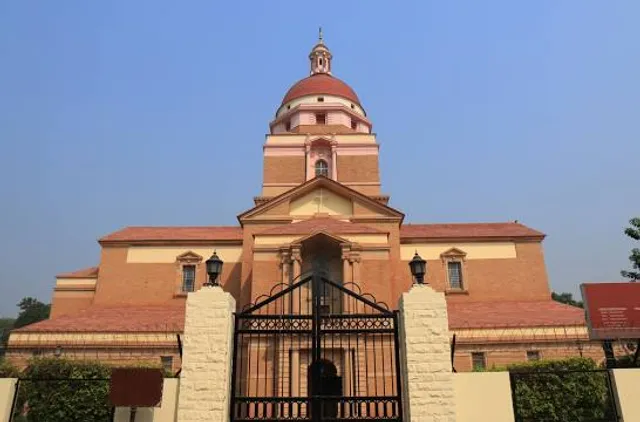
Cathedral Church of The Redemption ( C.N.I )
4.6
(1.2K)
Click for details
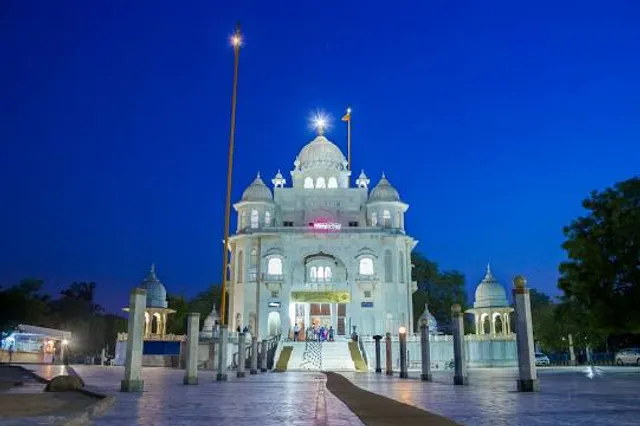
Gurudwara Shri Rakab Ganj Sahib
4.9
(3.4K)
Click for details

Amrit Udyan
4.6
(39)
Click for details
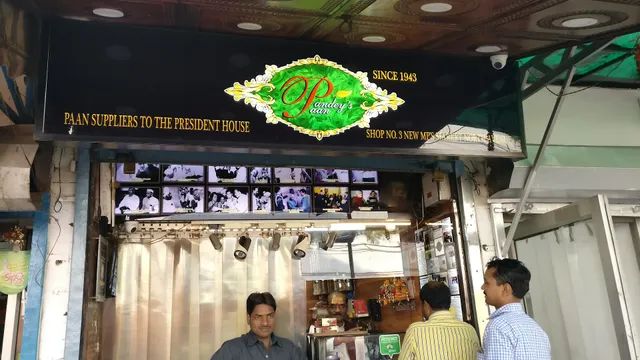
Pandey's Paan
4.5
(945)
Click for details