HTML SitemapExplore
logo
Find Things to DoFind The Best Restaurants

Rashtrapati Bhavan Museum — Attraction in New Delhi

Name
Rashtrapati Bhavan Museum
Description
Nearby attractions
Rashtrapati Bhavan
Rashtrapati Bhawan, President's Estate, New Delhi, Delhi 110004, India
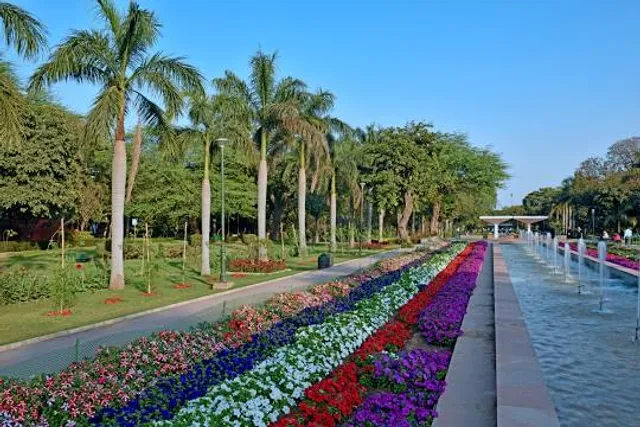
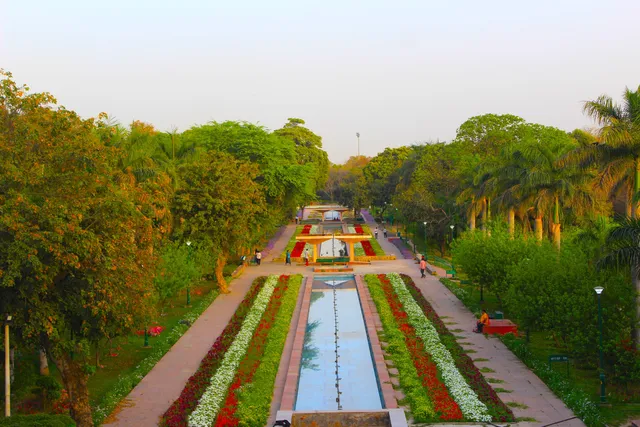
Talkatora Garden
J5FW+82R, Rashtrapati Bhawan, President's Estate, New Delhi, Delhi 110001, India
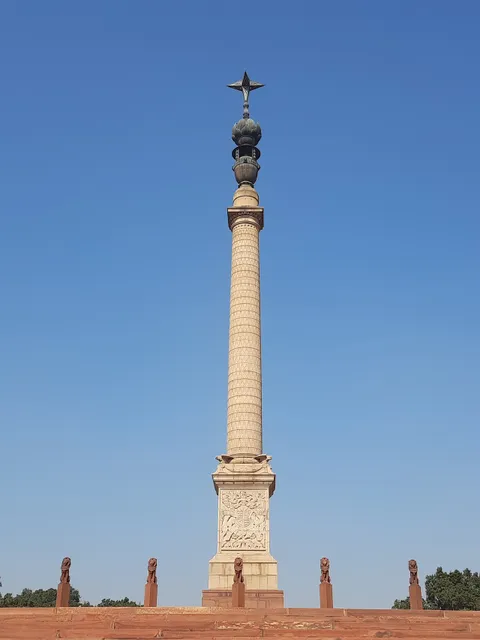
Jaipur Column
J672+PP4, Rashtrapati Bhawan, Raisina Hills, New Delhi, Delhi 110001, India
Talkatora park
J5FV+M9H, Talkatora Ln, Talkatora Garden, President's Estate, New Delhi, Delhi 110001, India
Nearby restaurants
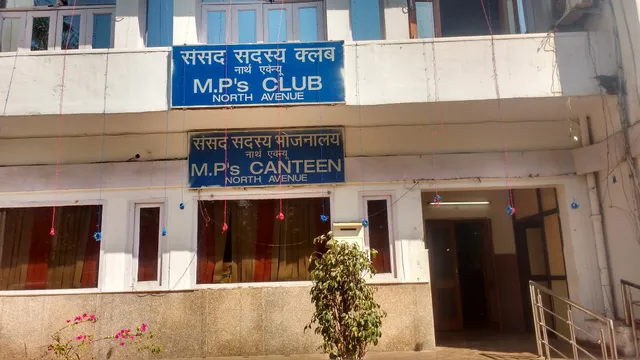
M.P's Canteen,North Avenue
181 TO 184 & 180 TO 161, North Ave, North Avenue Road Area, President's Estate, New Delhi, Delhi 110001, India
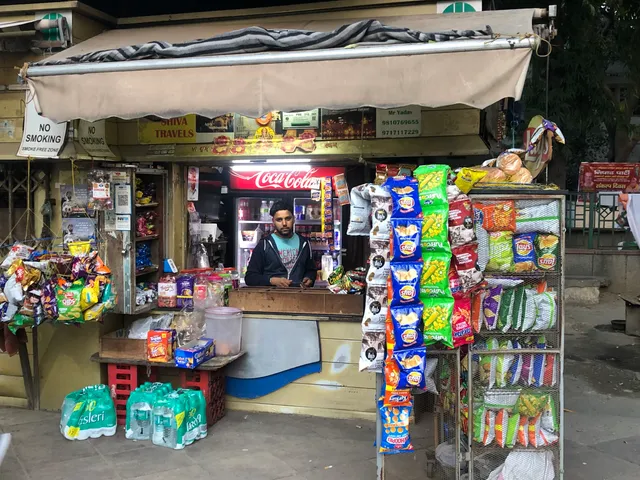
Yadav Corner
Bus Stand, North Ave, near North Avenue, North Avenue Road Area, President's Estate, New Delhi, Delhi 110001, India
Chili Pepper
IIb/35, Presidents Estate Quarters, President's Estate, New Delhi, Delhi 110004, India
Malabar Coco Restaurant
Shop No 1, Market, North Ave, Delhi 110001, India
HospItal canteen
J6G2+77R, Ram Manohar Lohia Hospital, Type III, President's Estate, New Delhi, Delhi 110001, India
Royal Drink Xpurt
7-10, park street, Talkatora Ln, Delhi, 110001, India
Baba Shyam Chai Paani
near Gurudwara, near Sansad Marg, Gokul Nagar, South Block, Rakab Ganj, New Delhi, Delhi 110001, India
Related posts
Keywords
Rashtrapati Bhavan Museum tourism.Rashtrapati Bhavan Museum hotels.Rashtrapati Bhavan Museum bed and breakfast. flights to Rashtrapati Bhavan Museum.Rashtrapati Bhavan Museum attractions.Rashtrapati Bhavan Museum restaurants.Rashtrapati Bhavan Museum travel.Rashtrapati Bhavan Museum travel guide.Rashtrapati Bhavan Museum travel blog.Rashtrapati Bhavan Museum pictures.Rashtrapati Bhavan Museum photos.Rashtrapati Bhavan Museum travel tips.Rashtrapati Bhavan Museum maps.Rashtrapati Bhavan Museum things to do.
Rashtrapati Bhavan Museum things to do, attractions, restaurants, events info and trip planning
Rashtrapati Bhavan Museum
IndiaDelhiNew DelhiRashtrapati Bhavan Museum

Basic Info

Rashtrapati Bhavan Museum

J59W+GMV, Talkatora Road, Presidents Estate Quarters, President's Estate, New Delhi, Delhi 110004, India
4.7(1.7K)
Open until 5:00 PM
Save
spot

Ratings & Description

Info

Cultural
Accessibility
attractions: Rashtrapati Bhavan, Talkatora Garden, Jaipur Column, Talkatora park, restaurants: M.P's Canteen,North Avenue, Yadav Corner, Chili Pepper, Malabar Coco Restaurant, HospItal canteen, Royal Drink Xpurt, Baba Shyam Chai Paani
logoLearn more insights from Wanderboat AI.
Website
visit.rashtrapatibhavan.gov.in
Open hoursSee all hours
Fri9:30 AM - 5 PMOpen

Plan your stay

hotel
Pet-friendly Hotels in New Delhi
Find a cozy hotel nearby and make it a full experience.
hotel
Affordable Hotels in New Delhi
Find a cozy hotel nearby and make it a full experience.
hotel
The Coolest Hotels You Haven't Heard Of (Yet)
Find a cozy hotel nearby and make it a full experience.
hotel
Trending Stays Worth the Hype in New Delhi
Find a cozy hotel nearby and make it a full experience.

Reviews

Nearby attractions of Rashtrapati Bhavan Museum

Rashtrapati Bhavan

Talkatora Garden

Jaipur Column

Talkatora park

Rashtrapati Bhavan

Rashtrapati Bhavan

4.7

(4.5K)

Open until 4:00 PM
Click for details
Talkatora Garden

Talkatora Garden

4.5

(2K)

Open 24 hours
Click for details
Jaipur Column

Jaipur Column

4.6

(134)

Open 24 hours
Click for details
Talkatora park

Talkatora park

4.5

(29)

Open 24 hours
Click for details

Things to do nearby

Craft home-style cuisine in Delhi
Sat, Dec 6 • 11:00 AM
New Delhi, Delhi, 110024, India
View details
Explore delhis street food
Fri, Dec 5 • 4:00 PM
New Delhi, Delhi, 110006, India
View details
Titanic: A Voyage Through Time
Fri, Dec 5 • 2:20 PM
NH 8, Sector 15 Part 2, Sector 17, Gurugram, 122001
View details

Nearby restaurants of Rashtrapati Bhavan Museum

M.P's Canteen,North Avenue

Yadav Corner

Chili Pepper

Malabar Coco Restaurant

HospItal canteen

Royal Drink Xpurt

Baba Shyam Chai Paani

M.P's Canteen,North Avenue

M.P's Canteen,North Avenue

4.1

(790)

Click for details
Yadav Corner

Yadav Corner

4.4

(16)

Open until 10:00 PM
Click for details
Chili Pepper

Chili Pepper

5.0

(4)

Click for details
Malabar Coco Restaurant

Malabar Coco Restaurant

5.0

(3)

Click for details
Get the Appoverlay
Get the AppOne tap to find yournext favorite spots!
Wanderboat LogoWanderboat

Your everyday Al companion for getaway ideas

CompanyAbout Us
InformationAI Trip PlannerSitemap
SocialXInstagramTiktokLinkedin
LegalTerms of ServicePrivacy Policy

Get the app

© 2025 Wanderboat. All rights reserved.
logo

Reviews of Rashtrapati Bhavan Museum

4.7
(1,731)
avatar
5.0
6y

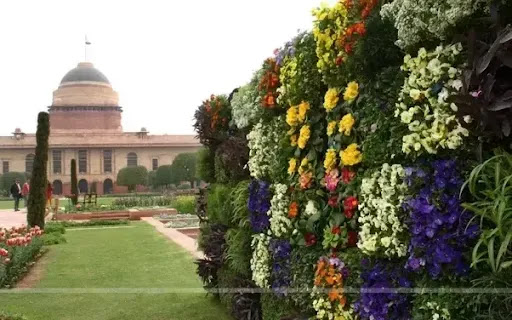
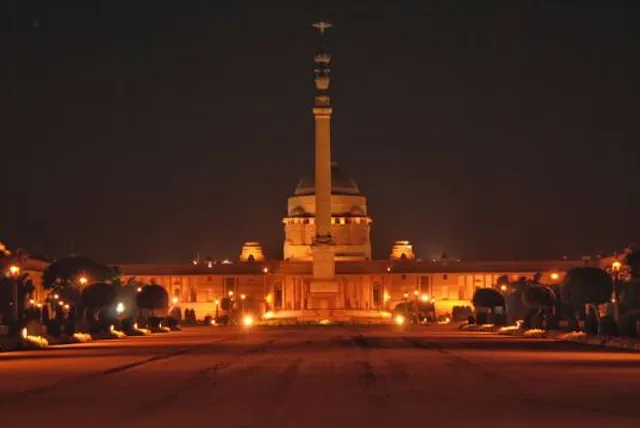
There are 10 facts in all. But if you're really busy at least read the first five :) I tried to make it interesting by putting in more pictures For you The Marble Hall has some majestic displays of rare portraits and statues of the Viceroys and British Royalty. But what stands out from among all these displays is the extremely lifelike wax statue of our current President, Shri Pranab Mukherjee, created by an Asansol based artist. The grand Darbar Hall lies directly under the large dome, the iconic feature of Rashtrapati Bhawan that is visible from miles afar. If you follow the line running through the centre of the Darbar Hall, you will reach India Gate, that is located in a straight line from the Durbar Hall. At the back of Durbar Hall is a statue of Gautama Buddha, belonging to the golden age of India's history and art, the Gupta age (4th-5th century AD). The height level at which the statue is placed is level with the height of India Gate. The Gift Museum, with a host of gifts received by different Presidents, also displays King George V's silver chair weighing 640 kg on which he sat at the Delhi Durbar 1911. The Marble Hall also has a similar chair, but lighter, used by Queen Mary at the Delhi Durbar. The Gift Museum also has a special exhibit - a dried flower that once covered the mortal remains of Gandhiji after his assassination in 1948. The Mughal Gardens are perhaps the most visited part of the estate, spectacular in Spring. Laid out along the lines of the gardens in Kashmir and Agra, the Mughal gardens are known for their large varieties of flowers, especially the beautiful tulips, humongous dahlias, giant roses in so many colours - including green, grand lilies and the rare but stunning Iris. But the most mesmerising sight of them was the Circular Garden, with its terraced bowl flower beds, each blooming with a different variety and burst of colour. The impressive Banquet Hall can seat upto 104 guests at one time and has played host to some of the most important dignitaries from the world over. What is most interesting about this place is not just the secret galleries for the musicians, but the system of lights situated over the portraits of former Presidents, that serve as a signal to the butlers about when to serve, when to stop and when to clear the hall. And how was all that food prepared?  The Kitchen Museum has a fascinating collection of implements like a large coffee maker, copper ladles, primitive slicers and large utensils. Given pride of place under a tiered chandelier is the Star of India crockery, with crystal stemware and shining silver cutlery. The exhibits roughly cover the period from 1911, when King George V and Queen Mary announced at their Coronation Durbar that the capital would move from Calcutta to Delhi till India's independence. The Star of India Crockery The Ashoka Hall of Rashtrapati Bhavan, which is now used for holding ceremonial functions like presentation of credentials by Heads of Missions of foreign countries, swearing-in of Ministers, etc. was originally the Ball Room of the Viceroys, complete with a wooden dance floor with springs underneath. On the ceiling are intricate paintings - a combination of oil-on-canvas and frescoes, the centre of which is a painting showing an equestrian portrait of Fateh Ali Shah, the second of the seven Qajar rulers of Persia, hunting with twenty-two of his sons. The rest of the paintings are by an Italian painter, Colonnello, who inspired by the central Persian painting extended its forest theme with four more hunting scenes with...

   Read more
avatar
5.0
2y

The Rashtrapati Bhavan Museum, located within the sprawling grounds of the President of India's official residence in New Delhi, is an absolute must-visit for anyone interested in India's history and culture. This innovative museum uses cutting-edge technology to weave a captivating narrative of the nation's past, present, and future.

Immersive Technology:

Unlike traditional museums, the Rashtrapati Bhavan Museum eschews static displays in favor of an immersive experience. Visitors are treated to interactive digital exhibits, captivating video walls, and even holographic projections, creating a dynamic and engaging learning environment.

Unique Storytelling:

The museum's narrative is structured around key historical events and personalities, rather than a chronological timeline. This approach allows visitors to connect with the stories on a deeper level and appreciate the intricate tapestry of India's past.

Exquisite Collections:

The museum houses a collection of priceless artifacts, including gifts received by Indian presidents from dignitaries around the world, personal belongings of past presidents, and historical documents. These treasures offer a glimpse into the lives of presidents and the evolving political landscape of the country.

Architectural Marvel:

The museum buildings themselves are architectural gems. The Clock Tower, the Stables, and the Garages have been meticulously restored and repurposed to house the museum exhibits, creating a harmonious blend of history and contemporary design.

Additional Highlights:

Amrit Udyan: Enjoy a stroll through the magnificent Mughal Gardens, known as Amrit Udyan, which are open to the public during specific periods.

Change of Guard Ceremony: Witness the ceremonial changing of the guard by the President's Bodyguard, a spectacle steeped in tradition and grandeur.

Museum Shop: Browse through a selection of books, souvenirs, and handicrafts, taking home a piece of your museum experience.

Overall:

The Rashtrapati Bhavan Museum is a truly remarkable experience. It offers a fascinating glimpse into India's rich history and culture while showcasing the power of innovative technology in museum storytelling. The museum's commitment to accessibility and inclusivity ensures that visitors of all ages and backgrounds can appreciate its treasures.

Tips for Visiting:

Book your tickets online in advance, especially during peak season.

Choose the circuit that best suits your interests, as there are separate circuits for the main building, the museum complex, and the gardens.

Allow ample time for your visit, as there is much to see and explore.

Wear comfortable shoes, as you will be doing a fair amount of walking.

Photography is allowed inside the museum, but be mindful of other visitors and avoid using flash.

The museum is closed on Mondays and...

   Read more
avatar
5.0
1y

My recent visit to the Rashtrapati Bhavan Museum offered a captivating journey through India's rich presidential heritage and the splendor of its highest office. Nestled within the historic Rashtrapati Bhavan complex in New Delhi, this museum provides a fascinating glimpse into the lives and legacies of India's presidents, offering visitors a unique opportunity to explore the nation's political history and cultural heritage.

Approaching the museum, I was immediately struck by the grandeur and majesty of the Rashtrapati Bhavan, with its imposing architecture and sprawling gardens evoking a sense of awe and reverence. Stepping inside, I was greeted by a treasure trove of artifacts, photographs, and archival documents that chronicle the evolution of India's presidency from its inception to the present day.

The museum's exhibits are thoughtfully curated, providing valuable insights into the lives and achievements of India's presidents, as well as the historical events and political milestones that have shaped the nation's destiny. From rare manuscripts and presidential speeches to personal belongings and gifts from world leaders, the museum offers a comprehensive overview of India's presidential legacy.

One of the highlights of my visit was the opportunity to explore the Mughal Gardens, which are open to the public during certain times of the year. These meticulously landscaped gardens, inspired by the traditional Mughal style, are a testament to the beauty and diversity of India's natural landscape, offering a tranquil retreat from the hustle and bustle of city life.

In addition to its historical and cultural significance, the Rashtrapati Bhavan Museum also serves as a center for education and enlightenment, hosting a variety of exhibitions, lectures, and cultural events that celebrate India's vibrant heritage and democratic ideals. Whether you're a history enthusiast, a student of politics, or simply a curious traveler, a visit to the museum is sure to be a rewarding and enriching experience.

In conclusion, the Rashtrapati Bhavan Museum stands as a symbol of India's democratic ethos and national pride, offering visitors a window into the country's presidential legacy and the enduring spirit of its people. Whether you're a citizen of India or a visitor from abroad, a trip to the museum is a journey of discovery and appreciation that will leave you inspired, enlightened, and proud to be part of India's rich tapestry of history and culture.

Note: Visitors are advised to check the museum's opening hours and admission fees before planning their visit. Additionally, photography may be restricted in certain areas, so it's recommended to check with museum staff before taking...

   Read more
Page 1 of 7
Previous
Next

Posts

ANJANI KUMARANJANI KUMAR
There are 10 facts in all. But if you're really busy at least read the first five :) I tried to make it interesting by putting in more pictures For you 1. The Marble Hall has some majestic displays of rare portraits and statues of the Viceroys and British Royalty. But what stands out from among all these displays is the extremely lifelike wax statue of our current President, Shri Pranab Mukherjee, created by an Asansol based artist. 2. The grand Darbar Hall lies directly under the large dome, the iconic feature of Rashtrapati Bhawan that is visible from miles afar. If you follow the line running through the centre of the Darbar Hall, you will reach India Gate, that is located in a straight line from the Durbar Hall. 3. At the back of Durbar Hall is a statue of Gautama Buddha, belonging to the golden age of India's history and art, the Gupta age (4th-5th century AD). The height level at which the statue is placed is level with the height of India Gate. 4. The Gift Museum, with a host of gifts received by different Presidents, also displays King George V's silver chair weighing 640 kg on which he sat at the Delhi Durbar 1911. The Marble Hall also has a similar chair, but lighter, used by Queen Mary at the Delhi Durbar. The Gift Museum also has a special exhibit - a dried flower that once covered the mortal remains of Gandhiji after his assassination in 1948. 5. The Mughal Gardens are perhaps the most visited part of the estate, spectacular in Spring. Laid out along the lines of the gardens in Kashmir and Agra, the Mughal gardens are known for their large varieties of flowers, especially the beautiful tulips, humongous dahlias, giant roses in so many colours - including green, grand lilies and the rare but stunning Iris. But the most mesmerising sight of them was the Circular Garden, with its terraced bowl flower beds, each blooming with a different variety and burst of colour. 6. The impressive Banquet Hall can seat upto 104 guests at one time and has played host to some of the most important dignitaries from the world over. What is most interesting about this place is not just the secret galleries for the musicians, but the system of lights situated over the portraits of former Presidents, that serve as a signal to the butlers about when to serve, when to stop and when to clear the hall. 7. And how was all that food prepared?  The Kitchen Museum has a fascinating collection of implements like a large coffee maker, copper ladles, primitive slicers and large utensils. Given pride of place under a tiered chandelier is the Star of India crockery, with crystal stemware and shining silver cutlery. The exhibits roughly cover the period from 1911, when King George V and Queen Mary announced at their Coronation Durbar that the capital would move from Calcutta to Delhi till India's independence. The Star of India Crockery 8. The Ashoka Hall of Rashtrapati Bhavan, which is now used for holding ceremonial functions like presentation of credentials by Heads of Missions of foreign countries, swearing-in of Ministers, etc. was originally the Ball Room of the Viceroys, complete with a wooden dance floor with springs underneath. On the ceiling are intricate paintings - a combination of oil-on-canvas and frescoes, the centre of which is a painting showing an equestrian portrait of Fateh Ali Shah, the second of the seven Qajar rulers of Persia, hunting with twenty-two of his sons. The rest of the paintings are by an Italian painter, Colonnello, who inspired by the central Persian painting extended its forest theme with four more hunting scenes with inscriptions in Persian.
Sumit BarSumit Bar
My recent visit to the Rashtrapati Bhavan Museum offered a captivating journey through India's rich presidential heritage and the splendor of its highest office. Nestled within the historic Rashtrapati Bhavan complex in New Delhi, this museum provides a fascinating glimpse into the lives and legacies of India's presidents, offering visitors a unique opportunity to explore the nation's political history and cultural heritage. Approaching the museum, I was immediately struck by the grandeur and majesty of the Rashtrapati Bhavan, with its imposing architecture and sprawling gardens evoking a sense of awe and reverence. Stepping inside, I was greeted by a treasure trove of artifacts, photographs, and archival documents that chronicle the evolution of India's presidency from its inception to the present day. The museum's exhibits are thoughtfully curated, providing valuable insights into the lives and achievements of India's presidents, as well as the historical events and political milestones that have shaped the nation's destiny. From rare manuscripts and presidential speeches to personal belongings and gifts from world leaders, the museum offers a comprehensive overview of India's presidential legacy. One of the highlights of my visit was the opportunity to explore the Mughal Gardens, which are open to the public during certain times of the year. These meticulously landscaped gardens, inspired by the traditional Mughal style, are a testament to the beauty and diversity of India's natural landscape, offering a tranquil retreat from the hustle and bustle of city life. In addition to its historical and cultural significance, the Rashtrapati Bhavan Museum also serves as a center for education and enlightenment, hosting a variety of exhibitions, lectures, and cultural events that celebrate India's vibrant heritage and democratic ideals. Whether you're a history enthusiast, a student of politics, or simply a curious traveler, a visit to the museum is sure to be a rewarding and enriching experience. In conclusion, the Rashtrapati Bhavan Museum stands as a symbol of India's democratic ethos and national pride, offering visitors a window into the country's presidential legacy and the enduring spirit of its people. Whether you're a citizen of India or a visitor from abroad, a trip to the museum is a journey of discovery and appreciation that will leave you inspired, enlightened, and proud to be part of India's rich tapestry of history and culture. Note: Visitors are advised to check the museum's opening hours and admission fees before planning their visit. Additionally, photography may be restricted in certain areas, so it's recommended to check with museum staff before taking photographs.
Rishabh Singh JadonRishabh Singh Jadon
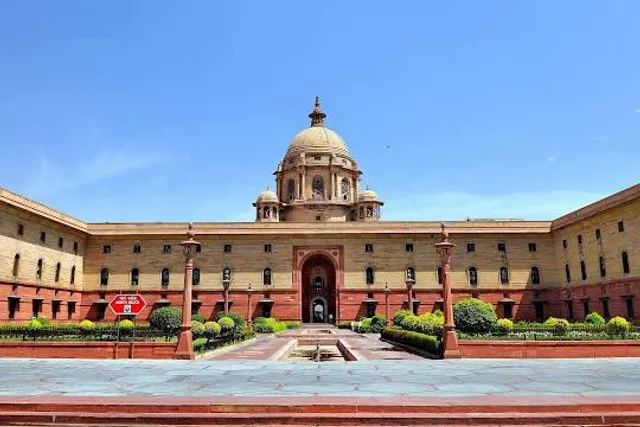
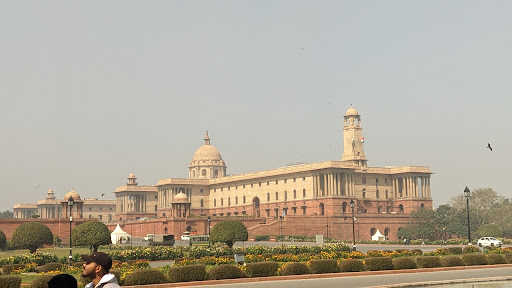
The Rashtrapati Bhavan (pronunciation (help·info), "rásh-tra-pa-ti bha-vun"; Presidential Residence", previously Viceroy's House) is the official home of the President of India located at the Western end of Rajpath in New Delhi, India. Rashtrapati Bhavan may refer to only the 340-room main building that has the president's official residence, including reception halls, guest rooms and offices, also called the mansion; it may also refer to the entire 130-hectare (320 acre) Presidential Estate that additionally includes huge presidential gardens (Mughal Gardens), large open spaces, residences of bodyguards and staff, stables, other offices and utilities within its perimeter walls. In terms of area, it is the largest residence of any head of state in the world.Rashtrapati Bhavan Museum showcases artefacts for lovers of art, culture, heritage and history. The Stables hold the gallery that displays the finest gifts received by various Presidents of India, including the gold Chonma Chong crown presented to President A P J Abdul Kalam by His Excellency Roh Moo-Hyuh, President of the Republic of Korea. There are a range of items to be found here, like Dilmun seals that were discovered in Bahrain, etchings and drawings by Emily Eden, Alok Sen’s water colour on paper painting, antique arms used in the Anglo-Sikh and Anglo-Afghan wars, select furniture pieces of Rashtrapati Bhavan’s State Rooms like The Morning Room, Yellow Drawing Room, South Drawing Room, President’s Study and the ADC Room, signed photographs of Lord Mountbatten of Burma, Lady Edwina Mountbatten, Queen Elizabeth, Prince Philip, Emperor and Empress of Japan, and many others. Original drawings of the structure made by Sir Edwin Lutyens are also on display.
See more posts
See more posts
hotel
Find your stay

Pet-friendly Hotels in New Delhi

Find a cozy hotel nearby and make it a full experience.

There are 10 facts in all. But if you're really busy at least read the first five :) I tried to make it interesting by putting in more pictures For you 1. The Marble Hall has some majestic displays of rare portraits and statues of the Viceroys and British Royalty. But what stands out from among all these displays is the extremely lifelike wax statue of our current President, Shri Pranab Mukherjee, created by an Asansol based artist. 2. The grand Darbar Hall lies directly under the large dome, the iconic feature of Rashtrapati Bhawan that is visible from miles afar. If you follow the line running through the centre of the Darbar Hall, you will reach India Gate, that is located in a straight line from the Durbar Hall. 3. At the back of Durbar Hall is a statue of Gautama Buddha, belonging to the golden age of India's history and art, the Gupta age (4th-5th century AD). The height level at which the statue is placed is level with the height of India Gate. 4. The Gift Museum, with a host of gifts received by different Presidents, also displays King George V's silver chair weighing 640 kg on which he sat at the Delhi Durbar 1911. The Marble Hall also has a similar chair, but lighter, used by Queen Mary at the Delhi Durbar. The Gift Museum also has a special exhibit - a dried flower that once covered the mortal remains of Gandhiji after his assassination in 1948. 5. The Mughal Gardens are perhaps the most visited part of the estate, spectacular in Spring. Laid out along the lines of the gardens in Kashmir and Agra, the Mughal gardens are known for their large varieties of flowers, especially the beautiful tulips, humongous dahlias, giant roses in so many colours - including green, grand lilies and the rare but stunning Iris. But the most mesmerising sight of them was the Circular Garden, with its terraced bowl flower beds, each blooming with a different variety and burst of colour. 6. The impressive Banquet Hall can seat upto 104 guests at one time and has played host to some of the most important dignitaries from the world over. What is most interesting about this place is not just the secret galleries for the musicians, but the system of lights situated over the portraits of former Presidents, that serve as a signal to the butlers about when to serve, when to stop and when to clear the hall. 7. And how was all that food prepared?  The Kitchen Museum has a fascinating collection of implements like a large coffee maker, copper ladles, primitive slicers and large utensils. Given pride of place under a tiered chandelier is the Star of India crockery, with crystal stemware and shining silver cutlery. The exhibits roughly cover the period from 1911, when King George V and Queen Mary announced at their Coronation Durbar that the capital would move from Calcutta to Delhi till India's independence. The Star of India Crockery 8. The Ashoka Hall of Rashtrapati Bhavan, which is now used for holding ceremonial functions like presentation of credentials by Heads of Missions of foreign countries, swearing-in of Ministers, etc. was originally the Ball Room of the Viceroys, complete with a wooden dance floor with springs underneath. On the ceiling are intricate paintings - a combination of oil-on-canvas and frescoes, the centre of which is a painting showing an equestrian portrait of Fateh Ali Shah, the second of the seven Qajar rulers of Persia, hunting with twenty-two of his sons. The rest of the paintings are by an Italian painter, Colonnello, who inspired by the central Persian painting extended its forest theme with four more hunting scenes with inscriptions in Persian.
ANJANI KUMAR

ANJANI KUMAR

hotel
Find your stay

Affordable Hotels in New Delhi

Find a cozy hotel nearby and make it a full experience.

Get the Appoverlay
Get the AppOne tap to find yournext favorite spots!
My recent visit to the Rashtrapati Bhavan Museum offered a captivating journey through India's rich presidential heritage and the splendor of its highest office. Nestled within the historic Rashtrapati Bhavan complex in New Delhi, this museum provides a fascinating glimpse into the lives and legacies of India's presidents, offering visitors a unique opportunity to explore the nation's political history and cultural heritage. Approaching the museum, I was immediately struck by the grandeur and majesty of the Rashtrapati Bhavan, with its imposing architecture and sprawling gardens evoking a sense of awe and reverence. Stepping inside, I was greeted by a treasure trove of artifacts, photographs, and archival documents that chronicle the evolution of India's presidency from its inception to the present day. The museum's exhibits are thoughtfully curated, providing valuable insights into the lives and achievements of India's presidents, as well as the historical events and political milestones that have shaped the nation's destiny. From rare manuscripts and presidential speeches to personal belongings and gifts from world leaders, the museum offers a comprehensive overview of India's presidential legacy. One of the highlights of my visit was the opportunity to explore the Mughal Gardens, which are open to the public during certain times of the year. These meticulously landscaped gardens, inspired by the traditional Mughal style, are a testament to the beauty and diversity of India's natural landscape, offering a tranquil retreat from the hustle and bustle of city life. In addition to its historical and cultural significance, the Rashtrapati Bhavan Museum also serves as a center for education and enlightenment, hosting a variety of exhibitions, lectures, and cultural events that celebrate India's vibrant heritage and democratic ideals. Whether you're a history enthusiast, a student of politics, or simply a curious traveler, a visit to the museum is sure to be a rewarding and enriching experience. In conclusion, the Rashtrapati Bhavan Museum stands as a symbol of India's democratic ethos and national pride, offering visitors a window into the country's presidential legacy and the enduring spirit of its people. Whether you're a citizen of India or a visitor from abroad, a trip to the museum is a journey of discovery and appreciation that will leave you inspired, enlightened, and proud to be part of India's rich tapestry of history and culture. Note: Visitors are advised to check the museum's opening hours and admission fees before planning their visit. Additionally, photography may be restricted in certain areas, so it's recommended to check with museum staff before taking photographs.
Sumit Bar

Sumit Bar

hotel
Find your stay

The Coolest Hotels You Haven't Heard Of (Yet)

Find a cozy hotel nearby and make it a full experience.

hotel
Find your stay

Trending Stays Worth the Hype in New Delhi

Find a cozy hotel nearby and make it a full experience.

The Rashtrapati Bhavan (pronunciation (help·info), "rásh-tra-pa-ti bha-vun"; Presidential Residence", previously Viceroy's House) is the official home of the President of India located at the Western end of Rajpath in New Delhi, India. Rashtrapati Bhavan may refer to only the 340-room main building that has the president's official residence, including reception halls, guest rooms and offices, also called the mansion; it may also refer to the entire 130-hectare (320 acre) Presidential Estate that additionally includes huge presidential gardens (Mughal Gardens), large open spaces, residences of bodyguards and staff, stables, other offices and utilities within its perimeter walls. In terms of area, it is the largest residence of any head of state in the world.Rashtrapati Bhavan Museum showcases artefacts for lovers of art, culture, heritage and history. The Stables hold the gallery that displays the finest gifts received by various Presidents of India, including the gold Chonma Chong crown presented to President A P J Abdul Kalam by His Excellency Roh Moo-Hyuh, President of the Republic of Korea. There are a range of items to be found here, like Dilmun seals that were discovered in Bahrain, etchings and drawings by Emily Eden, Alok Sen’s water colour on paper painting, antique arms used in the Anglo-Sikh and Anglo-Afghan wars, select furniture pieces of Rashtrapati Bhavan’s State Rooms like The Morning Room, Yellow Drawing Room, South Drawing Room, President’s Study and the ADC Room, signed photographs of Lord Mountbatten of Burma, Lady Edwina Mountbatten, Queen Elizabeth, Prince Philip, Emperor and Empress of Japan, and many others. Original drawings of the structure made by Sir Edwin Lutyens are also on display.
Rishabh Singh Jadon

Rishabh Singh Jadon

See more posts
See more posts