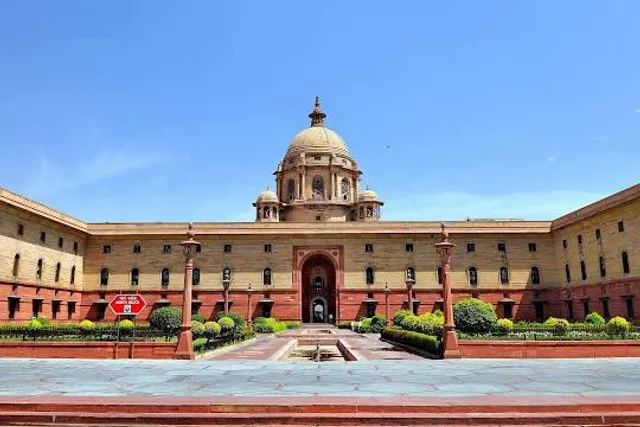
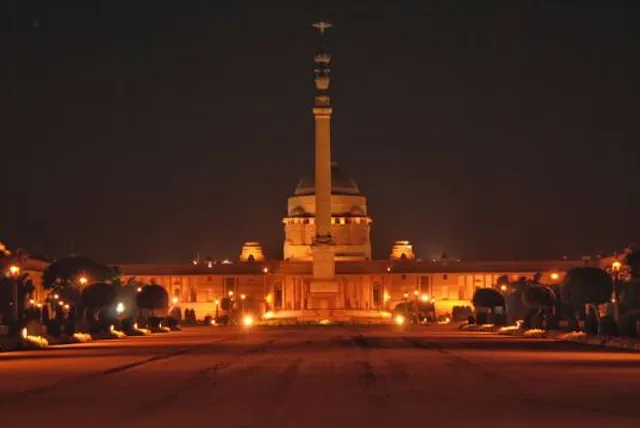
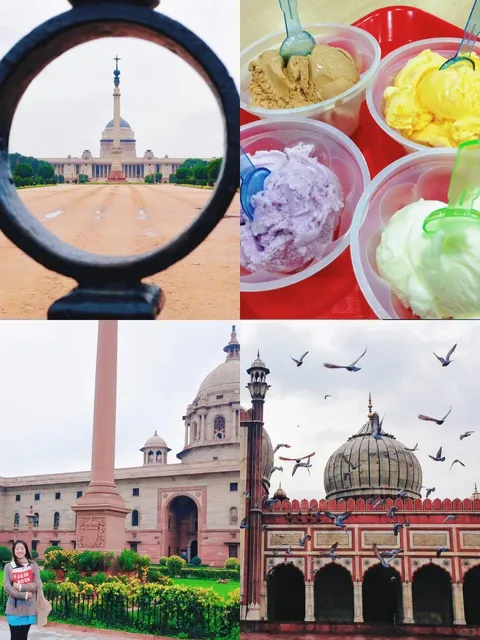
Rashtrapati Bhavan Visiting Rashtrapati Bhavan, the official residence of the President of India, is a truly majestic experience that offers a glimpse into India’s rich history, architecture, and governance. The grandeur of the building and its sprawling gardens make it a must-visit destination in Delhi. The booking process is straightforward, done online through the Rashtrapati Bhavan website. It’s advisable to book in advance, especially during peak tourist seasons. The security process is thorough, as expected for such a significant place, so it’s best to arrive early to complete all formalities smoothly. The architecture of Rashtrapati Bhavan is a stunning blend of Mughal and European styles, designed by Sir Edwin Lutyens. As you walk through the halls, you’ll be captivated by the intricate designs, grand staircases, and the impressive Durbar Hall with its massive dome and chandelier. The artwork and artifacts on display reflect India’s diverse cultural heritage, making it both an educational and aesthetic experience.
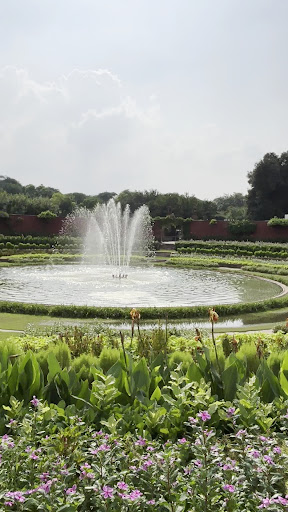
Mughal Gardens: A highlight of the visit is the Mughal Gardens, especially if you visit during the annual Udyanotsav when they are in full bloom. The gardens are impeccably maintained, with a variety of flowers, fountains, and neatly trimmed hedges. Overall Experience: Visiting Rashtrapati Bhavan is not just about seeing a beautiful building; it’s about experiencing a part of India’s living history. The blend of architecture, history, and the serene gardens make it a unique and memorable visit. Whether you’re a history buff, an architecture enthusiast, or just someone looking to explore the cultural landmarks of Delhi, Rashtrapati Bhavan should be high on your list.
Amrit Udhyan Visit Review
Amrit Udhyan, formerly known as the Mughal Gardens of Rashtrapati Bhavan, is a breathtaking garden located within the premises of the President’s official residence in Delhi. Known for its meticulous landscaping, vibrant floral displays, and serene ambiance, it is one of the most beautiful and well-maintained gardens in India.
Booking and Entry: Visiting Amrit Udhyan requires prior booking, which can be done online through the official Rashtrapati Bhavan website. The process is simple, but it’s advisable to book well in advance, especially during the Udyanotsav period when the gardens are open to the public. Security is stringent, so be prepared for thorough checks at the entry point.
Garden Layout and Design: The garden is a splendid example of Mughal-style landscaping, characterized by symmetrical designs, water channels, and a vast array of flora. As you stroll through the pathways, you’ll encounter a variety of themed sections, including the Rectangular Garden, Long Garden, and Circular Garden. Each section is meticulously planned and showcases a rich diversity of plants, including roses, tulips, marigolds, and exotic varieties brought from different parts of the world.
Floral Displays: The floral arrangements are nothing short of spectacular. During the blooming season, the garden comes alive with vibrant colors and fragrant blossoms. The rose garden, in particular, is a visual feast, with hundreds of varieties of roses in full bloom. The carefully curated flower beds and the interplay of colors and patterns create a mesmerizing experience.
Water Features and Fountains: The water features, including fountains and lotus ponds, add to the tranquility of the garden. The gentle sound of water flowing through the channels, combined with the chirping of birds, enhances the peaceful atmosphere, making it an ideal place for relaxation and reflection.
Overall Experience: Visiting Amrit Udhyan is a rejuvenating experience that allows you to connect with nature in the heart of the bustling capital. The garden is not just a visual delight but also a sensory one, with its fragrant flowers, chirping birds, and the soothing sounds of water. It’s an ideal destination for nature lovers, photographers, and anyone looking to enjoy a few hours of...
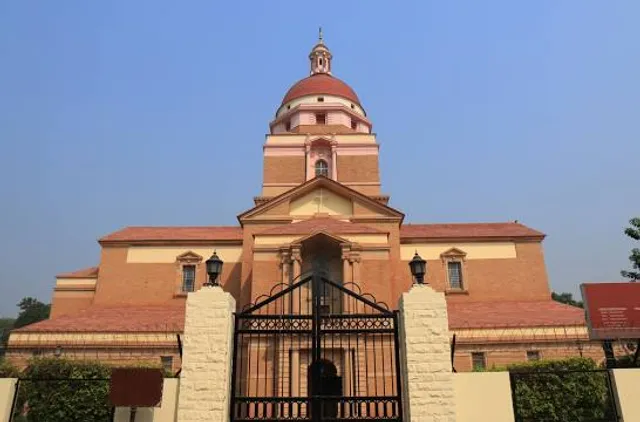
Read moreRashtrapati Bhavan, formerly known as the Viceroy's House, is the official residence of the President of India. Located in New Delhi, it is a grand architectural marvel and one of the most iconic landmarks in the city.
The construction of Rashtrapati Bhavan was initiated in 1912 and completed in 1929. It was designed by renowned British architect Sir Edwin Lutyens, who also played a significant role in designing other prominent structures in Delhi. The building showcases a blend of classical and Indian architectural styles, reflecting the colonial influence of the time.
Spread over an extensive area of 330 acres, Rashtrapati Bhavan is an impressive structure with four floors and 340 rooms. It is characterized by its imposing central dome, tall columns, and extensive use of red and cream sandstone. The building stands as a symbol of power and authority, representing the highest office in the Indian government.
The interiors of Rashtrapati Bhavan are equally impressive, featuring lavish halls, grand reception rooms, and intricately designed ceilings. The Durbar Hall, with its chandeliers, royal thrones, and ornate decorations, is a notable highlight. The building also houses a presidential library, museum, and art gallery, showcasing a collection of artifacts and artworks that depict India's rich cultural heritage.
The Mughal Gardens, located within the premises of Rashtrapati Bhavan, are a major attraction. These gardens are meticulously manicured and feature a variety of plants, flowers, and trees, creating a picturesque and serene environment. The gardens are open to the public during specific periods, allowing visitors to admire the beautiful landscape and enjoy the tranquility.
Guided tours of Rashtrapati Bhavan are available for visitors, providing insights into its history, architecture, and the role of the President in the Indian government. The tours offer a glimpse into the opulent lifestyle of the country's leaders and the rich cultural heritage embedded in the building's design and artwork.
Rashtrapati Bhavan holds immense historical significance, having witnessed important events and hosted several dignitaries and heads of state. It stands as a symbol of India's democratic ideals and the country's progress.
It is important to note that prior permission is required to visit Rashtrapati Bhavan, and certain areas may be restricted to the public due to security reasons. Visitors are advised to plan their visit in advance and adhere to the guidelines and protocols set by the authorities.
In conclusion, Rashtrapati Bhavan is an architectural marvel and an important symbol of India's governance. Its grandeur, historical significance, and beautifully landscaped surroundings make it a must-visit destination for those interested in exploring India's rich cultural heritage and experiencing the seat of power in...
Read moreNot a good place to bring children or family. Parking is unsuitable, but available in a way. Not a wheelchair accessible place. 50 rs. Time that can be spent- 15 min. Watches, wallets, and mobile phones are not allowed. No water and toilets are available inside. Waiting time- hours, not in entry, but in a different way.
I explain,
We entered through gate no. 38 for the museum. The guard stopped us and told us to park our vehicle at gate no. 37, which is 4km away. As parking is not allowed here. Take the entry ticket from that gate. So, we did.
After entering the place. They told us that you can not watch without a guide, a service which they give for free. However, all happiness ends there.
We waited for 1 hour, but no guide arrived. We asked at the counter. A Haryanvi-speaking man was sitting there. In reply, he said, "Go away. You are late. You have to pre-book the guide." We said, there is no mention about this anywhere, and the ticket counter also didn't say anything.
So we were about to go out. Suddenly, a police man came and told us to wait. He said the guide is a lazy woman. And she only works for the VIPs or for those who are relatives of the staff.
A group of those special people will be arriving soon. You can go with them. We thanked him.
Then the group came. We and a few others were in line for the check-in. Then one egoistic gawar woman with over makeup and perfume told the guard that they were VIPs, relatives of some government employee working there. And the guard let them enter without any checking. Nor their belonging like phones, wallets, purses or cameras taken away. Did they even buy any tickets? who knows.
Then the guide came, and her only focus was that VIP group, and the rest of us were extras.
Then came the rooms where the Rashtrapati sits and meets with dignitaries of other countries.
We were told to stay 10 steps away from the rooms. Yep, we can't even take a peek. Whereas VIP relatives go inside those rooms, sit on tables and chairs. Took selfies. Made shorts. And we have to wait for their BS to end.
In other words, we have to wait another 1 hour to complete the round with the guide due to those relatives' selfies, which can be done in 15 minutes.
Then came the parks, and we were denied entry. and then the museum. We can't enter there either. We asked why. Then the guards told us that if we had to go to the museum, then go back to gate no. 38. As museum entry is there only. We said there is no parking there, and we cannot park on the road due to the towing. And it is 4km away.
He said, I don't care. Your problem.
Due to the heat, we were thirsty, and there was no water facility available there. We left the place.
So this showed us why India is a flawed democracy, because elitism never left...
Read more