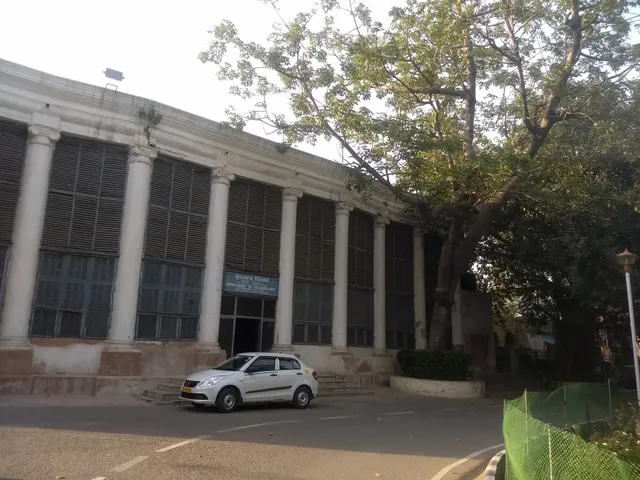
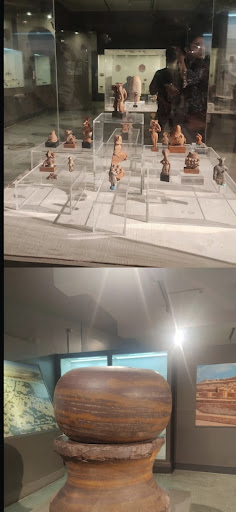
"A Treasure Trove of India's Rich Heritage: Unveiling the National Museum, Delhi" - Temple for Holy Relics of Gautama Buddha
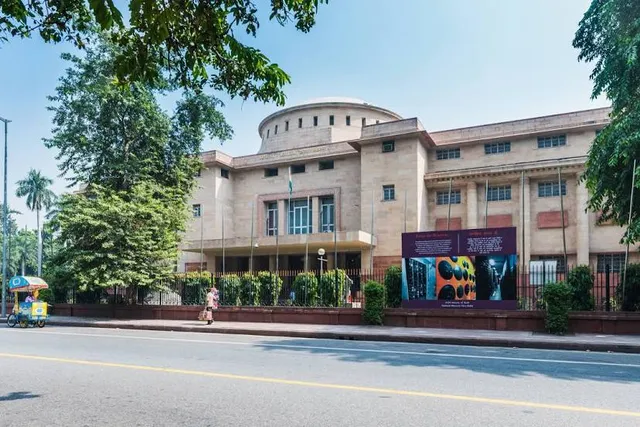
Tucked away in the heart of India's capital city, the National Museum in Delhi is a veritable treasure trove of the country's rich cultural heritage. As one of the largest and most comprehensive museums in India, it is home to a staggering collection of artifacts, relics, and exhibits that showcase the nation's diverse history, art, and culture.
As I stepped into the museum, I was immediately struck by the sheer scale and grandeur of the exhibits on display. The museum's vast collections are spread across several galleries, each one dedicated to a specific theme or era. From the relics of the Buddha to the artifacts of the Indus Valley Civilization, and from the sculptures of Tamil Nadu to the paintings of the Mughal Empire, the National Museum is a journey through time, showcasing the best of India's cultural and artistic achievements.
One of the highlights of the museum is the impressive collection of Buddhist relics, including a stunning gold and silver stupa from the 1st century BCE. The relics, which include fragments of the Buddha's bones and ashes, are a testament to the significant role that Buddhism played in Indian history and culture.
Another gallery that caught my attention was the one dedicated to the Indus Valley Civilization. The museum has an impressive collection of artifacts from this ancient civilization, including pottery, jewelry, and seals. The exhibits provide a fascinating glimpse into the daily life and culture of the people who lived in the Indus Valley over 4,000 years ago.
The National Museum also has a significant collection of artifacts from Tamil Nadu, showcasing the rich cultural heritage of this southern state. The exhibits include stunning bronze sculptures of Hindu deities, intricate temple carvings, and colorful textiles. The museum also has a impressive collection of Tamil inscriptions and manuscripts, providing valuable insights into the language and literature of the region.
In addition to these exhibits, the National Museum also has a range of other galleries and collections, including ones dedicated to Indian miniature paintings, arms and armor, and decorative arts. The museum also hosts regular exhibitions and events, showcasing the work of contemporary artists and artisans.
In conclusion, the National Museum in Delhi is a must-visit destination for anyone interested in Indian history, culture, and art. With its vast and diverse collections, the museum provides a fascinating glimpse into the country's rich cultural heritage. Whether you are a history buff, an art lover, or simply a curious traveler, the National Museum is sure to captivate and inspire you.
Rating: 5/5 stars
Tips and Recommendations:
Plan to spend at least half a day exploring the museum's vast collections. Guided tours are available, but you can also explore the museum on your own. The museum has a cafeteria and a souvenir shop, where you can buy books, postcards, and other mementos. Photography is allowed, but flash photography and tripods are not permitted. The museum is wheelchair accessible, with ramps and elevators connecting the...
Read moreThe National Museum spreads out over two floors of the massive National Museum building near India Gate. You enter from Gate No. 3; just before you enter, there’s the ticket counter (charges are Rs 20 per adult for Indians, Rs 500 for foreigners; no camera fee is charged for private photography, though a flash is not allowed). Past security, you turn left and go towards the main museum. On the way, a path leads towards a relatively recently inaugurated annex which includes, among other facilities, a cafeteria and a souvenir shop.
Free guided tours begin from the main foyer of the museum, on the ground floor, at fixed times, and are regularly announced. On our latest visit to the museum, in 20Aug.2022, we only wanted to visit two special exhibitions, so we skipped this tour, but if you have limited time and only want to see the highlights of the collection, this is probably a good option.
The museum has many galleries spread over two floors. There is lots of truly breathtaking stone sculpture, in particular, that I have always admired, from ancient and medieval India. Harappa, the Gupta Empire, the Mughal Empire, the great Southern kingdoms of the Chalukyas, Cholas, Vijayanagar, etc: all are represented, and many more, with artefacts of many different kinds. There’s plenty of painting, everyday goods, furniture, clothing, and other objects from all eras of India’s history. There are also some fine collections from overseas, including East Asia, and a recently inaugurated Central Asia gallery.
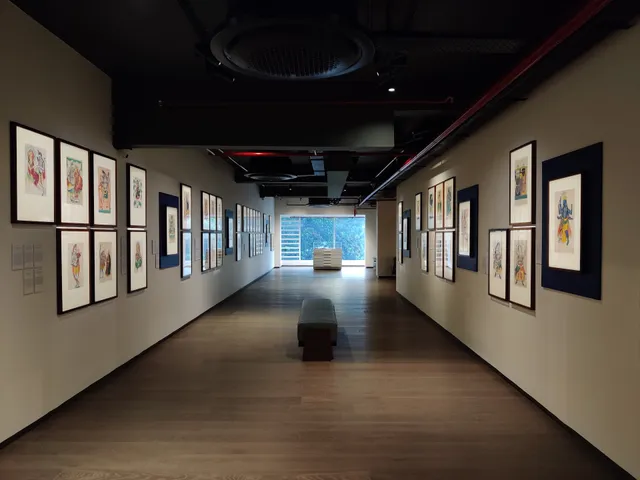
In addition, the Museum holds frequent special exhibitions, which are invariably carefully curated and worth seeing. The ones we saw in May were an exhibition on Kashi, and a fabulous one, comprising of some 200 paintings, of Company Art.
The museum building has toilets on every floor, drinking water, benches at strategic locations, and—a big draw with the kiddies—little DIY stations in the main corridor, beside the windows, where you can do everything from making paper necklaces (like the ones shown on famous old stone statues, materials and instructions provided) to colouring illustrations of museum exhibits. Our eight-year old had a lot of fun making a necklace. Beyond that, there’s also a little post box, with postcards provided that you can write to yourself and slip into the post box to send.
All in all, a very good introduction to India’s history and heritage. I do wish they hadn’t gone overboard in some places with the electronics; in the foyer and around, for instance, some wonderful statues have been pretty much obscured with obtrusive electronics displays in front of them.
If you live in or around Delhi and can visit the Museum frequently, I’d recommend exploring this over several visits. There’s so much to see, doing more than (say) three galleries at a go can make it too much to absorb at one...
Read moreA must visit place for every history lover.. National Museum is full of knowledge, information and awestrucking art. I loved everything about it but useful things and tips are as under :
3 hours is ideal time duration to have a joyful and optimum experience of this museum.
Prebooking of tickets is not a must as there are no long queues even on weekends (I went on a weekend sunday, still got tickets easily, ticket price for indians is Rs.20/-)
There are 2 buildings, one is the main national museum building and other is buddhist relics and arts building. 2.30 out of 3 hours shall be kept for the main building, half an hour is sufficient for the buddha relics and Arts builiding. (you can spare more than half hour if you have more interest in buddism)
In main building, there are 3 floors, Ground, 1st and 2nd Floor. Half the time shall be utilized for ground floor and you can cover 1st and 2nd floor in the next half. 2nd floor has newly built Virtual musuem which takes you to a virtual tour to Ajanta Caves and also AR (artificial reality) to some of the paintings.
There are guided tours in Hindi and English twice a day, refer national museum website for the timings. I went in the afternoon, so english guide timing was 2.30 pm and hindi guide timing was 3.00 pm. The guided tour will take around 90 minutes which will cover the prominent arts and crafts and history available in the museum. So, if you genuinely want to take organized information, do attend the guided tour.
You should arrange your visit in a way to start your visit with guided tour first so that you can evaluate which area is of your interest and accordingly, you can visit the area after completion of guided tour to thoroughly enjoy the museum in detail.
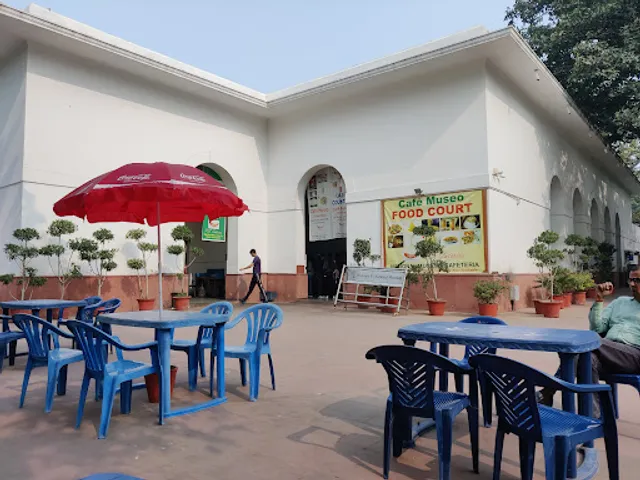
Make sure that you can walk a lot, because, you'll have to walk a lot in the 3 hours to cover the museum well. A small food court beside the buddha building is available for snacks. Washrooms are available on all floors so that's a relief. You can take water with yourself to avoid wasting time in finding it and to avoid breaking your flow.
This may not be a place for you if you have zero interest in history and old arts and crafts. Also, kids below 10 might not enjoy this place either. And given the duration and walking, kids may spoil the fun of knowing as much you can (no offense please).
There is also a shop for related books and paintings. You can choose of your interest or take one as a memoir.
The staff seems polite and helpful and the guards at all points seemed keen to help the visitors.
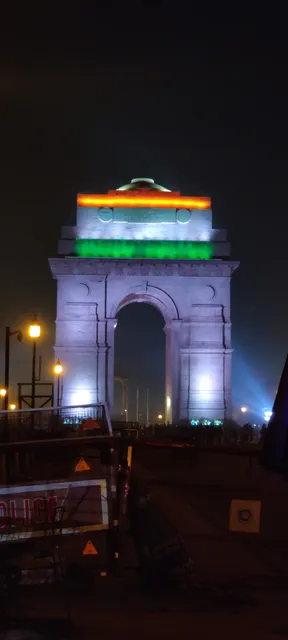
This is 500 metres away from india gate, so either central secretariat or udyog bhawn metro will equally be a good drop off place to reach here...
Read more