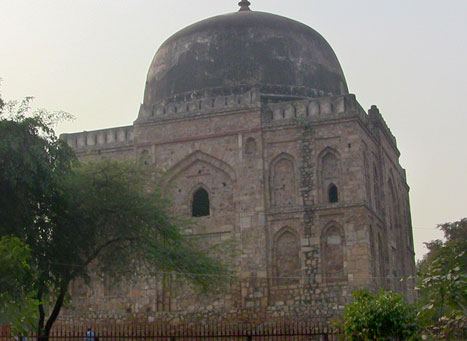
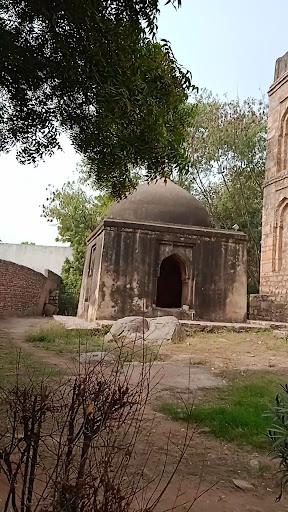
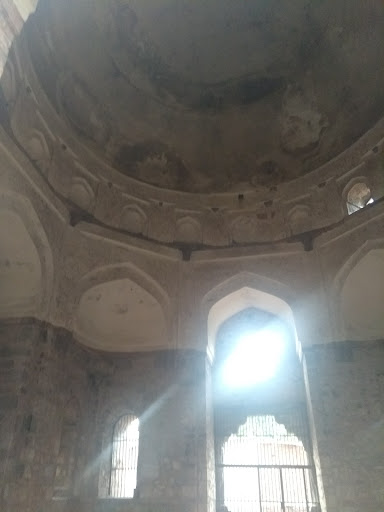
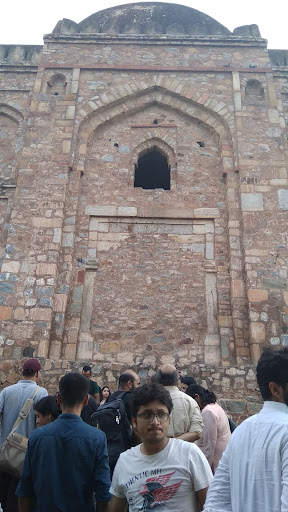
Tomb of Bijri Khan things to do, attractions, restaurants, events info and trip planning
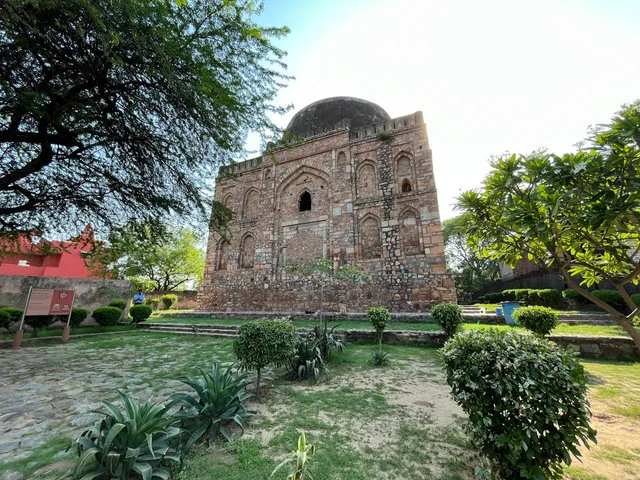
Basic Info
Tomb of Bijri Khan
969, Sri Venkateshwara Mandir Marg, Sector 2, Rama Krishna Puram, New Delhi, Delhi 110022, India
3.9(82)
Open until 12:00 AM
Save
spot
spot
Ratings & Description
Info
Cultural
Scenic
attractions: Hauz Khas District Park, Deer Park Lake, Matri Mandir, Munda Gumbad, restaurants: Diamond Bakers, Mathew's Cafe, The Hungry Heaven, Chole Bhatoorey Wala, Hasty Tasty Chinese Fast Food, Shiv Bhojanalaya, Pal Juice Corner, Laxmi Corner, Sarathi's south Indian family restaurant, 2nd Home Kitchen, local businesses: Delhi Collage of Art, Vasant Plaza
 Learn more insights from Wanderboat AI.
Phone
+91 11 2336 5358
Open hoursSee all hours
SunClosedOpen
Plan your stay

Pet-friendly Hotels in New Delhi
Find a cozy hotel nearby and make it a full experience.

Affordable Hotels in New Delhi
Find a cozy hotel nearby and make it a full experience.

The Coolest Hotels You Haven't Heard Of (Yet)
Find a cozy hotel nearby and make it a full experience.

Trending Stays Worth the Hype in New Delhi
Find a cozy hotel nearby and make it a full experience.
Reviews
Live events
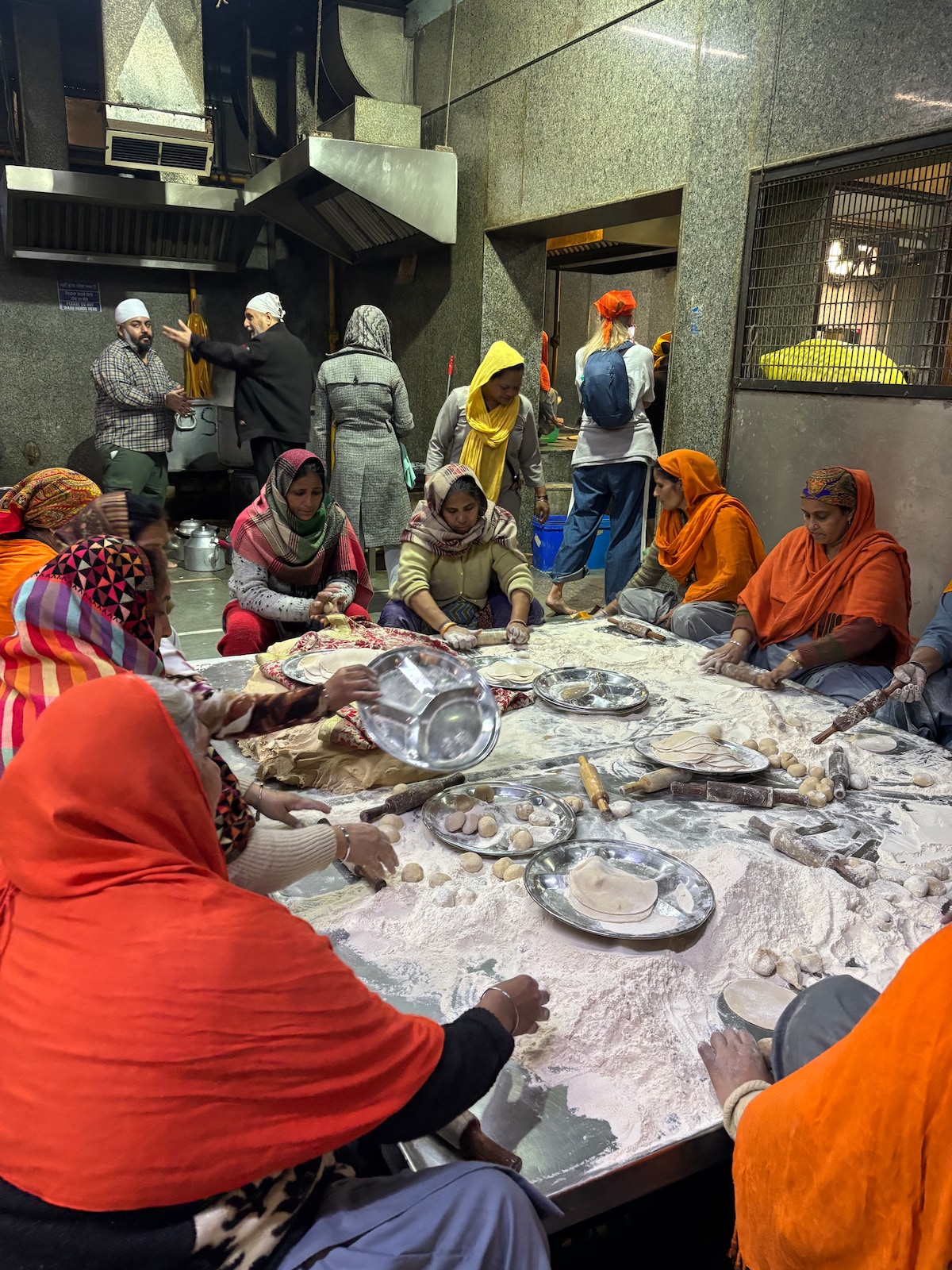
Old Delhi: Hidden Gems with Local’s Life & Tuk-Tuk
Mon, Feb 23 • 11:00 AM
New Delhi, Delhi, 110001, India
View details
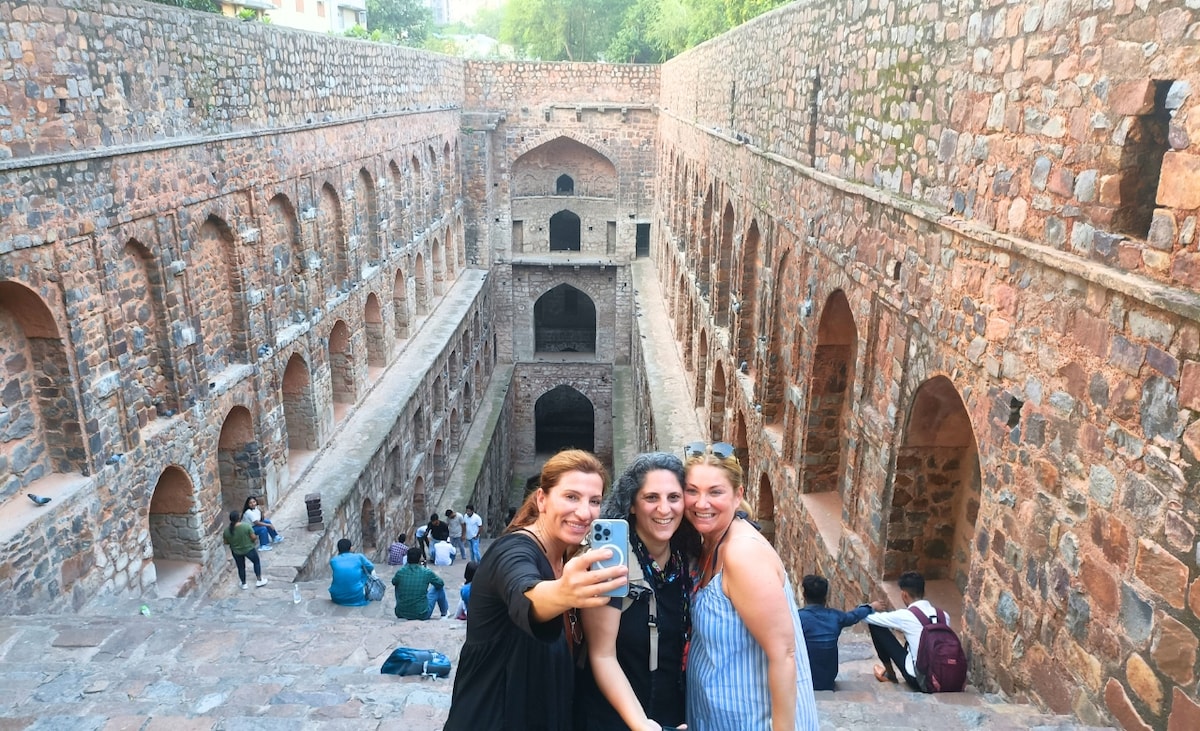
Connaught Walk : Introduction to the City
Mon, Feb 23 • 4:30 PM
Rajiv Chowk Metro Gate 7 New Delhi, Delhi, 110001, India
View details

Old Delhi Food-Temples-Spice Market & Rickshaw
Mon, Feb 23 • 9:00 AM
New Delhi, Delhi, 110006, India
View details
Nearby attractions of Tomb of Bijri Khan
Hauz Khas District Park
Deer Park Lake
Matri Mandir
Munda Gumbad
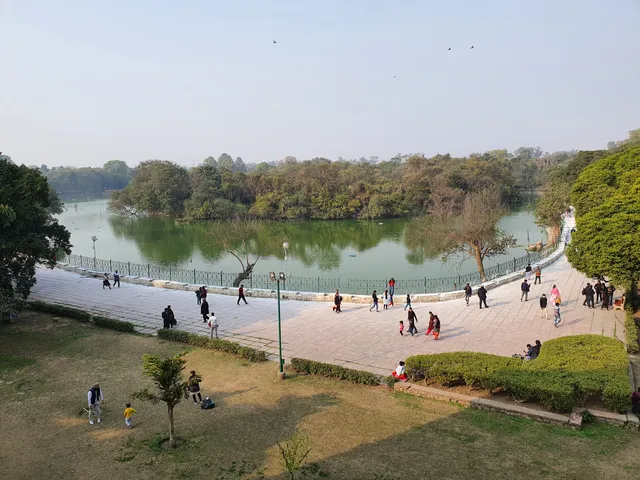
Hauz Khas District Park
4.4
(7.3K)
Closed
Click for details

Deer Park Lake
4.3
(1.3K)
Closed
Click for details
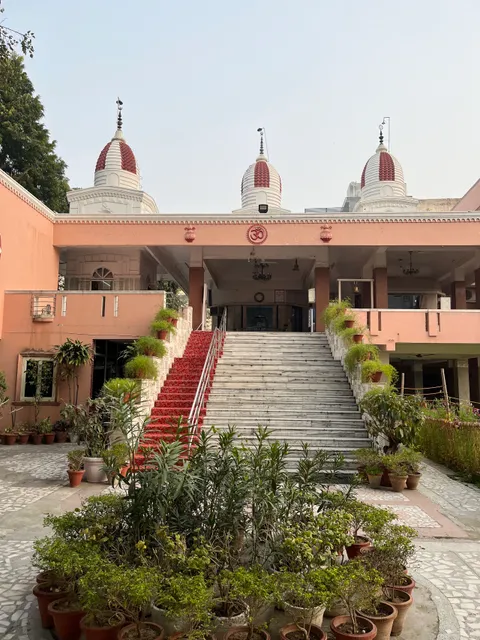
Matri Mandir
4.6
(983)
Open until 9:30 PM
Click for details
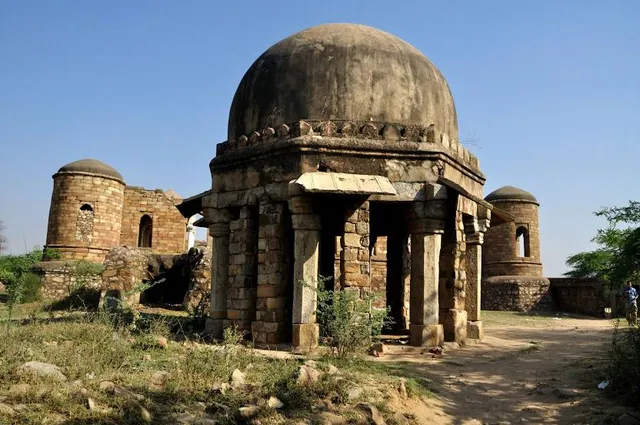
Munda Gumbad
4.3
(169)
Open until 9:30 PM
Click for details
Nearby restaurants of Tomb of Bijri Khan
Diamond Bakers
Mathew's Cafe
The Hungry Heaven
Chole Bhatoorey Wala
Hasty Tasty Chinese Fast Food
Shiv Bhojanalaya
Pal Juice Corner
Laxmi Corner
Sarathi's south Indian family restaurant
2nd Home Kitchen
Diamond Bakers
4.2
(191)
Open until 11:00 PM
Click for details
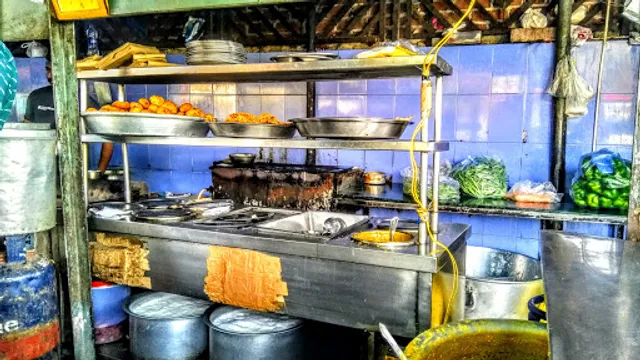
Mathew's Cafe
4.2
(3.1K)
Open until 10:00 PM
Click for details
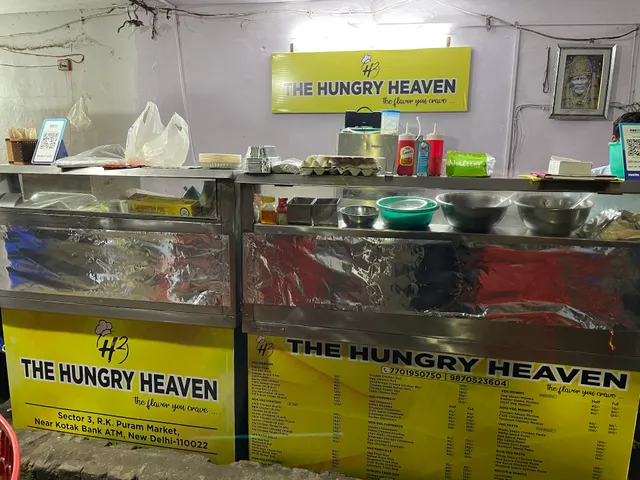
The Hungry Heaven
4.9
(13)
Open until 10:00 PM
Click for details
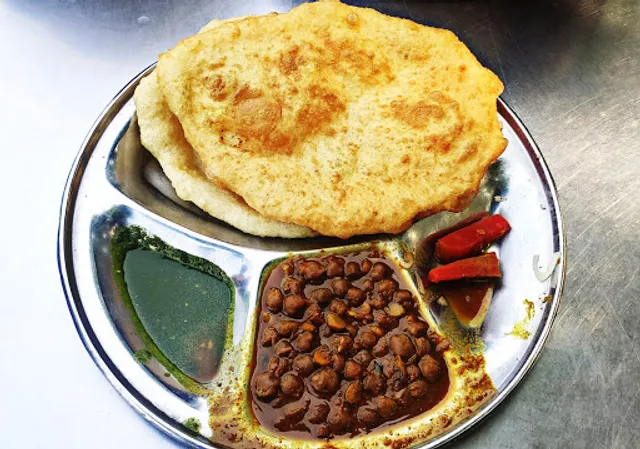
Chole Bhatoorey Wala
4.0
(388)
Closed
Click for details
Nearby local services of Tomb of Bijri Khan
Delhi Collage of Art
Vasant Plaza
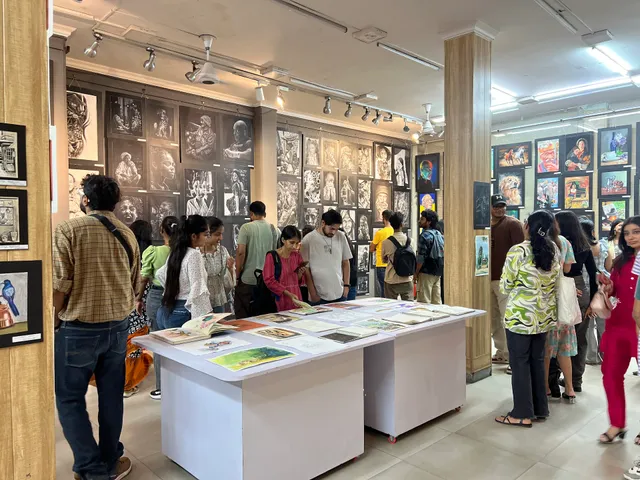
Delhi Collage of Art
4.6
(73)
Click for details

Vasant Plaza
4.9
(317)
Click for details